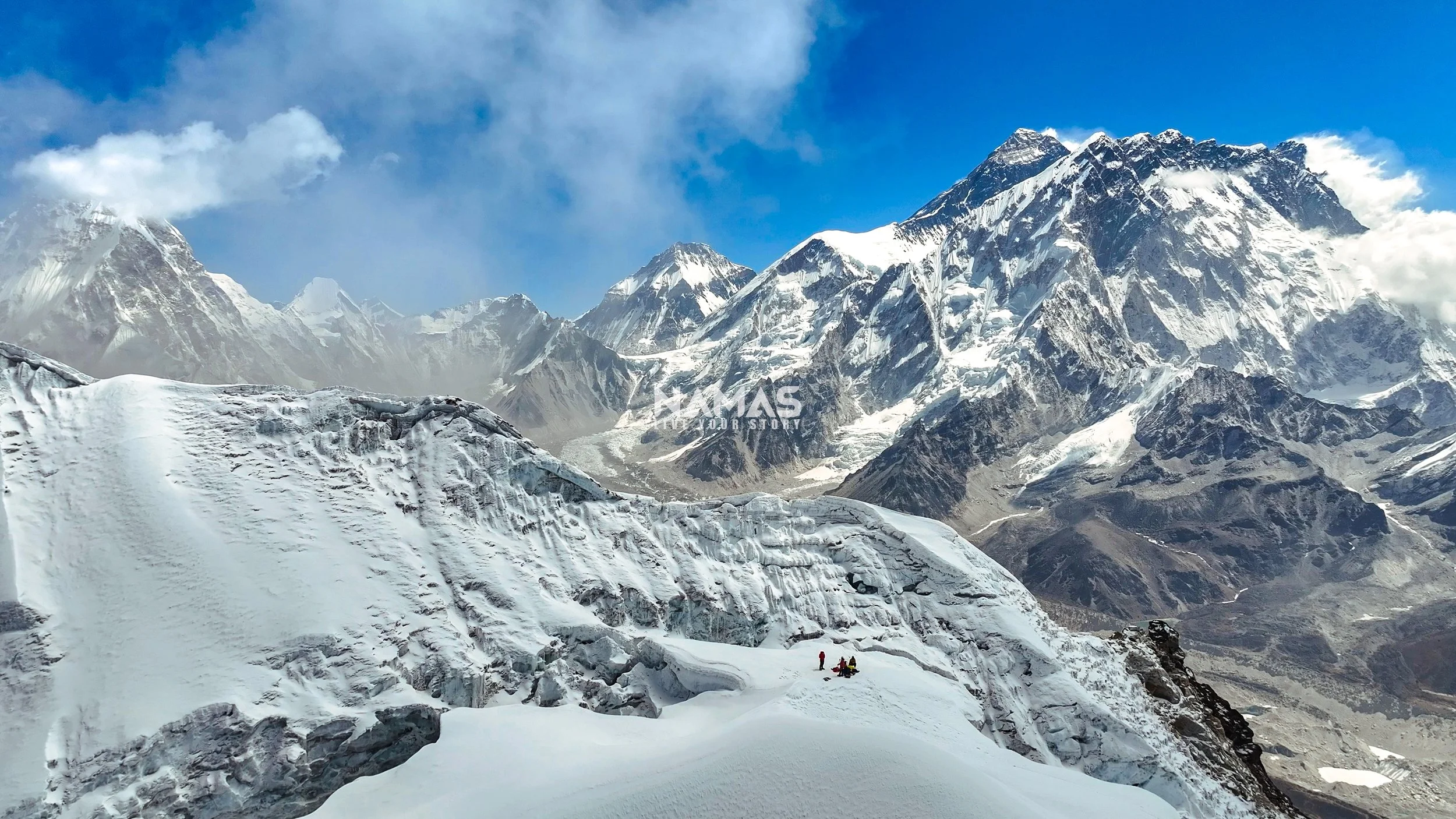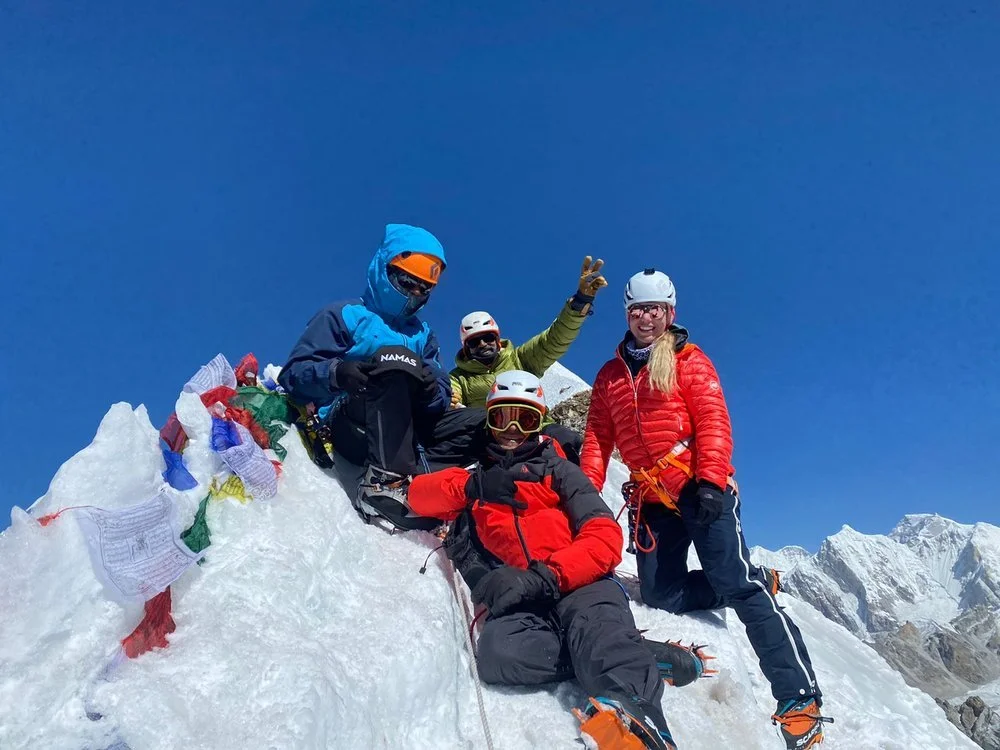
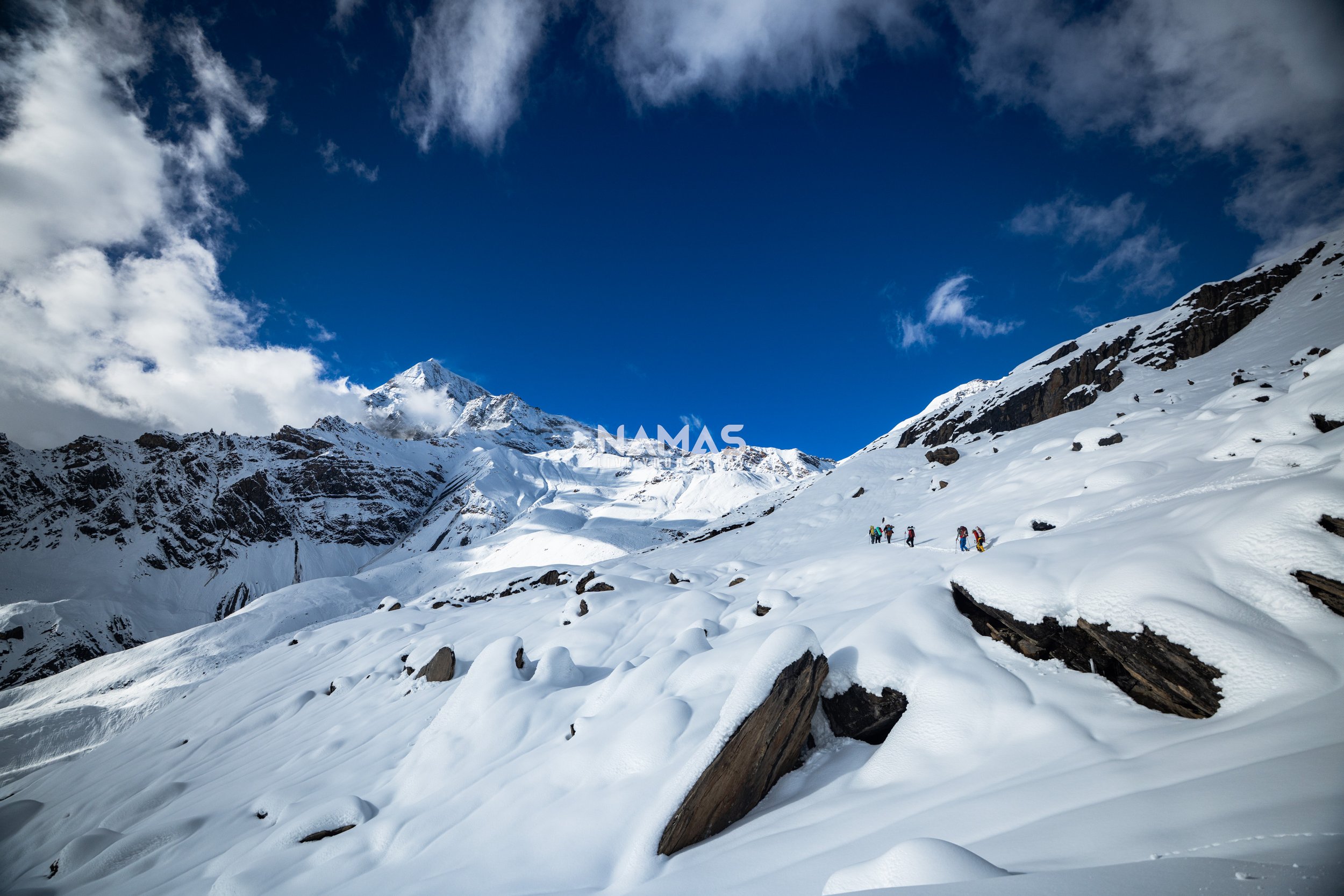
5000m–6000m Mountain Expeditions: The Foundation for Bigger Goals
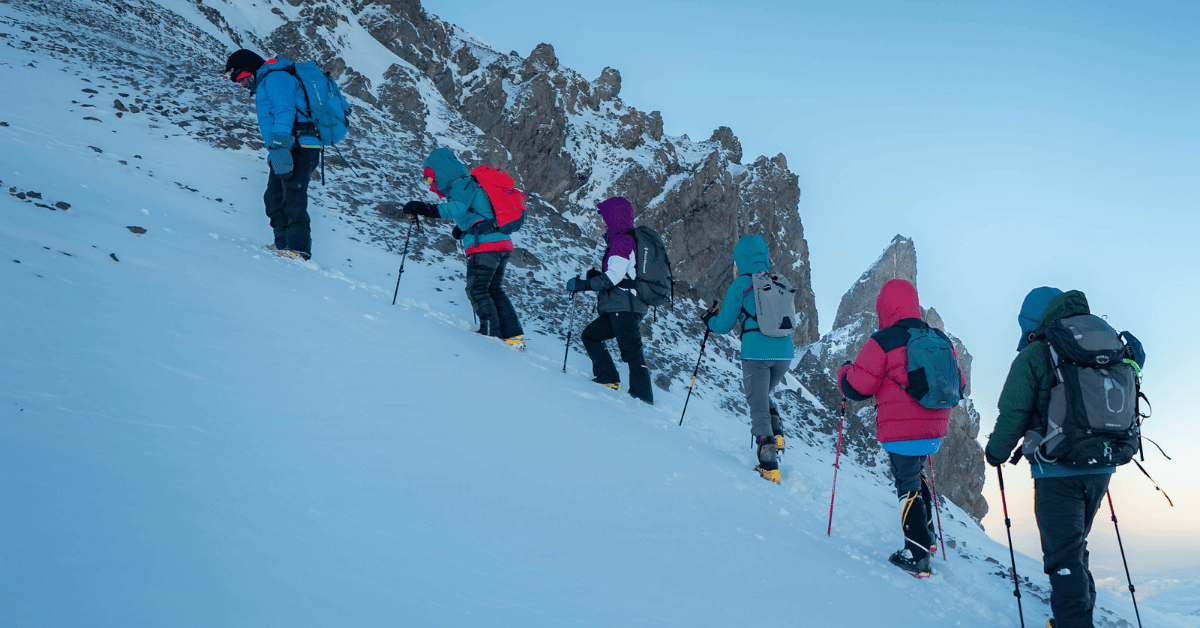
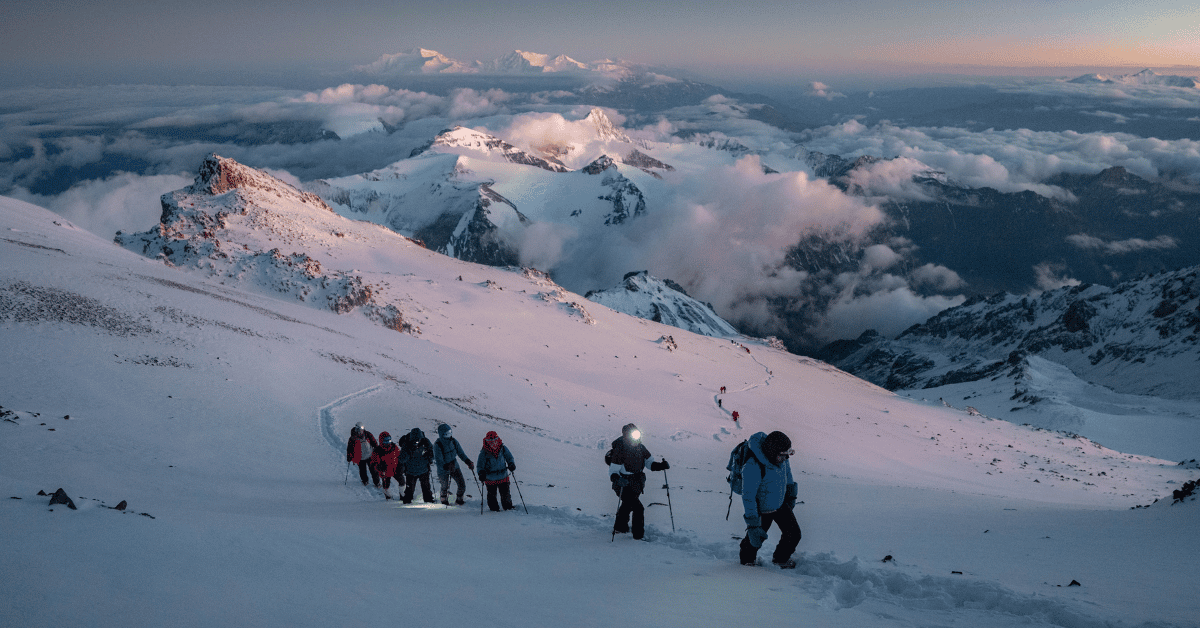
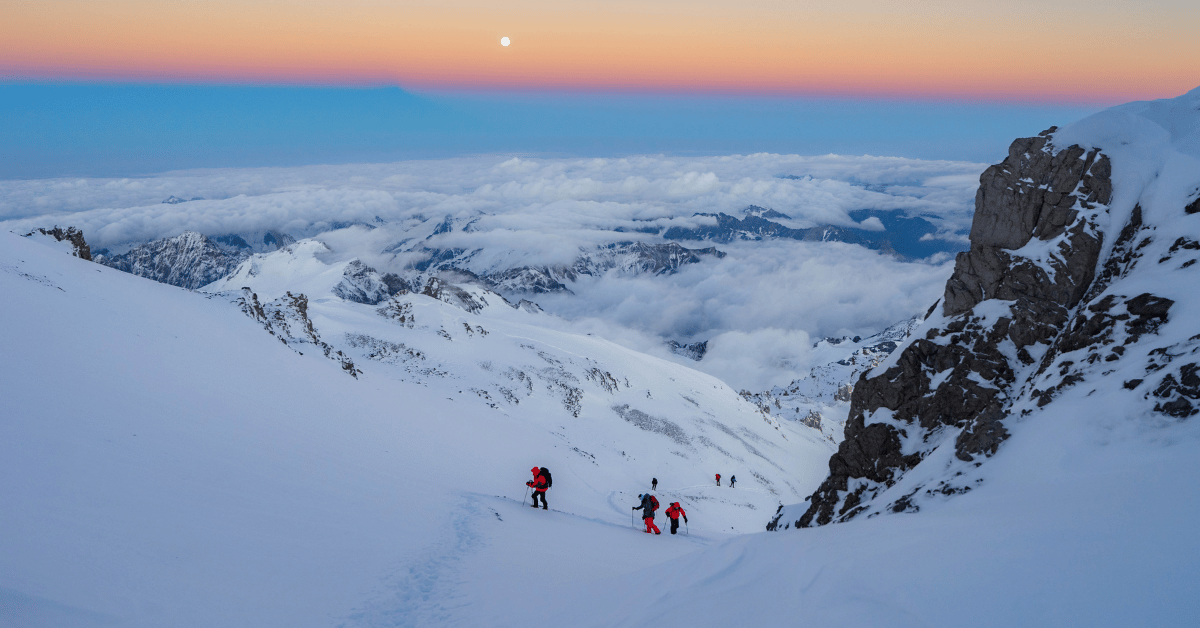
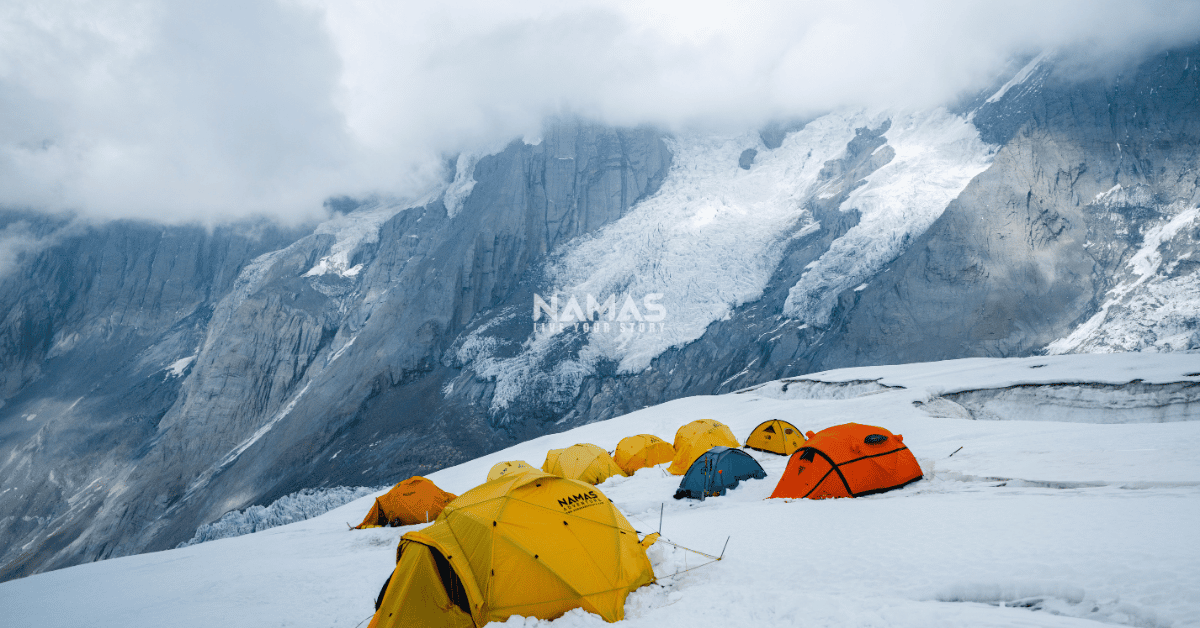
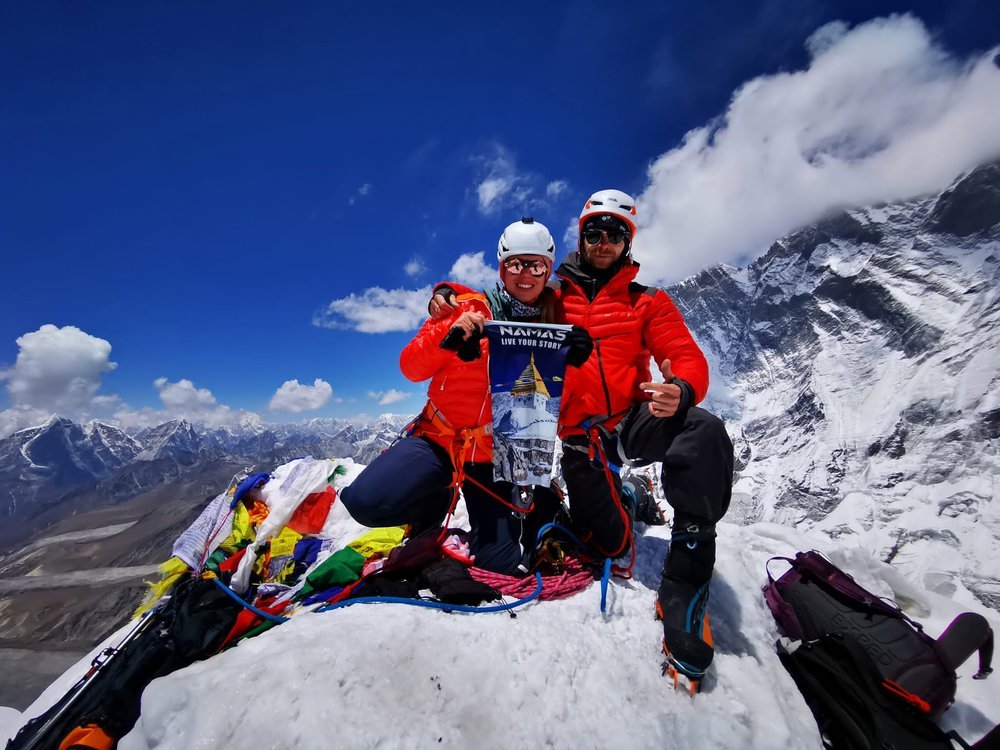
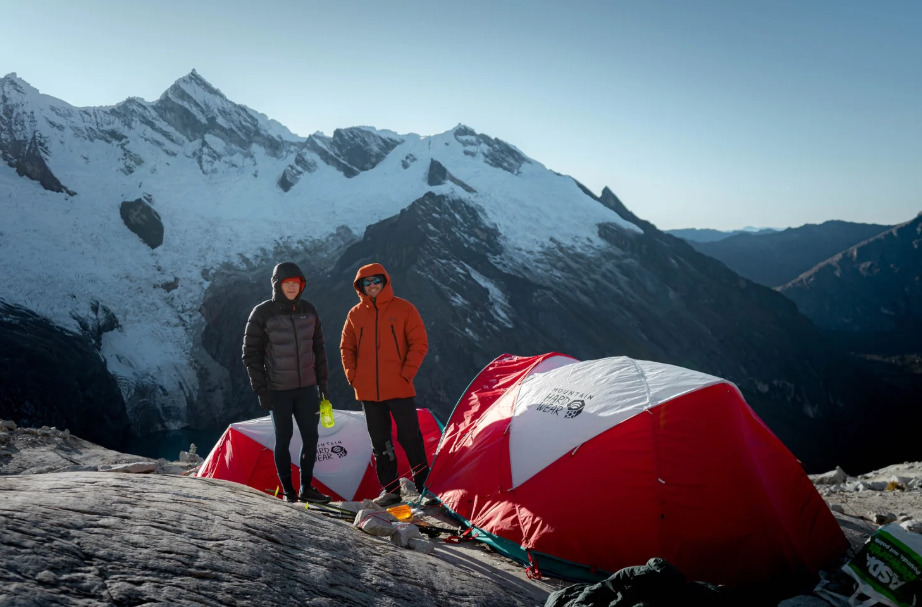
A 5000m–6000m climb is the threshold where trekking ends and real mountaineering begins—glacier travel, crampons and rope systems, colder mornings, and altitude that quickly exposes poor preparation. Done properly, it’s a controlled step into higher objectives: skill-built, meticulously run, and led with calm precision.
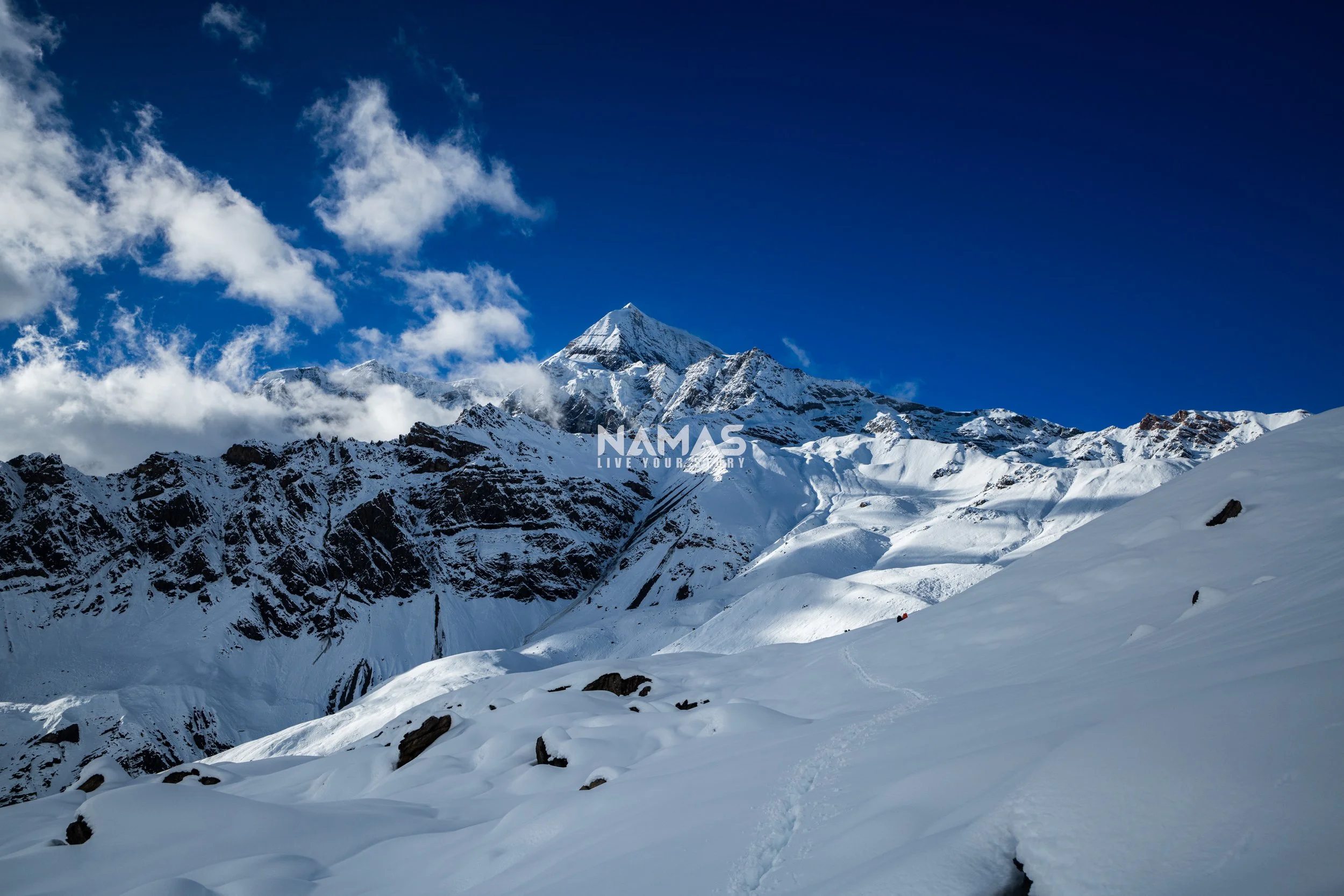
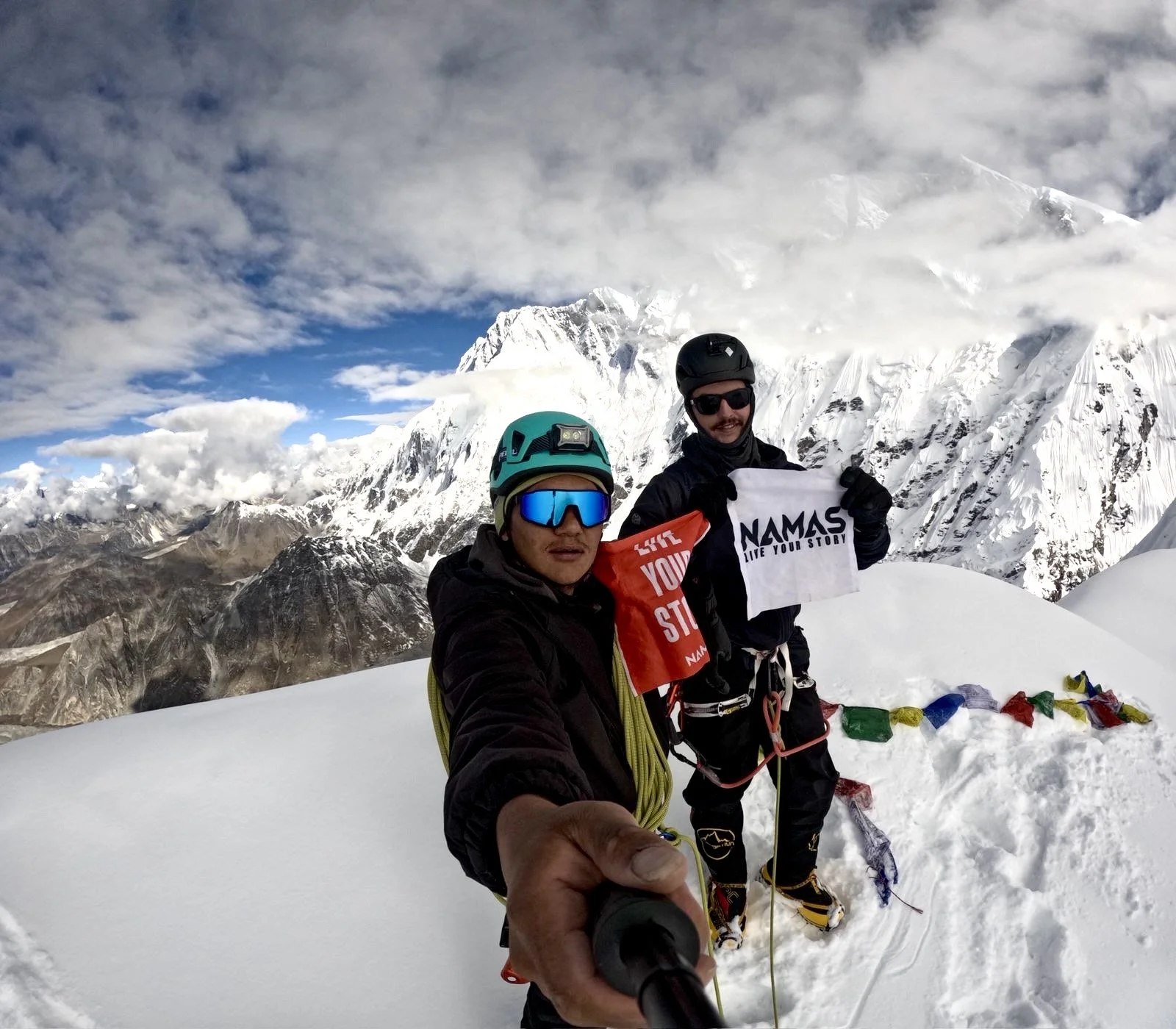
What “6000m” actually means
At this altitude, your biggest enemy is not steepness—it’s oxygen debt.
Expect:
Slower recovery, worse sleep, appetite loss
Bigger consequences for dehydration, pacing errors, and bad layering
More risk exposure (crevasses, wind-chill, whiteouts) depending on the route
If your goal is Everest one day: 6000m is the smartest place to build systems—layering, pacing, altitude discipline, rope travel—before the stakes become lethal.
Expedition Highlights
Small teams. High standards.
Real mountain ratios (1:2 on entry peaks; 1:1 on technical objectives).
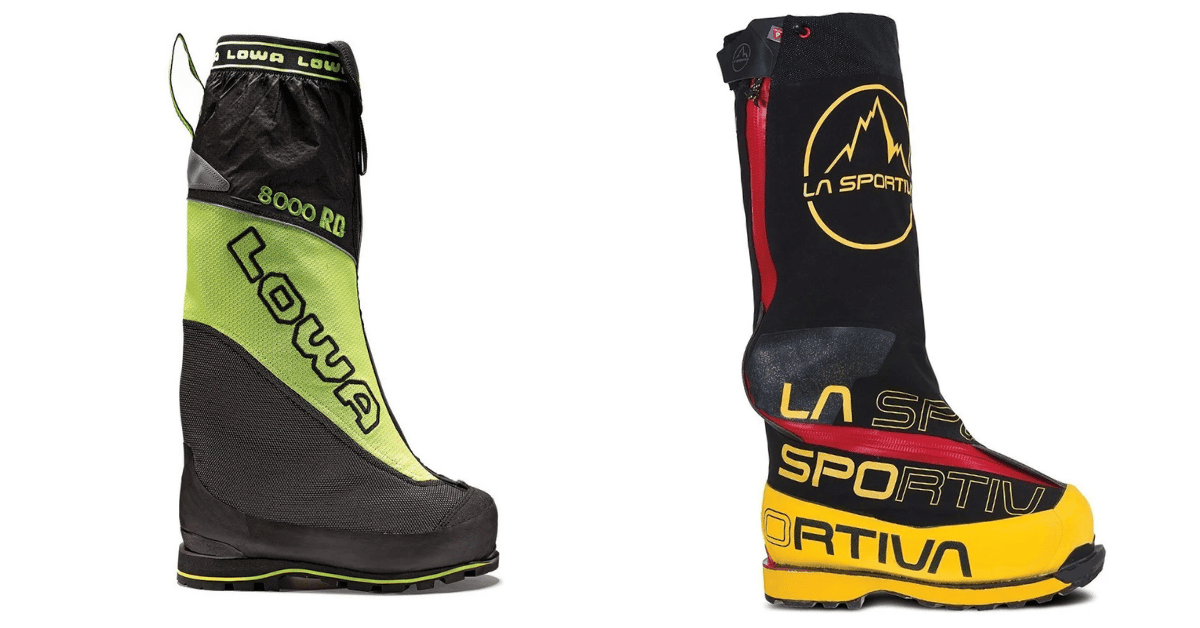
Gear systems that reduce decision fatigue (alpine gear bundle on key climbs)
Entry/First Summits
-
![]()
Mera Peak 6476M
Non-technical 6K climb. Climb higher than Denali
-
![]()
Chulu Far East 6059M
Remote non-technical climb in the Annapurna
-
![]()
Lobuche East 6119M
Get technically proficient here
-
![]()
Kilimanjaro 5895M
Non-technical. Africa’s highest peak
-
![]()
Chulu West 6419M
A solo challenge in the Chulu range

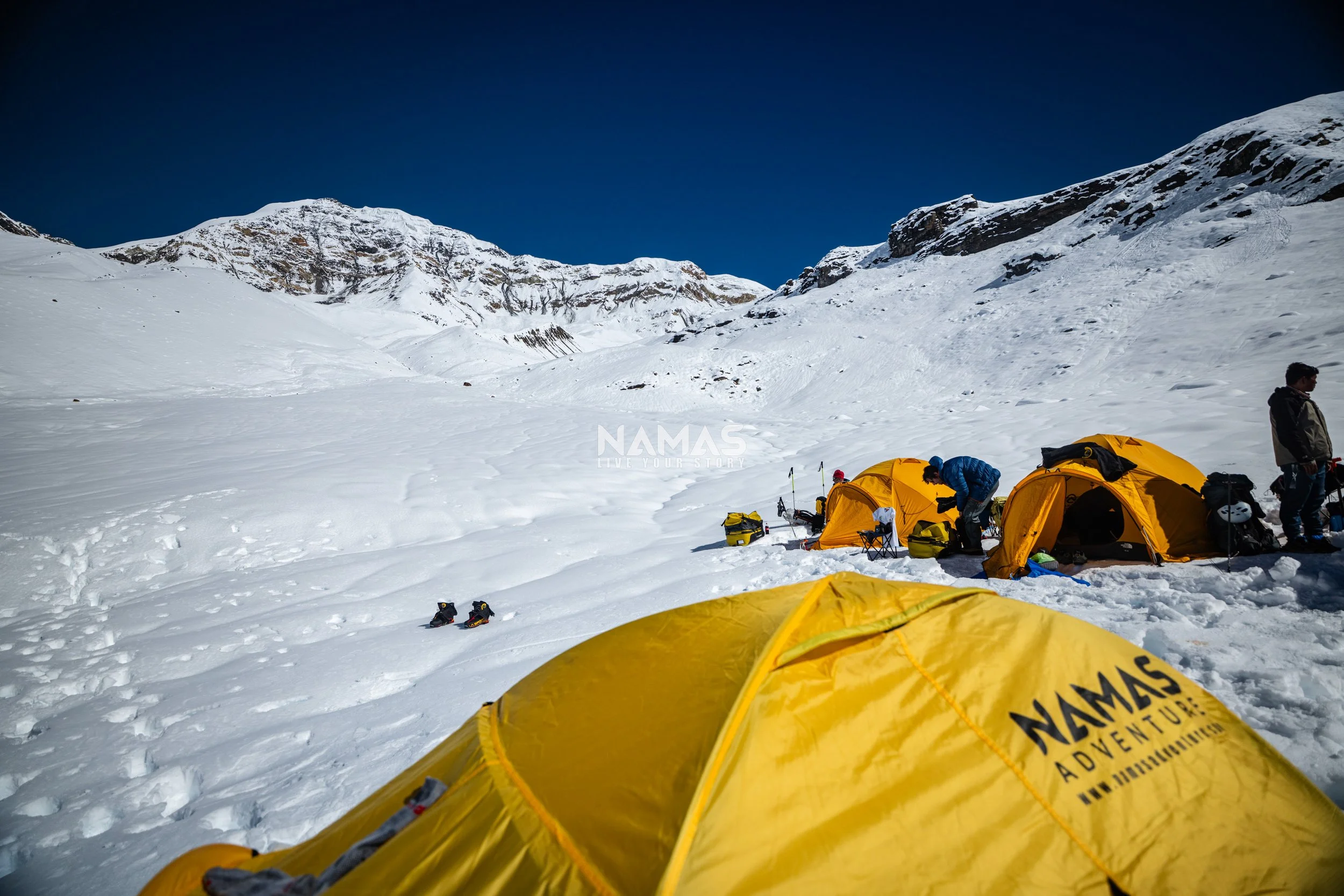
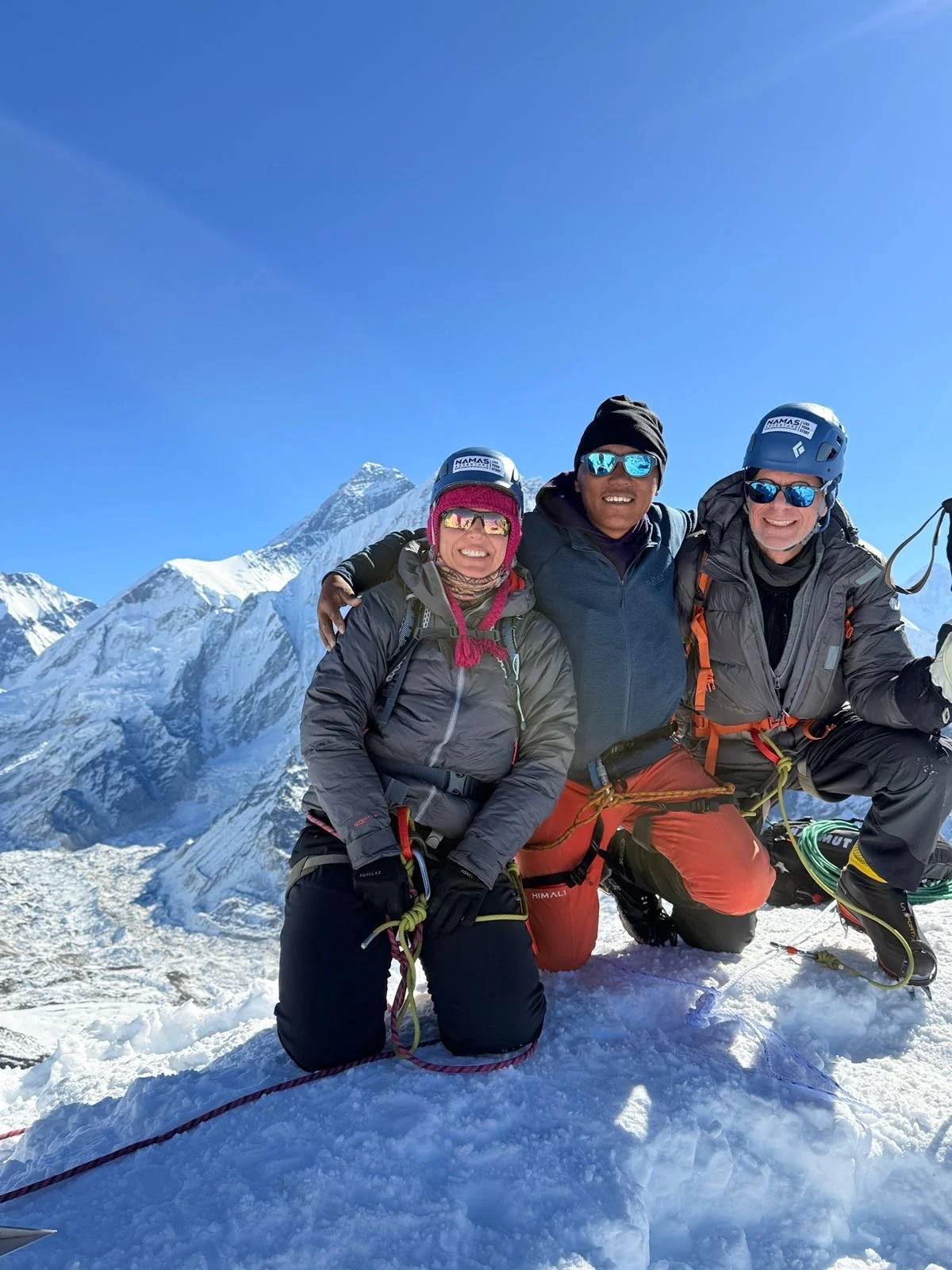


Skill-builders combos
-
![]()
Khumbu 3 Peak Challenge
Climb Three Iconic 6000ers
-
![]()
Annapurna 5X Summit
Climb 5 remote 6000M peaks in the Annapurna region
-
![]()
Lobuche East 6119M & Island Peak 6189M
Climb two semi-technical 6000er in the Shadow of Everest
-
![]()
Three Peak expedition - Peru
Peruvian mountaineering challenge
Technical Icons / Advanced
-
![]()
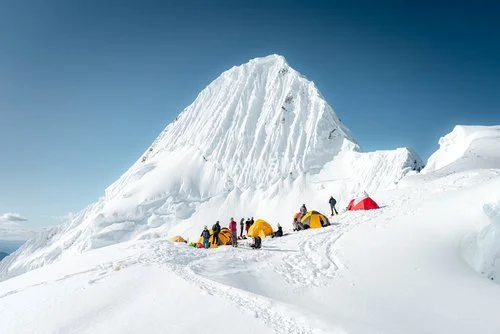
Alpamayo 5947M
A technical challenge in the cordillera blanca
-
![]()
Ama Dablam 6812M
Beautiful yet challenging
-
![]()
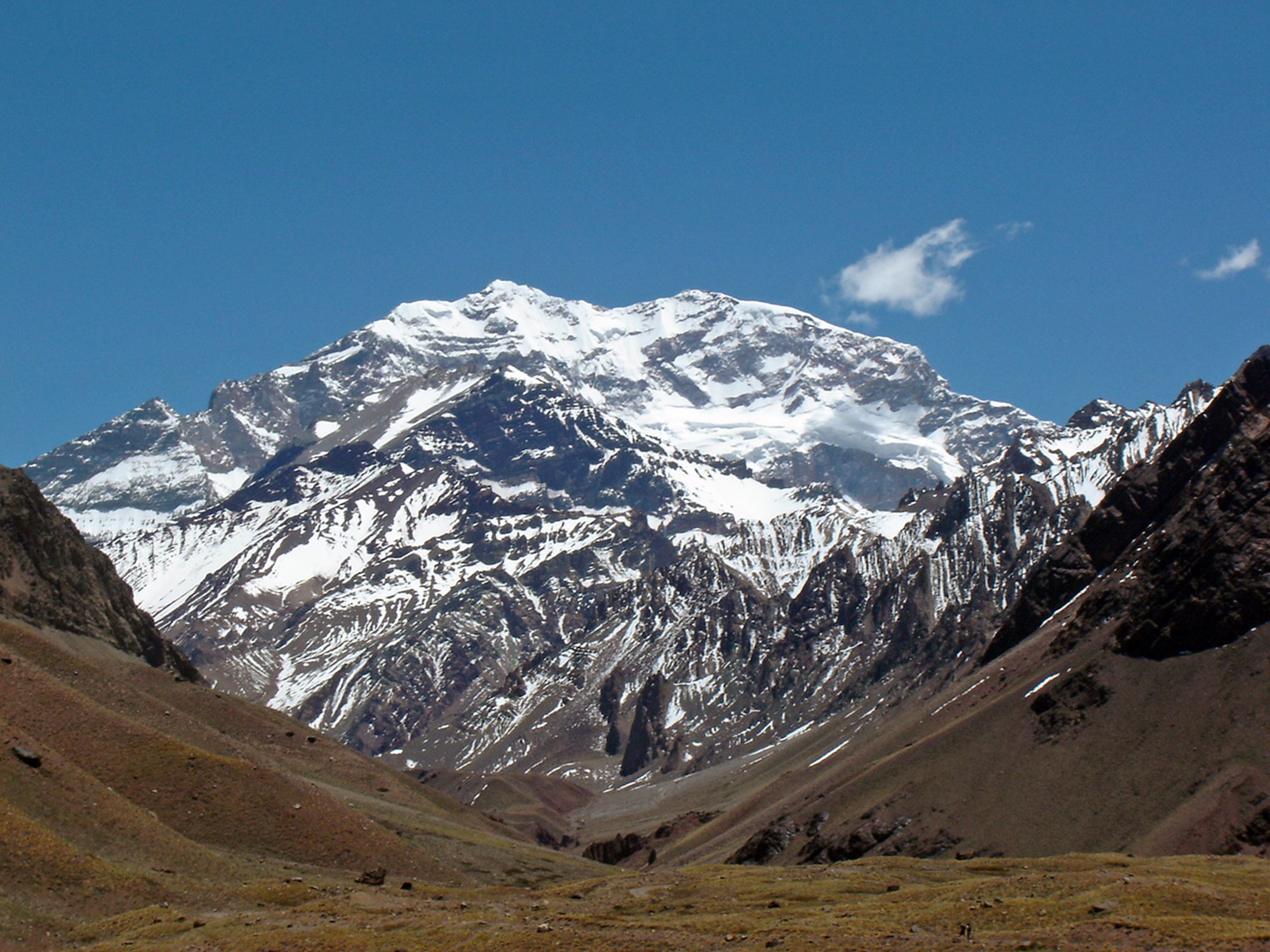
Aconcagua 6,961M
Climb the highest peak in South America
-
![]()
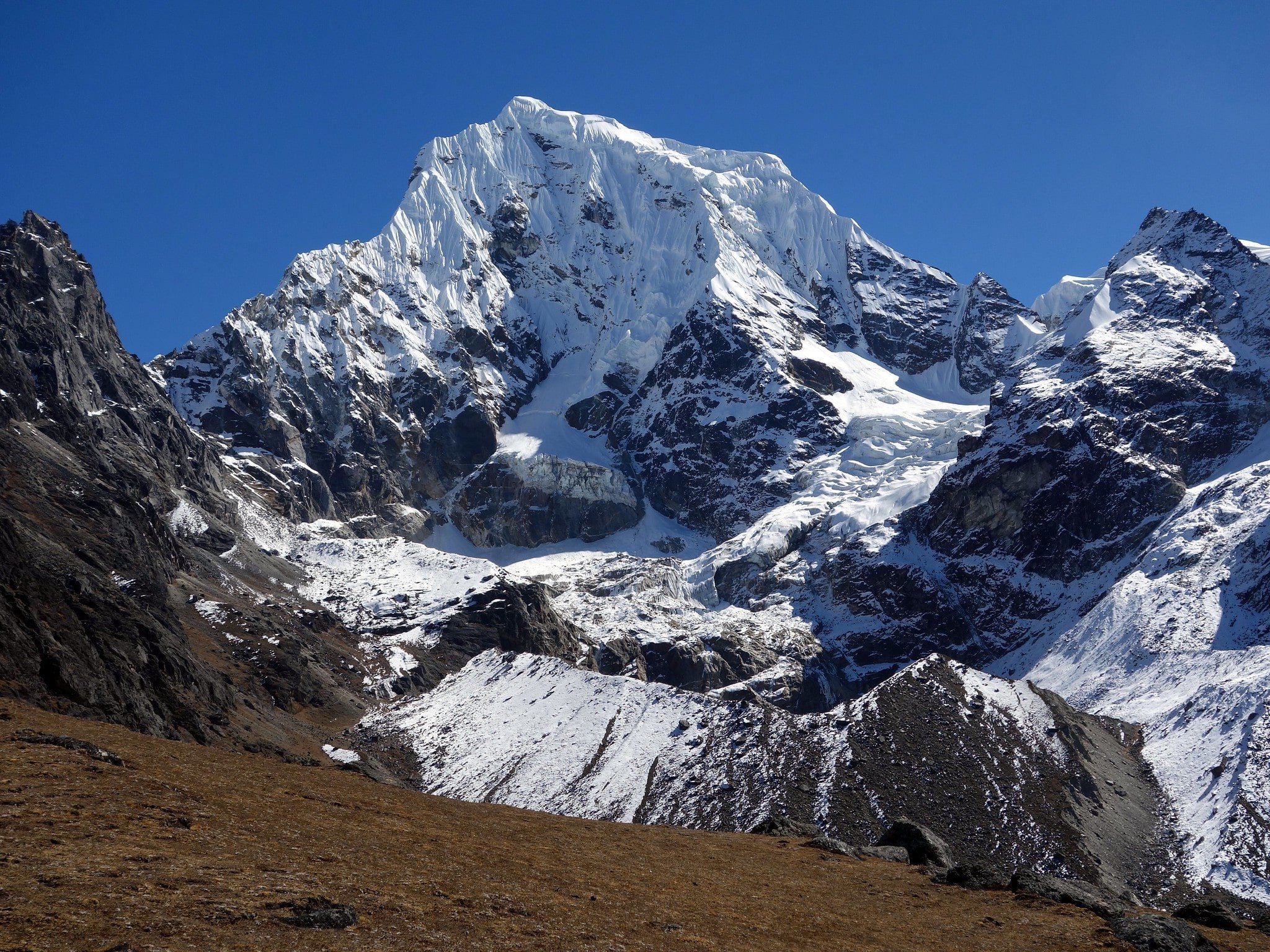
Cholatse 6446M
A less crowded climb and a challenge worthy