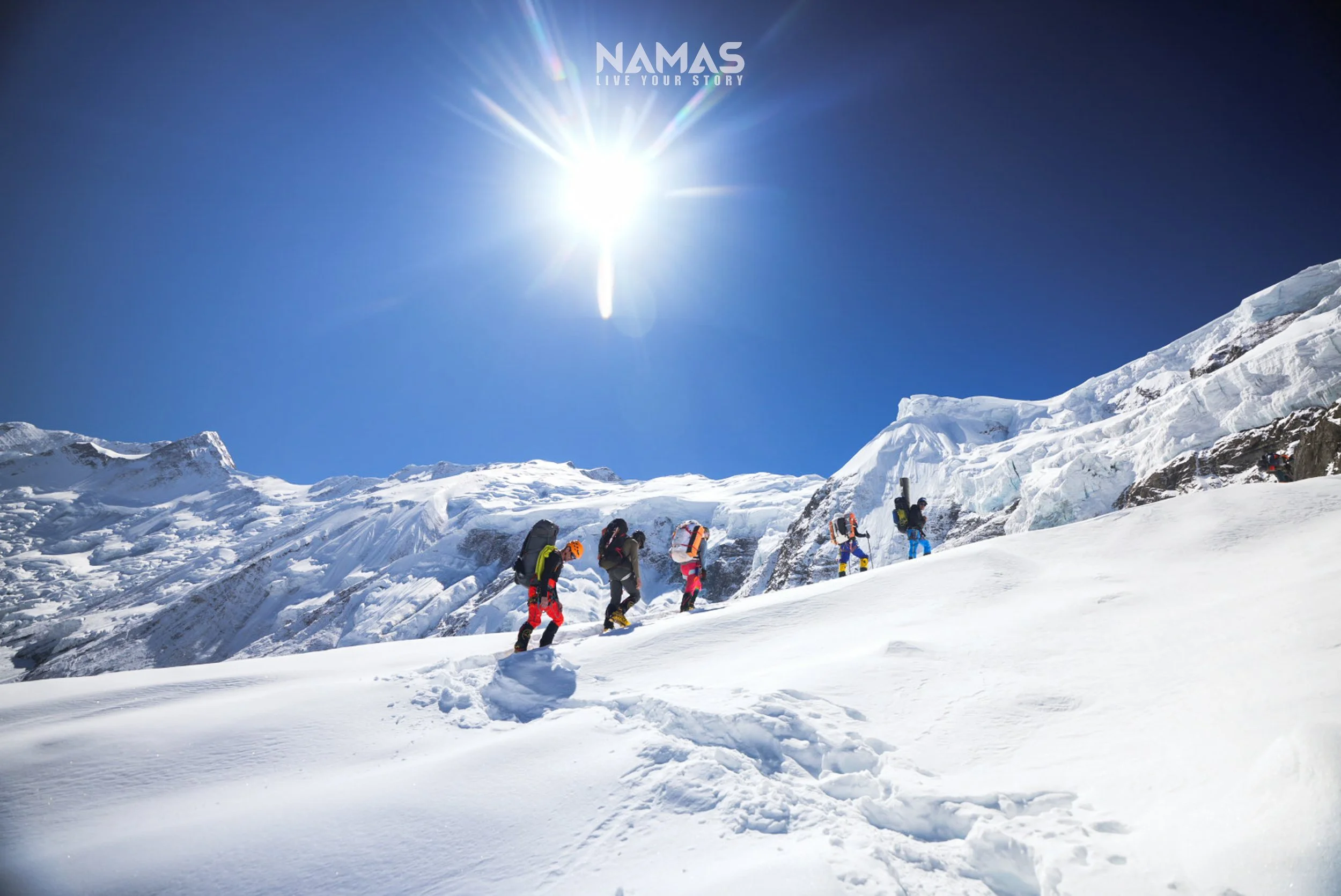
7000M Expeditions: The Ultimate Guide
Expert-guided climbs from entry-level to advanced-level. Small teams. 1:1 Sherpa support.
⭐ 4.9/5 from 60+ climbers | 🏔️ 8 peaks, 10 years | ✓ High success rates

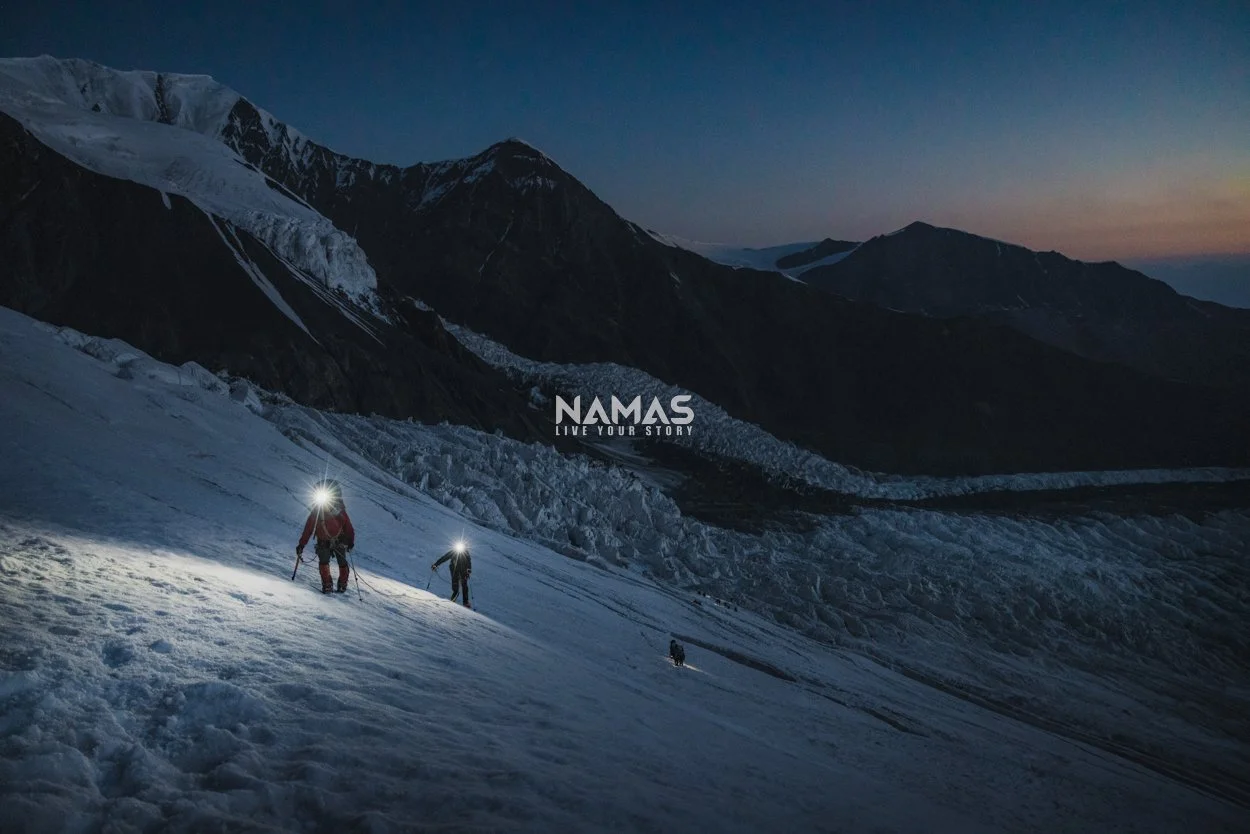
The Challenge of Climbing 7,000M
Why 7000 Meters Changes Everything
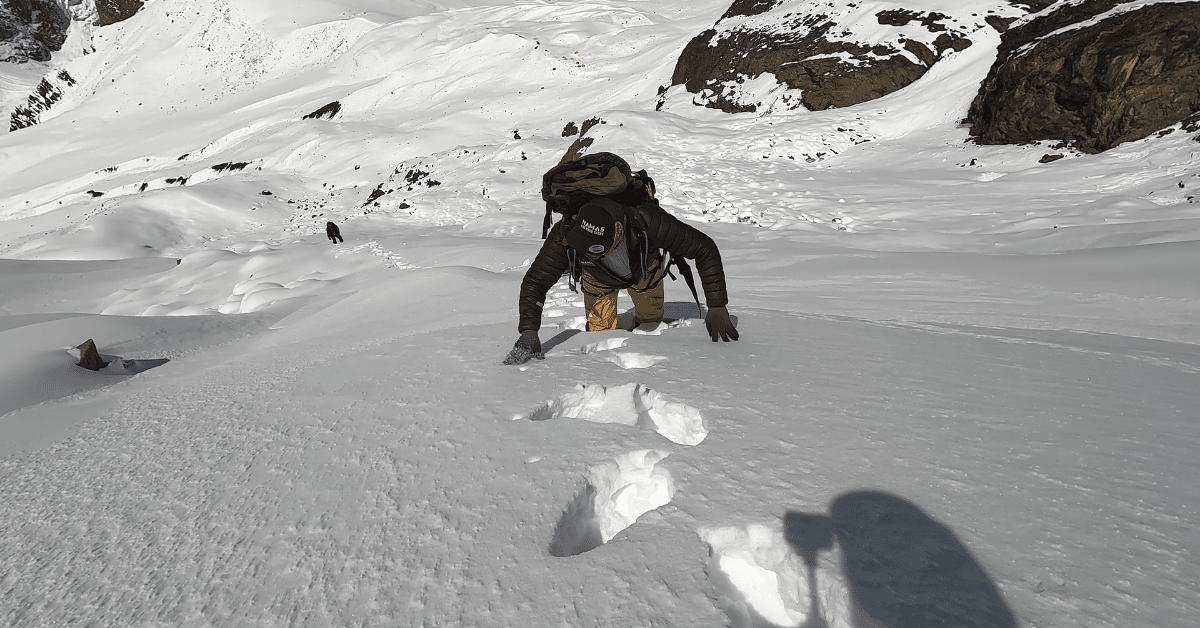
Standing at 7000 meters isn't just 1000 meters higher than 6000M peaks. It sits between technical alpine climbing and extreme high-altitude expeditions. It's a completely different world. Expedition durations are longer and in larger scale. Simple tasks become exhausting. Your body has only 41% of the oxygen it gets at sea level. Your mind works slower. Weather hits harder. Technical skills matter more.
You are now entering the extreme altitude zone. This is where real mountaineering begins. This is where you learn if you're ready for Everest or any 8000M projects. This is where you discover what you're capable of.
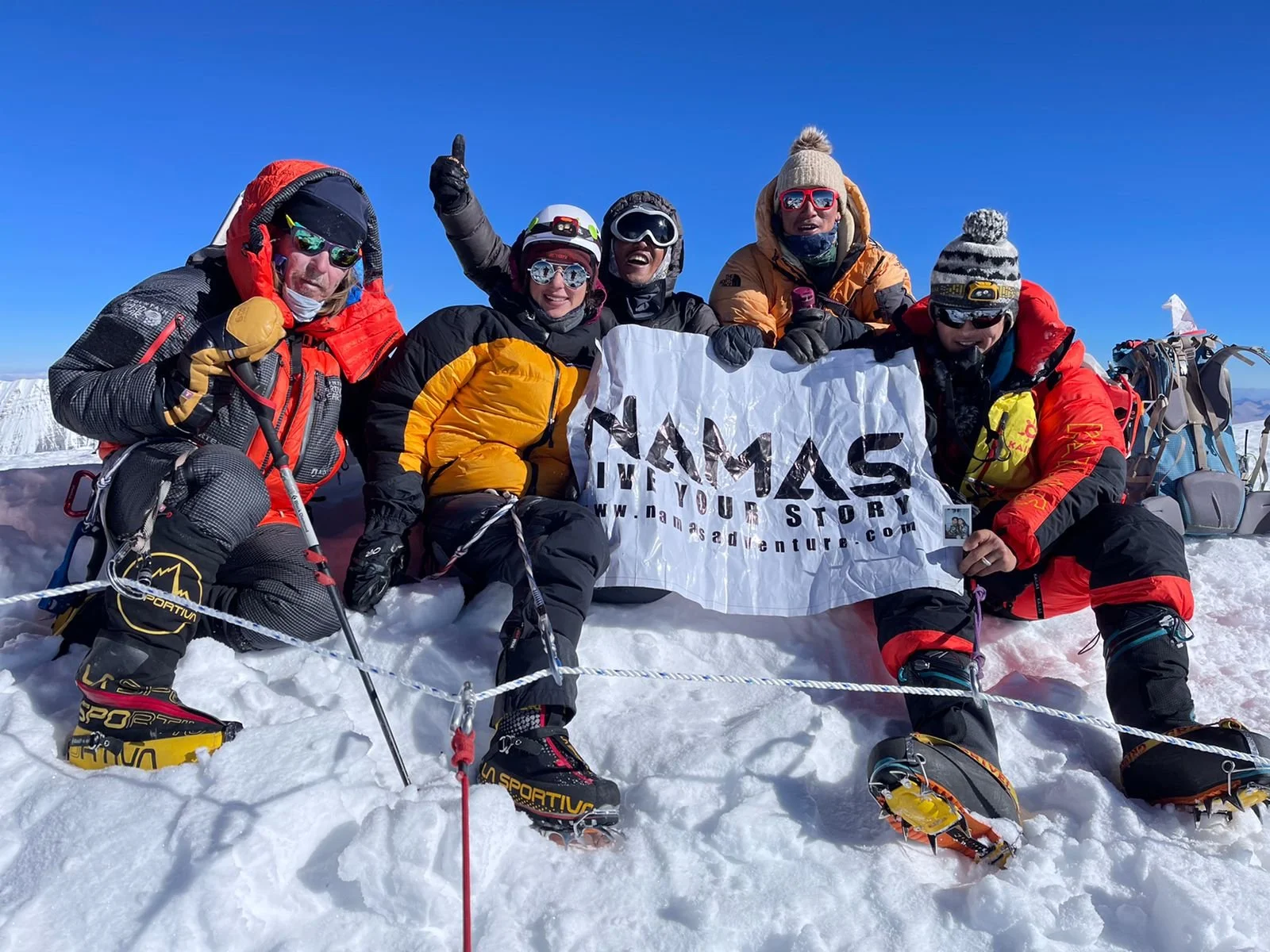
At Namas Adventure, we've guided over 75 climbers to 7000-meter summits across 7 different peaks. We know exactly what it takes to succeed at this altitude—and we know how to get you there safely.
7000M Expedition - Key challenges
The Physical Reality
41% oxygen vs 50% at 6000m
Heart rate increases 20-30 beats per minute
Recovery takes 2-3x longer
Altitude illness risk doubles
Every movement requires intense effort
The Technical Challenge
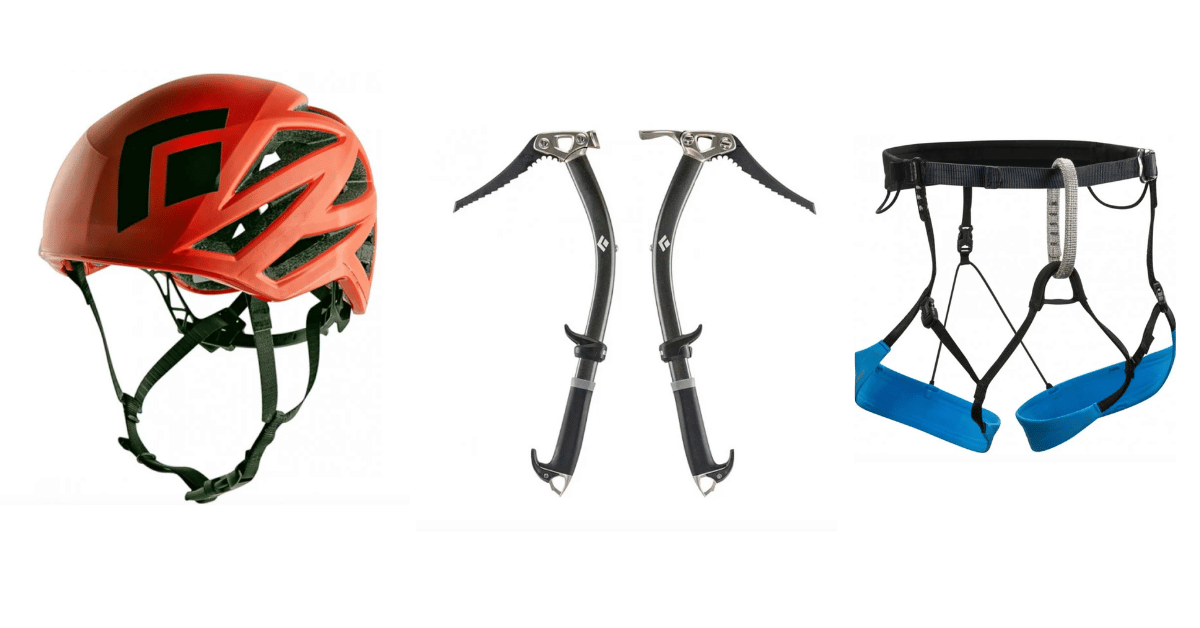
Steep ice climbing (40-75 degrees)
Complex route-finding through crevasse fields
Rope work on exposed terrain
Multiple high camps needed
Summit pushes lasting 10-15 hours
The Mental Game
Making decisions under hypoxic stress (low oxygen)
Managing fear and discomfort
Knowing when to turn back
Building unshakeable confidence
Developing expedition mindset
Why 7000m Peaks Matter
7000m mountains occupy a critical space in high-altitude mountaineering:
High enough to test oxygen deprivation, endurance, and mental resilience
Technical enough to develop real alpine skills
Long enough to experience true expedition logistics
Safer and more forgiving than 8000m peaks—when done properly
In short: If you can climb a 7000m peak well, you earn the right to go higher.
New 2026 Everest Rule: Choose Your preparation Peak Strategically
🏔 Important Update: Nepal now requires proof of a 7000m summit before Everest attempts. But not all 7000m peaks prepare you equally. We have written a detailed blogpost, read here.
Starting with the 2026 spring season, Nepal's Department of Tourism implemented a mandatory requirement. All climbers attempting Mount Everest must provide documented proof of successfully summiting a peak above 7000 meters in Nepal.
Here's what many climbers get wrong: They choose the easiest possible 7000m peak just to check the regulatory box. This is dangerous thinking. Summiting an easy 7000m peak doesn't actually prepare you for Everest's specific challenges.
Why "Just Qualifying" Isn't Enough
❌ The Problem
Many climbers pick easy peaks with high success rates such as Himlung Himal or Putha Hiunchuli. They summit, feel strong, and think they're Everest-ready. Then they struggle badly on Everest because they never developed the skills they actually needed.
✓ The Solution
Smart climbers choose 7000m peaks that match Everest's technical demands. Steep ice climbing. Longer summit days. Complex route-finding. Mixed terrain. These experiences genuinely prepare you.
Or you have climbed the entry level 7000ers, then we highly suggest you either prepare by additional higher grade 6000M climbs like Ama Dablam or Annapurna 5X or attempt a lower entry level 8000er, i.e. Manaslu or Cho Oyu
💡 Our approach to 7000m Expeditions
We do not run volume-based climbs. We run precision-led expeditions.
Every NAMAS 7000m expedition is built around:
Small teams and strong Sherpa ratios
Conservative acclimatization schedules
Clear technical progression
Real decision-making on the mountain—not blind summit chasing
Leaders who prioritize judgment over ego
This is not guided tourism. This is mountaineering done properly.
Strategic Advice: If you're serious about 8000M or Everest, climb 2-3 different 7000m peaks over 2-3 years. Start with Himlung Himal to learn your body's response. Then tackle Tilicho peak or Annapurna IV to develop technical skills. By the time you reach Everest base camp, you'll be genuinely prepared—not just qualified on paper.
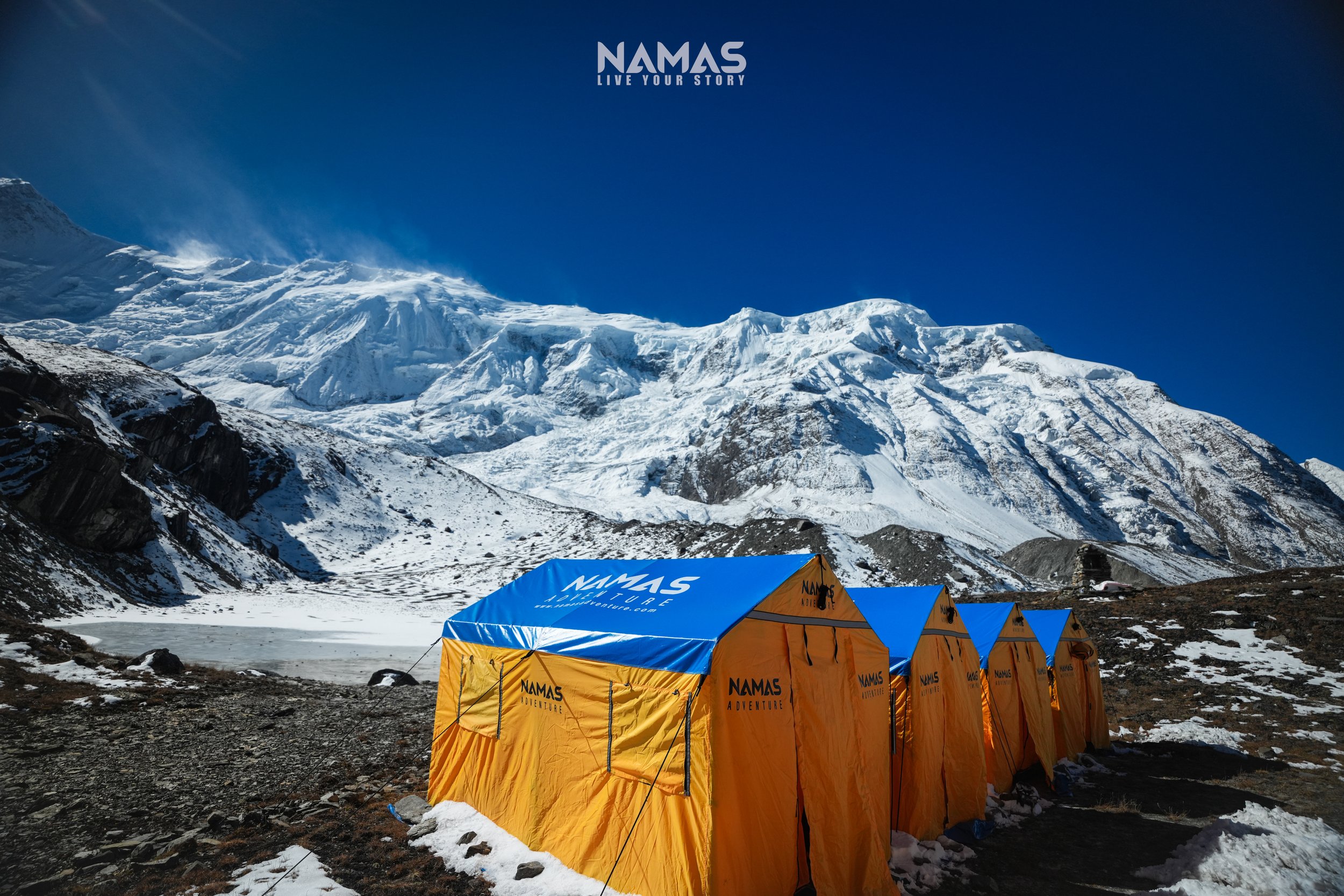
Our 7000M Expeditions
We organize expeditions on 8 different 7000-meter peaks across Nepal, Pakistan, and the Pamirs.
Each expedition is designed for specific skill levels and training goals. Small groups (6-8 climbers maximum). 1:1 Sherpa support on summit pushes. High success rates through proper preparation.
Entry Level
-
![]()
HIMLUNG HIMAL 7126M
One of the least dangerous 7K peak with higher summit success rate
-
![]()
Putha hiunchuli 7246M
Remote, pristine and Straight forward climb or Ski
-
![]()
Lenin peak 7134m
Climb in the Pamir mountain range.
-
![]()
Spantik 7027M
Low Objective dangers & straight forward peak in the Karakoram.
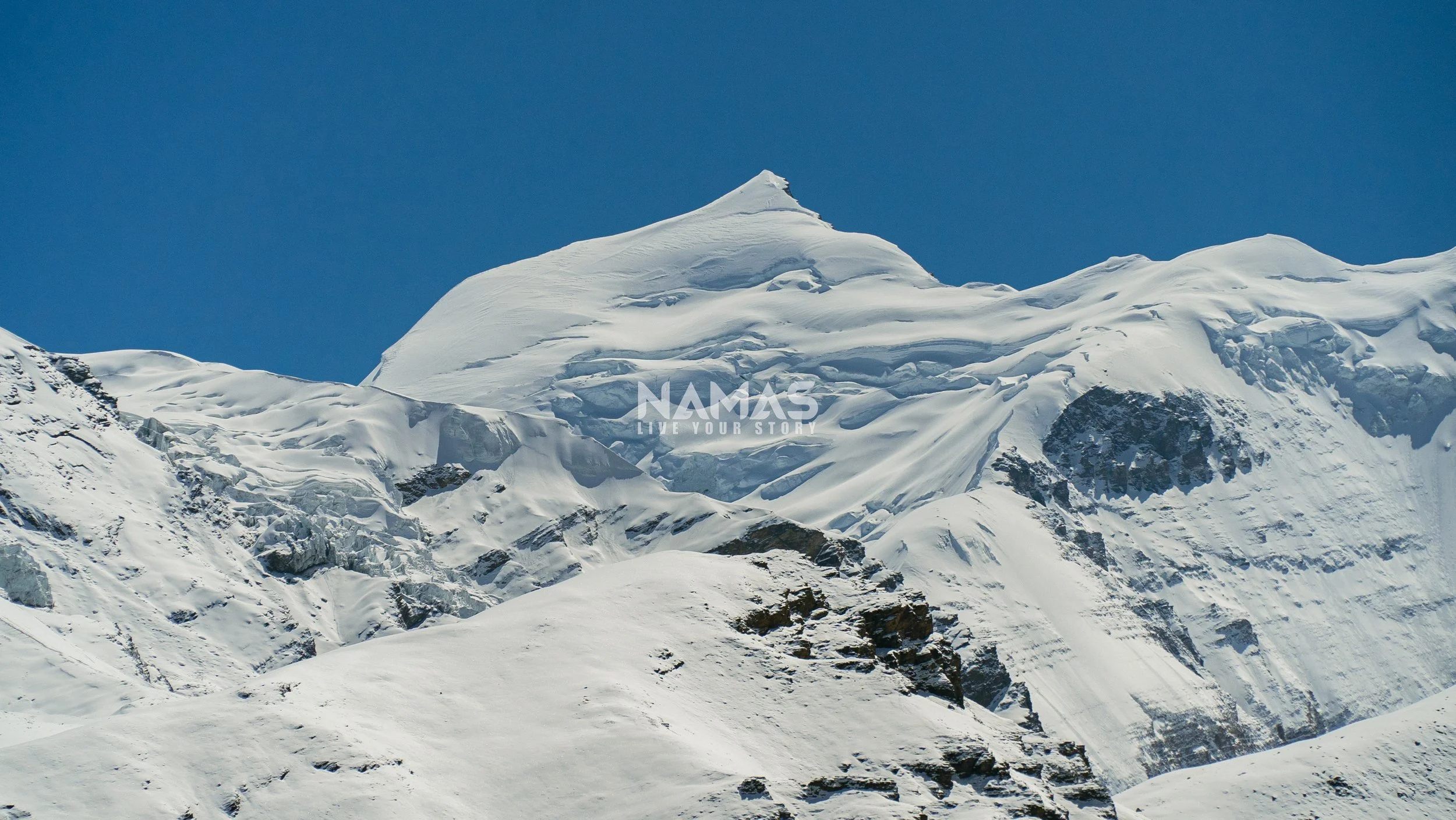
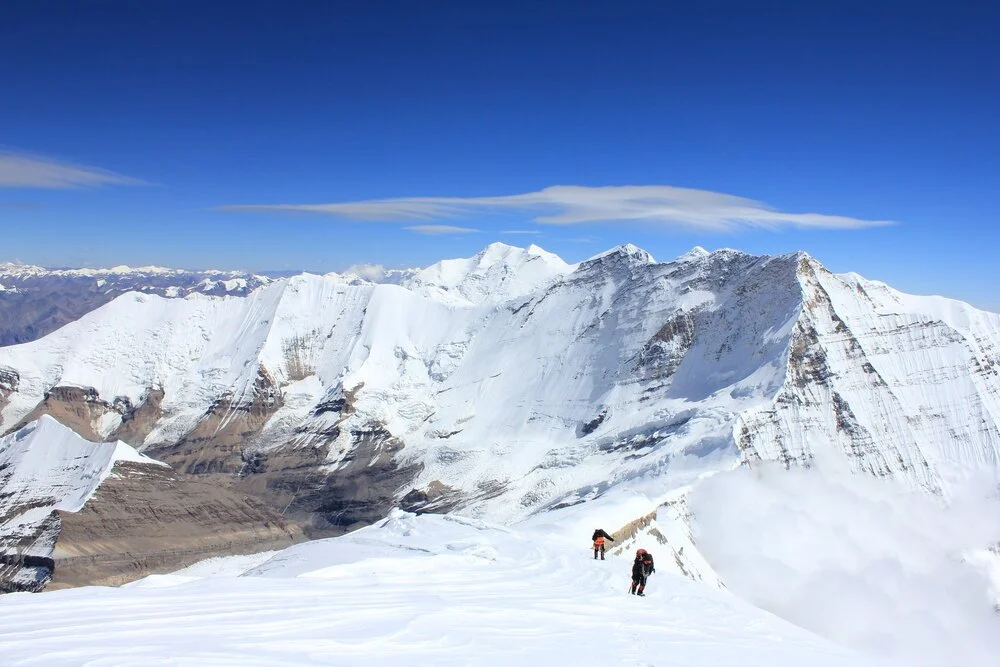

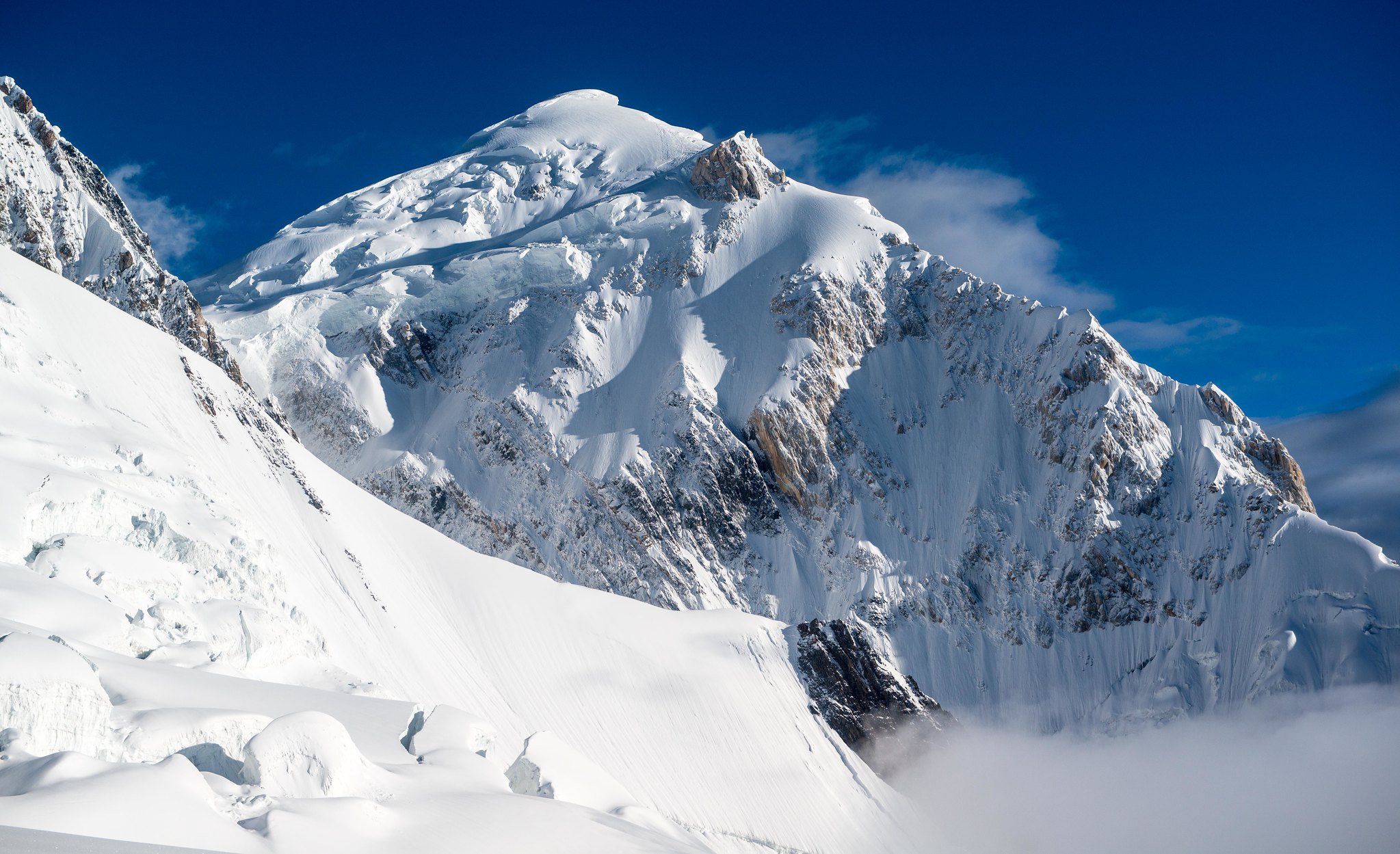
Intermediate Level
-
![]()
Baruntse 7129M
Climb in the Shadow of Makalu
-
![]()
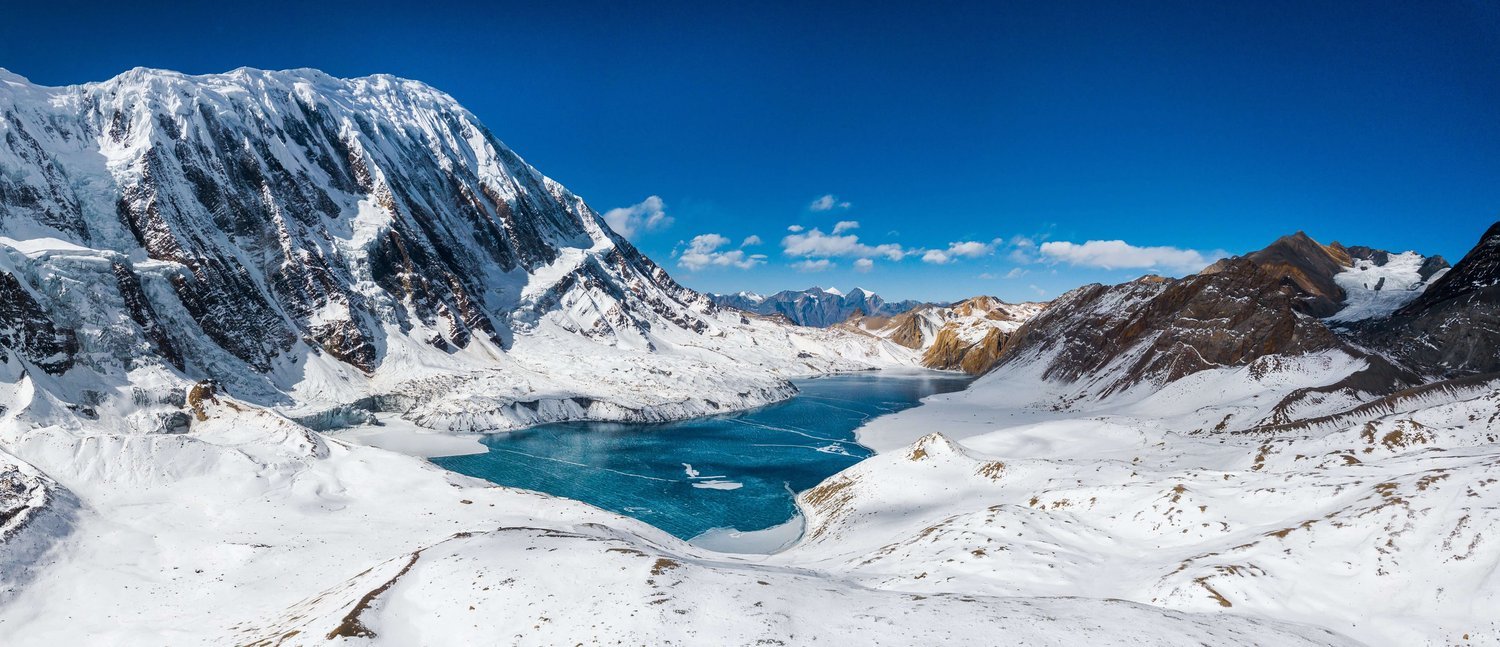
Tilicho Peak 7134M
150 Summits to date. Remote and technical climb
-
![]()
Everest camp 3, 7170M
Familiarise yourself to the Demands of Everest.
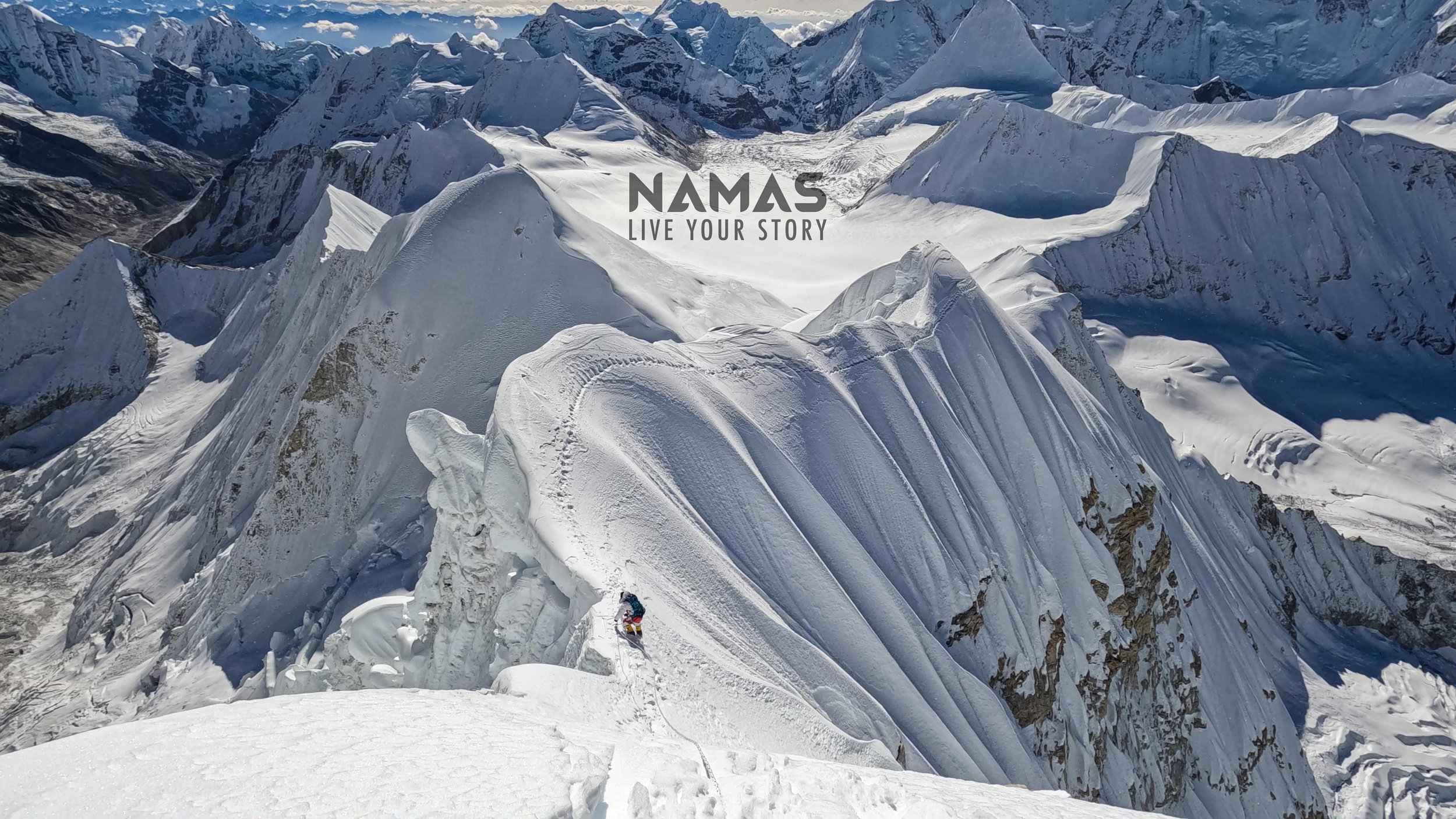

Advanced level
-
![]()
Annapurna iv, 7525m
Prepare for Everest. Remote, Raw and demanding than some of the 8000ers
-
![]()
Frontier series: Api HImal 7132M
For the mavericks. Experience the unknowns and escape the herd.
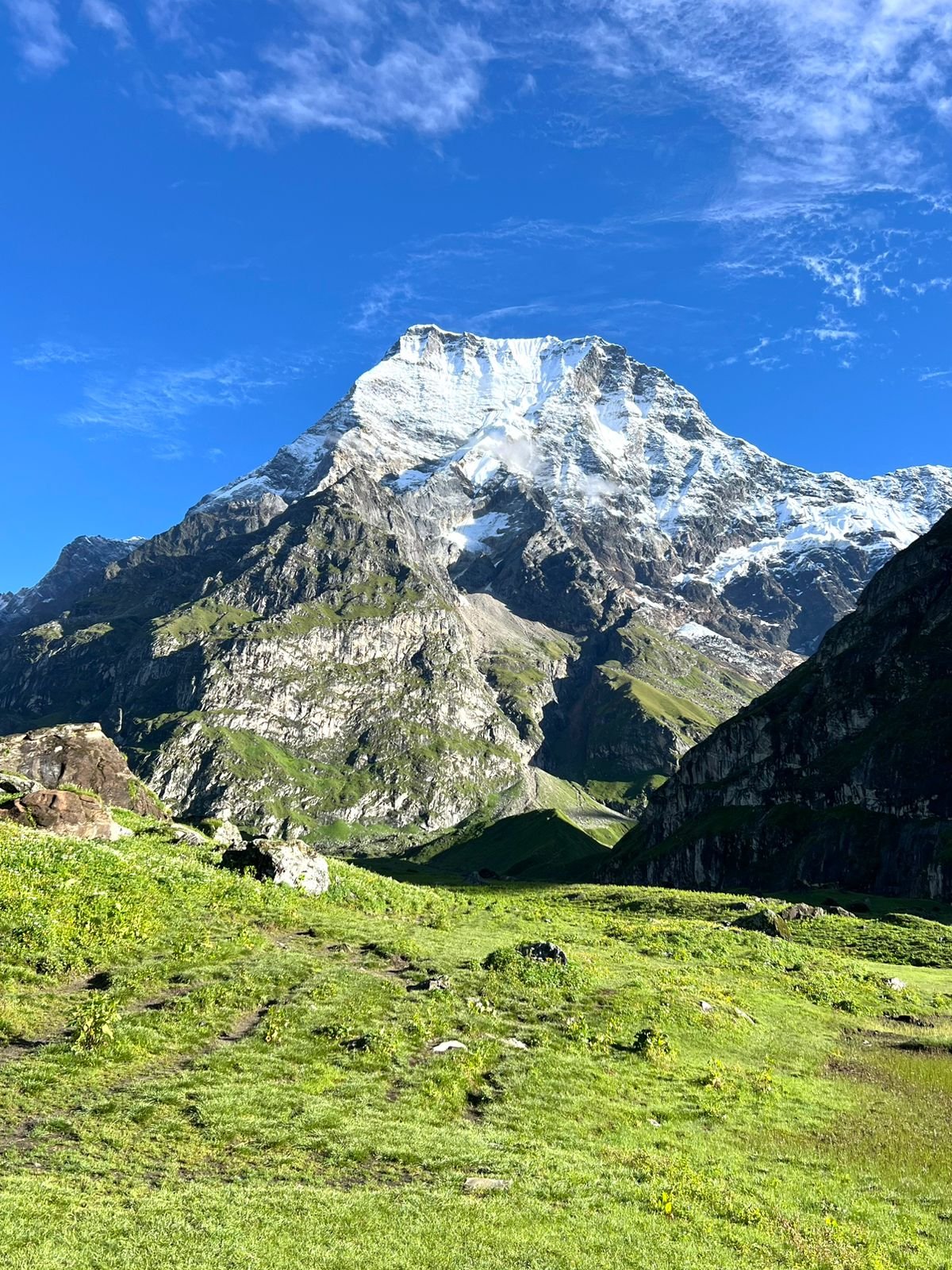
What People Are Saying
“……..Simply a 10/10 experience with amazing people. Thank you NAMAS team for making it happen!”
— Shuhan (2025 Annapurna IV)
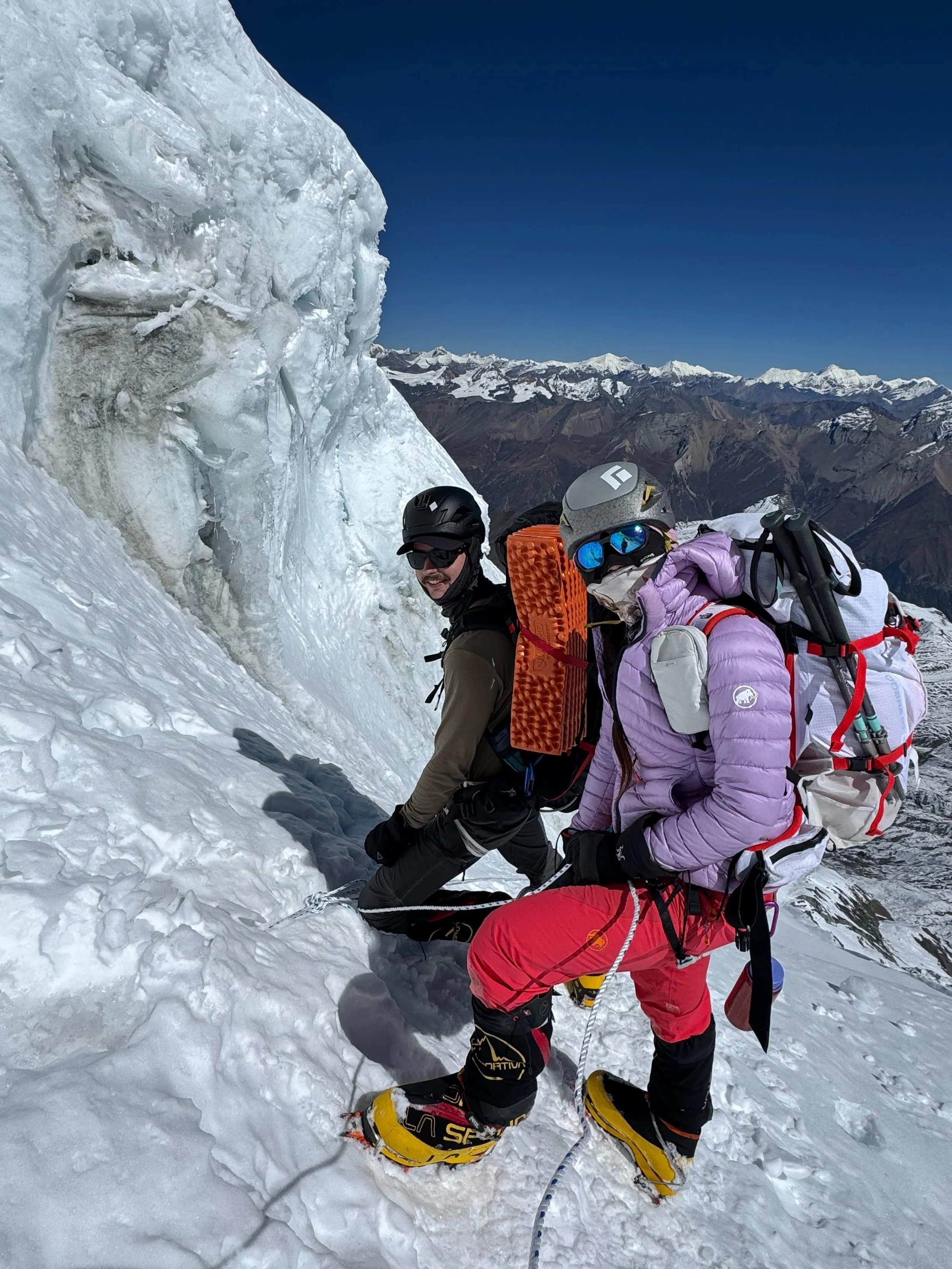
“By far had best setup at base camp and food was great. No shortcuts when it came to climbing safely and had very well experienced sherpas. Definetly recommend climbing with them.”
— Jayden Dux (2025 Annapurna IV)
Frequently Asked Questions
Qualification & Experience
-
Most climbers attempting a 7000m peak should have prior experience on at least one major 6000m expedition. You should be comfortable living at altitude for extended periods, moving efficiently on snow and glaciers, and managing fatigue over multiple weeks. Some entry-level 7000m peaks are suitable for strong, well-prepared climbers transitioning from high 6000m objectives, but this should always be assessed carefully.
-
In most cases, yes. A 6000m expedition provides critical exposure to altitude stress, expedition routines, and mental endurance. While a small number of climbers progress directly to entry-level 7000m peaks, this is only appropriate with exceptional fitness, prior alpine experience such as Alpamayo or Tocllaraju, and proper preparation. At NAMAS, we assess this individually rather than applying blanket rules.
-
Peaks such as Himlung Himal, Lenin Peak, and Spantik are commonly chosen for first-time 7000m climbers. These mountains focus more on altitude adaptation and endurance than sustained technical difficulty. That said, “best” depends on your background, timeline, and long-term goals—especially if Everest or 8000m peaks are in your future.
-
Annapurna IV 7525M is the best option at 7000M level to prepare for Everest. Annapurna 4 expedition is tougher than the lower 8000ers such as Manaslu 8163M or Cho Oyu 8201M.
-
Most 7000m peaks are climbed without supplemental oxygen. This allows climbers to develop true altitude competence and provides a more honest assessment of readiness for higher objectives. Oxygen may be considered in exceptional circumstances, but it is not standard practice on NAMAS 7000m expeditions.
-
One key info that all climbers interested in any commercial expedition should know that climbs are done with the support of fixed line.
Requirements vary by peak. Entry-level 7000m climbs typically involve glacier travel, crampon use, and basic fixed-line movement. Intermediate and advanced peaks introduce sustained steep snow or ice, rope management, and complex terrain. We clearly communicate technical expectations for each expedition so climbers know exactly what they are preparing for.
-
7000m peaks represent a major step up from 6000m climbs due to prolonged exposure to extreme altitude and longer summit pushes. While they are generally less dangerous than 8000m peaks, they demand significantly more physical resilience, discipline, and judgment. Many climbers underestimate how much harder the final 1,000 meters truly are, the tolls it takes on your body and mind. 7000M are much more taxing on the body physically and mentally compared to 6000M peaks with Ama Dablam being the exception.
-
All high-altitude mountaineering carries risk. On 7000m peaks, the primary dangers are altitude illness, weather exposure, fatigue-related decision errors, and objective hazards such as avalanches or crevasses.
Dangerous levels on each peak varies so asking the dangers about the particular peak is highly recommended as there is no one general answer for all the 7000M expedition NAMAS operates on. For instance Himlung Himal and Putha Hiunchuli have very less objective dangers and peaks such as Pumori fall into the category on high objective danger. So, this varies peak by peak.
Also, proper acclimatization is a must, conservative decision-making, and experienced leadership significantly reduce—but never eliminate—these risks.
-
The most common reasons are inadequate acclimatization, poor pacing, sickness, unexpected high altitude sickness, underestimating recovery needs, and attempting peaks that exceed one’s current ability.
Mental fatigue and summit-day decision-making are also critical factors. Success at 7000m is rarely about raw strength—it is about discipline and patience.
-
Acclimatization is one of the pillars or foundation of success at any expeditions above 4000M. Without proper acclimatization, strength and motivation become irrelevant. NAMAS itineraries prioritize conservative ascent profiles, rotation days, and rest periods to allow the body to adapt properly. Rushing acclimatization is one of the most common and dangerous mistakes in high-altitude climbing.
YES, we offer express programs but this is a specialised program, guided by proven specialised experts who understand the demands of the per-acclimatisation. DIY is highly not recommended.
-
1:1 Sherpa guide support during summit bid. Our expeditions are supported by experienced, professional Sherpa climbers, often with multiple 8000m and Everest experience. All 7000M support are on 1:1 ratio, but upon request we can facilitate 2:1 ratio upon clients agreement to cover the additional cosr. We always prioritize safety, efficiency, and proper load management. We avoid overcrowded team structures and maintain clear roles and responsibilities.
-
We take care of all team logistics. Client members do not have to carry their tent, BC or higher.
In most cases, high camps are established with Sherpa support while climbers are responsible to carry their own personal gear, unless they hire a high altitude porter Sherpa/assistant guide.
This balanced approach builds self-reliance without unnecessary risk or exhaustion.
-
Safety is managed through planning, not reaction. We use conservative weather criteria, clear turnaround times, and established evacuation protocols. All expeditions are coordinated with local rescue services, and our leadership teams are trained to make early, decisive calls rather than last-minute heroics.
Difficulty, Risk, Support & Logistics
-
The right peak depends on your experience, technical skills, physical capacity, and long-term objectives. A peak that is “possible” is not always the peak that is “useful” for your progression.
This is why we do/recommend a personalized assessment before committing.
-
Neither metric should be viewed in isolation.
A high success rate does not mean a peak is appropriate for everyone, and technical difficulty alone does not define progression value. The goal is alignment—not statistics.
Your motivation and aspiration plays a key role.
-
Choosing the wrong peak can result in unnecessary risk, poor experience, or stalled progression.
This is why NAMAS emphasizes consultation and honest feedback before confirming an expedition. We will recommend objectives that suits you once we have completed the assessment.
The right decision upfront saves years later.
-
Our pricing reflects logistics, permits, team size, Sherpa support, safety systems, and operational standards.
Cheaper expeditions often cut costs in areas that directly impact safety and success.
At NAMAS, pricing is built around premium services, responsible operations—not minimum cost.
-
Costs typically include permits, logistics, base camp services, Sherpa support, group equipment, and expedition leadership.
Specific inclusions vary by peak and are clearly outlined on the pdf we send you during the planning phase so there are no surprises.
-
Our team email you the full expedition details and we review your experience, goals, and timeline, then recommend the most appropriate 7000m objective—or suggest preparation steps if needed. This is a consultative process, not a sales push.
-
No. Submitting a request simply starts a conversation. There is no obligation, and we often advise climbers to wait or prepare further before committing.
-
Most climbers secure their place 6–12 months in advance, especially for popular peaks and optimal seasons. Early planning also allows time for proper training and preparation.
-
Personal expenses may include international flights, personal climbing gear, insurance, tips, and training costs.
We provide a clear budgeting guide so climbers can plan realistically.
Choosing 7000m, Cost, Application & Next step
Training, Duration, Differentiation & Philosophy
-
7000M expeditions demand higher level of fitness level. You should be capable of sustained multi-hour movement at altitude while carrying a pack, day after day. Cardiovascular endurance, muscular endurance, and recovery ability matter more than raw strength.
If you struggle with long ascents at lower altitude, a 7000m peak will magnify those weaknesses.
-
Once you confirm your expedition with us, we provide a specialised 16-week training program designed specifically for 7000m expeditions. This program is developed in collaboration with our training centre partners in London, ensuring a structured, professional approach to your preparation.
Your training should focus on aerobic capacity, uphill endurance, leg strength, and core stability. Long hikes with elevation gain, stair climbing, structured strength training, and back-to-back training days are essential. We also recommend practicing movement with crampons and a pack when possible.
-
Most climbers benefit from 6–12 months of focused preparation, depending on their starting point.
Preparation includes physical training, technical refreshers, gear testing, and altitude exposure where possible. Rushing preparation almost always leads to compromised performance on the mountain.
-
Most 7000m expeditions last 21–30 days, depending on the peak, access logistics, and acclimatization schedule. This timeframe allows for proper rotations, rest days, and weather flexibility.
-
Duration is influenced by remoteness, approach length, technical complexity, and acclimatization requirements.
Remote or technical peaks often require longer timelines to manage weather windows and safe movement through complex terrain.
-
You should assume that weather will disrupt plans. Buffer days are already built into your program.
Apart from this, a flexible and patient mindset is just as important as physical readiness when operating at this altitude.
-
This varies peak by peak.
At famous peaks such as Himlung Himal, Lenin and Baruntse, we have a max of 8 client members.
And remote and less explored peaks like Putha Hiunchuli, Tilicho Peak, Annapurna IV, Api Himal, Spantik we accept upto 12 max climbing members.
-
We prioritize progression, preparation, team size - dynamics and judgment over volume and marketing claims. Our teams are small, our leadership is experienced, and our decisions are conservative.
We measure success by how climbers perform long-term or come back home safely—not by single summits.
-
This is a questions we ask our clients. Summit fever is real and we have experienced it multiple times but life is precious.
We are willing to take the heat for safety rather than just boast summit which leads to unnecessary accidents or even death.
Start Your 7000m Journey
A 7000m expedition is not something you buy. It is a decision that shapes how you progress in the mountains—physically, mentally, and technically.
At this altitude, preparation matters more than ambition. The right peak, the right season, and the right approach will define whether your experience becomes a meaningful step forward or an unnecessary setback.
If you are serious about climbing higher—and doing it the right way—it starts with a conversation, not a booking form.
When you request your personalized 7000m expedition plan, we take the time to understand:
your previous high-altitude experience
your technical background and fitness level
your long-term objectives, including Everest or future 8000m peaks
your timeline, availability, and readiness
Based on this, we recommend the 7000m peak that actually makes sense for you, not the one that is easiest to sell.
There is no obligation. No pressure. Just honest guidance from professionals who care about your long-term journey in the mountains.
Takes 60–90 seconds. We respond within 24–48 hours.
BLOG POSTS