

Best Gear For A 7000m Expedition
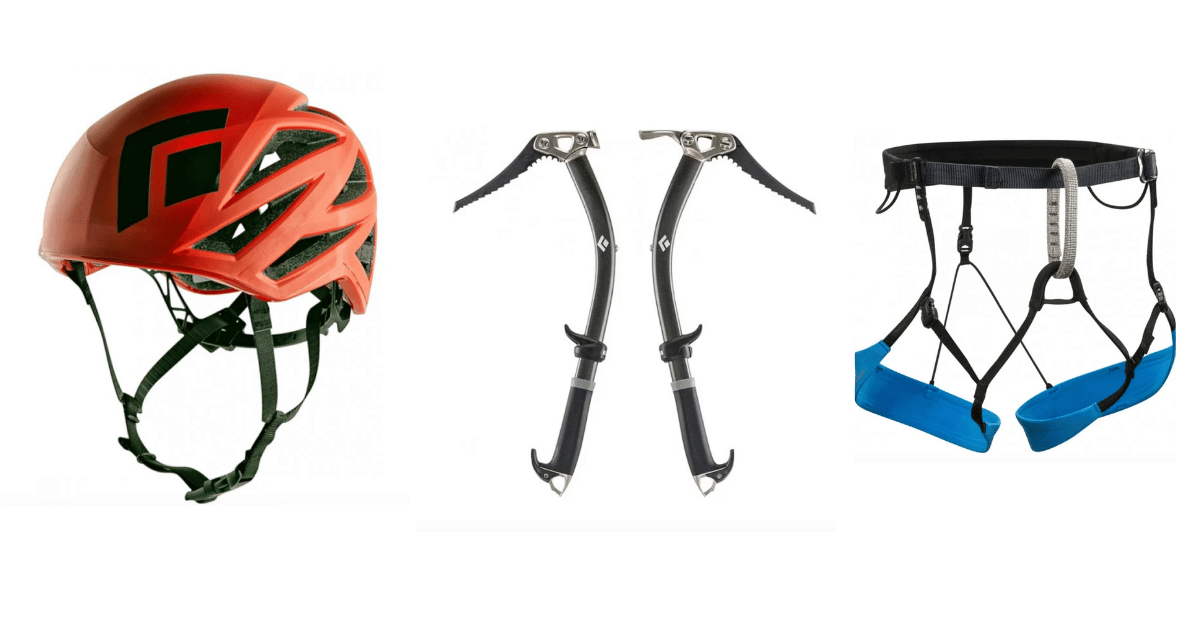
In high-altitude adventures like 7000 m expeditions, choosing the right gear is a matter of survival rather than preference. At this altitude, climbers face challenges like cold, strong winds, heavy snow, icy surfaces, low oxygen levels, and extreme weather that changes very fast. And the reliability and performance of your gears and equipment matter the most to ensure it helps keep you protected from extreme weather and high-altitude situations.
And the best gear for high-altitude expeditions like 7000 m is not always the priciest or lightest one. The best gear and equipment are the ones that are suitable for the route, weather, season, and comfort they provide to the climbers for overall performance. From technical climbing gear and high-altitude clothing to sleeping gear, safety gear, backpacks, and electronics, every piece of gear and equipment should have a clear purpose.
Along with gear, the climber must also have expertise to use gear and equipment appropriately and test them beforehand to ensure proper fitting and comfort. This blog provides a detailed guide about the best gear and equipment for 7000m expeditions that includes expedition gear, clothing, backpacks, sleeping systems, and electronics. The gear and equipment checklist for the 7000 m expedition, common mistakes to avoid, and ways to choose the best gear for an expedition are also provided.
Essential Climbing Gear For A 7000m Expedition
For the 7000 m expedition, technical climbing gear is critically important to navigate steep snowy and rocky terrain, glaciers, fixed ropes, and environments with harsh altitudes. Also, bringing equipment and gear suitable for specific peaks or seasons matters, as terrain and weather conditions vary according to peak or time of the year. Climbers preparing for 7000 m must bring suitable high-altitude gear, a layering system, sleeping gear, the right backpack and storage, safety and emergency equipment, and gear like trekking poles.
High-Altitude Clothing and Layering System
During expeditions to 7000 m peaks like Annapurna IV (7,525 m), Lenin Peak (7,134 m), Tilicho Peak (7,134m), Himlung Himal (7,126 m), and others, high-altitude clothing and a layering system are key to staying warm and ensuring maximum comfort. The clothing system must be able to deal with the cold and extreme weather from base camp to the summit of the peaks. The practical clothing layers involve a base layer for moisture management, insulating mid-layers for insulation, and an outer layer for protecting from severe weather.
| Clothing Gear | Type | General Requirement for 7000m |
|---|---|---|
| Base Layer | Merino wool or synthetic thermal layers | Moisture-wicking and quick-drying with 150 to 250 GSM |
| Mid Layer | Fleece jackets, insulated jackets, breathable softshell climbing trousers | Lightweight to medium-weight, breathable, and quick-drying |
| Down Jacket | Expedition down parkas such as The North Face Himalayan Down Parka, Rab Positron Pro, and Mountain Hardwear Phantom Down Parka. | 700 to 900 fill power, insulation for extreme cold |
| Hardshell Jacket | Waterproof and windproof shells such as Arc'teryx Alpha SV, Patagonia Triolet, Rab Latok Mountain GTX | Minimum 20,000 mm waterproof protection with the requirement of 28,000 mm. Minimum 20,000 g/m²/24h Moisture Vapor Transmission Rate (MVTR) with a 3-layer system bonds the outer fabric, membrane, and inner backer |
| Insulated Trousers | Packable down pants with synthetic insulated pants with Full-Length Side Zips, Reinforced Cuffs, and box-wall construction (for down) | High-loft insulation suitable for severe cold and wind |
| Expedition Down Suit | One-piece insulated suits such as the Rab Expedition 8000 Suit, the Mountain Hardwear Absolute Zero Suit, and The Ultimate Summit Suit | 800 to 900 or higher fill power goose down with a windproof rating of an absolute 0 CFM. |
| Gloves | Insulated mountaineering gloves with windproofing and weather resistance features | Insulated, windproof, and waterproof outer protection |
| Socks | Merino wool / synthetic | Heavyweight thermal construction and moisture-wicking |
| Glacier Sunglasses | Category 4 glacier glasses | Category 4, 100% UV protection |
| Snow Goggles | High-altitude goggles | Category 4 high UV protection with strong anti-fog double lenses and a snug seal |
| Balaclava | Thermal, breathable, and wind-resistant | Full head and face coverage with thermal and wind protection. |
| Boots | High-altitude double or triple mountaineering boots | Double- or triple-boot with B3 rigidity and temperature-rated for -30°C to -40°C |
Sleeping Equipment for Extreme Altitude
For high-altitude expeditions above 7000 m, climbers are exposed to severe cold and freezing temperatures. And for protection from such temperature conditions, a suitable expedition sleeping bag, sleeping bag liner, sleeping mat, pillow, and tent rated for a 7000 m+ expedition are a must.
| Sleeping Gear | Type | General Requirement / Rating for 7000m |
|---|---|---|
| Sleeping Bag | Down or synthetic expedition bags such as the Rab Expedition 1000 or 1200, North Face Inferno, Mountain Equipment Redline, and Mountain Hardwear Phantom Windstopper | Comfort rating between -30°C and -40°, high fill-power goose down (800 to 900 fill) with Responsible Down Standard (RDS) certification. |
| Sleeping Bag Liner | Thermal fleece or Reactor-style sleeping bag liner | High-grade liner rated to add 8°C to 15°C of extra warmth |
| Sleeping Mat | Insulated or closed-cell foam mat | ASTM R-value of 5.0 to 7 |
| Expedition Tent | Four-season expedition tent with Dual-Wall Construction, Full-Coverage Flysheet, and high-strength poles | 4-season geodesic or semi-geodesic double wall with the ability to handle high-speed wind, low temperature, and snow. |
| Pillow | Ultralight and packable hybrid or inflatable pillow | Lightweight, compact, and comfortable |
Choosing the Right Backpack and Storage Bags
A backpack or storage bag must handle your weight while also providing comfort and durability for a demanding route. During the 7000 m expedition, you require expedition backpacks, summit or day packs, and duffel bags that have specific uses and purposes.
Expedition backpack: Climbers are required to bring expedition backpacks of 60 to 80 litres depending upon the trip logistics and requirements to carry personal equipment.
Summit or day pack: Summit or day packs are smaller packs used for climbing in the higher camps to carry essential gear and equipment.
Duffel bag: Duffel bags are used for moving gear between locations, especially when you have porters or other expedition staff helping.
When choosing a backpack or storage backpack for a 7000 m expedition, you must ensure that the backpack comes with the following:
A comfortable hip belt
An adjustable suspension system
Load-bearing capacity
Durable materials and fabrics
Ice axe attachment points
Crampon storage points
Quick access to compartments
Water-resistant design
It is important to consider that having a bigger backpack doesn’t mean you should use every space. At high altitude, extra, unnecessary weight turns into more physical strain, so it is important to pack smartly.
Safety and Emergency Equipment
Safety equipment should always be easily accessible during an extreme mountaineering adventure. Depending on the expedition, personal and team safety gear might cover things like
First aid kit
Personal medication
Emergency bivy or blanket
Headlamp
Spare batteries
Whistle
Multi-tool
Sunscreen
High SPF lip balm
Water bottles
Water purification system
Repair kit
Power bank
Satellite communication device
For glaciers and technical climbing routes, extra team items can include ropes, ice screws, snow anchors, pulleys, and rescue systems.
Trekking Poles
Trekking poles can help with stability while also reducing strain during long approaches. They’re especially helpful on uneven trails, scree areas, and even moderate snow terrain where you’re not sure what the status of the ground is. Some of the common poles required for an expedition include the following:
Aluminum poles: Solid build quality and budget-friendly
Carbon-fibre poles: Light and stiff poles are more prone to impact damage.
Telescopic poles: Easy-to-adjust and flexible pole for different slopes.
Folding poles: Compact and lightweight pole
7000m Expedition Gear Packing Checklist
The checklist for 7000 m expedition gear packing is provided below:
| Category | Equipment |
|---|---|
| Technical Climbing Gear |
• High-altitude mountaineering boots • Crampons (C2/C3) • Mountaineering ice axe • Harness • Helmet • Carabiners • Ascender • Descender/belay device • Prusik loops • Slings • Ice screws/protection equipment if required |
| Clothing |
• Base layers • Fleece/mid-layers • Insulated/down jacket • Waterproof shell jacket • Waterproof shell trousers • Insulated trousers • Expedition downsuit if required • Liner gloves • Insulated gloves • Expedition mittens • Warm socks • Balaclava • Beanie • Glacier sunglasses • Snow goggles • Neck gaiter |
| Sleeping and Camp Equipment |
• Expedition sleeping bag • Insulated sleeping mat • Four-season tent if required • Sleeping bag liner • Dry bags • Compact pillow |
| Safety and Personal Equipment |
• First aid kit • Personal medication • Emergency bivy or blanket • Headlamp • Spare batteries • Whistle • Multi-tool • Sunscreen • High SPF lip balm • Water bottles • Water purification system • Repair kit • Power bank • Satellite communication device |
Common Gear Mistakes to Avoid
As gears are critically important for success in expeditions such as 7000 m, climbers must avoid common mistakes while choosing their ideal gear. Some common gear mistakes that climbers must avoid include:
Choosing gears based on price: Gears and equipment must be chosen based on quality, performance, and durability instead of their price. Choosing lower-priced products may lead to performance issues in high altitudes, making climbers exposed to severe weather conditions.
Ignoring temperature ratings: Gears, including sleeping bags, climbing suits, and gloves, must be chosen according to their temperature ratings. Before purchase, it is important to check if it handles the temperature of your climbing destination and season.
Purchase before expedition: One of the common mistakes most beginner climbers make is purchasing new gears just before the expedition. As new gear like boots, suits, and gloves take time to adjust to your body structure, it is important to purchase them in advance and test their performance to get used to them.
Misinterpreting fill power with warmth: Most climbers have a misconception that higher fill power in clothing gear provides warmth, which is not true, as total fill weight and build also influence the warmth of gear.
Ignoring waterproofing: Waterproofing is critically important in high-altitude expeditions to protect belongings, reduce comfort, and maintain insulation.
How to Choose Gear for Your Specific 7000m Peak
There is no specific gear requirement for the 7000 m peak expedition. The requirement of equipment and gear solely depends upon the route, peak, and season of climbing. When choosing the right gear, you must consider the following:
Mountain and route: The mountain and route, such as glaciers, rocky terrain, snow, and ice, determine the need for crampons, ice axes, ropes, and safety gears.
Technical difficulty: Mountains with technical difficulties, such as Annapurna IV, require using technical gear like technical axes, ascenders, ice screws, and specialized harnesses
Season: Seasons such as winter may require heavy down insulation, insulated trousers, warmer boots with a B3 or B2 heavy rating, and a lower temperature-rated sleeping bag for comfort and protection from the cold.
Expected temperatures: Before taking the gear for an expedition, ensure you take the ideal gear according to the expected temperature or weather on the summit. Some important gear may include a sleeping bag, down suit, sleeping mats, and gloves of specific ratings.
Expedition duration: If your expedition duration is lengthy, pack additional base layers, socks, gloves, batteries, and personal supplies or repair equipment depending upon logistical arrangements.
Conclusion
Planning for a 7000 m expedition requires careful consideration in choosing ideal and appropriate gear. The selection of gears and equipment may depend on the mountain, terrain type, and season you are preparing for expeditions in. From boots and crampons to insulated climbing suits, sleeping bags, safety gear, and other devices, it is important to ensure every piece of gear you bring is rated for the temperature and terrain conditions of the mountain you are planning to summit.
If you are planning a 7000m expedition and looking for expert guidance by choosing the right gear and equipment, along with comprehensive expedition support, Namas Adventure can be your trusted expedition partner. With years of experience in high-altitude expeditions, experienced guides and staff, and practical expedition preparation support, Namas Adventure assists climbers in selecting the right gear and equipment for their specific climbing objectives, helping them prepare for a safer and more successful expedition. Also, the equipment rental service by Namas provides you with high-quality gear without requiring you to spend a high budget on purchasing expensive and specific gear.
