

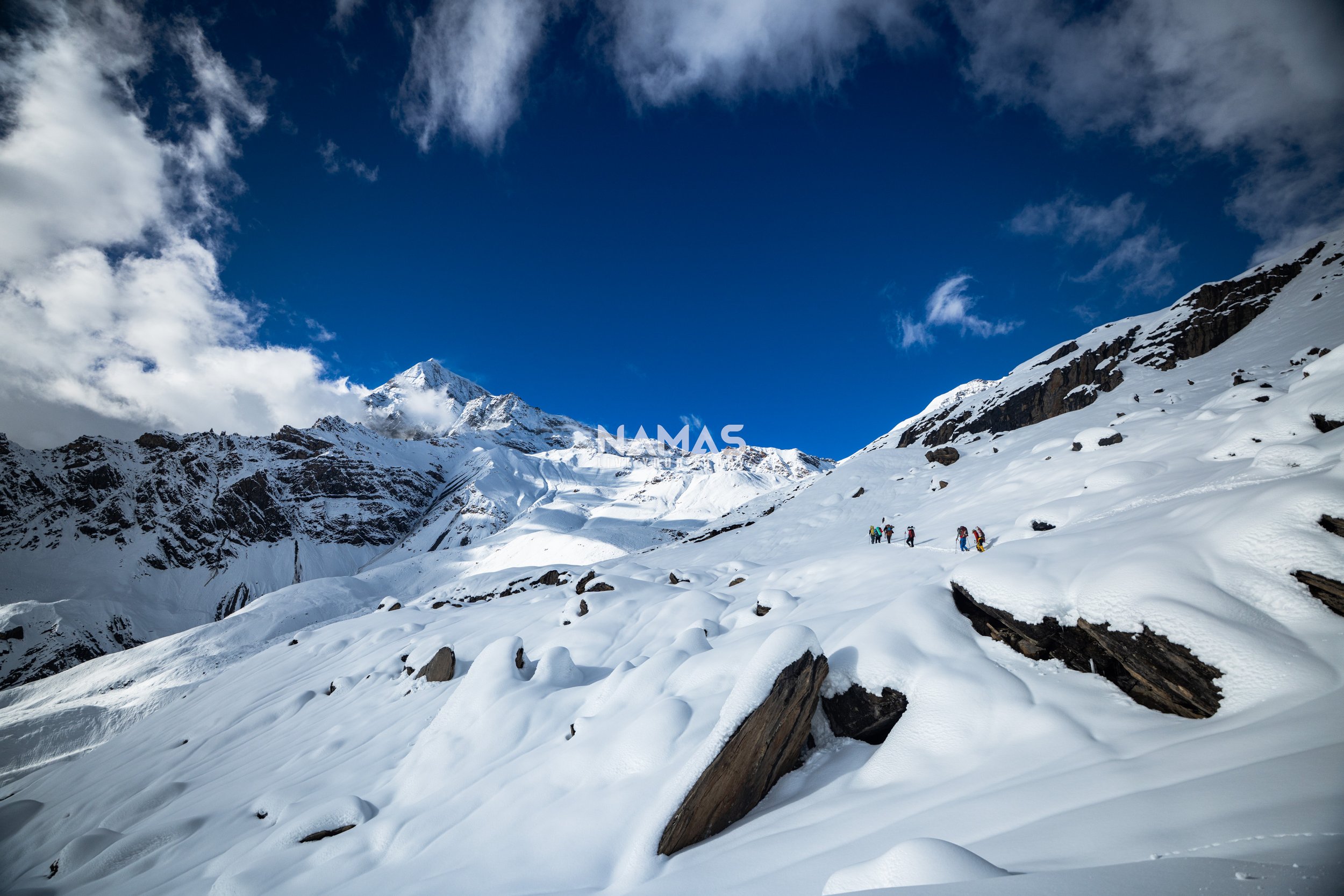
Intro into Mountaineering
Your first steps into Himalayan mountaineering. Three days of technical training. A foundation course in alpine climbing.
Highlights
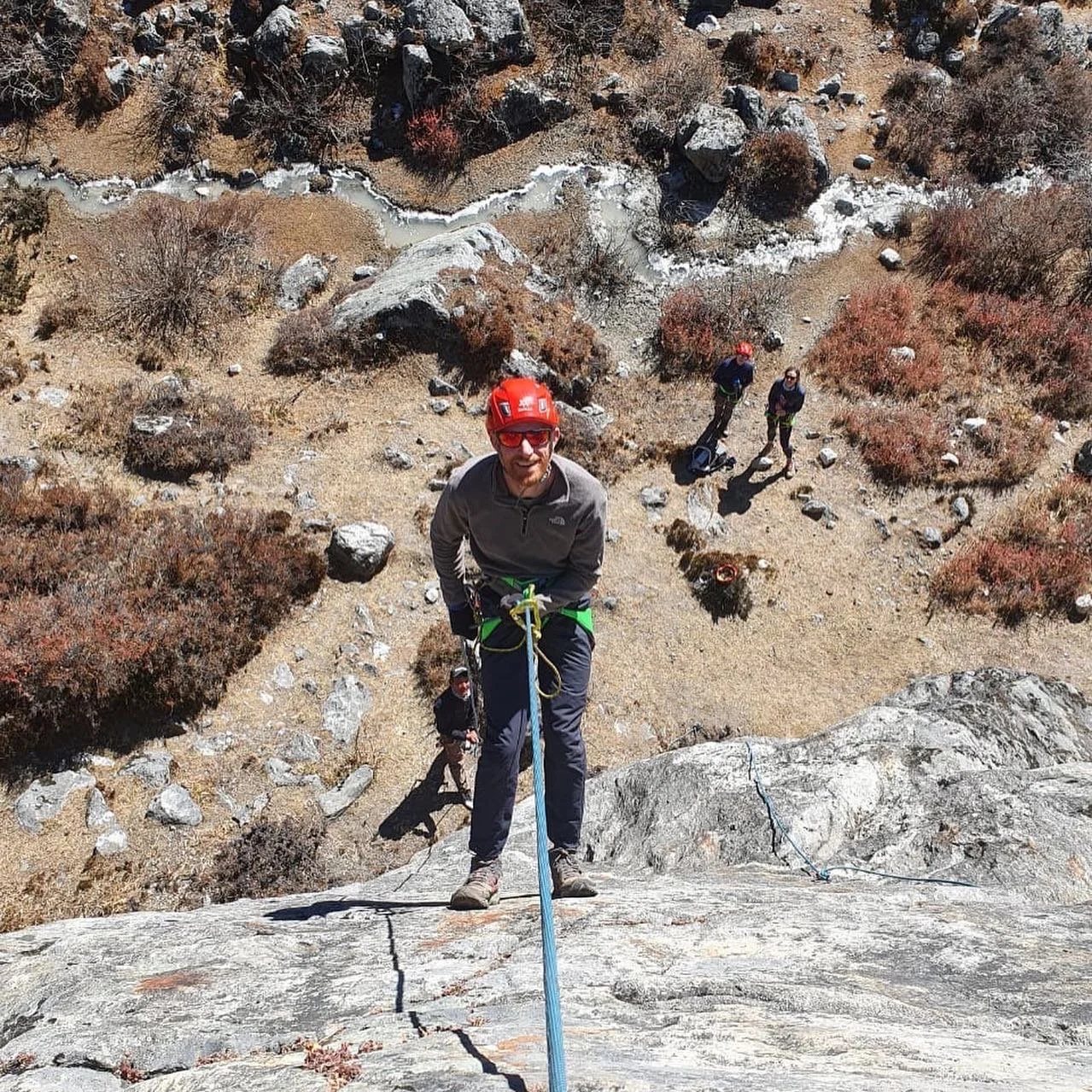
Three days of technical mountaineering training on snow, ice, and mixed terrain in the Manang valley
Alpine gear bundle included for expedition duration and Ice Axe
Small and dedicated team strategy. 3-12 max client members
12 Weeks of training programs for 6000M from Training Peaks
A classic mountaineering course with an IFMGA or NMA mountain guide to learn the techniques of progression on rock, snow, and ice terrains and the related safety systems.
Learning outcomes
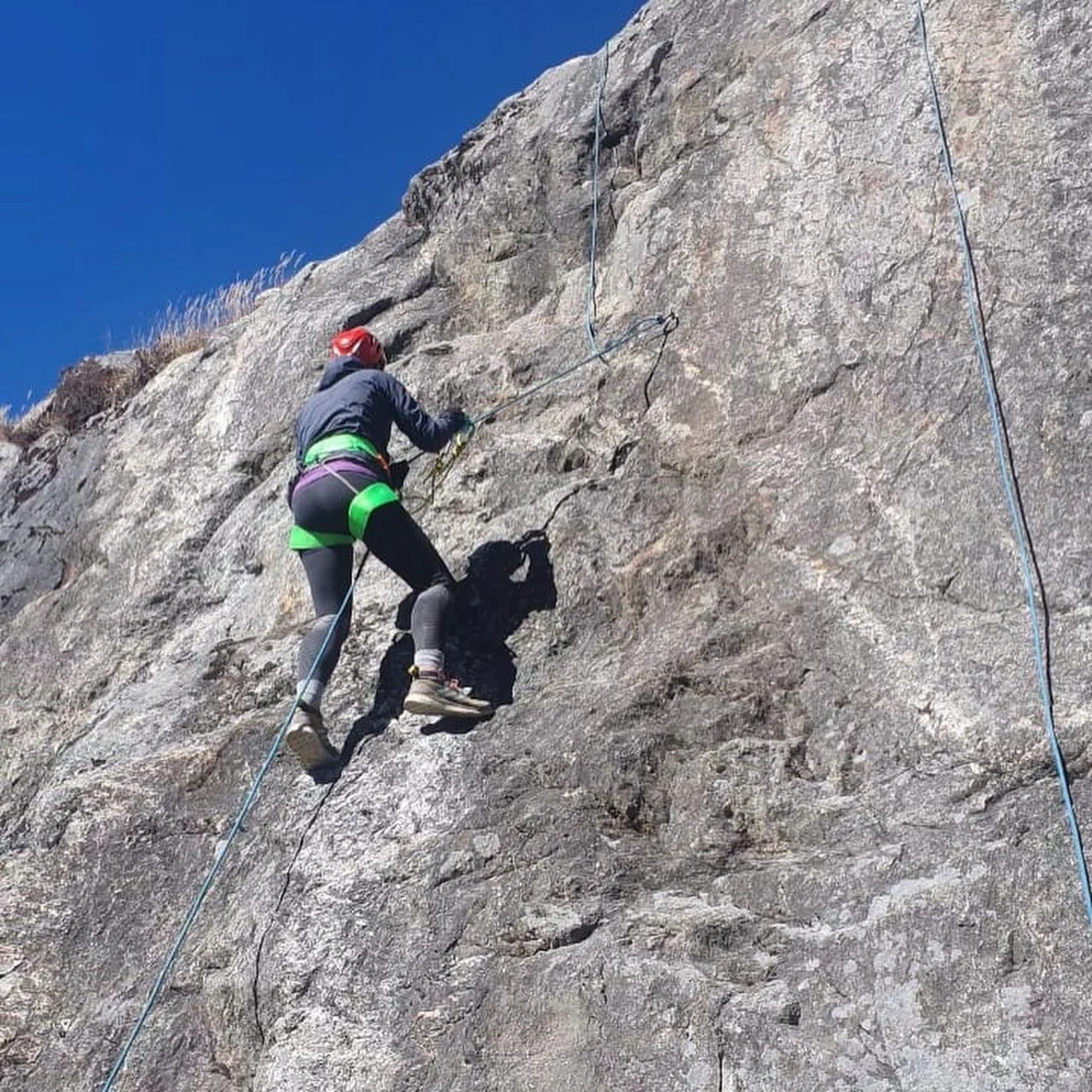
Alpine mixed climbing — movement on rock, snow, and ice terrain
Glacier travel and crampon technique
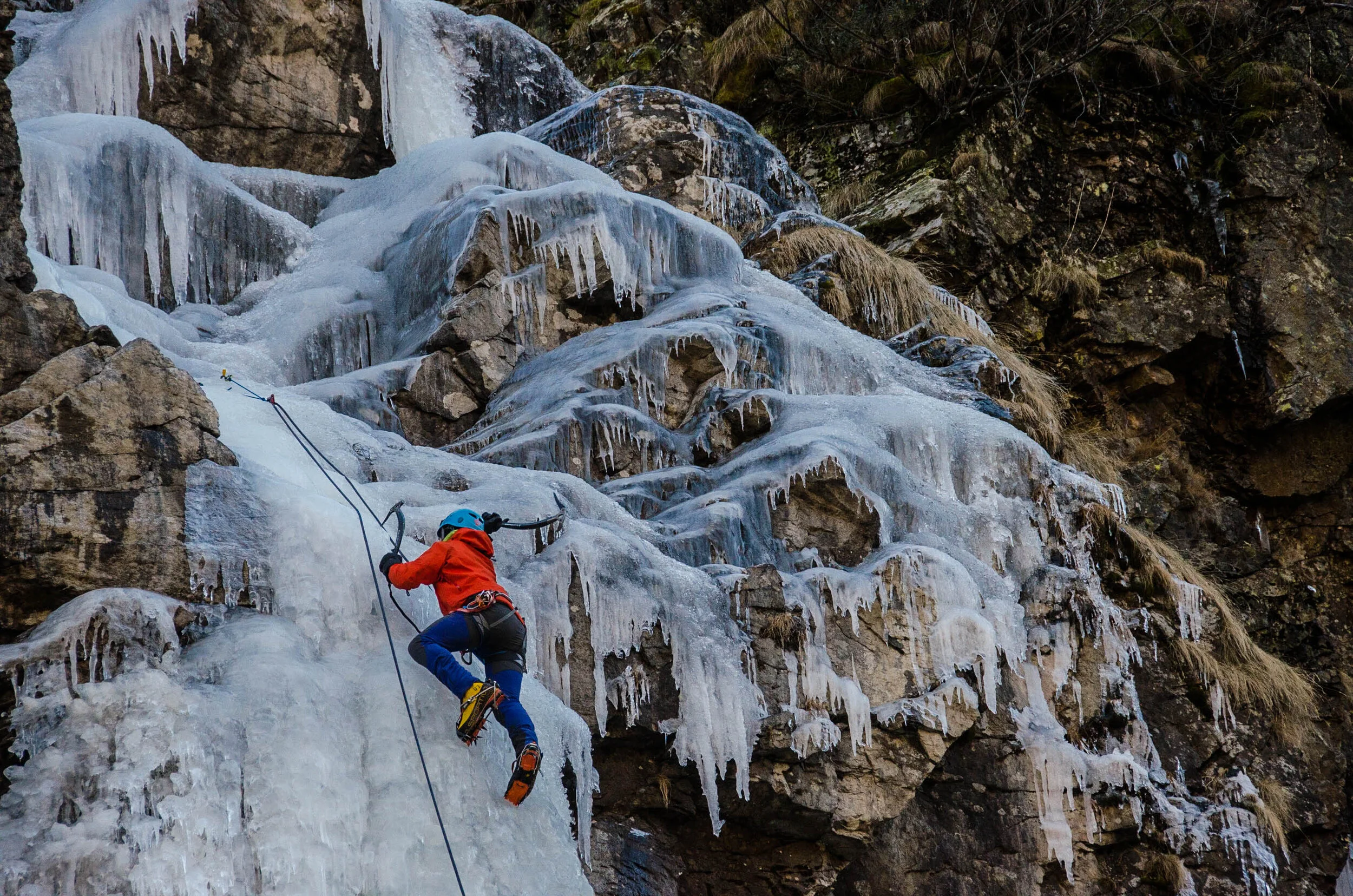
Ice climbing fundamentals
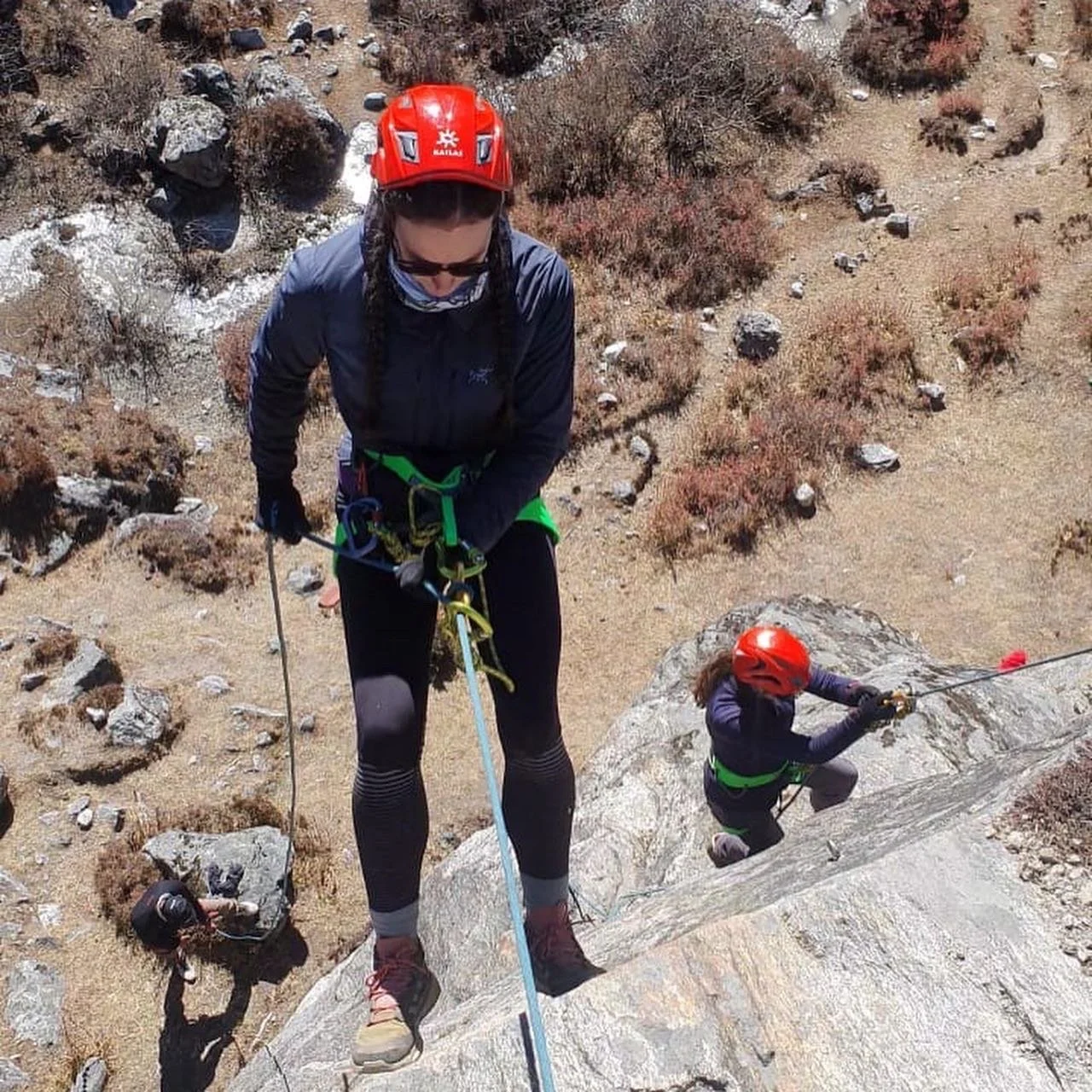
Belay, rappel, and abseil systems
Fixed line climbing and jumar ascent
Multi-pitch climbing technique
Self-arrest and fall arrest (condition dependent)
Knot work, rope management, and anchor construction
Expedition field craft — camp placement, sanitation, and meal preparation
Overview
If you are interested in taking on Himalayan peaks or other mountains around the world but lack the necessary experience, we invite you to join our introductory mountaineering program. This program is specifically designed for novice or beginner climbers, and serves as an excellent starting point for this unique and thrilling activity.
Mountain climbing is a distinct and exciting sport that requires specialized training and equipment. Our team of IFMGA or NMA-certified guides are experts in this field and are equipped to teach you all the basic foundational and technical skills necessary to tackle various types of mountain terrains. With their guidance and support, you will learn how to climb mountains safely and confidently.
Our introductory program covers all the essential topics, including basic mountaineering techniques, ice climbing, rope work, belaying, rappelling, and self-arrest (condition dependent). You will also receive instructions on how to navigate steep slopes, rocky ridges, and rock faces. This comprehensive course will prepare you to take on the challenge of mountain climbing with confidence and skill.
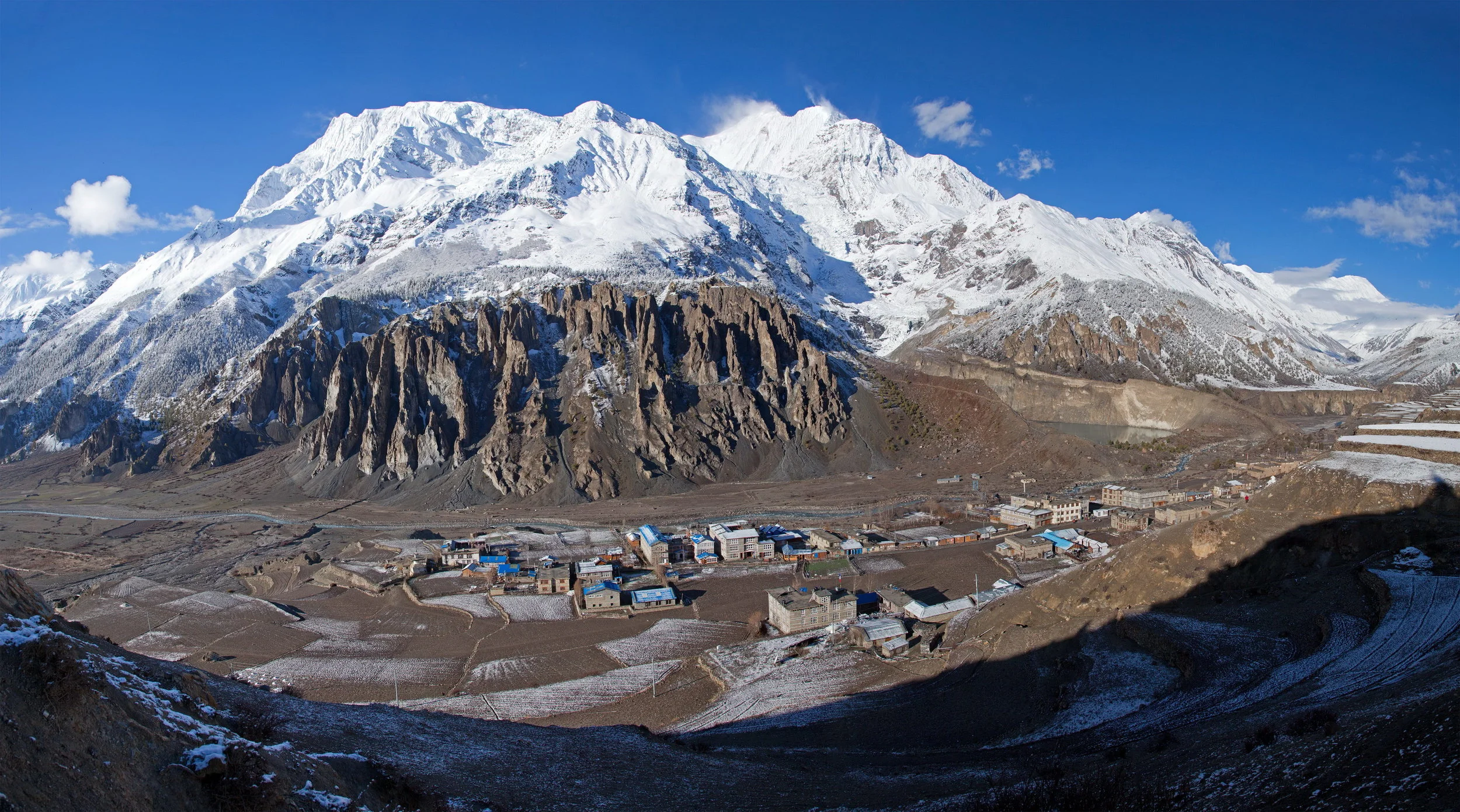
The journey begins with a picturesque trek into the Annapurna Circuit trekking region. The mountaineering course/expedition involves an off-road trail drive into the Annapurna region, which culminates in the charming village of Chame. From there, the group will proceed to Humde village. Enter the stunning landscape of the Manang district where Humde will be our base setup. We will conduct our course here. These foundational skills will be crucial throughout the course, as well as in future mountaineering or alpinism endeavors.
Moreover, participants will learn to navigate slightly exposed mixed terrain ridge sections and steep slopes. This training will enable them to climb on steeper and more vertically exposed terrains. Additionally, our experienced guides will teach participants how to perform a safe self-arrest in case of slipping down the mountain and secure themselves from falling further.
Manang region
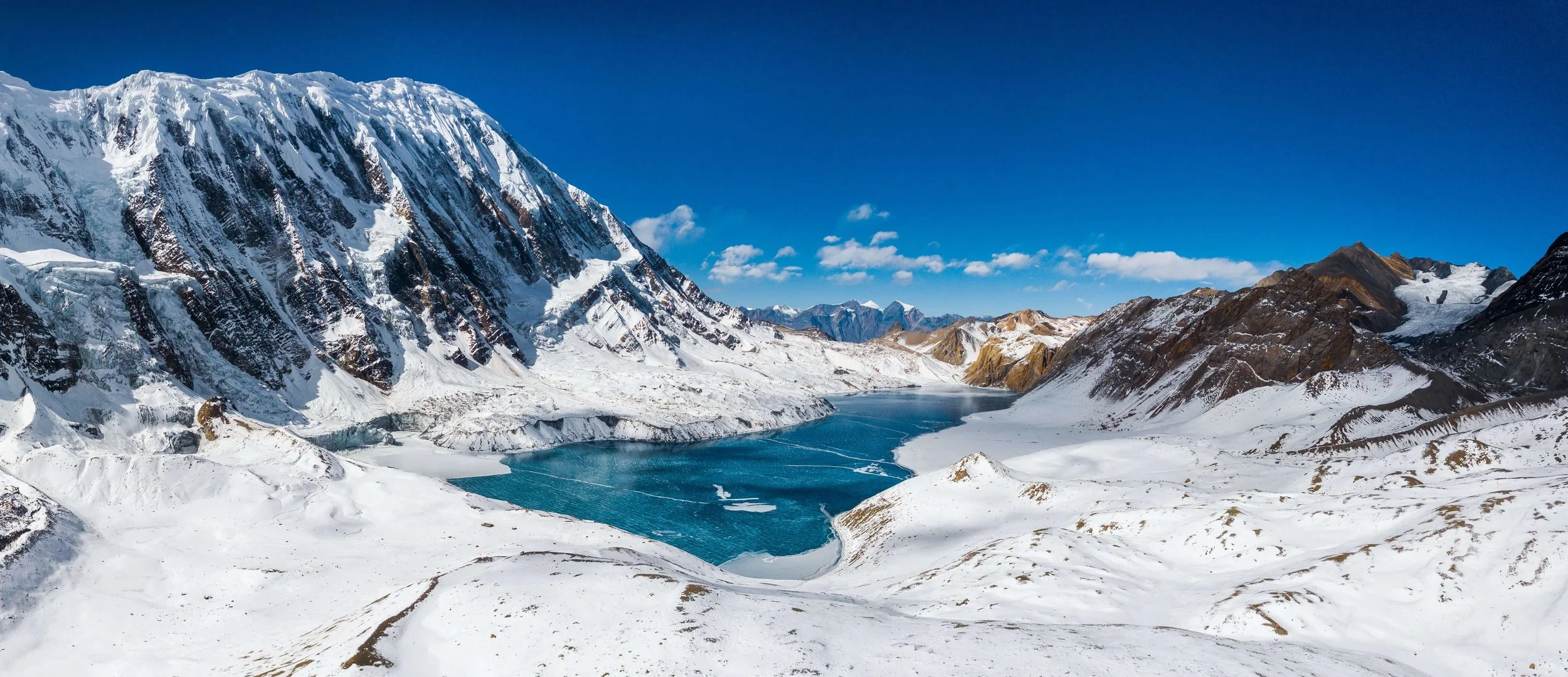
Annapurna’s Manang region is renowned for its awe-inspiring vistas of some of the highest peaks in the Himalayas, such as Manaslu, Gangapurna, Tilicho Peak, and Annapurna 2, 3 and IV. This region is widely regarded as one of Nepal's premier trekking destinations.
Itinerary
Day 1 Arrival and transfer
Day 2 Early morning drive to Besisahar (6 - 8 hours)
Day 3 Drive to Humde (8 hours)
Day 4 — Mountaineering Training · Humde
The first full day on the mountain begins here. Working from the terrain around Humde, the group covers the core technical skills that underpin everything that follows — and everything that comes after this course.
The day opens with a thorough gear familiarisation: harness fit, boot and crampon setup, ice tools, belay device, and jumar. From there, training moves through fixed line climbing, multi-pitch technique, and abseiling, before progressing to traversing on mixed terrain. Self-arrest is covered where conditions allow.
By late afternoon the focus shifts to camp craft — setting up a functional camp, preparing meals, and managing sanitation in the field. These are the skills that keep a team moving safely and efficiently at altitude, long after the technical sections are behind them.
Return to Humde for the night.
Day 5 — Ice Climbing · Humde 3300m/10,920ft
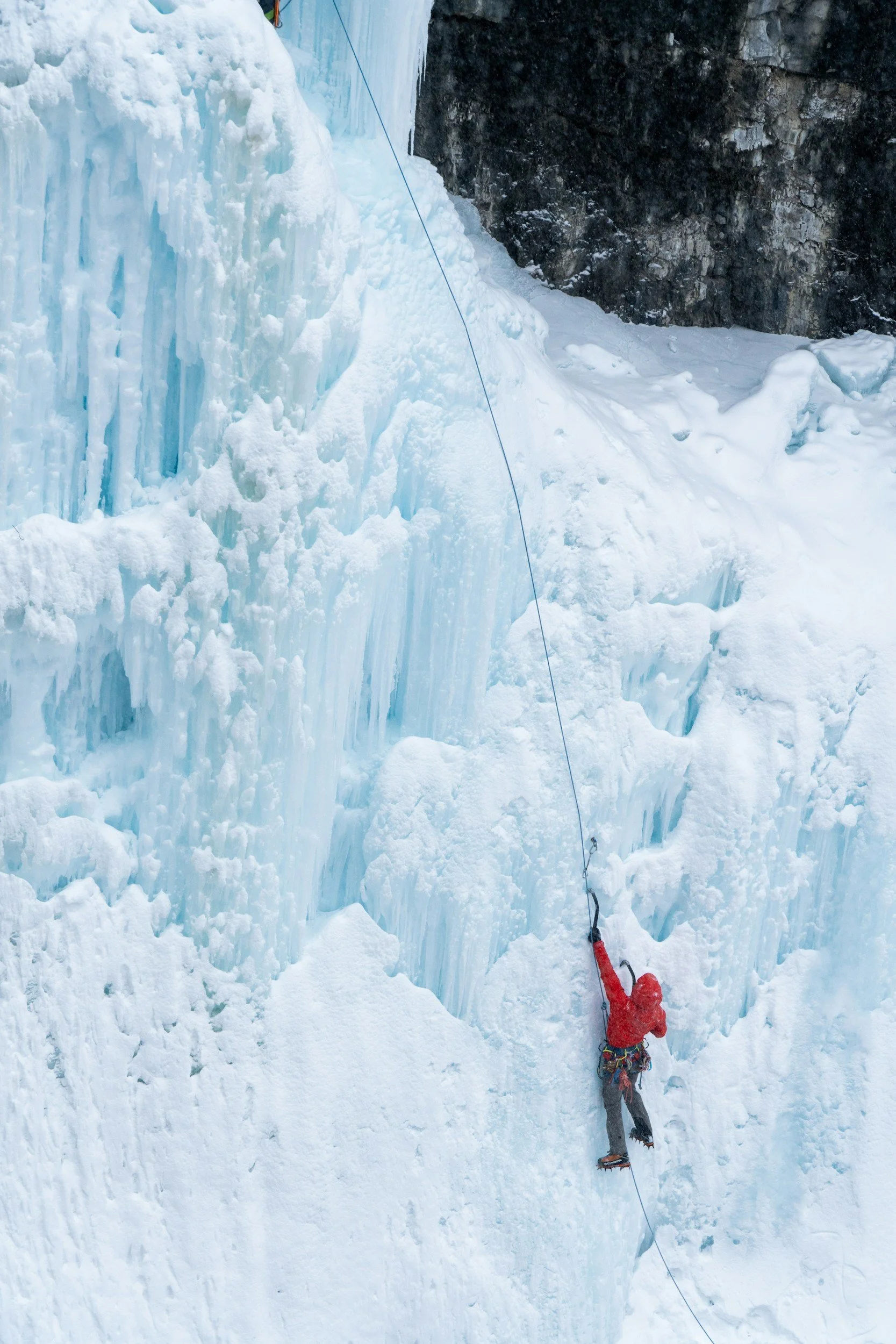
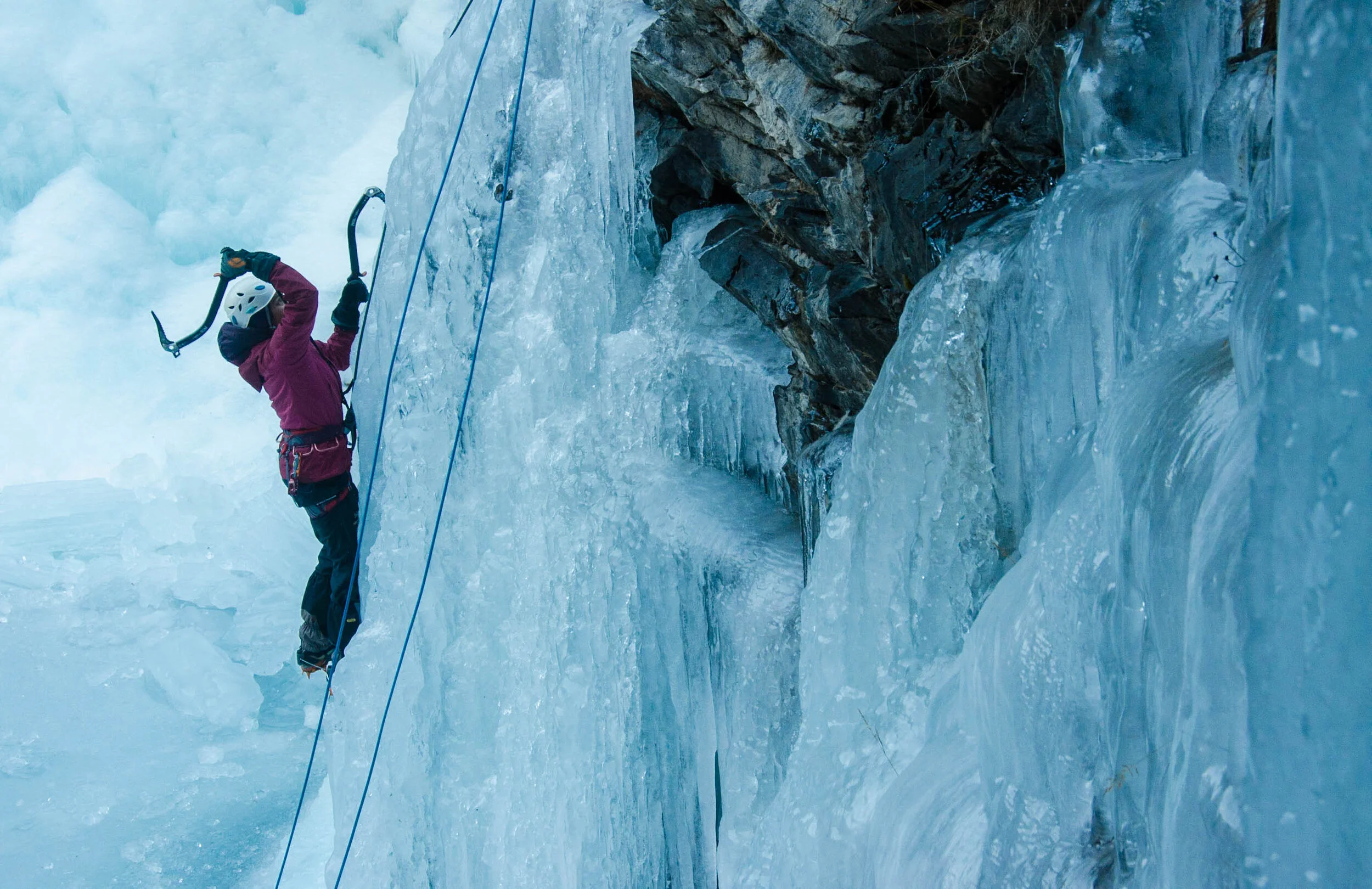
The technical work continues. Today the group moves onto ice — climbing at WI1 to WI3 grade, putting the previous day's foundations into practice on vertical terrain. Front-pointing technique, tool placement, and movement on steep ice are the focus throughout the day.
Camp is set up on the mountain for the night, the first time sleeping in alpine tents at altitude. An early introduction to expedition rhythm — managing warmth, gear, and rest in the field rather than returning to the comfort of the lodge.
Day 6 — Ice Climbing · Return to Humde 3300m/10,920ft
A second day on the ice, consolidating what was built on Day 5. More time on the wall means more confidence — technique begins to settle into muscle memory. By the end of the session, climbers have a working foundation they will draw on directly during the summit push.
Return to Humde by evening.
Day 7 Trek to Manang 3519m/11,545ft
Day 8 Drive to Besisahar
Day 9 Drive to Kathmandu
Day 10 Departure
Expedition Investment
1:3 ratio - USD 3,300 Per person
1:2 or 1:1 ratio - Please inquire for price
Deposit - USD 500 Per person
All-inclusive. Guaranteed departure. No extra hidden costs. Please inquire about prices in your local currency. We accept payment in £GBP/ €EUROS/ $AUD

-
2027
7th - 16th February
Dates not matching your schedule? (January - February) Book a tailored private climb.
Note - You can request your own travel dates. Minimum 4 bookings required. Guaranteed departure. Guaranteed departure.
-
IFMGA or NMA certified Guide leader
Namas Branded merchandise (Down Jacket, Cap, Buff)
Alpine bundle
Ice axe
1:3 Guide ratio
20 kg per person
1 night before the expedition and 1 day after the expedition. Hotel in Kathmandu. 4 Star single room (Should clients return early from their expedition, clients will be responsible for their extra Kathmandu hotel bookings)
All trekking permits
All internal local transportation to and from the trekking trail head
Breakfast, Lunch and Dinner on trek and expedition days.
Lodge accommodation during the trek
Arrival, pick up, and departure
Basic First Aid Kit
Welcome/Farewell Leave Dinner
-
Visas and travel insurance
Summit Bonus Tip (Group tip - $300 USD P/P) (Private - USD 600 P/P)
Entertainment and food (Kathmandu )
Bottled drinks and beverages
Evacuation (will be done in your account)
Single supplement Charges (for private course)
Laundry, Phone services, Personal expenditure transactions
Optional trips
Tea breaks, chocolates or other snacks and any meals beside breakfast, lunch and dinner.
Delay and cancellation because of natural phenomenon
International flights to Kathmandu
-
Amelia And Tom 🇬🇧
Introduction to Mountaineering - Level 1
⭐️⭐️⭐️⭐️⭐️
Looking for some mountain experience with a little extra support - Namas offered us a unique trip featuring 3 days of introductory mountaineering training. Pega and Pemba were fantastic the whole time, genuinely invested in our learning experience from the early days in the trip, answering endless questions and patiently explaining technical and safety information. We were SO well looked after by both them and our team of porters over the 10 days, managing variable mountain conditions and adapting the trip to our preferences. We had a great time and wouldn't hesitate to recommend Namas to anyone looking to book a trip to Nepal for either the first time or a return venture.
-
5 Star hotel: + USD 150
2 nights Retreat stay with transfers: USD 750
HOW DOES IT WORK?
1. Initial Inquiry and Planning
At NAMAS Adventure, we start by understanding your aspirations and goals. From your first conversation with our expert team, we provide personalized recommendation tailored to your interests. Once the perfect expedition is identified, a deposit secures your spot. We then work closely with you to plan and prepare every detail—from gear selection and training advice to arranging insurance, permits, and logistics.
2. Preparing for the Journey
As your expedition date approaches, we’ll help you finalize all preparations. This includes collecting the final balance payment (typically due 60-90 days before your trip), ensuring all necessary documents are in order, and addressing any remaining questions. Our team is available via email or phone calls to make sure you’re fully prepared and confident for the adventure ahead.
3. On-Expedition Support
Arrive at your destination ready to begin! From pre-expedition briefings and gear checks to the full support of our experienced guides and ground team during your climb, we’re here to ensure everything runs smoothly. With flexibility to adapt to any changes or needs, we’re committed to making your adventure seamless, enjoyable, and unforgettable
FAQ'S
When is the best time to take part in this course? . . .
February
How long is a typical day on the mountain?? . . .
We will spend 3 days in a pure rugged alpine moments. For 3 days we will learn all the fundamentals of mountaineering.
Guides for the course? Ratio : clients. Qualification and level of English? . . .
On this course we aim to have max 12 climbers, we have 1 Main guide who will be IFMGA or NMA certified. He will be the main leader of the team. But we believe that Nepalese certified guides are more than capable in this day and age and have an excellent level of English. We are committed to responsible tourism and want to enhance and prioritise local Nepalese leaders first, but if the clients request a western guide personally then we can have that arranged.
Sherpa ratio 1:3 Our Sherpas are IFMGA or NMA (Khumbu climbing centre trained/certified). Personal Sherpa for 1:1 can be arranged who will be solely responsible for the clients but extra additional charges apply. Our Sherpas have an intermediate level of English. Can understand, reply and instruct very well.
How much tips do you suggest for guides and porter teams? Summit tips? . . .
Most of our guest give tips during the end of the trek/climb. Your booking payment already consist a tip pool of $300. We will fairly distribute the tips among your drivers, assistant guides and porters.
Guest also donates trekking equipments like jackets, trek poles, gloves or hats to porters which is greatly appreciated. Guest can also buy our porters dinner, during the final day of the trek for all their hard work and for making their trek possible
Suggested Additional Summit tips $300.
How do I know this is the right trip for me? . . .
If you want to get started into mountaineering and take steps in higher expedition then this is the right program for you. Take this as an exploration investment where you will learn a solid foundation of mountain climbbing skills. To help you clarify if this is the right peak climbing adventure for you, our grading system can help you determine if this is the right expedition and if it is the right time to take upon trips of such nature. If you are yet unsure please do contact our team and we will walk you through where you are in your current experience level and guide you into choosing the right adventure.
How many guides/ Sherpas will be assigned to our group? . . .
For this course we will assign 1:3 Sherpa guides are assigned to our group.
How many in a group? . . .
Min 3 - Max 12
Who is this trip for? . . .
All interested climbers, of any age group. Age below 16 years old are to be accompanied by guardians.
Who goes on this introductory course? . . .
Climbers from all over the globe with different backgrounds, interest and mountaineering skill level join our expeditoin.
Can my friends and family join me on the trek? . . .
Yes, it is possible. Please email us about this and give you relevant informations.
Can I contact others to join this introductory course . . .
Yes, we highly encourage that. Maybe its your friend with whom you have been on amazing/challenging adventure trips before, a you met during your other travel, a challenge you seek together or any other ideas where you think the other person might enjoy this amazing climb.
Baggage allowance by Namas adventure team? . . .
We allow 20 kgs of personal weight.
Is it possible to organise a private course? . . .
We will be more than happy to organise private course for your group. We will need ateast 2+ members. As long as it is with in the suitable season. Extra cost will apply as we will have to organise a seperate logistical and planning for private climb request. Please contact our team for any private trips or expeditions.
What fitness/conditioning level is needed for this climb? . . .
You need to be in a relatively good shape for this climb. Although during the course you are supported by Sherpa guides and ropes, due to the altitude and physical demands, it is critical that you are in the best shape possible.
How heavy will my bagpack be? . . .
You will just need to carry your personal items and most of your heavy gears are carried by our porter team.
How do you I train for a trip like this? . . .
We have written blog post on training for mountaineering which can give yo a guidance and tips on how long to what type of training you should undertake to train yourself well for challenging peak climbing adventures.
Physical fitness needed for this course? . . .
You need to be in a great shape for this climb. Due to the non technical nature of the peak, it is very important that you are in the best shape possible. Also, as Sherpa support is moderate on this climb, you are expected to be able to carry all of your personal gear needed for the climb. Sherpa teams are primarily responsible for carrying group gears to the camps.
Which Mountain expeditions can I aim for after this course? . . .
After succesfully completing this course we invite you to our double summits of Lobuche East 6119M and Island Peak 6189M expedition in the famous khumbu region. If you are feeling extra adventuerous and you feel you have plenty in the physical and Mental endurance banks then why dont you try our Khumbu Three Peak expedition. On the way you will also come across Baruntse 7129M and Makalu 8481M. Or you can simply take on our challenge of Khumbu Three Peak expedition. (Mera, Island and Lobuche East) Peaks (Click for expedition Link)
Our main suggestion is take it one step at a time. The lure of Everest is there but taking small steps, gaining right experience and understanding your physiology is very crucial for climbing extreme high mountains. Amadablam 6810M, Baruntse Peak 7129M, Manaslu 8163M, Tilicho Peak 7134M are some of the 7000M+ - 8000M+ Peak expedition we organise at Namas adventure.
What sort of hotels do we stay at in the city? . . .
Your bookings includes 4 star hotel in Kathmandu. Arrivals hotels are only 5 minutes walk from the tourist centre of Thamel. Our chosen hotel provides swimming pool, restaurants, spa and massage near by and plenty of local shops near by to buy souviners.
What are the lodges like? Can I have my own room or tent? . . .
Lodges or tea houses we use during trekking days are local Sherpa tea houses. You will love the cultural ambience of the tea houses. Places we book are kept tidy, clean, modern lodges—the best that are available in each village. They are well-known locations to us and we have a good relationship with the lodge owners. Private rooms can be booked at additional cost. Our standard trips are based on shared rooms, usually twin-share and sometimes triple-share. On the mountain you will share a tent with one, or sometimes two other climbers.
If you would like a personal tent during Expedition days, Base camp personal tent can be arranged. Please do let us know in advance so that our team can make the necessary arrangements.
How many nights will we sleep in our own tents during the course? How many nights in small houses on the way, are those heated? . . .
We will be spending two nights in our alpine camping tents; Chulu east BC. We will stay at tea houses when we are on the trekking trails. Almost all the houses in every trekking routes of Nepal are built the same way. The Dining hall is warm and heated but all the rooms aren't so once we are in our rooms we will have to depend on our clothes, blankets and sleeping bags to keep our self warm.
Will Showers and laundry be available? . . .
On our trekking days tea houses we stay will offer hot showers and laundry services for a small fee.
Is foods included in our booking fees? . . .
All our expeditions are all-inclusive. Breakfast, lunch and dinner as well as ample hot and cold drinks during trek and expedition days are included. We can cater for vegetarians as well as many other special diets as long as we are informed of this prior to the trip.
What are the food like? . . .
During the trekking days in tea houses mostly foods are prepared according to your choice in the menu. Rice and Lentils (Dal bhat being the famous diet) to pasta, soups, pizza, mash potato, dumplings etc. But during the camping days we provide both cooked and packed/canned food supplies packed from Kathmandu.
Options are limited during camping days. Mostly Rice/lentils/veg/ pasta for cooked foods and freezed dried foods, chocolate/energy bars, biscuits, hydration tablets. We will have varieties of freezed dried foods (chicken, veg, spaghetti etc ) which are specially made for expeditions.
Will you provide all the equipment to produce drinking water? . . .
Bottled waters can be bought everywhere. Boiled waters are also available on the lodges. Or we would recommend bringing your own water treatment kit or filtered water bottle. (Lifestraw filtered bottles). Water Treatment: Iodine tablets (Potable Aqua or similar) or iodine crystals (Polar Pure)
What is the best way to get to Nepal? . . .
You will need to search for flights to Kathmandu Tribhuvan Intn'l airport. Regular flights operate into Kathmandu via Bangkok, Doha, Dubai, Trukey, Hong Kong, Singapore and Delhi.
Do I need to get a visa for Nepal? . . .
Yes. For most nationalities, a visa can be obtained on-arrival into Kathmandu airport or border entry points or can be issued prior through an Nepalese embassies or consulated abroad. Upon arrival, be sure to have the correct USD amount in cash for your visa application and photos can be take through the kiosk machine available at the airport. Currently, a 40-day visa costs $40 and 90-day visa costs US$100. Please dp make sure that your passport has at least six months validity.
Do I need to arrive the day before the trip starts? And when should I book my flight to leave? . . .
We have got you all covered. All our trip programme itinerary already have an arrival day and a departure day built into them. Please plan to arrive at early hours on Day 1 of the itinerary. If you plan to come early and explore Kathmandu then you are welcome as Kathmandy offers tons of culutral experiences. If you would like a 1-2 days tours please do let us know and we can provide suggestions. Namas Nepal representative will meet and pick you up at the airport and the first of many team briefings will take place on the evening of Day One. Please do not book to depart before the scheduled final trip itinerary day. All the details will also be sent on the final email.
When should I book my ticket? . . .
We recommeend you to book 90-60 days prior to your trip start date to ensure your trip has met the minimum numbers and will operate. If you see a good deal and want to book your flights, then ensure that you can make changes to your ticket or you run the risk of losing it if we do have to cancel the trip. In such situations, we are usually able to help you book on to an alternate departure, either with us or another operator.
Can I get a cheap ticket online? . . .
Yes, please make sure you have a flexible departure date on your ticket. With the nature of our expedition and the places we do are not straight forward as we due to unforseen cisrumstances we might have to add 1-2 days extras to complete our expedition which will lead to extension of our itinerary. In those circumstances you do not want to end up paying extra for your departures.
Where do we meet? Will I be picked up? . . .
As you arrive in Kathmandu, Namas guide or representative will receive you at the airport with our shuttle car/van. If you are arriving before the scheduled trip start date and want to be receiced at airport then please do let us know in advance and we can make the arrangements to pick you up. Or there are airport taxies to help you.
What if I am arriving early or departing late? . . .
Namas team can make necessary arrangements or recommendations should you want to explore more of Nepal. Please do let us know in advance or even to our team in Nepal to help you with these matter.
Will you provide clothing and expedition equipment list? . . .
Upon the course inquiry and confirmation email we will email you all the necessary documentation needed, including detailed equipment lists. If you have questions you have after reading through our equipment list you can always reach out to us and we can assist you in preparing for the trip as well as recommending and sourcing a range of clothing and equipment suitable for the climb. Our list are prepared with recommendation from our Sherpa climbing team.
Do I really need all the equipment on the equipment list? . . .
Yes, these lists have been carefully prepared and please bring everything on the list!
Mountaineering boot choice for this course? . . .
La Sportiva G2SM or Scarpa Phantom 6000 are the best choice that's out there. You can reuse these boots in your future higher 6000M to 7000M expeditions too.
How heavy will my bagpack be? . . .
You will need to carry your personal items with you which we estimate will be around 8-10 kgs. All your other climbing gears will be carried by our porter team.
Logistical support for the course. Kitchen staffs and porters? . . .
We will set up camps at base camp. Our Sherpa and porter team will carry all the logistical items and foods up to this point. Number will depend on the size of the team.
What kind of Tents will we use during our base camp climb? Brands/sizes and setups? *_. . ._
We will use alpine 3/4 season tents from Mountain Hardwear, Samaya equipment and Kailas. Most of our client tents are 2 person tents but a single tent can be provided for any solo climbers joining the team. Although we recommend 2 people in a tent to have company and preserve the natural heat. Head of Sherpa team Sardar will be in charge of all the tent setups. On 2020 we will have new tents, burners, and other climbing equipment.
What type of sleeping bag is recommended? Will extra blankets available if required? . . .
4 season goose downfilled sleeping bag that can handle upto -40C is recommended. This will be clearly stated in your recommended gear list but during this course we will proide the gears. We suggest buying a sleeping bag big enough to allow you to wear extra clothes in if it is especially cold .
Will supplemental oxygen be provided during the expedition? Is this included in our expedition fee? . . .
During expeditions of such kind, teams are not porvided supplemental oxygen, however our team do take oxygen as a medical backup. If you would like to request one then we can make the arrangements upon request. (Extra charges apply) as this is not included in our booking fees.
What high altitude medication will be available during the climb? Do we need to take tablets before/ during the trek? . . .
All our guides carry extensive medical kits including various medications for altitude illness. If you have a previous history of altitude illness then please discuss this with us and your physician, otherwise there is no need to take preventative medication before or during your expedition.
You need to bring any medications you regularly use (don’t forget to tell us about them), plus extras. Also bring a small first aid kit including a blister kit and mild headache medication for the normal altitude headaches.
Will there be any access to a satellite phone? If yes then what would be the charges for usage? . . .
Yes, on all our peak climbing and expedition our guides take satellite phones and you are welcome to use these at US$3 per minute. There will be a daily dispatches blog on our Namas adventure website, where your friends and family can follow your progress.
Is there internet throughout the expedition? . . .
Once you get hold of local Nepalese sim card, internet can be accessed throughout the trail all the way to Kyangin Gompa village. Internet speed wont be as reliable once we go higher but we can expect some internet coverage. Once we start to ascend towards Island Peak and higher there will not be any internet coverage.
Will there be any power source for charging batteries, etc. available throughout the trip? . . .
While on trek, tea houses will also have power available with with Asian plugs (needed) and offer recharging for a fee.
What is the best equipment for photography in alpine environments? . . .
As camera technology is changing and getting smaller and better, we recommed light and durable cameras for photography. If you are a serious photographer then you will have your preferences on camera gears but just for enthusiast to record and document your memory mirrorless cameras from SONY, Cannon and small action camera like gopro or insta 360 are recommended. Drone is gaining its popularity but please ask us information for drone use rules and regulation. For safety reason Nepal is very stict with drone use and we do not want it to be a hassle during our expedition days.