

How Many Climbs Should You Complete Before A 7000 m Expedition
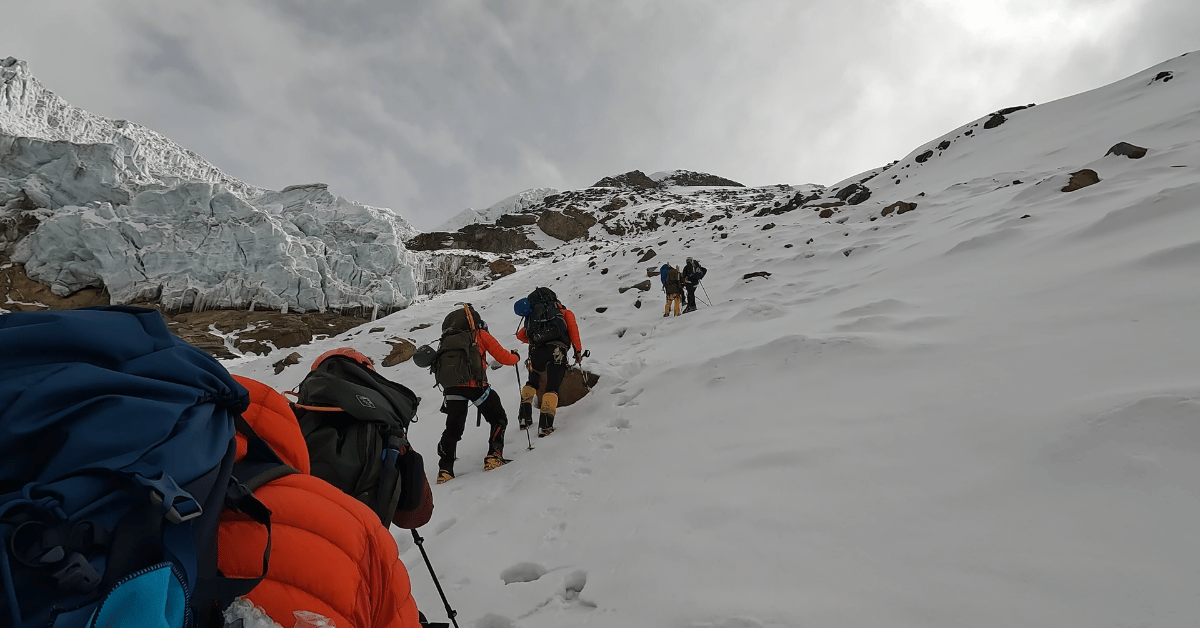
In mountaineering, a 7000m expedition is regarded as one of the major challenges that requires both preparation and previous climbing experiences. The previous experience of climbing 5500m - 6000 m peak/s or high-altitude experience matters. Even experienced mountaineers feel difficulties at high altitudes due to low oxygen levels, strong winds, freezing temperatures, long summit days, and the requirement of navigating in technical terrains.
This is why preparation to use technical gears and equipment and previous high-altitude experience matter to get familiar with the condition of 7000 m. Gaining experience with emergency protocols, acclimatization procedures, and technical navigation skills on 5000 m to 6000 m peaks or high-altitude trekking before attempting 7000 m mountains is important.
This guide aims to explain the required previous climbing experiences of climbers to attempt 7000 m peaks. The technical skills and physical preparation required, along with training milestones to complete before climbing the 7000 m peaks, are also explained.
How Many Climbs Should You Complete Before A 7000 m Peak?
Before attempting a 7000 m peak expedition, having previous mountaineering and high-altitude trekking experience matters. The completion of 3 to 5 progressive mountaineering trips along with two or three successful summits of 6000 m mountains is generally recommended by high-altitude mountaineering experts and expedition operators.
These previous experiences ensure climbers have exposure to high-altitude conditions and are familiar with navigation, acclimatization, accommodation, and dealing with using technical gear. Some popular 5000 m - 6000 m peaks that climbers should have climbed before the 7000 m peak expedition include the following:
| Peaks | Altitude |
|---|---|
| Mount Kilimanjaro | 5895 |
| Lobuche East | 6119 m |
| Island Peak | 6189 m |
| Chulu West | 6419 m |
| Mera Peak | 6476 m |
The 5000 to 6000 m peaks are the foundation to step ahead to achieve a bigger goal as climbers learn mountaineering skills and experiences. However, climbers must also note that the number of previous summits alone does not determine their readiness. Along with previous experience, climbers must be prepared with training, physical fitness, proper expedition and acclimatization strategy, and gear requirements for expeditions like 7000 m.
Recommended Trekking and Climbing Progression Before Your First 7000 m Climb
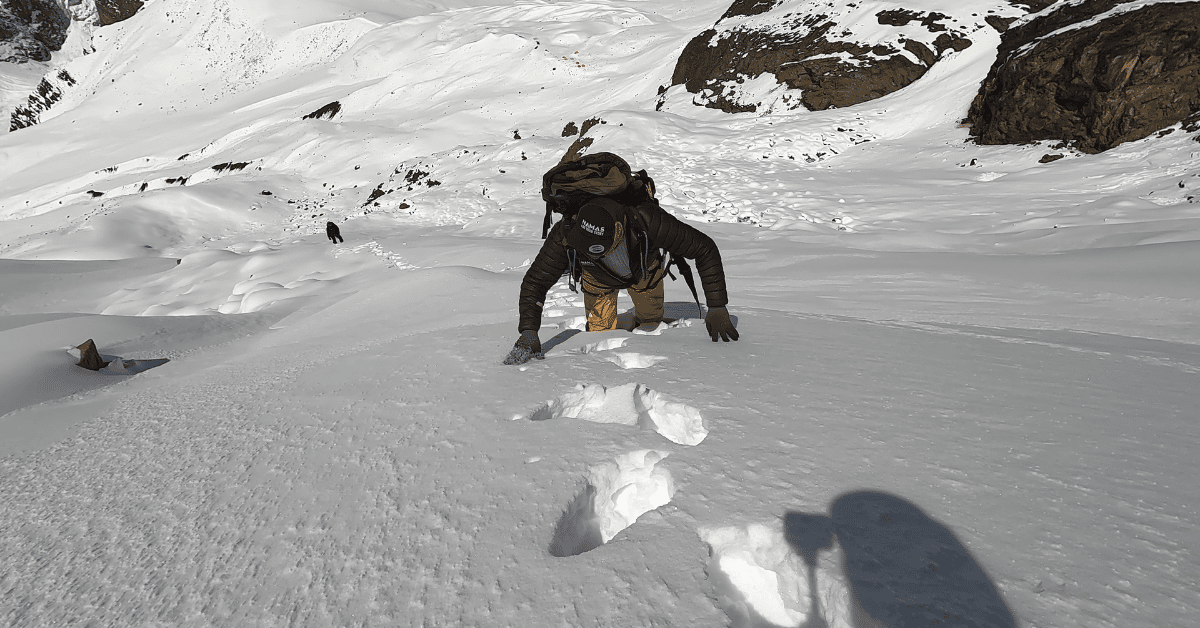
A 7000 m expedition requires months of preparation, which involves building a high-altitude foundation, having previous climbing experience, having technical expertise in high-altitude navigation, and getting ready for the final climb. A gradual progression and preparation help mountaineers to build experiences that are required to handle challenging and demanding mountain environments.
Stage 1: Build a High-Altitude Foundation
High-altitude foundation and exposure matter to get familiar with the environment, terrain condition, weather, and navigational requirements. No matter how physically fit you are, if you don't have high-altitude experience, you may not be able to deal with extreme altitude and challenges of 7000 m. And to build high-altitude experience, you must expose yourself to high-altitude trekking, mountains, acclimatization, mountain gear, and pacing.
Stage 2: Move Into 6,000m Peaks
With experience of high-altitude trekkings, acclimatization, gear, and pacing, you should move to experience the 6000 m trekking peaks and mountains. In 6000 m trekking peaks or mountains, you learn climbing techniques using gear and equipment such as crampons, ice axes, harnesses, ropes, and helmets. You gain expertise in navigating on snowy, icy, rocky, or mixed terrain while using fixed ropes.
Stage 3: Prepare for a 7000 m Expedition
With exposure to high-altitude weather, terrain, and technical experience from the 6000 m peak, you must prepare for the 7000 m expedition. The preparation includes choosing an expedition itinerary, physical preparation and training for specific peaks, gear and equipment selection, planning acclimatization, and emergency procedures.
Technical Skills to Develop Before A 7000 m Expedition
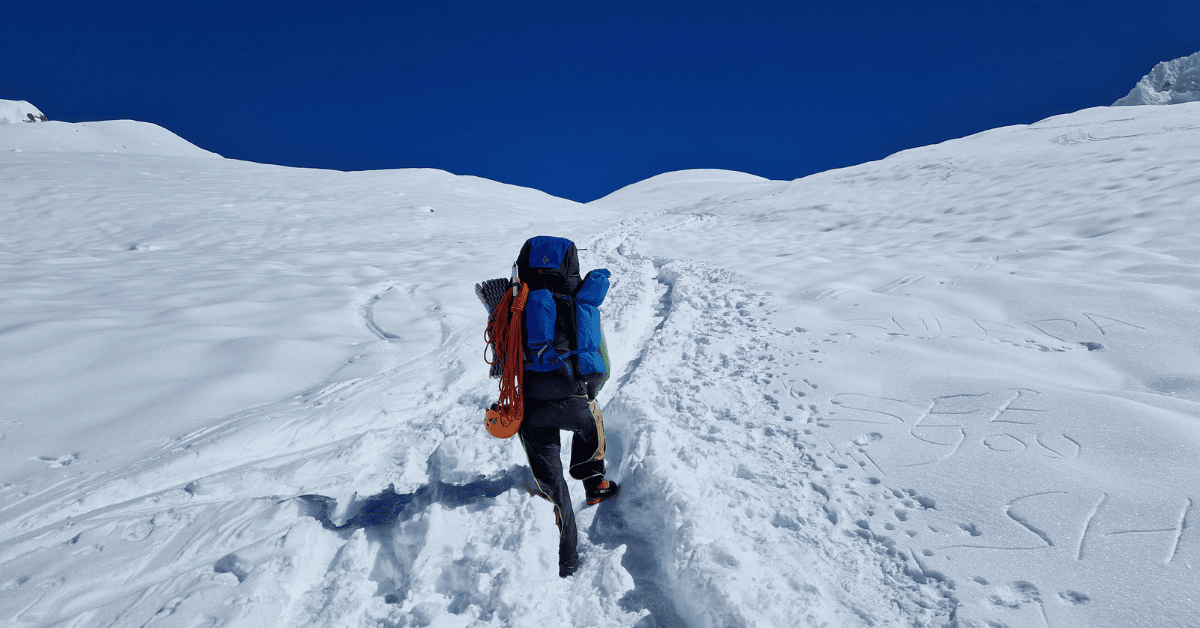
As mentioned earlier, physical fitness along with technical experience and skills are important for high-altitude climbing like 7000 m expeditions. Some key technical skills that are required to develop before climbing a 7000 m expedition involve the following:
Advanced Ropework and Fixed-Line Technical Proficiency
Climbers must develop their proficiency in using advanced equipment and gears such as ascenders, descenders, safety harnesses, and carabiners. Having the skill of basic rope management or movement techniques to navigate technical terrain is important. One can develop such a technique from mountaineering trainings and during 5000 m - 6000 m climbs.
Specialized Snow and Ice Techniques
For safe navigation in the steep, snowy, and icy terrain of 7000 m peaks, climbers must be proficient in wearing and using gear or equipment like crampons and ice-axe skills. Practising movement, wearing crampons, and having information about crevasse hazards and knowledge of glacier safety are important.
High-Altitude Camp and Self-Care Logistics
In addition to technical skills, developing physical endurance and other requirements, having knowledge related to high-altitude camp environments, and self-care are critically important. This involves managing the sleeping system, clothing, nutrition, basic hygiene, and using personal care accessories in extremely cold and high-altitude environments.
Rescue and Emergency Protocols
Climbers must also have information about rescue procedures, emergency communications, evacuation procedures, and dealing with changing weather conditions. Having awareness about rescue and emergency protocol is important to take sound decisions during emergency situations.
Physical Preparation for a 7000 m Peak
The physical preparation for the 7000 m peak must include focusing on strength, endurance, and recovery, as such expeditions involve long days of climbing in harsh environments. It also involves developing an aerobic base through activities such as hiking, running, cycling, stair climbing, and other cardiovascular exercises.
Training that focuses on building strength, legs, and core, including exercises such as lunges, step-ups, squats, and loaded carries, helps climbers to carry weight in the challenging terrain of 7000 m mountains.
Training Milestones
Before leaving for 7000 m peak climbing, climbers must aim to achieve training milestones, which involves the following:
Complete consecutive days of hiking without excessive fatigue
Handle elevation gain comfortably during training
Ability to navigate an uphill route with weight on backpack
Recover properly during demanding sessions
Use gears and equipment such as ice axes, ropes, and crampons
Knowledge related to rescue and emergency reactions
Ability to manage equipment, nutrition, hydration, and personal care equipment.
It is important to note that these training milestones help in building a strong foundation to deal with 7000 m challenges; they do not guarantee a successful summit.
Conclusion
Climbers planning for a 7000 m expedition must have prior high-altitude trekking experience, proper preparations, and at least two successful summit experiences above 6000 m. It is because these experiences help climbers with technical expertise and awareness of high-altitude weather and challenges, which helps climbers during high-altitude expeditions.
If you are planning to prepare for your first 7000 m expedition, it is important to choose the right expedition provider that focuses on your training, previous experience, and support for a safe and successful summit. Namas Expedition can be your ideal expedition partner, helping you with a well-planned itinerary, expedition training, and an experienced guide with 1:1 climbers to guide support for safety and success. Contact Namas Adventure today and take a step forward in high-altitude mountaineering.
