

Which Companies Offer Guided 7000m Mountain Expeditions
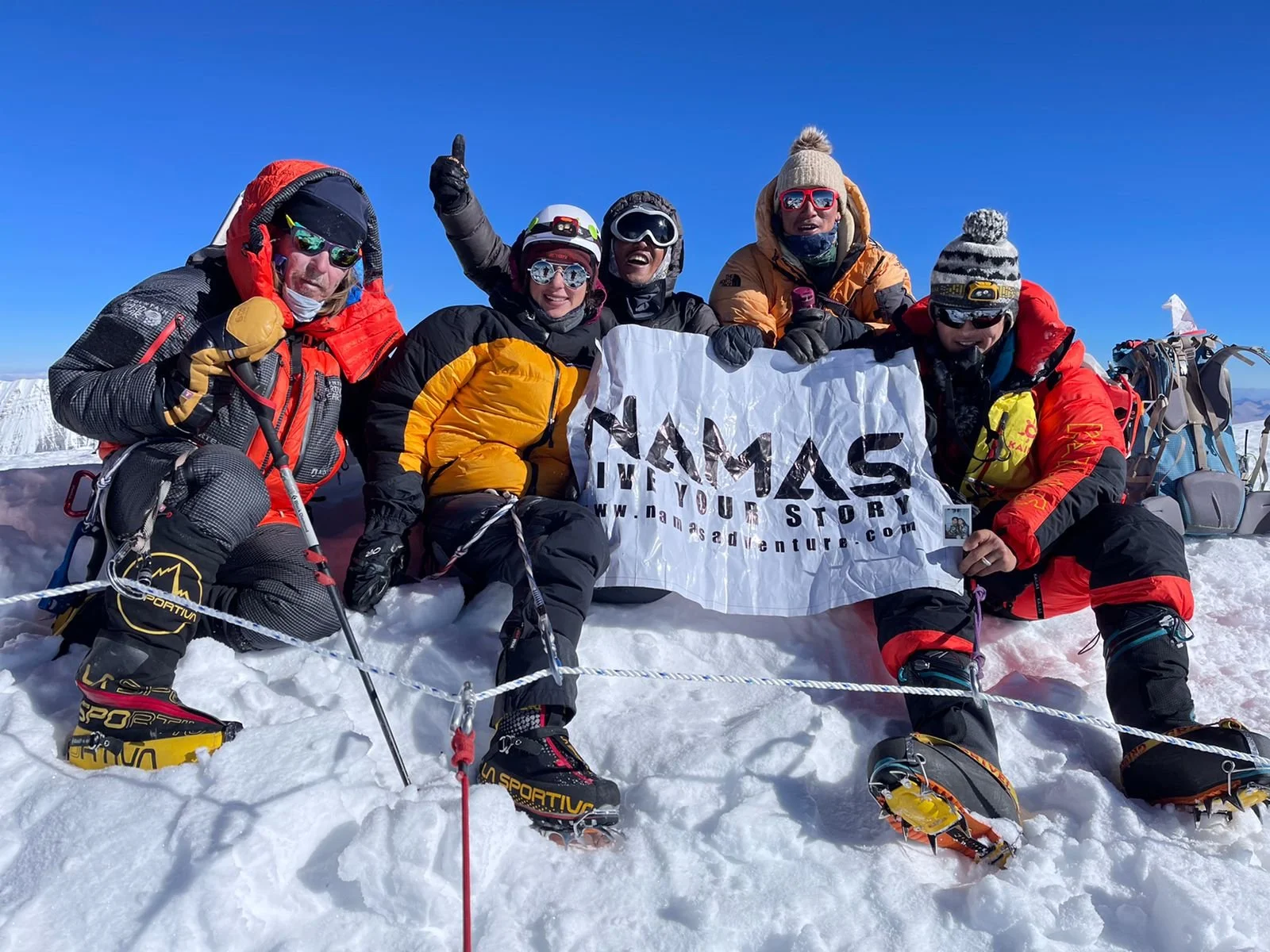
Planning for a 7000m mountain expedition? Climbing a 7000 m peak is one of the major achievements that requires months of preparation, physical fitness, endurance, technical skills, and expert guidance. You require proper and expert guidance during the expedition to ensure success and safety. While many commercial expeditions operate today, providing guided expeditions in 7000 m in the Himalayas or central Asia, their safety standards, experience, and service quality may differ significantly. It is crucial that one must consider safety, comfort, proven records, and transparency over the costs the expedition company offers.
The question arises: which expedition company offers the most successful guided 7000 m mountain expedition? In this blog, we address the question by explaining things to look for while choosing commercial expedition companies for 7000 m expeditions. The inclusion in guided expeditions and factors to decide when choosing a 7000 m expedition are explained.
What Makes a Great 7000m Expedition Company?
A guided 7000m expedition is a professional adventure organized by commercial expedition leaders and elite climbers and supported by Sherpas or local guides. A great or ideal expedition company must combine high-altitude safety management, experienced guides and Sherpas, strong camp infrastructure, transparent packages, and a limited team for efficient support.
Experienced Expedition Leaders
The ideal 7000 m expedition companies must have a leader for the overall success of the climb. They are experienced individuals with knowledge about mountain conditions, weather patterns, acclimatization plans, and risk management. When choosing the best expedition company, it is important to evaluate the team leader's expertise instead of choosing one who has climbed the mountain. The experienced leader always decides whether you should attempt to summit or turning back can be safer. One should always prioritize the safety of the climbers and team members over reaching the summit.
Qualified Sherpa and Local Guide Team
Along with experienced leaders, an expedition company that organizes 7000 m climbs also must have qualified Sherpas and a team of local guides. An experienced Sherpa and qualified guides are core team members in high-altitude expeditions like 7000 m. Sherpas and local guides properly understand terrain conditions, weather, routes, probable risks, and the ability to carry out support or rescue missions. The expedition companies with experienced Sherpas and local mountain guides give support in:
Route preparations
Setting camps
Moving shared gear
Supporting during summit pushes
Helping during emergency rescue
Small Team vs. Large Commercial Expeditions
The expedition team size can change the entire feel of your expedition. A smaller expedition team usually means tailored support, clear communication, quick decisions, and less crowding during the 7000 m summit. Meanwhile, a larger expedition team means a longer waiting time and limited support and assistance. For climbers looking for safety, expedition companies organizing small team expeditions are an ideal choice.
What Is Usually Included in a Guided Expedition Package?
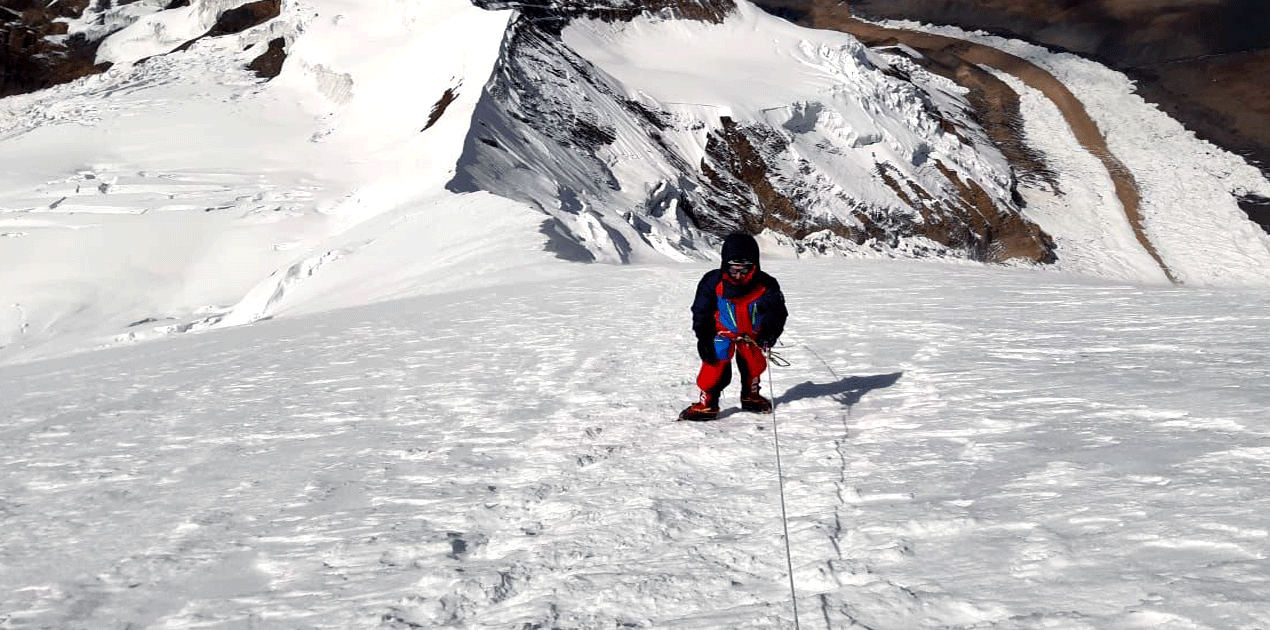
While the services provided by expedition companies vary according to packages, a guided expedition package usually involves permits, accommodations, base camp services, logistics, a support team, medical and emergency equipment, or weather forecasting and expedition management.
Permits and Government Fees
Expeditions above 7000 m require climbers to obtain various permits and expedition fees from the government where the peak is located. This includes climbing permits, National Parks and Conservation Areas entry fees, liaison officer requirements, and government paperwork. Most expedition companies cover such fees in their expedition package.
Airport Transfers and Transportation
Most of the expedition companies provide airport pickup and drop off service in the package. The transportation cost to reach base camps, hotels, trailheads, or expedition zones is also included in the package.
Accommodation Before and After the Expedition
Expedition companies also include accommodation services before, during, and after the completion of the expedition. This allows climbers to prepare for the expedition and take enough rest before departure to go home.
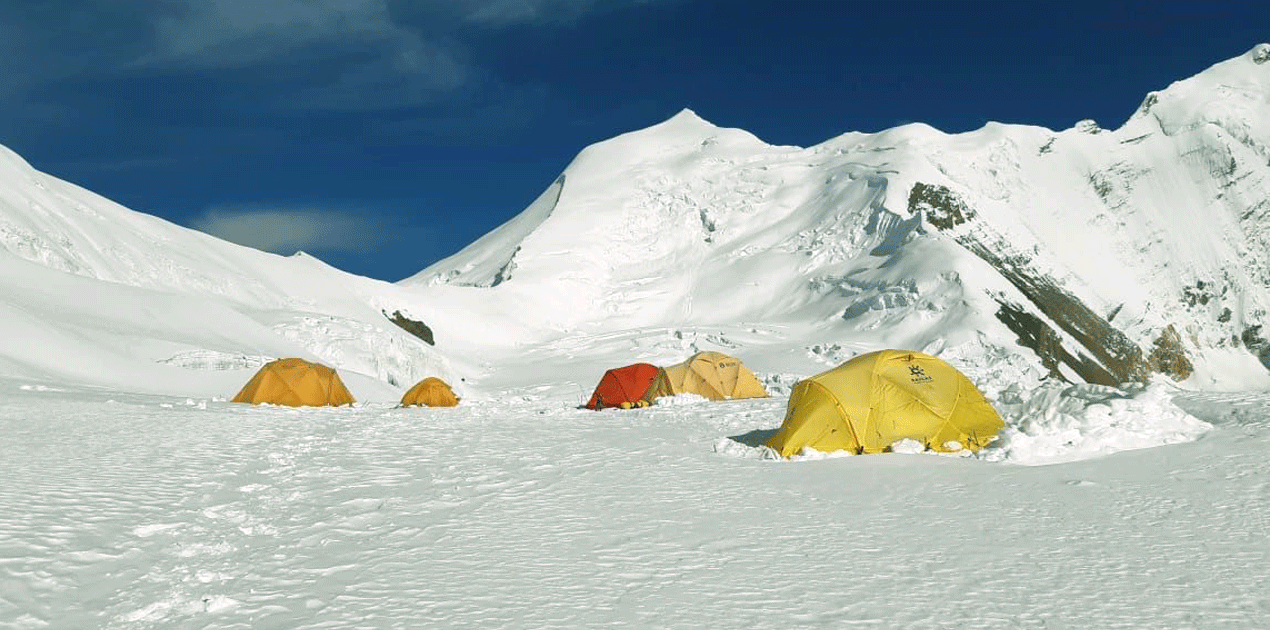
Base Camp Services
The commercial expedition companies also provide base camp services, where they provide several services to climbers, including:
Tents and base camp accommodation service
Meals and kitchen services
Dining tents
Charging and power arrangements
Communication services
Camp staff services
Drinking water services
High Camp Logistics
High camp logistics includes carrying or arranging high-altitude tents, climbing gear, fixed rope services, camp supplies, and kitchen services. Many expedition services, including such high camp logistic services, are provided to the climbers to focus on safer ascents without requiring them to focus on logistics.
Sherpa Support
The professional expedition companies provide experienced Sherpa support or guidance to help climbers during entire expeditions. They provide support in the summit and assistance in carrying equipment and guidance in navigating technical sections.
Medical and Emergency Equipment
As expeditions above 7000 m carry significant health and safety risks, many expedition companies provide medical and emergency equipment services. This includes:
First aid kits and emergency oxygen
Altitude medical equipment
Satellite communication device
Coordination during emergency evacuation.
Weather Forecasting and Expedition Management
Expedition companies also get regular weather forecast reports, which are crucial for summit success. The team leader gets updates regarding weather changes and makes changes in the plan accordingly to ensure the safety of climbers and summit success rate during the climb in the weather window.
How to Choose a Reliable Expedition Operator
When choosing a reliable expedition operator for summiting 7000 m mountains, climbers must evaluate the safety protocol, previous expedition success rate, expedition size, and training or preparation support.
Review Their Safety Philosophy
Evaluate the safety philosophy of the expedition company, as your safety is the primary concern. Choose operators that clearly explain turnaround policies, acclimatization plans, emergency procedures, and decision-making processes. Companies that focus on safety over summit goals have strong reputations.
Check Previous Expedition Success
Also check records for previous expedition success and experiences the operators have. You must consider factors like years of experience, client reviews, safety record, and numbers of expeditions organized.
Evaluate Team Size
Check the scale or size of the expedition that your expedition launches on. If you want better supervision, personalized support, flexibility, and effective communication, and more safety, choose companies that focus on small team expeditions. Expedition companies organizing expeditions with larger team sizes may provide limited support and assistance.
Assess Training and Preparation Support
Check whether the expedition company provides training and preparation support before the expedition. Choose the expedition company that provides support via physical training, equipment selection, packing lists, planning acclimatization, and providing technical navigation training.
Safety Standards You Should Never Compromise On
When planning or booking a high-altitude 7000 m expedition, you must choose an expedition provider that follows safety standards. You must not compromise on the emergency response plan, oxygen strategy, communication systems, daily health monitoring, and daily health monitoring.
Emergency Response Plan
Every expedition must have an emergency response plan in place to deal with altitude illness, injuries, evacuations, and communication routines. If anything goes wrong, appropriate actions are taken to get to safety.
Oxygen Strategy
You must have supplemental oxygen as backup to ensure you are safe during evacuation.
Communication Systems
Trusted communication between base camp, the higher camps, and the rescue authorities is non-negotiable. On most professional expeditions, you get access to satellite phones, radios, or satellite communication gear.
Rescue Coordination
Ensure your expedition company has coordination to rescue in case of emergency. Experienced operators have excellent connections with local rescue services and helicopter providers.
Daily Health Monitoring
Expeditions above 7000 m must have daily health monitoring to seek the signs of altitude sickness, fatigue, dehydration, and other health concerns. Regular checkups help in finding health issues early and help stop a small medical problem from turning into something major.
Question to Ask Before Bookings
Before booking your expedition, it is important to ask important questions to clear your doubts. Some questions you must ask the expedition company before booking the 7000 m expedition include:
How experienced are your expedition leaders?
What is your guide to client ratio?
What are the services included in your expedition package?
What costs are excluded from the expedition package?
What safety and emergency procedures are in place?
What climbing experience is required for the 7000 m expedition
Do you provide training and expedition preparation assistance
How do you handle delays due to weather?
Do you prioritize safety over summit?
Do you provide logistic support?
Do you make personalized expedition itineraries?
These questions are important so that you get an expedition answer that meets your experience and expectations.
Conclusion
When choosing a guided expedition company for climbing a 7000 m mountain, evaluating their safety focus, summit success, experience, team size, logistic support, and tailored itinerary is important. While most companies offer guidance, logistics, and communication support, choosing one that gives priority to climbers' safety and comfort while also having a strategy for summit success is important.
If you are planning to summit a 7000 m mountain, contact Namas Adventure, one of the leading expedition companies that provides tailored itineraries, priority on safety, transparency, experienced leadership, and supportive guide or Sherpa. From training, assisting in gear selection, and support in every step of the journey, Namas Adventure ensures your 7000 m expedition is a safe and successful achievement.
