

Annapurna Trek Weather Guide: Seasons, Temperatures, and Trekking Conditions
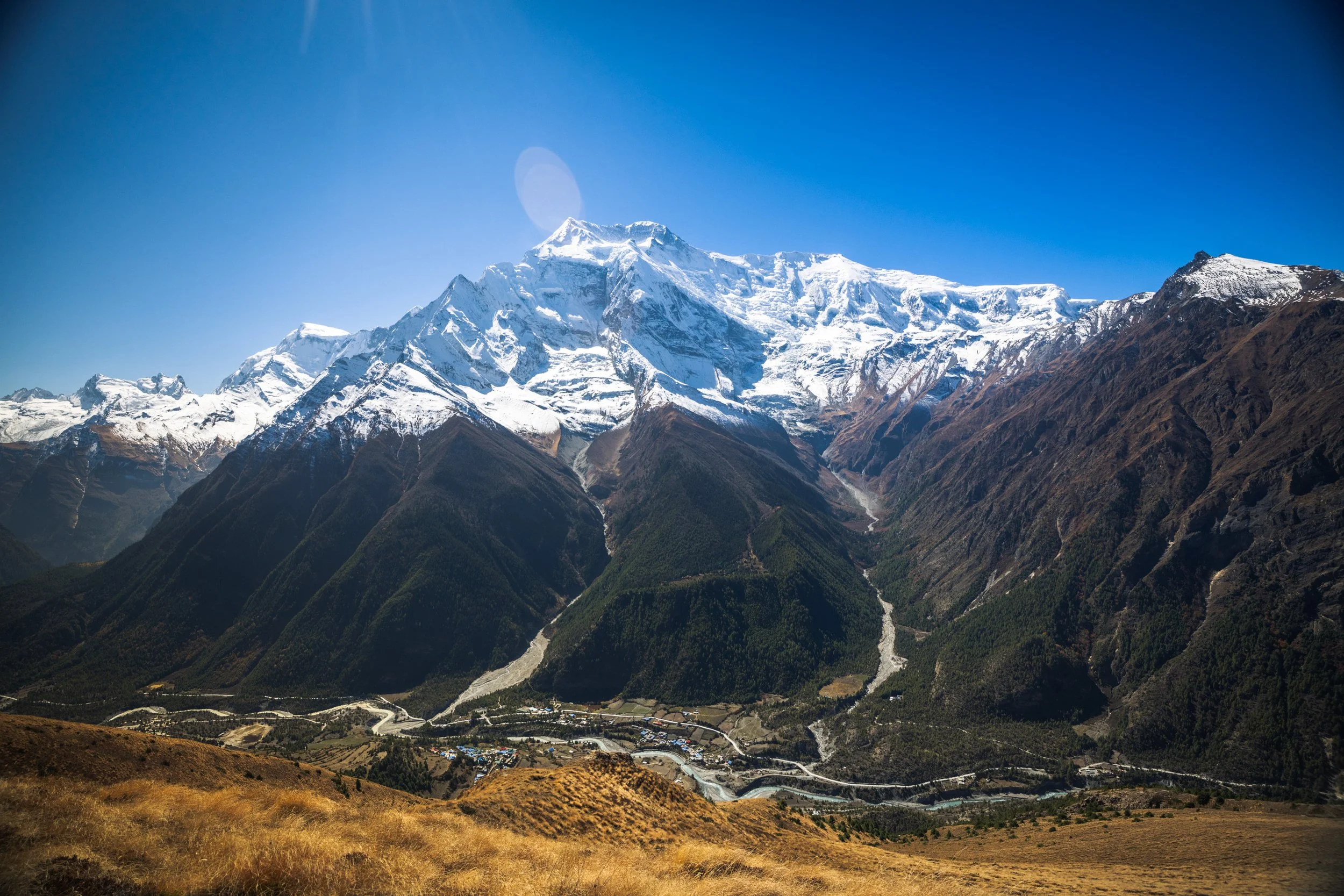
Annapurna Region
The Annapurna region of Nepal is one of the most popular and beautiful trekking destinations, attracting thousands of trekkers yearly. It is located in the high Himalayan region that gives spectacular views of mountains like Annapurna, Machhapuchhre, Dhaulagiri, and Manaslu. The Annapurna region gives you the opportunity to participate in high Himalayan adventure in Annapurna Base Camp (4,130 m) and the Annapurna Circuit Trek.
Adventure in the region takes you through the Annapurna Conservation Area to reach the challenging Thorong La Pass (5,416 m). Being located in the high Himalayan region, the weather conditions and climate of the region vary yearly and impact the trekking difficulty and experience. While some seasons give the best trekking experience, the remaining seasons challenge trekkers with extreme weather conditions, temperatures, and trekking routes. Trekking in Himalayan destinations like the Annapurna region requires every trekker to consider the best season, weather, and temperature for the best adventure.
This blog explains the weather during various seasons in the Annapurna region of Nepal. We provide information about the average temperature, weather condition, and suitability of each season and explain why considering weather matters during trekking. In addition, we provide essential tips to follow for safe trekking in the Annapurna Region.
Annapurna Region Weather
The Annapurna region is located in a high-altitude Himalayan region. Weather in the high altitude changes quickly, and when trekking, understanding weather patterns or weather forecasts matters. Knowing the weather pattern and condition helps trekkers to prepare for trekking accordingly and have a safe trekking experience.
Elevation Differences in the Annapurna Region
The trekking elevation of the Annapurna region ranges from Besisahar (790m) to 5,416 m at the high-altitude Thorung La Pass. Trekking in the region lets you feel the difference in weather at altitude as you experience mild temperatures at lower elevations. As you ascend to higher elevations, you feel cold with a higher chance of snowfall, strong winds, and low oxygen levels.
Rapid Weather Changes in the Himalayas
The weather condition of the high-altitude Himalaya is unpredictable, as it can change suddenly. In seasons like spring and autumn, weather can be predictable to some extent. But seasons like monsoon and winter bring challenges to trekkers with heavy snowfall, strong wind, and storms.
Impact on Trekking Condition
The change in weather and temperature impacts the trekking route, trail safety, and other critical factors for comfortable trekking. While clean and predictable weather helps trekkers in comfortable trekking, poor weather conditions such as heavy snow, storms, and rain increase difficulty. It risks trekkers with slippery trails, poor visibility, and extreme cold during the adventure.
Seasonal Weather in the Annapurna Region
| Season | Weather Conditions | Average Temperature | Suitability for Trekking |
|---|---|---|---|
| Spring (March to May) | Clear skies, pleasant weather, favorable temperature, and vibrant vegetation. | 10°C to 20°C in the lower region and below 0°C in higher altitudes. | Best season for trekking |
| Autumn (September to November) | Predictable weather, clear visibility, low chance of rain or snow |
5°C to 15°C in the lower region. -5°C to 10°C or below in higher regions. |
Ideal season for trekking adventure |
| Monsoon (June to August) | Cloudy, high chance of rain or snow, slippery trails, and high humidity | 15°C to 25°C in the lower region and 5°C to 15°C or below in higher regions. | Challenging and difficult |
| Winter (December to February) | Extreme cold, higher chance of snowfall, icy trail surface | 5°C to 15°C in the lower region and -10°C to -20°C or below in higher regions. | Difficult and challenging |
Spring: Blooming Trails and Pleasant Weather
Spring, from March to May, is the best season to trek in the Annapurna region. Trekking in Annapurna Base Camp and Annapurna Circuit during spring gives favorable temperature and climate. The season welcomes you with vibrant landscapes, greenery, wildflower blooms, and rhododendron blossoms. You can enjoy the best view of mountains like Annapurna, Dhaulagiri, and Machhapuchhre mountain throughout the trekking trails. Weather in high-altitude conditions might still be cold during spring, but the season is more comfortable than monsoon and winter.
Autumn: Clear Skies and Best Mountain Views
The adventure to the Annapurna region in the autumn season gives the best experience. You get an average temperature 5°C to 15°C in the lower region, which makes your trek comfortable. While you face cold in higher altitude, wearing warm clothing and care accessories can give you the best experience. Autumn season rewards you with clear skies, a low chance of snow or rain, and crystal-clear visibility. You can get a clear and undisturbed view of the mountain range, sunrise and sunsets, and Himalayan landscapes during the season.
Monsoon: Rainy and Slippery Trails
Unlike spring and autumn, the monsoon season can be challenging for trekkers trekking in the Annapurna region of Nepal. While the average temperature is 15°C to 25°C in the lower region and 5°C to 15°C in the higher region, the slippery trails, humidity, and risk of rain, snow, and landslides increase. Monsoon also has a high chance of flood that further adds risks to the trekkers.
Winter: Heavy Snow and Cold Temperatures
The winter season in the Annapurna region is challenging as the temperatures are cold and extreme. There is a high chance of heavy snow, icy trails, and snowstorms in the region. The night temperature of -10°C to -20°C or below in higher regions can lead to hypothermia, frostbite, drowsiness, and an increased chance of altitude sickness.
Why Understanding Annapurna Weather Is Important for Trekkers
Understanding the weather of the Annapurna region is important for trekkers for a safe and comfortable adventure in the region. From planning, itinerary development, and trek days, trekkers must be updated frequently about the climate, route conditions, and temperature. Understanding weather helps in the following:
Safe trekking: Understanding Annapurna Weather conditions is important for safe and comfortable trekking in the region. As you know about the weather pattern and temperature, you get a chance to prepare clothing and an itinerary and set trekking days accordingly.
Avoid risks: As you know about weather during various seasons, you may set up a trekking journey during a season when risks are low. You can avoid risks such as landslides, floods, heavy rain, and snowstorms by shifting or setting the trekking plan during autumn and spring.
Gears and clothing: Knowing the weather and temperature during trekking helps you to pack favorable clothing and trekking gear. Such gear and clothes can help you to trek comfortably and deal with temperature or trail challenges during the adventure.
Get the best trek experience: As you understand the outcome of weather conditions and situations, you can plan your journey accordingly. You get the best opportunity to plan your trip on a day where you benefit from the best view, comfortable weather, and temperature.
Tips For Safe Trekking in Annapurna Region
In addition to understanding weather, following smart tips during your trek can make your Annapurna region adventure safe and memorable. You can follow the tips below to enhance your overall trekking experience in the region:
Choose the Best Season: Prefer trekking in seasons like autumn and spring. These seasons give comfortable temperatures, open skies, clear visibility, and a low probability of rain or snowfall.
Acclimatize Properly: Acclimatize properly to adjust your body to high-altitude oxygen and temperature. Acclimatization reduces the risk of altitude sickness and increases the success rate of your trek.
Carry Essential Gear: Carry required gear and accessories like trekking sticks, navigation tools, trekking accessories, and trekking clothes for a comfortable trek in the Annapurna region.
Monitor Weather: Monitor weather before departing for trekking or planning trek days. Confirm trekking days, and start trekking only after confirming weather conditions at high altitudes.
Entry permits: Ensure you obtain all required permits, such as the Annapurna Conservation Area Permit (ACAP) and Trekkers Information Management System (TIMS) Card, to legally trek in the region. This permit also ensures your safety and can help you in case of emergency situations.
Guide and support: trekking with experienced local guides and support like porters can be easy and provide safety to you. An experienced guide helps to navigate difficult terrain and know about the local places, and a porter helps to assist you with logistic support.
Conclusion
Trekking in the Annapurna region of Nepal requires understanding of the high-altitude Himalayan climate, weather, and temperature. Considering trekking in a favorable season and climate helps to improve your trek experience and safety during the trek.
For the best experience, trekking in the spring and autumn seasons can be an ideal choice. Meanwhile, trekking in the monsoon and winter can be challenging due to poor weather, high humidity, extreme cold, and risk of natural disasters. Also following smart trekking tips such as trekking with a guide, acquiring proper permits, frequent weather monitoring, and trekking with essential gear help in safe and comfortable trekking.
If you want to witness the majestic beauty of the Annapurna region by trekking safely and comfortably, visit Namas Adventure. Namas Adventure offers memorable and safe trekking experiences through providing a well-planned itinerary, experienced guides, and well-timed adventures for the ultimate adventure in the high Himalayan region of Nepal
