

Everest Weather: Understanding the Extreme Climate of Mount Everest
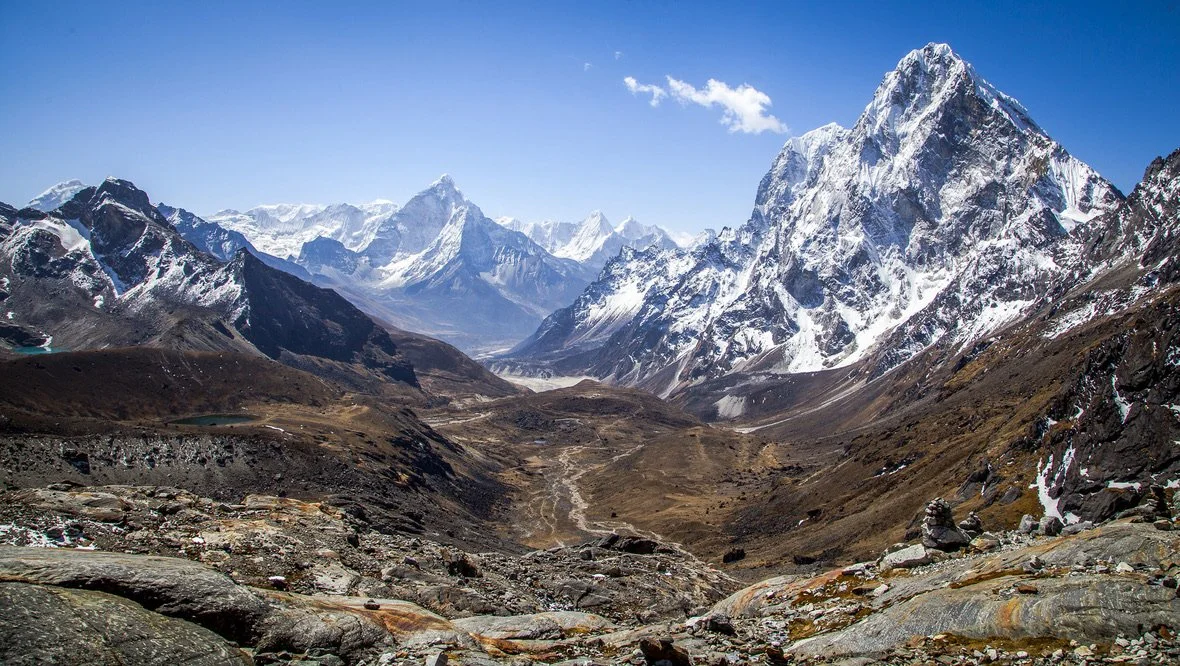
Climbing the mighty Mount Everest (8848.86 m) or trekking in the Everest region of Nepal is the dream of global climbers and adventure seekers. Taking part in the Everest expedition is on the bucket list for mountaineers who want to conquer the world’s highest peak. And for adventure enthusiasts, trekking in Everest Base Camp or another trek in the region, like Kala Patthar, Everest Three High Pass Trek, or others, can reward them with the best experience and view of the Everest region.
Whether you are climbing Everest or just trekking in the Everest region, you must prepare yourself for numerous challenges. And among those challenges, the weather condition of the region is the primary factor one must consider. Understanding the weather condition helps to manage critical challenges like extreme cold, jet streams, poor visibility, and levels of oxygen during your adventure. This blog provides information about the Everest weather conditions. We help you to understand why considering the weather of the Everest region helps climbers and trekkers in safe and comfortable adventures.
Everest’s Extreme and Unpredictable Weather
The weather on Mount Everest is extremely unpredictable and harsh. As the region is located at high altitude, weather changes quickly, making adventure difficult and challenging. If you are planning for an expedition, the altitude of 8,848.86 m challenges you with extreme cold, low oxygen, and jet streams. The temperature at the summit falls below -40°C with poor visibility and unanticipated visibility. Trekking in the region is also challenging due to cold winds, freezing temperatures at night, and reduced visibility.
Even experienced climbers or trekkers face difficulty due to extreme weather patterns of the high-altitude Everest region. Planning the trek considering weather, monitoring weather forecasts frequently, and adventure during weather windows helps in success, safety, and comfort. Climbing or trekking with expert guidance, acclimatization, and a well-planned itinerary is equally important.
Seasonal Difference of Weather on Mount Everest
The weather conditions and temperature of Mount Everest, or the Everest region, change according to seasons. While some seasons give acceptable and favorable weather conditions for adventure in the region, some seasons are challenging and harsh. Understanding weather conditions and patterns in various seasons and considering such weather situations helps in successful climbing and trekking adventures in Everest.
| Season | Months | Weather Conditions | Average Temperature | Suitability for Climbing/Trekking |
|---|---|---|---|---|
| Spring | March to May | Clear skies with vibrant atmosphere and stable weather |
-20°C to -40°C at the summit. 0°C to 15°C during daytime and -5°C to -15°C during nighttime at base camp |
Best season for trekking and expeditions |
| Autumn | September to November | Predictable weather, clear skies, high visibility |
-30°C to -40°C at the summit. 0°C to 10°C during daytime and -10°C to -15°C during the night at base camp |
Ideal season for trekking and climbing adventure |
| Monsoon | June to August | Heavy rainfall, snowfall, fog, and poor visibility |
-15°C to -20°C or lower at the summit. 10°C to 20°C during day and 0°C to -5°C during night at base camp |
Challenging due to rain, slippery trails, poor visibility, and snowfall |
| Winter | December to February | Extreme cold with high chance of jet streams, freezing cold, and slippery ice |
-37°C to -60°C at the summit. -17°C to -25°C at night and -5°C to 5°C during the daytime in Everest Base Camp |
Extremely difficult and risky for summit and trekking adventures |
Spring: Best time for Expedition and Trekking
The spring season from March to May is one of the best seasons to climb Everest and trek in the Everest region. The season gives you the best weather, clear skies, a vibrant atmosphere, and predictable weather. For climbers, the average summit temperature of -20°C to -40°C and average base camp temperature of 0°C to 15°C during the daytime and -5°C to -15°C during the nighttime give favorable climbing and trekking conditions. The risk of harsh and extreme weather conditions is minimized during the spring season.
Autumn: Stable and Clear Skies
Autumn (September to November) is the ideal season to trek in the Everest region and climb Mount Everest. The season gives clear skies, predictable weather, better visibility, and comfort for both trekkers and climbers. You get an average temperature of 30°C to -40°C at the summit, 0°C to 10°C during the daytime, and -10°C to -15°C during the night at base camp.
Monsoon: Challenging Weather
Monsoon from July to August gives challenges and difficulties to climbers or trekkers. While the average temperature ranges between -15°C and -20°C, the chance of heavy rainfall, snowfall, fog, and slippery trails makes the season challenging and less preferred.
Winter: Extreme Cold and Snow
Winter (December to February) increases risk due to cold weather, a high chance of storms, freezing cold, and slippery ice surfaces on the trails. The freezing -37°C to -60°C temperature in the summit and high chance of jet stream make the Everest expedition highly risky. Trekkers in the region also face difficulty as the temperature in the basecamp ranges from -17°C to -25°C at nighttime and -5°C to 5°C during the daytime.
How Altitude Affects Temperature and Oxygen Levels
The high altitude of the Everest region affects its temperature and oxygen levels. As altitude rises, the temperature decreases as the temperature is heated from ground level. The low air pressure in the Everest region also spreads air molecules that decrease the heat-holding capacity of the air. Also, the air in the high-altitude Everest holds low oxygen molecules, making only 1/3rd, or 33%, of oxygen available in the summit.
Jet Streams in Everest
The jet stream on Everest is one of the main factors making the Everest adventure challenging. During the summit, climbers face high-altitude winds that flow strongly at an average speed above 160 Km/h. Jet streams make the Everest summit adventure dangerous and challenging. However, in spring and autumn, the jet stream shifts towards and creates a weather window, making the season the best time for summiting or trekking in the region.
Why Climbers Must Carefully Plan Their Expeditions
While the Everest expedition and trekking adventure in the region are challenging, planning the adventure carefully helps to increase the success rate and safety. Climbers must make a well-prepared itinerary, consider the weather window, consult with native guides, and manage gear or equipment before expeditions. Choosing the right season and expedition with proper climbing skills or experience increases the success rate.
Climbing Everest Safely with Experienced Guides and Companies
Climbing Mount Everest or trekking in the region with an experienced guide is important for overall safety, comfort, and success. Experienced guides help to navigate risky or difficult areas in the trails. They also have better knowledge regarding weather and local points of interest. Expert guides also help in proper acclimatization, pacing according to your needs, and managing necessary arrangements for you and the entire team. Also, choosing experienced companies like Namas Adventure ensures success, increased comfort, tailored support, and management of logistics and permit requirements. You get guidance and assistance from the preparation to the execution stage, where you depart for adventure in the high-altitude region.
Conclusion
Weather in the Mount Everest region is one of the most challenging, extreme, and unpredictable in the world. The freezing temperature, strong jet streams, and low oxygen level in the region make summiting or trekking difficult. For a successful and safe adventure in the region, choosing an ideal season, such as Spring and Autumn and an adventure in a weather window can be ideal.
Also, choosing expert guides, experienced expedition companies, prior preparation, and choosing proper gear further helps in safety and success rate. If you are also planning to climb Mount Everest or trek in Everest’s popular treks like Everest Base Camp, Lobuche trek, Kala Patthar, and others, contact Namas Adventure. Namas Adventure provides tailored itineraries, experienced guides, and safety, making your adventure memorable and successful
