

Deadliest Mountains In The World
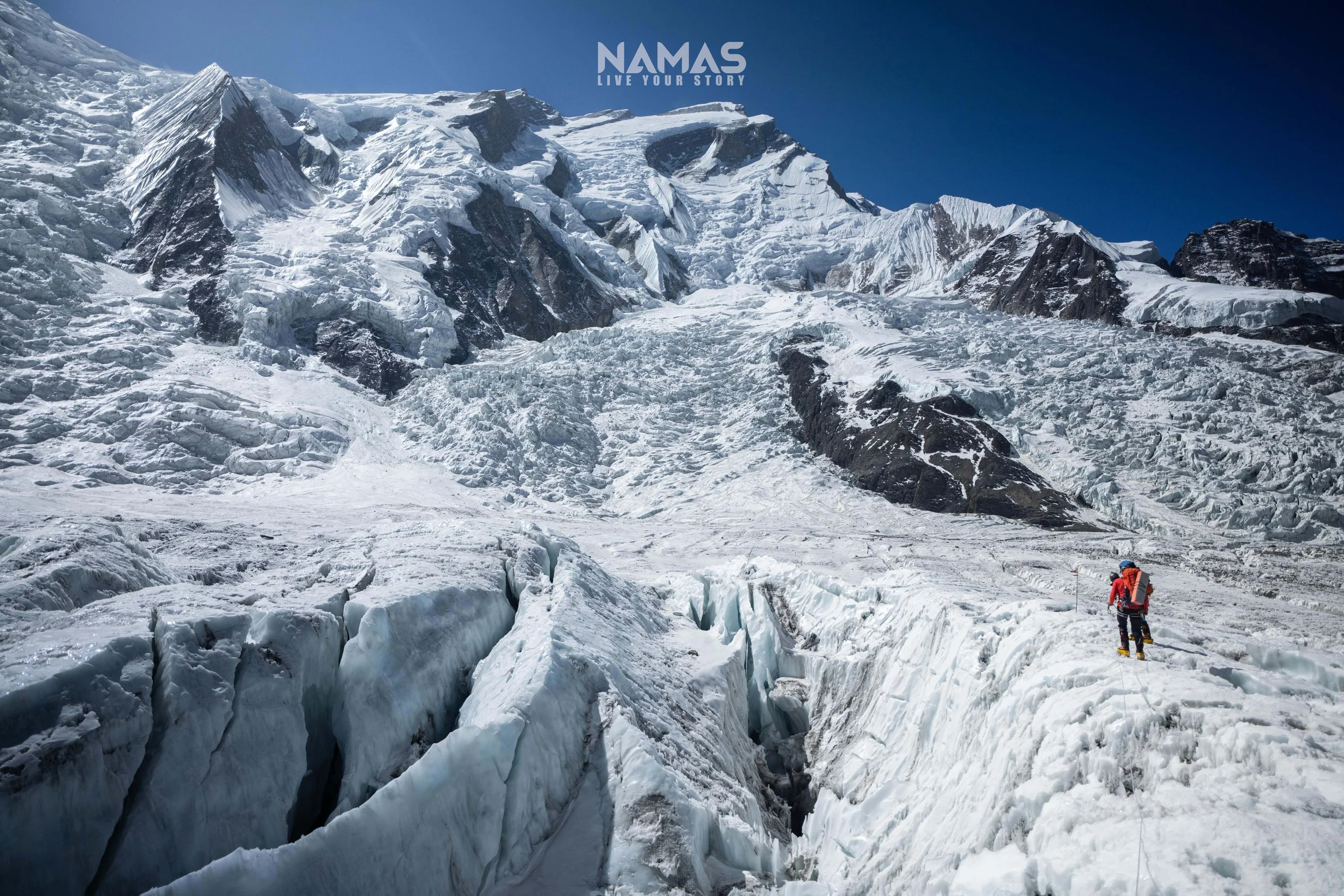
Mount Everest
When we talk about the deadliest mountains on earth, most people believe Mount Everest is the one. But in reality, it is not true. While Mount Everest (8,848.86 m) is the highest mountain in the world, it is not as deadly as mountains like Annapurna I (8,091m), K2 (8,611m), Nanga Parbat (8,126 m), and others.
Deadliest mountains are calculated by measuring their fatality rate, which is the ratio of climber deaths to successful summit attempts. The altitude, weather, and terrain conditions of mountains increase the death rates and deadliness of the mountains.
In this blog, we provide information about the deadliest mountains in the world that claimed the lives of many climbers on the basis of fatality rate. Also, the factor making mountains deadly and why such mountains kill during descents is also explained.
What Makes a Mountain Deadly?
Mountains are deadly when they combine life-threatening situations like difficult terrain, high altitude, unpredictable weather, and strong jet winds. These situations challenge climbers at every point and claim their lives. Some of the key factors that make mountains deadly include the following:
High altitude: The high altitude of the mountain makes it deadly due to limited oxygen, altitude sickness, and an increased chance of exhaustion.
Avalanches: Avalanches are the key factor that makes mountains deadly. They occur when large masses of ice, snow, and debris slide down below mountains. Avalanches occur without obvious warning and increase risks due to rapid asphyxiation, blunt force trauma, and hypothermia. Most deaths occur due to suffocation and pressure of massive weight when buried.
Rock Fall: Rock falls are a common cause of deaths where loose rocks fall from steep mountains and collide with climbers. The heavy rocks falling from a distance at high speed are unpredictable and highly unavoidable during steep climbing. If they hit climbers, they cause serious injuries or even deaths.
Unpredictable weather: Unpredictable weather or the sudden change in weather challenges climbers. The freezing temperature, strong jet winds, and snowstorm increase the chance of fatalities.
Terrain: The terrain or slope of the mountain also makes it challenging and deadly. Steep slopes and challenging terrain requiring technical skills increase exhaustion, the chance of accidents, and injuries leading to fatalities.
Crevasses: Crevasses are deep cracks on mountains that trap mountaineers if they accidentally step on the gap. The increased number of hidden crevasses in the mountain increases the risk and mortality rate in the mountain.
Remote locations: The remote altitude and location of the mountains make it difficult to conduct rescue operations. These increase the risk that claims the lives of mountaineers, making the mountain deadly.
Deadliest Mountains in the World
| Mountain | Height | Location | Main Deadly Factor |
|---|---|---|---|
| Annapurna I | 8,091 m | Nepal | Altitude, avalanches, and unstable slopes |
| K2 | 8,611 m | Pakistan/China | Altitude, technical climbing difficulty, and deadly storms |
| Nanga Parbat | 8,126 m | Pakistan | High altitude, rockfalls, and extreme weather |
| Kangchenjunga | 8,586 m | Nepal/India | Remote terrain, high altitude, and heavy snowfall |
| Dhaulagiri I | 8,167 m | Nepal | Avalanche risk, steep vertical gain, and high altitude |
Annapurna I (8,091m)

Annapurna I
The Annapurna I (8,091 m) is one of the deadliest mountains in the world, with a 20% to 32% fatality rate. It is located in the Himalayas in Nepal and is the 10th highest mountain in the world.
Annapurna I's unpredictability, risk of avalanche, poor weather, terrain condition, and altitude have claimed the lives of many climbers. The entire mountain is considered highly risky with snowy slopes and hazard concentrations. Annapurna I’s vertical geography, hanging seracs, and hard blue ice act as factors that trigger avalanches.
While more than 365 climbers reach the summit of Annapurna I, 72 people have been recorded to have been killed in an attempt to climb Annapurna I.
K2 (8,611m)
K2 (8,611m) is the world's second-highest mountain, located on the border of China and Pakistan. The K2 is located in the Karakoram range and is also known as “The Savage Mountain." It is one of the deadliest mountains in the world due to its technical 60 degree ice traverse beneath the unstable serac at an altitude of 8,200 m.
The technical challenges due to steep slopes, loose rocks, and the remote location of the mountain make it even deadlier. Its route involves vertical broken rock faces that fall down directly below the narrow paths that climbers pass through. The rocks acting as shooting galleries increase risk to climbers.
K2 held a death rate of 4:1 prior to 2021. While 800 climbers have submitted K2 successfully, 96 deaths have been reported during the attempt.
Nanga Parbat (8,126 m)
Nanga Parbat is the world's ninth highest mountain, located in the Pakistan-administered region of Gilgit-Baltistan. It is also known as “Killer Mountain” due to a fatality rate of 20 % to 22%.
As of August 2023, a total of 96 fatalities are recorded in 800 successful summits. The technical difficulty, unpredictable weather, high risk of avalanche, and difficult descent route make Nanga Parbat the deadliest mountain in the world.
Also, the risk of rockfall is high in Nanga Parbat due to the presence of fractured rocks and unstable surfaces leading to frequent rockfall. Many climbers have reported rockfall as constant and challenging when climbing Nanga Parbat.
Kanchenjunga (8,586 m)
Kanchenjunga is the world’s third-highest peak, standing tall at an altitude of 8,586 m on the border of Nepal and India. It is also referred to as “The Five Treasures of the Great Snow” and is known for being one of the deadliest mountains in the world.
The fatality rate of Kanchenjunga climbers is high, as it crosses 20% in an attempt to summit the main peak. While mountaineering equipment, techniques, and well-planned adventures are practiced, more than 52 climbers have been reported to have lost their lives till May 2022.
Meanwhile, the successful summit number recorded is 532. The remote location, high altitude, constant avalanches, long routes, and extreme difficulty.
Dhaulagiri I (8,167m)
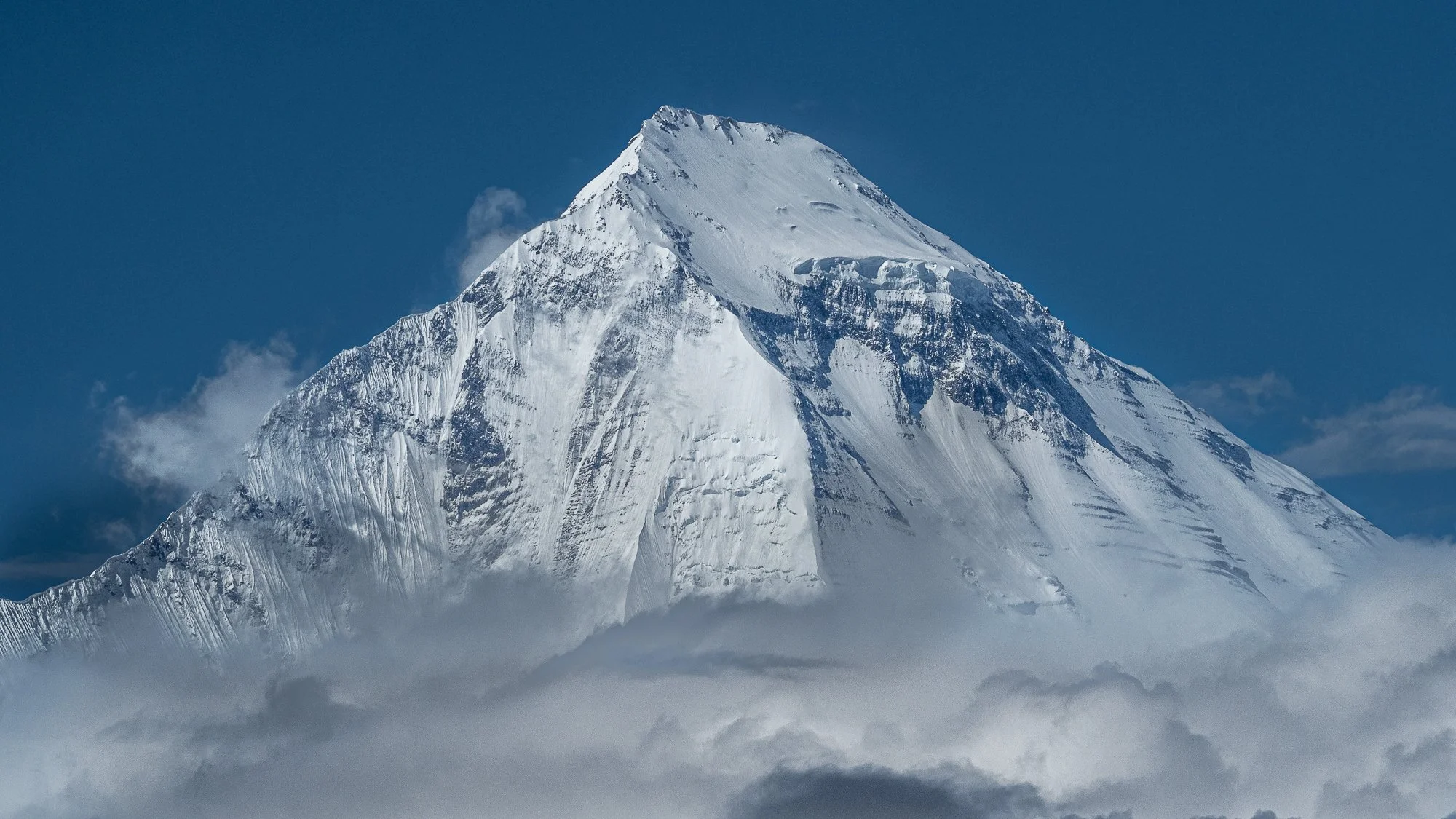
Dhaulagiri 8167m
Dhaulagiri (8,167 m) is the world's 7th highest mountain, located in Gandaki river basin in Nepal. It is also referred to as “beautiful white mountain." Although Dhqaulagiri is referred to as beautiful, it has claimed the lives of many climbers who dared to reach its summit.
Its extreme weather, technical difficulty, and risk of avalanche are killer aspects of the mountain. Also, the steep vertical gain from base camp and strong high-altitude wind further challenge the mountaineer.
The death rate of Dhaulagiri is 6.2% as of 2007 where 58 fatalities were recorded in 358 successful summits. In the latest incident of 2024, october 6, five Russian climbers were recorded to be dead.
Why Descents Kill More Climbers Than Summits
While climbs are always difficult and strenuous during summit pushes, most people think it is the key moment that takes a climber's life. But the reality is that most deaths occur during descent rather than the summit push. Some of the key reasons for descents being deadlier than ascents include the following:
Physical and mental exhaustion after summit push
Running oxygen supplies
Rapid drop of temperature and weather changes as day passes
Increased risk of frost bites, dehydration, and altitude sickness
Simple or minor mistake leading to fall or severe injury
Conclusion
Mountains are beautiful land formations touching the high sky and standing in wonder. While they are attractive to visitors and climbers, they also show no mercy to climbers. Mountains like Annapurna I, K2, Kanchenjunga, Dhaulagiri, and Nanga Parbat have shown their brutal side by claiming the life of many brave climbers.
While improved gears, techniques, and technologies have decreased the fatality rate, no one can yet get rid of the challenge that nature brings. The steep ascent, technical difficulties, extreme climate, cold, and low oxygen at the summit are major reasons for deaths in these mountains.
Therefore, bravery along with proper and adequate preparation is a must for increasing the chance of success when sumitting these deadly peaks. Visit Namas Adventure for a successful and safe mountaineering adventure to make your summit dreams come alive.
FAQs: Deadliest Mountains in the World
Which is the deadliest mountain in the world?
Annapurna I is considered the deadliest mountain in the world, followed by mountains like Nanga Parbat, K2, Dhaulagiri, and Kanchenjunga. The extreme technical difficulty, risk of avalanche, extreme weather, and lack of oxygen in Annapurna I and other mountains make them the deadliest.
Is K2 more dangerous than Everest?
Yes, K2 is considered more dangerous than Mount Everest. Although Mount Everest is the highest mountain in the world, K2 has a higher fatality rate of 4:1 deaths on every summit prior to 2021. The technical difficulty, constant falling rocks, harsh weather conditions, steep terrain, and remote location make K2 more dangerous than Everest.
Why is Nanga Parbat called the Killer Mountain?
Nanga Parbat is also called the Killer Mountain due to its fatality rate that claims the life of 1 climber among 5 in each summit attempt. The fatality rate is high, with a 20% to 22% death rate due to steep faces, frequent rock falls, extreme weather, avalanches, and being prone to accidents.
