

Everest Expedition: South Col vs North Col

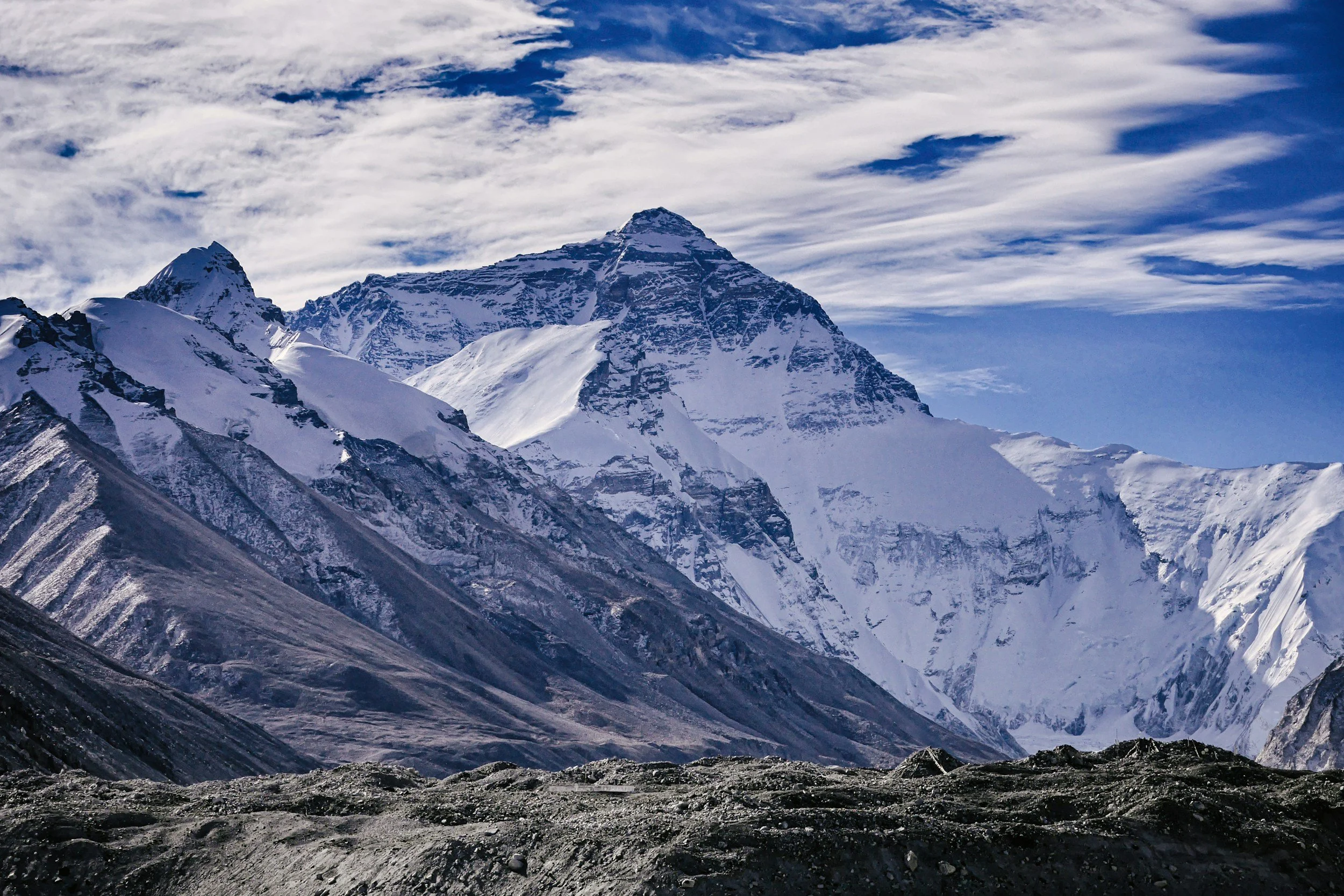
When it comes to Mount Everest, there are two established commercial routes from climbing. The South Col route from Nepal in the Khumbu region and the North Col route from Tibet/China.
Every year, climbers from around the world attempt to scale Everest via these two sides. Historically, a higher number of climbers have chosen the Nepal side because logistics are highly flexible, the route has larger commercial establishments, and expedition permits have always been easier to secure. However, Nepal is also tightening regulations and the standards are changing. On the Tibet side, mountaineer numbers remain lower because access is strictly controlled and the permit process is strict.
In this article, we look at the pros and cons of climbing Everest from both sides.
For some climbers, the South side makes far more sense while others find advantages of the North side favourable.The right route is not about popularity but more about what fits your experience, expectations, and climbing philosophy.

Everest South side Nepal
South Col - Nepal, Khumbu region
Pros
Highly established commercial route: The South side is the most popular route on Everest because of the higher number of local infrastructure, experienced local staff, and better network of expedition support available throughout the climbing season.
Greater flexibility with permits and logistics: The permits can be obtained relatively late in the season compared to Tibet turning the expedition planning highly flexible.
Strong Sherpa support network: Nepal has the deepest pool of high-altitude Sherpa support on Everest. This makes it easier for expedition teams in south col to set up logistics easily, provide route support, easily switch resources in camps, stock equipment in camp and quickly provide summit support.
Helicopter rescue capability up to high altitude: In event of an emergency, helicopter rescue support can be provided high-up in around Camp 3 under favourable weather conditions permitting. This is a significant logistical advantage over the North side
Less wind exposure than the North side: The South side is dangerous, but against the harsher winds of the North side, it is safer. It makes the certain section in the South Col safer than the North Col
Wider range of expedition styles and price points: From local operator logistics packages to highly guided premium expeditions and ultra-luxury offerings, Nepal gives climbers more choice across service level and budgets
Better suited to both standard and premium expeditions: Whether a climber wants a traditional Everest experience or a high-end expedition with private support that has stronger sherpa to climber ratios, and added comfort, the South side offers the most options.
Helicopter access can reduce total expedition time: Heli-in and heli-out options between Kathmandu, Lukla, and Everest Base Camp available in South Col can shorten expedition logistics significantly. These have also made very fast summit programs possible.
Stronger Everest atmosphere and culture: For many climbers, trekking through the Khumbu, passing through Sherpa villages, and arriving at Everest Base Camp on foot is part of the full Everest journey. The South side offers a deeper cultural and emotional build-up.
More viable for independent-style logistics packages: Some local operators offer lower-cost or less-guided formats on the Nepal side offering experienced climbers different options, although it also creates quality gaps in the market.
Cons
Higher overall climber numbers: The South side is busier than the North. In almost all seasons, this side has the largest number of permits issuance, which means higher number of teams and higher degree of crowds in the upper mountain.
Greater chance of inexperienced climbers being present: Since, Nepal side is easily accessible for commercial climbing, you end up sharing the route with climbers whose experience, preparation, or self-sufficiency may be limited.
The Khumbu Icefall is a serious objective hazard: This is one of the biggest drawbacks of the South side. The Icefall is dynamic, unstable, and objectively dangerous, no matter how strong the support system is in South Col.
Camp 3 can feel congested: Camp 3 space is limited, and on busy summit rotations the pressure on tent platforms and movement through camp can become a factor for congestion on risky sections.
Higher risk of illness during the approach and at Base Camp: The Khumbu route brings increased interaction, higher number of trekkers, increased staff movement, and higher degree of exposure to respiratory illness. Khumbu cough, general chest irritation, and viral infections are all real concerns. Check out our blog post: understanding and managing Khumbu cough.
Potential traffic near the summit: On a tight summit window, bottlenecks can occur around the Balcony, South Summit, Hillary Step area, and descent lines increasing safety risks. Even strong climbers can lose time and energy waiting for the traffic.
More expensive than it first appears at the top end: Yes, Nepal has affordable entry options, but truly well-run expeditions with strong safety systems, proper Sherpa ratios, oxygen strategy, and high-end logistics can quickly become expensive.
Weather and route conditions can shift quickly: Warm conditions, icefall movement, avalanches, and snowfall can all affect the route more dynamically than many first-time Everest climbers expect.
Trek approach adds physical load: For some climbers this is a positive and for others, the approach trek into Base Camp adds fatigue before the actual expedition begins.
North Col - Tibet/China
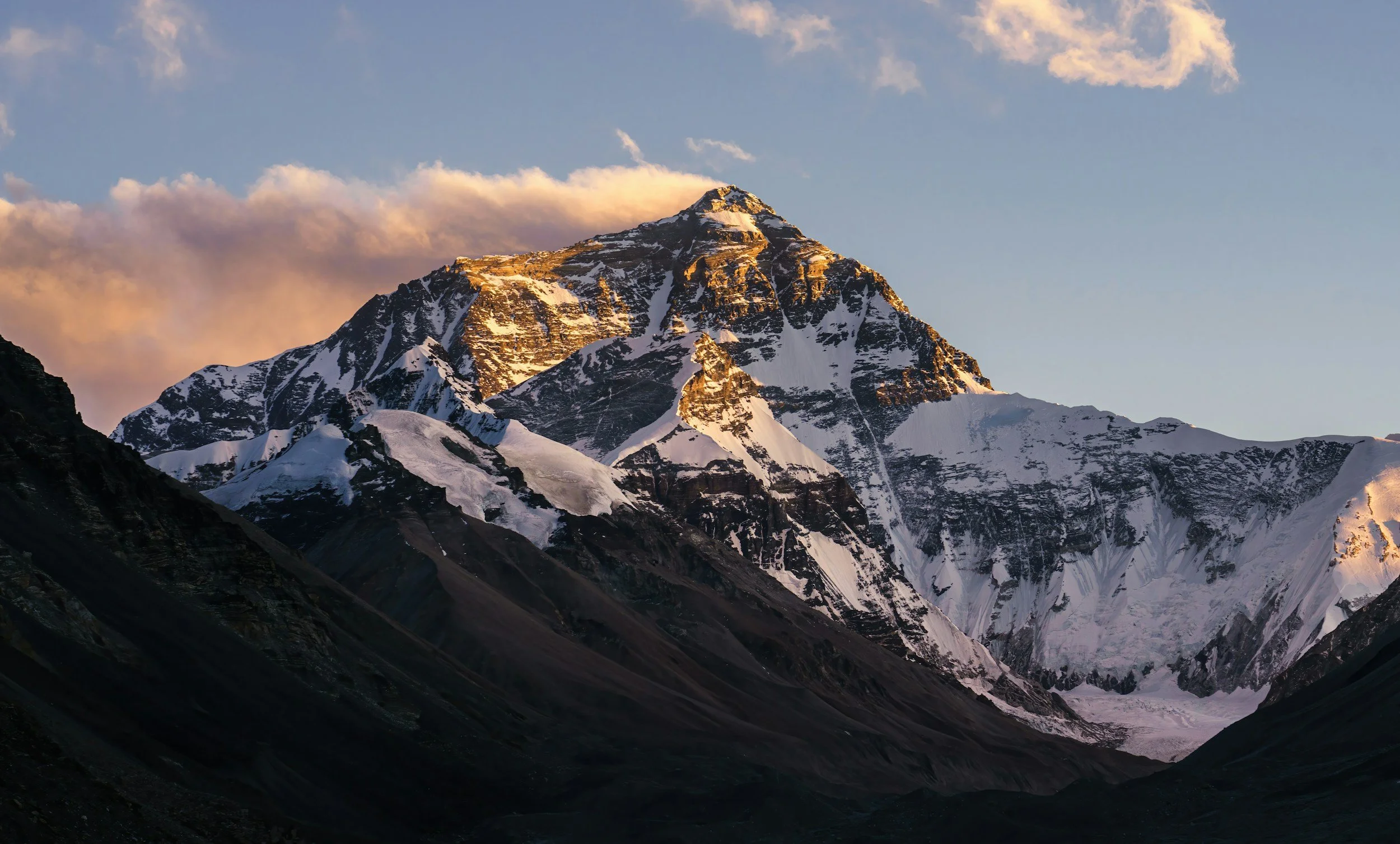
Chomolungma, Everest from North side
Pros
Less traffic overall: The North side generally sees fewer climbers than Nepal which makes it favourable for experienced mountaineers, this alone is a major advantage.
Stricter permit standards: China typically requires stronger prior experience which filters the climbing route to a higher degree than the South side. In general, the average climber on the North is often more experienced, preventing any congestion.
No Khumbu Icefall: This is the biggest operational advantage of the North route because you avoid one of the most dangerous climbing objective hazards on Everest.
Drive access to Base Camp: Unlike the South side, where the journey involves flights and trekking, the North side allows a vehicle approach to Base Camp. It highly eases access and reduces the physical toll of the approach to the mountain.
Good road-based logistics to lower camps: Transport systems are direct in Tibet, and yaks or support systems can help move loads efficiently to Advanced Base Camp easily reducing costs and risks.
Cleaner and more tightly controlled base camp structure: Operations on the Tibet side are highly regulated, and local controls around environmental conduct and camp systems making it cleaner than the south side.
More direct feel to the route: Some climbers prefer the North because they can skip trekking expeditions and head straightforward high-altitude mountaineering campaigns.
Better option for climbers who want to avoid the Khumbu ecosystem: If a climber wants a less crowded trekking corridor and a different logistical experience, the North side can be appealing.
Cons
Permi uncertainty is real: It is the biggest weakness of the North side because authorities can close Everest to foreign climbers or restrict access with little to no warning. The uncertainty affects planning, travel, deposits, and timing of the mountaineers who have prepared months for the expedition.
No helicopter rescue: There is no equivalent helicopter rescue system like the one available on Nepal side and when things go wrong, evacuation options are highly limited making it extremely risky.
Harsher wind exposure: The North side is colder, windier, and exposed to higher degree of natural elements. Climbers need to prepare for an extremely severe environment, especially at higher elevation.
Longer time spent at high altitude on exposed terrain: Many climbers experience a physically and mentally more draining condition on the North Side because of exposed traverses and sustained movement in high altitude.
Oxygen-supported climbing is the norm: Commercial climbing on the North side is almost entirely built around supplemental oxygen because of the difficulties en route. Climbing without oxygen is close to impossible and it leads to difficulties while adding costs.
Harder summit day logistics: The summit day from the North is long, demanding, and psychologically tough. The route is full of exposed terrain and a highly technical section, the Three Steps.
Fewer operator options: Compared to Nepal, there are fewer expedition companies operating on the North side, and less flexibility if the weather window changes.
Lower rescue margin means mistakes cost more: If a climber gets sick, weak, or faces delays, the climbing day has less cushion. On the North side, the self-management and team strength matter even more than the south side.
Political risk sits outside the mountain itself: Even if you are fully prepared physically and technically, geopolitical or administrative decisions can cancel the expedition before it even begins.
Conclusion
Since the first summit of Everest by Sir Edmund Hillary and Tenzing Norgay Sherpa, the mountain has become far more accessible through the evolution of commercial mountaineering. Better logistics, stronger support systems, improved equipment, fixed ropes, weather forecasting, oxygen systems, and experienced expedition teams have all made Everest summit easily achievable than in the past. Since the early 2000s in particular, summit numbers have increased because an increasing number of climbers around the world have come to see that Everest is no longer an impossible dream. Mountaineers have realised it’s a serious goal that can be pursued with the right preparation, experience, and team around you.
If Everest is your dream, then choosing between the South side and the North side is not just a logistical decision. It is a decision that should reflect your climbing background, your risk tolerance, your ethics, and the kind of experience you want to face from the mountain. Both routes lead to the same summit, but they offer completely different journeys.
Everest is not just another climb and for many climbers, it becomes one of the defining experiences of their life. It tests commitment, patience, resilience, and perspective.
We hope this article has helped you think clearly about the route that’s right for you. If you are still confused about the next step and route selection contact us at NAMAS.
At NAMAS, we believe Everest should be climbed with the right team, the right support, and the right intention. We offer a smaller, premium expedition team with a highly experienced leadership structure, strong Sherpa support, and a serious commitment to quality over volume, to help you live your Everest dream
Let’s LIVE YOUR EVEREST STORY.
