

Best Crampons For Himalayan Climbing
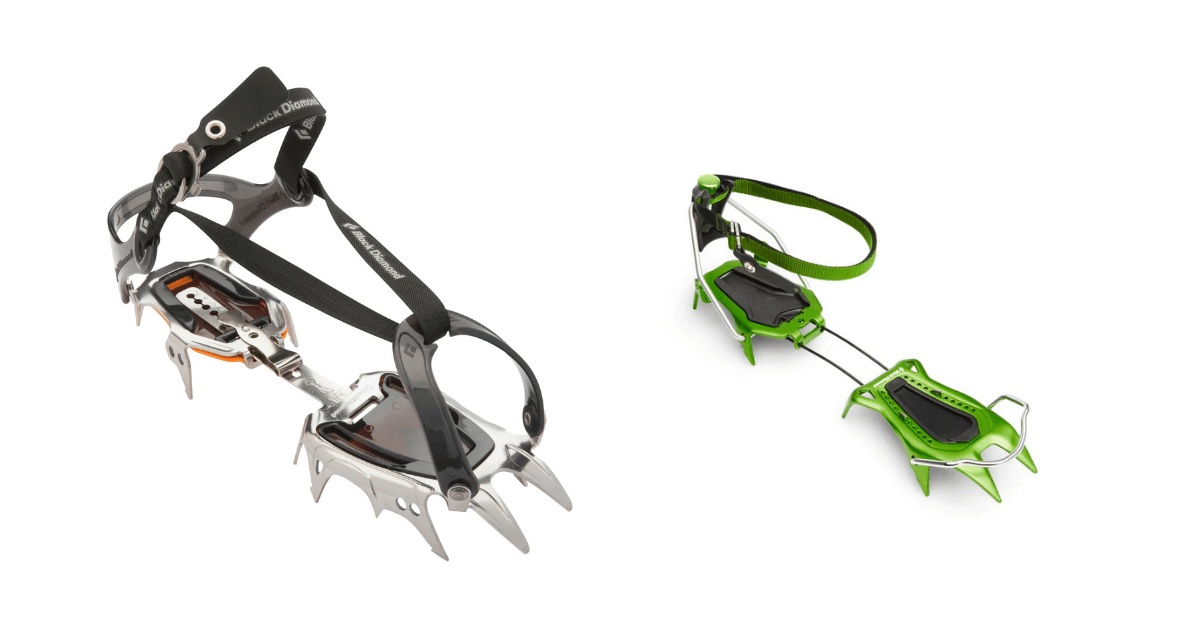
An adventure to the Himalayas requires proper gears and equipment for success and safety. Having proper equipment and gear means there is a high chance of you tackling the unique geographical conditions and situations of the region. Among various important gears and equipment, Crampons are one of the important safety gears or tools required for Himalayan expeditions. Crampons are metal traction gears attached to your boots for grip and stability on slippery ice and frozen surfaces. The accessory is critically important for navigating icy, slippery, and technical terrain. Crampons come in various types and are used in various types of boots according to terrain conditions.
This blog explains the importance of Crampons for climbing the Himalayas. The various types of crampons, their suitable use with various types of boots, and top varieties to use for various purposes are explained. Also, the comparison of various types of crampons and their pros and cons analysis is done in the blog.
Why Crampons Are Essential For Himalayan Climbing
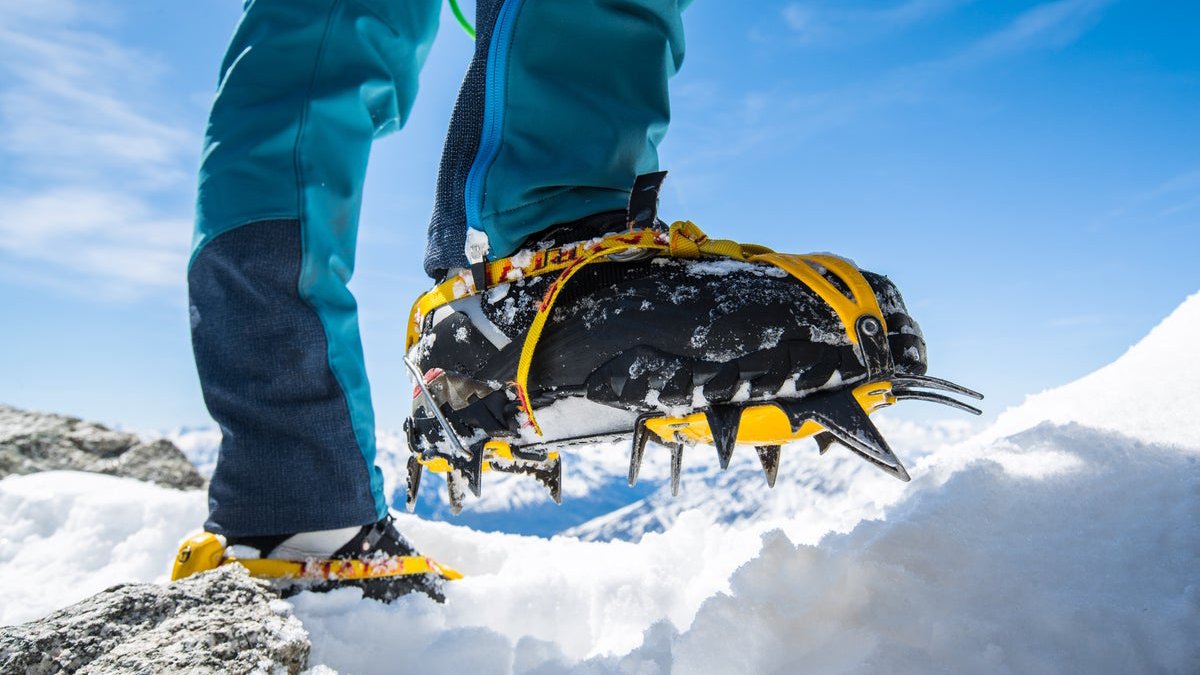
Crampons are essential for Himalayan climbing because of their traction and stability when climbing difficult and slippery terrains. Without Crampons, climbing snow-covered mountains is risky due to the slippery surface and instability during navigation. The metal spikes in crampons help in balancing navigation while providing solid grip and control over the ice and snowy surface in high-altitude regions. Some key importance of crampons when climbing himalayas includes:
Traction and stability: Crampons give stability, better grip, and traction to the mountaineers or climbers when navigating in icy terrain in the Himalayas. It reduces the risk of slippery surfaces to provide proper balance in technical terrains and final summit pushes.
Navigation: Using the proper type of crampon helps to navigate easily and comfortably in icy, snowy, and steep terrain in the high-altitude Himalayas.
Reduce fatigue: As crampons give stability on steep and slippery terrain, they minimize strain on the legs. It reduces fatigue by preserving the energy of the climber for difficult sections.
Types of Crampons
| Crampon Type | Crampon Category | Point Count | Best Used For | Best Boot Compatibility | Typical Himalayan Use |
|---|---|---|---|---|---|
| Strap-On Crampons | C1 | 10 to 12 points | Glacier crossing, moderate slopes, snow trekking routes, trekking peaks | B1 (semi-stiff) and B2 (stiff/rigid) boots | Ideal for basic mountaineering and trekking peaks |
| Hybrid / Semi-Automatic Crampons | C2 | 12 points | Steep terrain mixed with snow and ice, classic Himalayan climbing | B2 or B3 boots with heel welt | Best for peaks like Island Peak and Lobuche East |
| Step-In / Automatic Crampons | C3 | 12 to 14 points | Technical expeditions, icefalls, steep ice walls, high-altitude climbs | B3 technical boots with toe welt and heel welt | Best for Everest, Annapurna, Manaslu, and Lhotse expeditions |
Crampons are available in various types and categories to be used in various terrain and surface conditions. They are mostly classified into C1 , C2 , and C3 categories and are used by climbers according to terrain or expeditions.
Strap-On Crampons
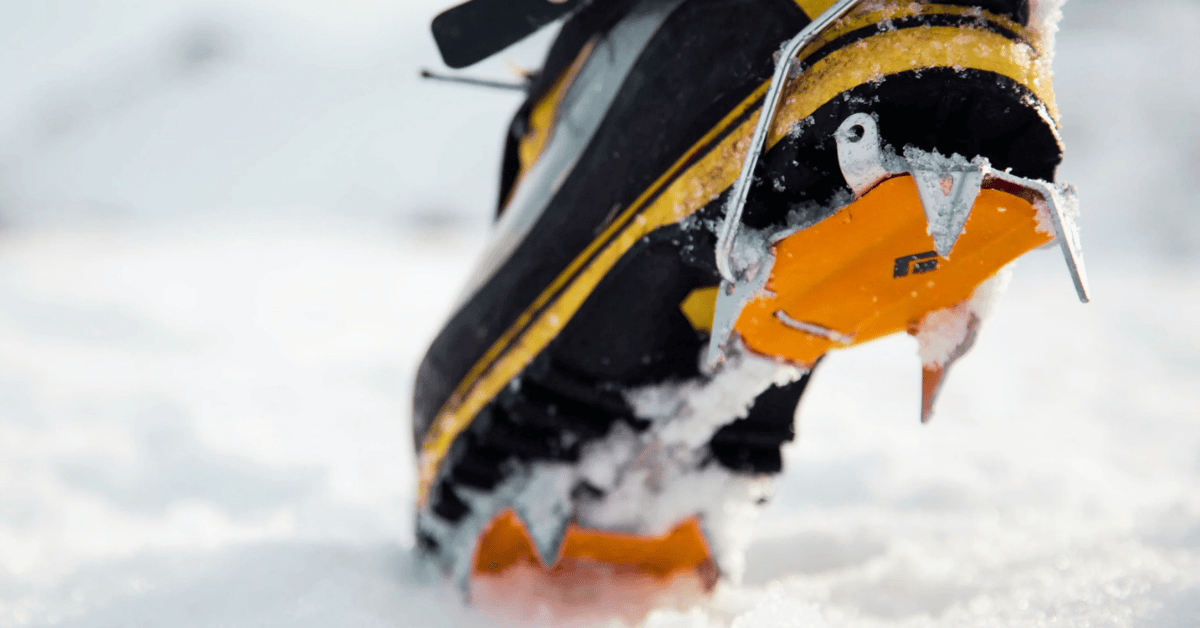
Strap-On crampons are mostly categorized as C1 crampons that are attached to boots using straps around the boot. They are a universal option suitable for use in glacier crossing, moderate slopes, snow trekking routes, and trekking peaks.
Boot compatibility
C1 crampons or strap-on crampons are mostly matched with B1 (semi-stiff) or B2 boots (stiff and Rigid) for navigating moderate himalayan terrains.
Hybrid / Semi-Automatic Crampons
The Hybrid or semi-automatic crampons are classified as C2 crampons. These crampons use a strap at the front and a heel clip at the back and are ideal for himalayan climbing. C2 Crampons are the best choice for climbing in steep terrain mixed with ice and snow, like in Island peak and Lobuche East.
Boot compatibility
The C2 or Hybrid / Semi-Automatic Crampons are best matched with B2 or B3 boots with a heel welt for steep summit pushes with steep ice and snow climbing. C3 crampons have greater compatibility with various variants or categories of boots.
Step-In / Automatic Crampons
The Step-in or automatic crampons are categorized as C3 Crampons. These crampons are designed for technical expeditions and to navigate in walls and icefalls in high-altitude terrains like Everest expeditions, Annapurna Expeditions, Manaslu Expeditions, and Lhotse expeditions.
Boot compatibility
The C3 crampons, or Step-in/Automatic crampons are best fit for B3 category technical boots with a toe welt and heel welt. These crampons are best for front-pointing, navigating steep ice, and quick wear and removal.
Top Crampons for Mountaineering
When choosing the crampons for your himalayan expeditions, choosing appropriate and durable ones matters. Some of the reputable crampons you can choose for best performance, durability, and boot compatibility include the following:
Nimsdai Crampon
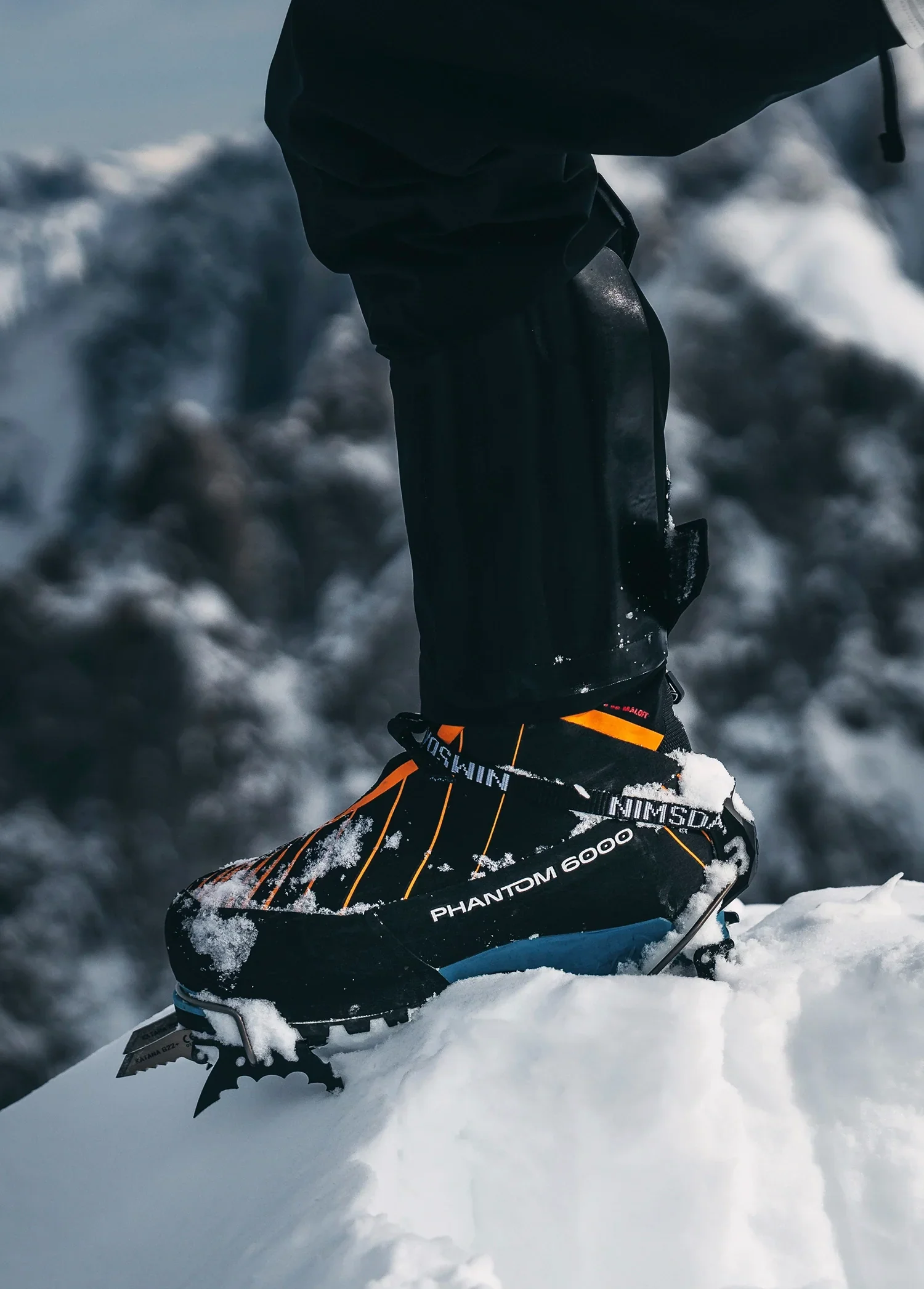
Nimsdai Crampon
The Nimsdai Crampon is a modern, lightweight crampon designed for ice climbing conditions and technical climbing. It features 12 points with two replaceable front points forged in T-structure steel. These crampons are adjustable with strong built quality. The points' position is designed to give a tight grip on rock and soft penetration on the ice.
Pros:
Lightweight design and high build quality
Replaceable front points
12 points for excellent stability
Adjustable for technical climbing and walking
Easy to put and remove
Cons:
Requires proper boot compatibility
More technical and advanced
Petzl: VASAK
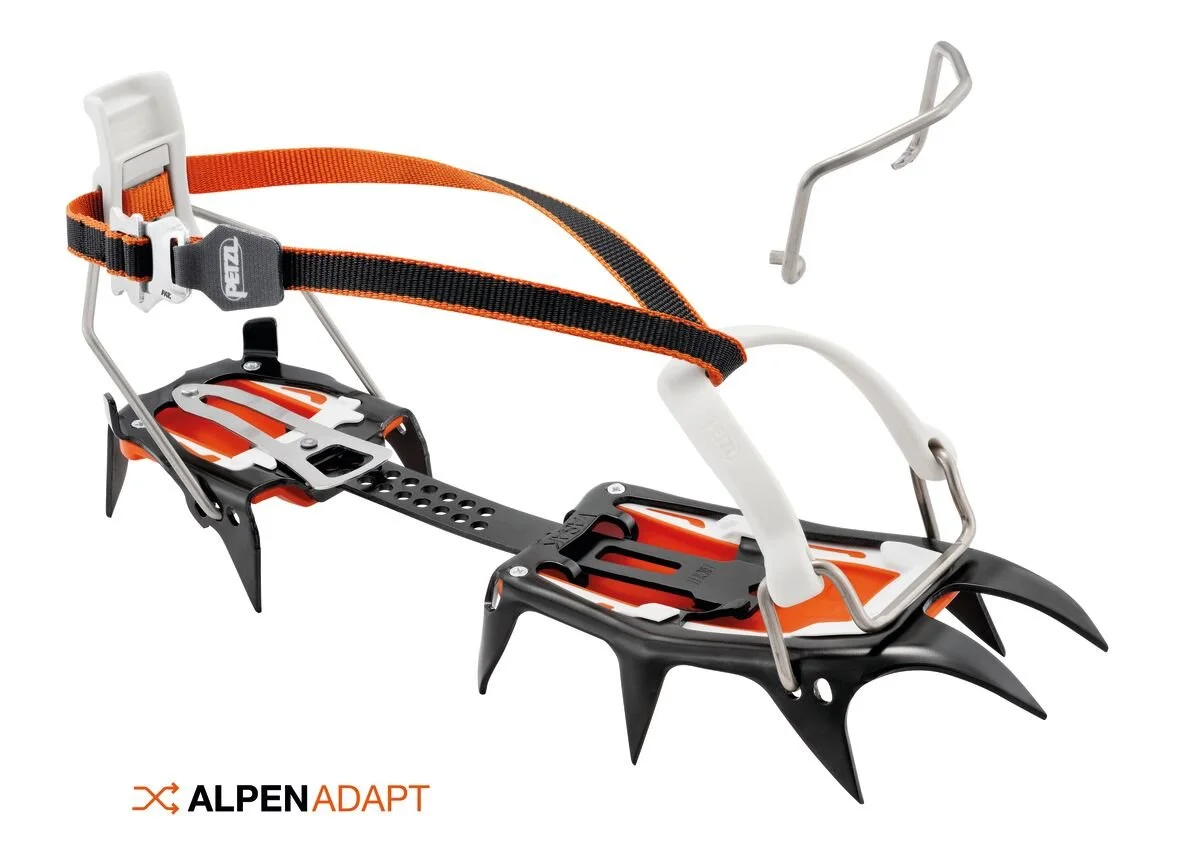
Petzl VASAK
The Petzl Vasak crampons are 12 point crampons designed for classic mountaineering. It features two long and wide front points and anti-snow systems to limit snow buildup. The Petzl Vasak comes in a leverlock universal system and a Flexlock system to fit in shoes without toe or heel welts. The crampon comes with a replaceable front section, linking bars, and bindings.
Pros:
Adjustable without specific tools
Durable steel crampons
Light weight
Adaptable binding systems
Cons
Not best for extreme vertical ice climbs
Performance lacks on mixed rock and icy terrain
Blue Ice: Griffin 12
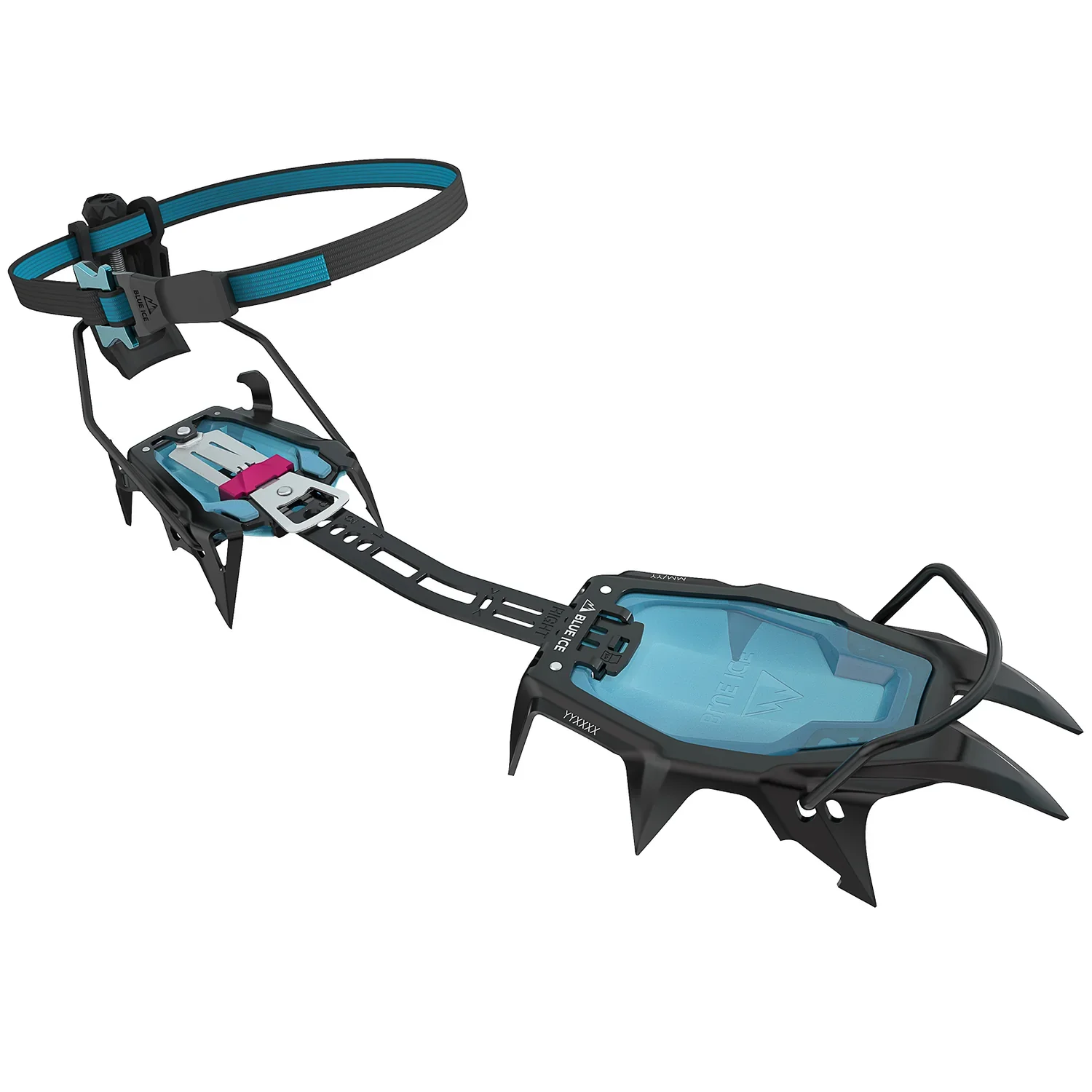
Blue Ice Griffin 12
The Blue Ice Griffin 12 Universal crampon is made using alloy steel and nylon TPU. It features 12 points of steel, of which 8 are in front and 4 are in the rear. This crampon comes with automatic and semi-automatic bindings. The Griffin 12 Universal crampon is ideal for navigating alpine and glacial environments.
Pros:
Lightweight design for comfort
Universal fit
Stable on glacier terrain and snow
Easy adjustments
Cons
Not ideal for technical ice climbing
Less suitable for steep ice walls
Black Diamond Serac
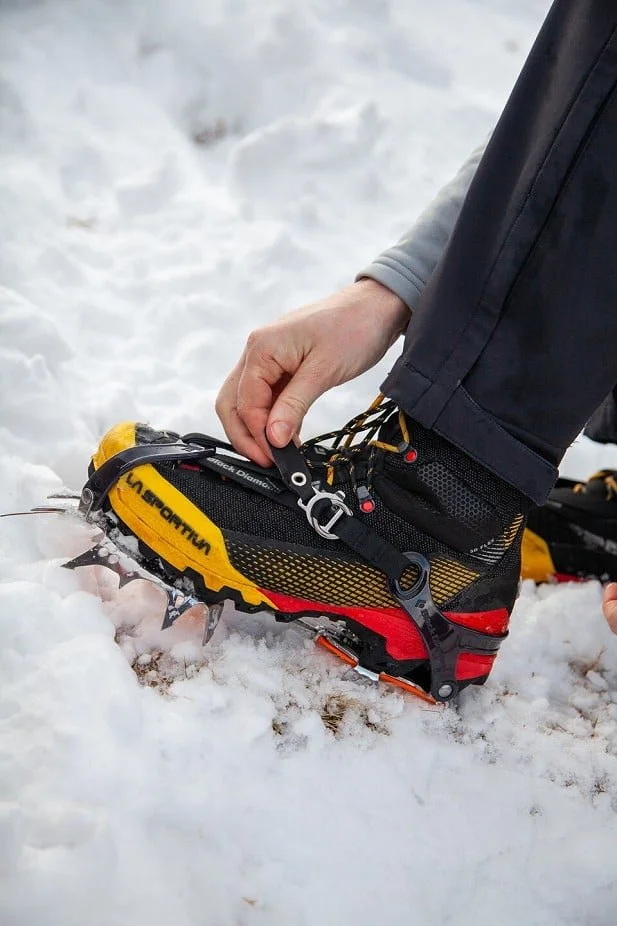
The Black Diamond Serac crampons feature 12 points with stainless build quality, providing durability and resisting snowballing effects. It gives precision fits with adjustable heel bails. Black Diamond seracs are available in multiple configurations, including a clip version for mountain boots without toe welts and a strap version for non-technical boots.
Pros:
Stainless steels for anti-rust and durability
Multiple configurations for various terrain
Snowballing resistance
Secure clip binding system
Cons
Requires boots with heel welt
Higher weight in comparison to other crampons
Mountain HardWear - G12 crampons
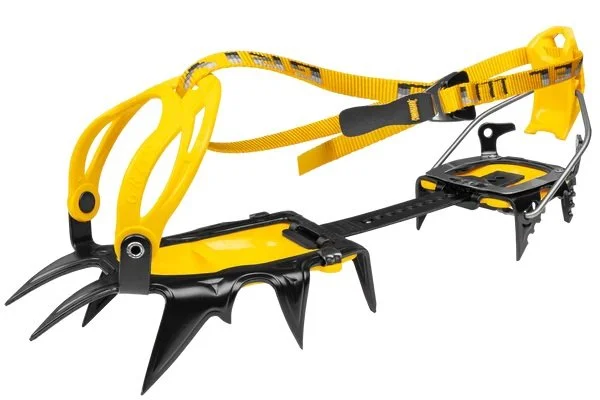
Mountain HardWear
The Mountain Hardwear G12 crampons feature 12 points, of which 8 are in front and 4 in back for perfect performance and balance. G12 is ideal for snow and ice conditions and is available in various systems, being suitable for any type of boot. The crampon is equipped with Grivel proactive Antibott in front and rear, making it the strongest and most reliable gear for mountaineering.
Pros:
Excellent balance and stability
Adjustable and versatile binding
Equips Grivel proactive Antibott in front and rear sides.
All-purpose crampons
Cons:
Heavy and bulky due to antibott plates
Adjustment is not smooth or comfortable.
Crampons: Quick Comparison
| Crampon | Type | Best For | Strength | Boot Compatibility | Price |
|---|---|---|---|---|---|
| Nimsdai Crampon | C2 / C3 Technical | Technical climbing and steep ice | Excellent ice and mixed grip | B2 / B3 boots with proper welts | USD 291.48 |
| Petzl Vasak | C2 Mountaineering | Classic mountaineering and glacier travel | Very good all-round performance | B2 / B3 boots with Flexlock options | USD 209.95 |
| Blue Ice Griffin 12 Universal | C1 / C2 Universal | Alpine and glacier terrain | Very good stability | Wide compatibility | USD 189.95 |
| Black Diamond Serac | C2 Semi-auto / Clip | Steep snow and icy ridges | Excellent precision and durability | B2 / B3 boots with heel welt | USD 219.95 |
| Mountain Hardwear G12 | C2 All-purpose | Snow and ice terrains | Good all-round performance | Most boot types | USD 130 – 200 |
If you are preparing for Himalayan expeditions above 8000m, 6000m, or other mountains in the world, Namas Adventure recommends purchasing a Nimsdai Crampons. It is because Nimsdai crampons deliver exceptional performance in every terrain condition, such as steep icy sections and rocky sections with durable build quality and lightweight design.
Renting Crampons in Nepal With Namas Adventure
For climbers planning for a budget-friendly expedition or a one-time expedition, renting accessories like crampons can be an ideal choice. Namas Adventure provides climbing gear, including crampon rental facilities, to its clients upon request. You get high-quality climbing gear from various reputed brands according to your requirements. But why rent crampons with Namas Adventure? We provide the benefits of renting crampons below:
Saves significant costs required for purchasing gears and equipment
Varieties of crampons according to your boot type and use purpose
Pick and fit option upon arrival
High quality of crampons for successful and safe navigation in the Himalayas
Saves extra weight costs of additional airline baggage weight
Conclusion
Crampons are important safety gear required during Himalayan climbing or mountaineering for stability, safety, and better grip when walking on snowy, icy, and steep terrain. They come in various types, like C1, C2, and C3 for various applications along with boot type.
You can purchase crampons according to your need and requirement for a successful expedition. Among various crampons in the market, purchasing Nimsdai crampons can be the best choice due to their lightweight design, reliable performance, and versatile use cases in various terrains.
Also, for budget climbing or for one-time climbing, rental crampons are an ideal deal that Namas Adventure provides for its clients. Contact Namas Adventure for himalayan expeditions along with renting the best-fitting crampons and other gear for safety and successful expeditions.
Frequently Asked Questions
What crampons are best for Himalayan climbing?
The best crampons depend upon the landscape and type of terrain you are climbing on. In general, crampons with 12 to 14 points with semi-automatic or automatic bindings are ideal for climbs. However, matching crampons with proper boots also plays an important role during high-altitude expeditions. Nimsdai Crampon, Petzl Vasak, Grivel G12, Black Diamond, and Mountain Hard Wear G12 are the best crampons available for high-altitude summits.
Do I need step-in crampons for Everest?
Yes, step-in automatic crampons with 12 to 14 points are crucial for technical expeditions with diverse surfaces like Everest. The step-in crampons fit securely in most kinds of boot categories and provide required traction and balance while navigating the Khumbu icefall or areas with hard-packed snow.
How to get crampons for climbing?
You can get crampons for climbing by purchasing your desired model and type from the store. Alternatively, you can rent crampons from reputable expedition organizers like Namas Adventure as budget-friendly options
