

When is the best time for Lobuche Peak Climbing
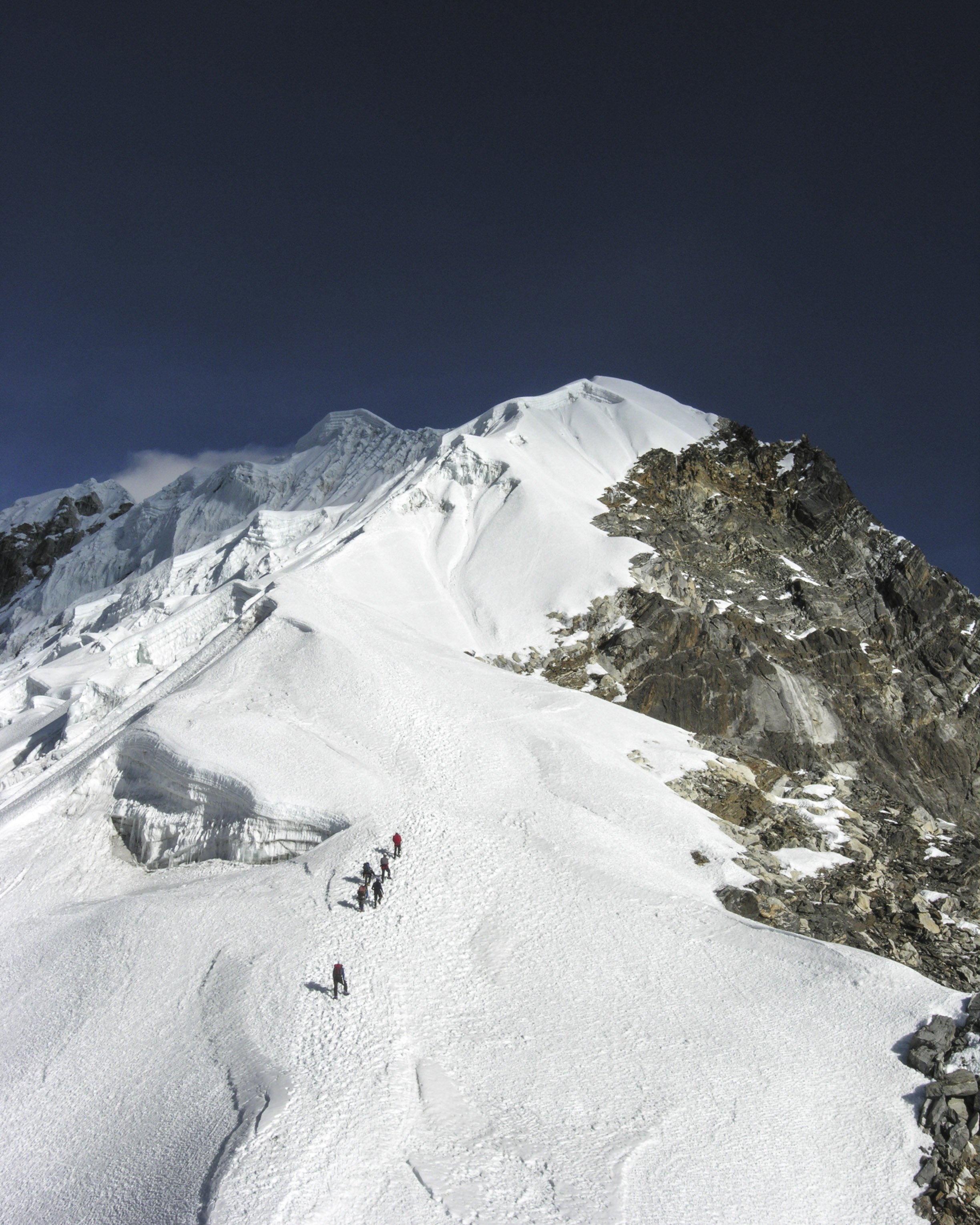
Lobuche east is also commonly known as Lobuche peak that stands tall at an altitude of 6119 m in the Khumbu region of Nepal. A climbing or peak trekking adventure to Lobuche offers an adventurous and exciting introduction to the Himalayas. Lobuche peak is also considered one major peak climbing adventure under the Khumbu three-peak expeditions. The journey here offers you the close view of mountains like Mount Everest (8,848.86 m), Lhotse (8,516 m), Nuptse (7,861), and Ama Dablam (6,812 m). You pass crossing ridges and glacier lakes and do technical climbing, providing you real mountaineering experience.
Performing the adventure during the best season further improves your adventure journey by rewarding you with clean weather, clear skies, and favorable climatic conditions. But when is the best time for Lobuche Peak Climbing? The simple answer is during the spring and autumn seasons.
In this blog, we provide information regarding the best time for Lobuche peak climbing along with weather conditions, climbing conditions, and crowd levels. We also provide details about the nearby and optional climb you can perform along with the Lobuche climb to add challenges to your adventure.
Lobuche Peak Overview
| Feature | Details |
|---|---|
| Peak Name | Lobuche East |
| Elevation | 6,119 meters |
| Region | Everest / Khumbu Region, Nepal |
| Difficulty | Moderate to Technical |
| Best Seasons |
Spring (March to May) Autumn (September to November) |
| Climbing Type | Glacier and ridge climb |
| Popular Combinations |
Island Peak (6,189 m) Mera Peak (6,476 m) |
Best Season For Lobuche Peak Climbing
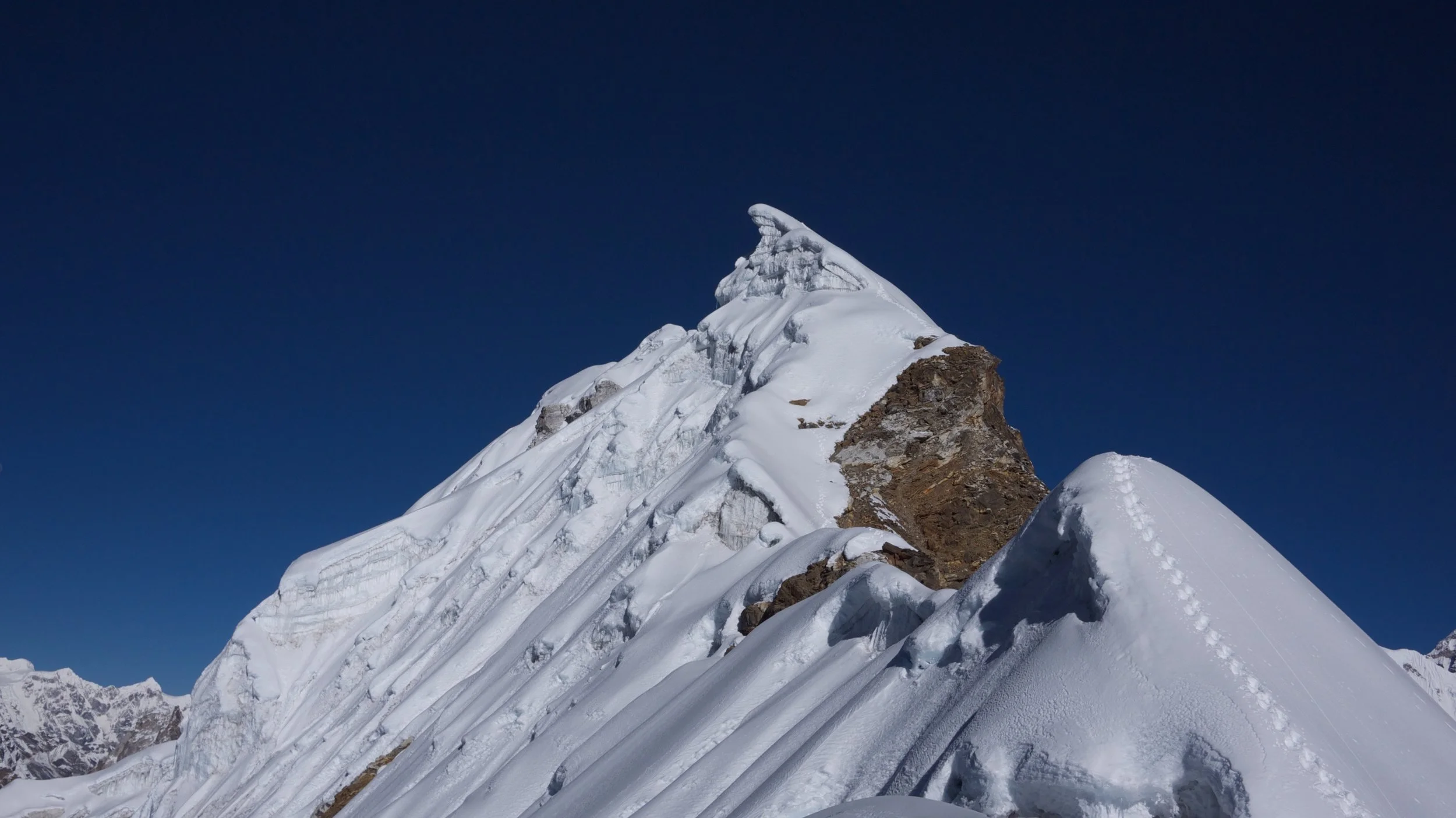
The best seasons for favorable trekking trail conditions and weather and to get a clear view of Himalayan scenery in Lobuche Peak, climbing it during spring and autumn.
Spring Season (March to May)
Spring, from march to may gives the best trekking and climbing experience, as it gives clear weather, clean skies, and favorable temperatures. You get a vibrant atmosphere, safer trails, and an excellent view of nearby peaks during spring. Spring also gives you an opportunity to witness and experience the vibrant Dumji festival in the region.
Autumn Season (September to November)
Autumn (September to November) is the ideal season for Lobuche peak climbing as the season gives predictable weather with less chance of rain. You get to observe clear skies, sunrise and sunset scenery, and less crowded trails than during the spring season in autumn. The safe trail condition and clear skies give the best close view of nearby landscapes and provide comfort during your adventure.
Weather and Climbing Conditions at Lobuche Peak
The weather and climbing conditions at Lobuche peak depend upon the season. While spring and autumn give the best experience from favorable temperature and visibility to trail conditions, seasons like winter and monsoon possess challenges like poor route conditions, extreme weather, and disturbed views.
| Condition | Spring (Mar to May) | Autumn (Sep to Nov) | Winter (Dec to Feb) | Monsoon (Jun to Aug) |
|---|---|---|---|---|
| Temperature | Daytime (5°C to 10°C), Nighttime (-15°C or lower) | Daytime (0°C to 5°C), Nighttime (-15°C or lower) | Extremely cold temperatures ranging from -20°C to -30°C | Daytime (5°C to 15°C), Nighttime (below 0°C) |
| Route Conditions | Stable snow, good for crampon use | Stable and firm climbing surface | Heavy snow, difficult climbing | Wet and slippery trails |
| Visibility | Clear skies, excellent mountain views | Crystal clear visibility | Clear but extreme cold weather | Poor visibility due to clouds |
| Wind Conditions | Moderate wind conditions | Calm and stable winds | Strong and dangerous winds | Unpredictable winds |
| Climbing Difficulty | Ideal and safe conditions due to route, temperature, and weather | Excellent and safe conditions | Very difficult and risky due to weather and route | Unsafe due to rain and slippery surfaces |
| Summit Success Rate | High success rate | High success rate | Low success rate | Very low success rate |
| Trek Recommendation | Highly Recommended | Highly Recommended | Only for experienced climbers | For experienced and adventure seekers |
Safety Considerations by Season
As we mentioned earlier, spring and autumn give the best experience and a safe journey in the Lobuche peak adventure. However, you still require the following safety considerations for ensuring more success regardless of the season you trek.
Spring and autumn: Trekking or climbing Lobuche peak during spring or autumn season is generally safer than during monsoon and winter. But still, you require bringing proper gear, equipment, and warm clothing for additional safety. Following proper acclimatization is important to make sure your body adapts to high-altitude air. Trekking with an experienced guide and following their instructions helps in maximum safety.
Monsoon and Winter: Monsoon and winter are challenging seasons due to risky trails and weather conditions. Trekking during winter increases the chance of frostbite and hypothermia. Meanwhile, monsoon challenges include slippery trails, heavy rain, and poor visibility. An adventure during these seasons requires proper gear and trekking equipment and trekking with additional caution. You might also require extreme physical preparation and prior high-altitude experience for successful adventure during these seasons.
Nearby Peaks to Combine with Lobuche East Climbing
As part of the Khumbu 3 Peaks expedition, climbers also take part in Island Peak and Mera Peak climbing to maximize their adventure. Combining these expeditions does not only increase adventure and challenges but also rewards with experience and the best view of Himalayan sceneries.
Island Peak
Island Peak (6189 m), also known as Imja Tse, is one of the challenging trekking peaks located in the Khumbu region nearby Lobuche peak. It is popular trekking peak destination, often done together with Lobuche and Mera Peak as the Khumbu 3 peaks expedition. Island Peak is a technically challenging peak that gives you mountaineering experience as you navigate through glaciers, ice steps, and rope works.
Mera Peak
The Mera Peak (6,476 m) is considered one of the highest trekking peaks in Nepal that gives a pure mountaineering experience. The trek to Mera Peak involves a ridge climb and glacier crossing, giving you the best view of surrounding landscapes and mountains like Everest and Makalu. Mera Peak is also climbed as part of the Khumbu 3 Peak expedition.
Conclusion
The best seasons to perform Lobuche east climb are during spring and autumn, as these seasons give clear skies, predictable weather, and comfortable trail conditions. Adventure during winter and monsoon brings challenges as trails are slippery, weather is extremely harsh, and visibilities are poor. Climbing with proper acclimatization, experienced guides, and bringing proper gear and accessories should be considered for safe trekking in the region. Also, optional adventures such as Mera Peak and Island Peak can also be performed as optional treks to increase challenges and rewards. Visit Namas Adventure for a successful adventure in Lobuche and other nearby peaks in the region
