

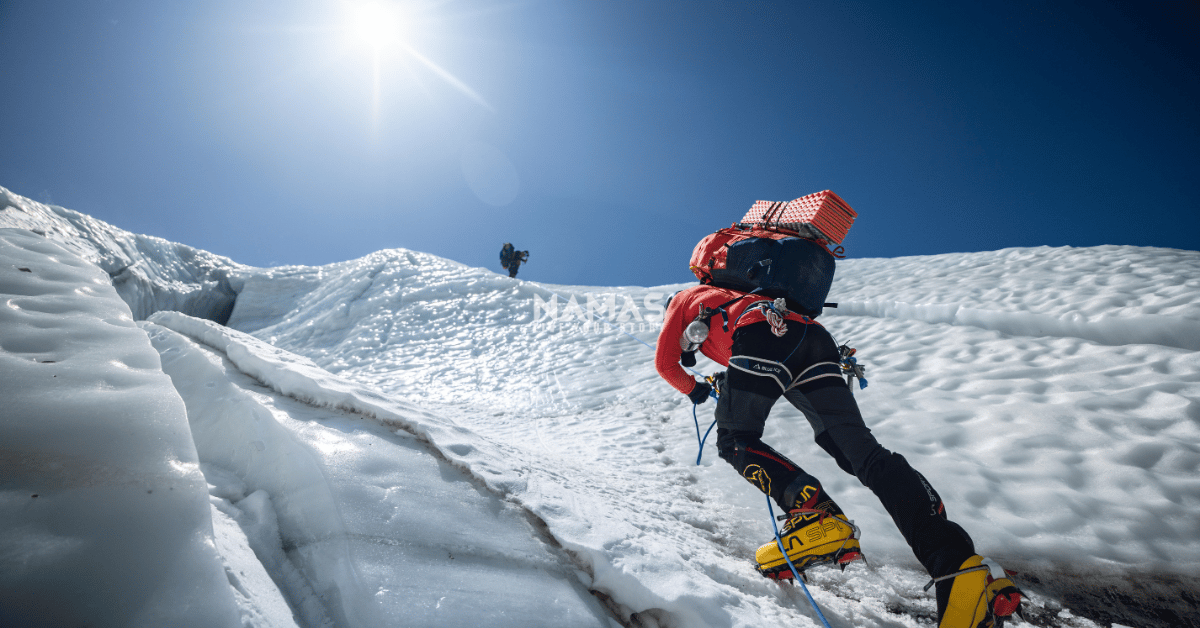
Climbing a 7000 m peak is not an ordinary task, as it requires climbers to get exposed to high-altitude challenges that demand a higher level of physical fitness. Your body requires a high level of endurance to move continuously for hours in high-altitude terrain while also carrying a 15 to 20 kg backpack. The required physical strength and fitness come from training programs that focus on improving your cardiovascular fitness, core stability, flexibility, muscular strength, and ability to recover.
But how to train physically for a 7000 m expedition? In this blog, we explain why physical training matters for a successful 7000 m expedition and ways to train properly. The information about the appropriate training duration, schedule, and physical fitness requirements is provided.
Why Physical Training Matters for a 7000m Expedition
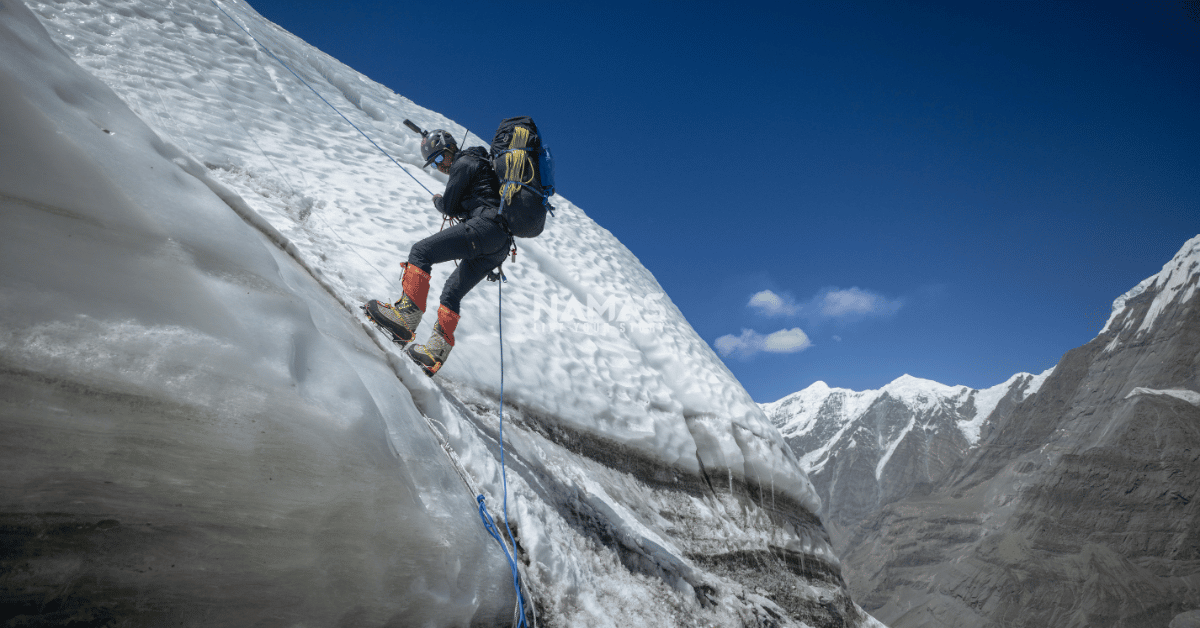
The physical training matters for a 7000 m expedition, as it helps your body to adjust to challenging conditions at high altitudes. With the increasing height, your body feels several difficulties due to lack of oxygen, exhaustion, severe cold, and challenging terrain. Also, the requirement of carrying one's own backpack load adds further strain to the body. In such situations, physical training helps in:
Ability to adjust while navigating steep and uneven terrain
Main steady pace while walking for long hours
Carry personal backpack or load
Improved muscular endurance to help you stay energized
Reduce chances of injuries and fatigue
Recover faster in comparison to normal days.
While physical fitness is critical for 7000 m summit success, mental preparation with technical skills and previous experience also matters.
How Long Should You Train Before a 7000m Expedition?
The ideal training timeline depends upon several factors, which include your previous climbing experience, physical fitness, season of expedition, and technical difficulty of the peak. However, the recommended training timelines are provided in the table below:
| Peak Altitude | Recommended Training Duration |
|---|---|
| Up to 6,500 m | At least 10 weeks of structured endurance, strength, and altitude-focused training (or longer based on fitness level). |
| 7,000 m to 8,000 m | At least 20–24 weeks of advanced mountaineering preparation, including endurance, strength, technical climbing, and altitude acclimatization (or longer if required). |
During the 20 to 24 weeks of training for 7000 m peak climbing, the climber focuses on strengthening their muscle strength, aerobic strength, mental stability, and overall fitness requirements for a successful summit.
Physical Fitness Requirements for a 7000m Expedition
The 20 to 24 weeks long training helps to fulfill the physical fitness requirement for the 7000 m expedition. The physical fitness requirements for a 7000 m peak expedition are explained below:
Aerobic Endurance
A 7000 m peak expedition demands aerobic endurance to ensure you maintain your strength for a long time period. Exercises like running, hiking, swimming, cycling, and inclined treadmill walking help to increase your aerobic endurance. Aerobic endurance also helps in maintaining a controlled pace for balanced performance during an expedition.
Muscular Strength
Muscular strength is important to maintain stability and the ability to perform repeated movement across multiple days. It helps to maintain your energy level for long activities, including ascents and descents. Climbers can improve muscular strength through exercising squats, lunges, deadlifts, and calf raises.
Core Stability
Climbing a 7000 m mountain requires a strong core to help you in maintaining balance and controlled movement while navigating rocky and uneven terrain. A strong core also helps your body to carry a backpack for a long duration. Core training involves planks, side planks, mountain climbers, and several other exercises that focus on maintaining stability and control.
In addition to physical strength, climbers are also required to enhance their mental strength to stay focused and motivated. Mental preparation helps to make the right decision along with supporting your body in a harsh, high-altitude environment above 7000 m.
Physical Training Schedule for a 7000m Expedition
A 20 to 24 week physical training session can be carried out in a planned way by focusing on cardiovascular endurance, lower body strength, muscular endurance, and loaded simulation. The training volume and intensity must be managed according to your body’s physical condition and fitness requirements.
| Training Phase | Primary Focus |
|---|---|
| Weeks 1–5 | Build an aerobic base by improving cardiovascular endurance, mobility, and overall body strength. |
| Weeks 6–10 | Increase strength while simulating elevation gain through uphill hiking, stair climbing, weighted pack training, and lower-body conditioning. |
| Weeks 11–15 | Focus on mountain-specific training with long hikes, elevation gain, backpack training, and endurance under load. |
| Weeks 16–19 | Simulate expedition conditions through long-duration hikes while using expedition gear and mountaineering equipment. |
| Weeks 20–24 | Recovery and final preparation by reducing training intensity, maintaining light activity, and preparing physically and mentally for the 7,000 m expedition. |
Why Back-to-Back Training Days Matter
Climbing a 7000 m mountain requires climbers to get exposed to high-altitude terrain and climate for long days. The long days of trekking required to reach base camp and carry a backpack with weight, wearing gear and equipment, can be challenging if continuous training is not provided. In a technically difficult 7,000 m mountain like Annapurna IV (7,525 m), climbers can’t compromise on minor gaps, as the mountain tests climbers' endurance, technical skills, and physical strength in each step.
Peaks like Lenin Peak (7,134 m), Himlung Himal (7,126 m), and others also require back-to-back training as climbers get exposed to physical exhaustion and difficulties for several days. Back-to-back training helps climbers to increase their endurance, fatigue resistance, packing, and ability to quickly recover by simulating the real experience that they face in mountains.
Should You Train Differently for Different 7000m Peaks?
As the technical difficulty, altitude, climate, route profile, and backpack weight differ according to the technical difficulty of the peak, you should train differently to meet the requirement of the specific mountain. For peaks with technical difficulties like Annapurna IV, climbers are required to have longer days of training focusing on technical movement, steep climbing, balance, core stability, and increasing upper body strength.
Meanwhile, training for a beginner peak like Lenin Peak must put focus on long-duration endurance, uphill navigation, and the ability to carry a backpack. Similarly, other mountains like Himlung Himal and Tilicho Peak (7,1234 m)may require a combination of strong aerobic endurance, muscular endurance, and technical climbing skills.
Physical Training Is Only One Part of 7000m Preparation
Climbers planning for a 7000 m expedition must understand that physical training is only a part of preparation. They must also prepare mentally and technically to deal with the high-altitude mountaineering challenge. As climbers with physical preparation can face difficulties in navigating due to lack of technical expertise or mental breakdown, overall preparation is important. Besides physical training, climbers should also focus on:
Altitude management and acclimatization
Technical mountaineering skills
Improve ability to use gears and tools like ice axe and crampons
Ability to navigate in fixed-rope sections
Using equipments and gears
Mental preparation
Nutrition, recovery, sleep management, and rest
Conclusion
Training to climb 7000 m mountains requires a structured approach and back-to-back training that focuses on building muscular strength, improving aerobic endurance, improving core stability, and training while carrying backpacks. The training sessions must involve simulations that help your body to adjust to the real mountain scenario. As every mountain tests climbers with different levels of threats and difficulties, climbers must also prepare accordingly.
If you are planning to summit 7000 m, Namas Adventure can help you from the preparation and training stage to real expedition moments. The expert team ensures you are prepared for a 7000 m peak expedition and helps you during every step while focusing on safety and maximum expedition success
