


Preparation for high altitude is not as easy as it seems, as altitude, especially above 7000 m, possesses several challenges. While expert climbers highlight the importance of physical endurance, improved cardiovascular fitness, technical skills, and the importance of acclimatization, very few experts express the importance of mental preparation for climbers. Mental or psychological readiness is critical, as high altitude not only challenges your body but also affects your emotions, judgment, confidence, and thinking ability. Being mentally prepared about the high-altitude challenges and conditions is critically important to deal with conditions that impact your decision-making ability and maintain your motivational level.
In this blog, we explain the importance of mental preparation along with physical preparation during high-altitude expeditions above 7000 m. The difference in physical and mental preparation, psychological challenges above 7000 m, and ways to train the mind before an expedition are also explained.
Why Is Mental Preparation As Important as Physical Preparation?
Physical preparation gives competitive advantage when navigating in high-altitude zones above 7000 m. But along with physical preparation, mental readiness is equally important as you deal with poor sleep, exhaustion, reduced oxygen, fear, and harsh conditions. Physical preparation alone does not help to deal with these situations, as these factors directly impact your mind.
While physical preparation helps to support your mind and the decision you made, if you are demotivated and your mind is ready to give up, the fitness of your body does not matter in the situation. As your mind does not work in the same manner as it works at high altitudes, being aware about high-altitude challenges and keeping a mindset to face them helps you to increase your mental strength. Mental strength is not just about going high; it's about preparing yourself to make the right decision while considering every sign and symptom and being aware of the mentality to return safely.
Difference in Physical and Mental Preparation
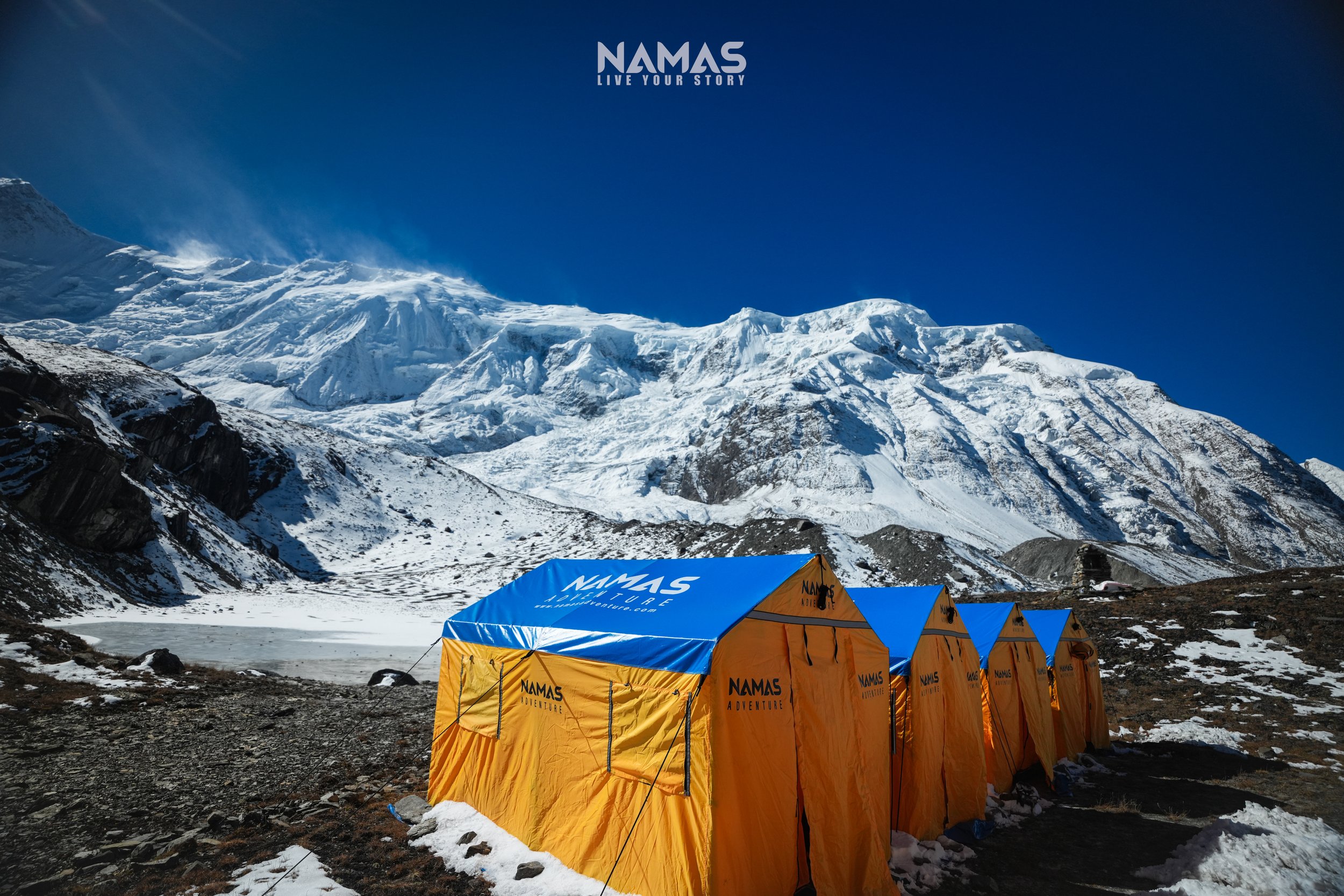
Physical and mental preparation are critical and important requirements for climbers during high-altitude expeditions. They are different but equally important for climbers to reach the summit and return safely to base. The differences in physical preparation and mental preparation are provided below:
| Physical Preparation | Mental Preparation |
|---|---|
| Develops cardiovascular endurance and strengthens muscles for long climbs. | Improves decision-making while controlling emotions at high altitudes. |
| Improves technical climbing skills and the ability to use climbing gear. | Keeps climbers motivated to handle high-altitude stress and exhaustion. |
| Trains the body to tolerate physical stress, fatigue, and burnout. | Helps recognize the effects of changing altitude and weather, enabling better decisions during discomfort. |
| Includes proper nutrition, exercise, and hydration planning. | Focuses on managing emotions, fear, frustration, and coping with exhaustion. |
Psychological Challenges That Climbers Face Above 7000m
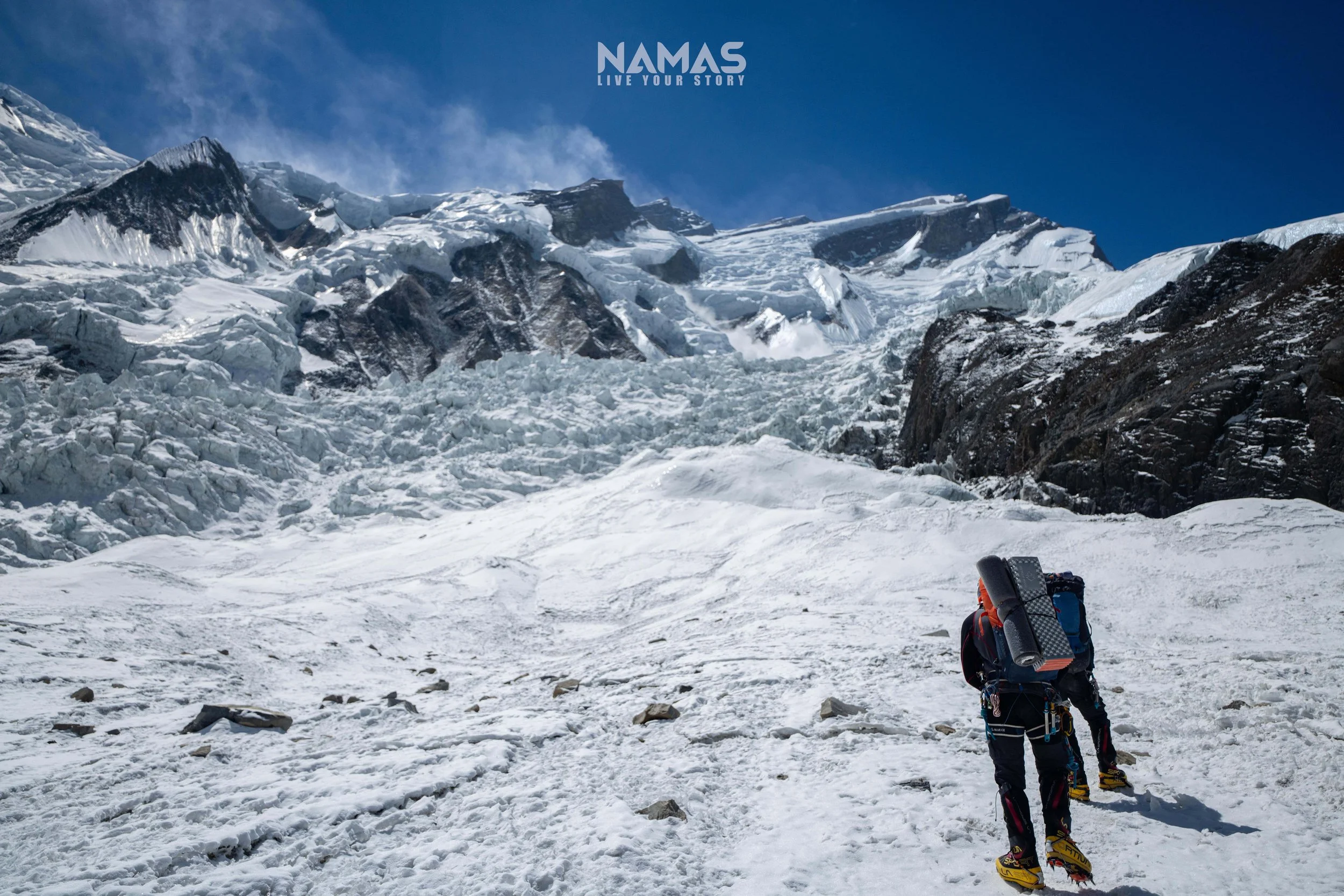
Climbers face several psychological challenges above 7000m. Even if climbers are physically able to overcome the challenges, the mindset or mental condition of climbers influences the ability. The high-altitude weather and atmospheric conditions place several challenges that impact climbers' psychology, such as decision fatigue, hallucinations, summit fever, fear-management challenges, hypoxia, and many more.
Decision fatigue
Taking the right decision at 7,000 m is not as easy as it is at normal altitudes. As you are dealing with low oxygen, severe weather, and exhaustion, decision fatigue occurs. Decision fatigue limits your mind’s ability to make the right decision and analyze the situation. And in these situations, early mental preparation alerts climbers to report to their team and guide and follow clear procedures for safety.
Hallucinations
Hallucinations are a common psychological experience that climbers face at extreme altitudes. Climbers may interpret wrong and imaginary visuals and information due to hallucinations. This event is influenced by extreme fatigue, lack of sleep, dehydration, extreme cold, and stress. Preparing your mind helps to deal with hallucinations by letting the climber feel its symptoms and informing guides or teams.
Summit Fever
Summit fever is a psychological condition that occurs in high-altitude expeditions where a climber ignores safety, fails to analyze the situation, and makes the wrong decision to summit the peak at any cost. This condition is important to monitor and control to minimize safety risks. Early mental preparation helps in knowing the symptoms of summit fever and managing it by taking appropriate action or consulting with expert guides and the support team.
Fear Management
The isolated environment, extreme weather, and difficult terrain of altitudes above 7000 m trigger fear among climbers. For summit success, fear is important to eliminate, as it affects motivation levels and triggers panic among climbers. Early mental preparation helps in managing fear through strong motivation and mindset to overcome obstacles.
What Experienced Climbers and Guides Say About Mental Preparation
Experienced climbers and guides highlight the importance of mental preparation along with physical preparation. They suggest that management of expectations, fears, and presence of mind in every step is important. Experienced climbers also highlight the importance of communication and sharing climbers' mental states. Climbers must be able to express their feelings of fear, inability to continue, and lack of control over their minds to the team or guide as early as they feel them.
Elite climbers also emphasize that the true battle is conquering your mind, fear, and ego, not the mountain itself. At altitudes above 7000 m, conquering the mind does not mean eliminating fear, but it means accepting fear, dealing with it, and continuing with it. Mental preparation is therefore important in maintaining self-awareness and discipline and making the right decision at every step.
How Do You Actually Train Your Mind for a 7000m Climb?
Training your mind for a 7000 m expedition involves building mental or psychological endurance while meeting your physical fitness requirements. Climbers must train or mentally prepare by simulating discomfort, mastering rhythmic breathing, and executing repetitive tasks under stress and physical fatigue. Climbers can train the mind for a 7000 m climb by
Practicing decision-making: Climbers must practice complex decision-making ability during practice and training. Simulating or thinking about difficult situations helps you to take a pre-planned response in real situations where you are experiencing exhaustion and fatigue.
Train in Uncomfortable Conditions: Improve your mental resiliency by exposing yourself to low-altitude treks and peaks. Practice at low-altitude peaks helps in preparing your mind and body to face critical situations during actual climbs.
Know your limit: Know your limit and signal that your body is facing exhaustion and difficulties. Share your experience and feelings with the guide, teammates, and support team so that your situation can be accessed or managed.
Expectation: Believe in yourself but never set unrealistic expectations, as it can break your motivation if things don’t go as per plan. Set realistic expectations and prepare for difficult and challenging scenarios while also focusing on safety.
Conclusion
Mental preparation is equally important for high-altitude expeditions above 7000 m as physical preparation. A climber’s mental preparation helps in making informed decisions, controlling emotions, controlling psychology, and developing the ability to deal with challenging situations. Mental preparation helps to understand and deal with psychological challenges, such as fear, decision fatigue, hallucinations, and summit fever.
Planning to summit a 7000 m mountain? Contact Namas Adventure, the leading expedition company that focuses on safety and maximum summit success through well-planned strategy, expedition training, and support from expert guides and teams
