

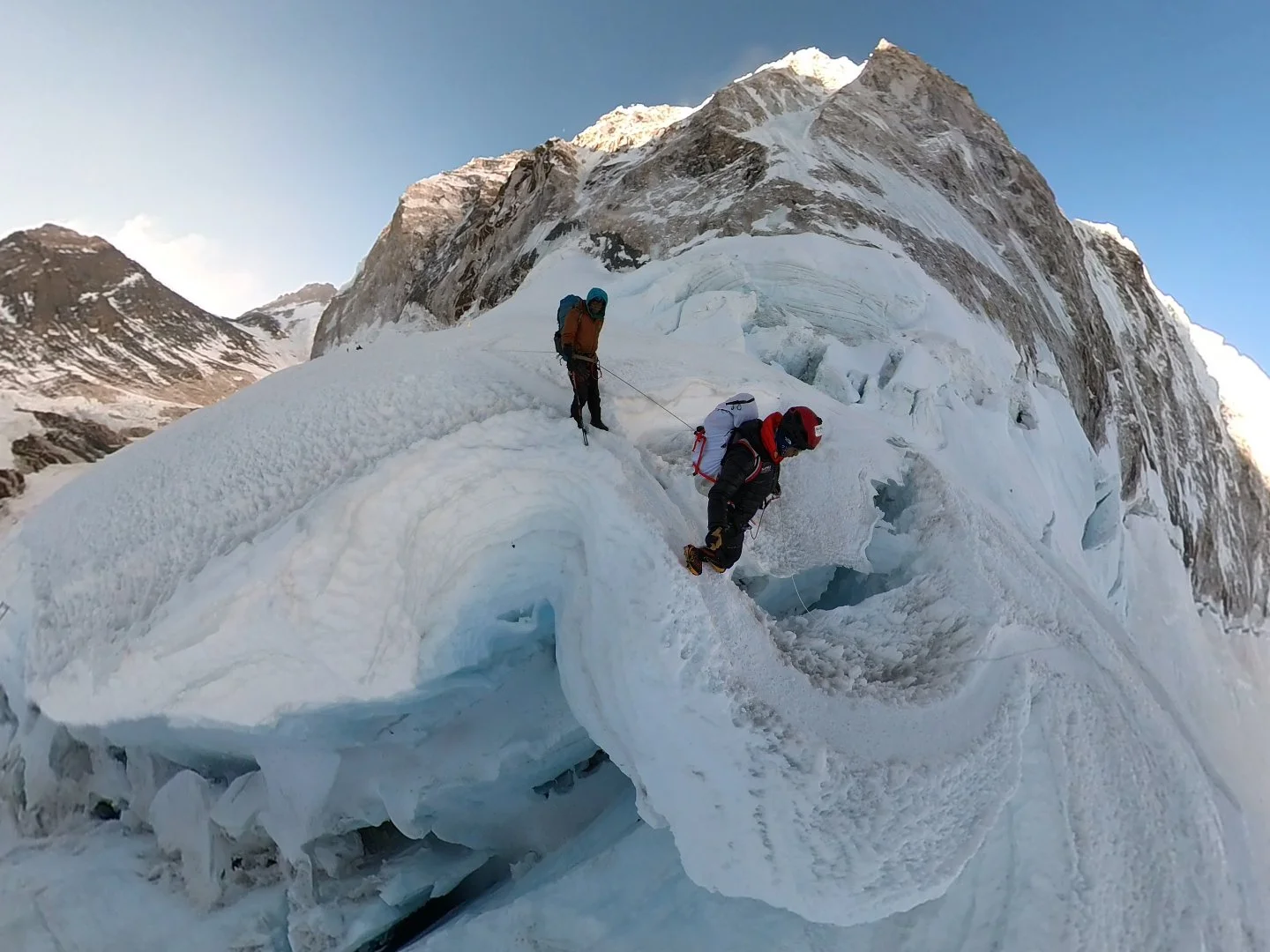
Reaching the top of the mountain or summit is the primary target and dream of every mountaineer. To achieve the dream, mountaineers train for several months and spend several weeks on challenging and difficult climbs. But the environment at 8,000 m altitude is unforgiving, as mountaineers are challenged with severe weather, lack of oxygen, and hazardous terrain.
Along with freezing wind, cracking seracs, avalanches, and snowstorms, summit fever, your psychological drive to reach the summit at any cost or condition without considering the condition and analyzing the situation, is the key threat. Summit fever has claimed the lives of many experienced and elite mountaineers in the history of mountaineering, especially in the death zone at altitudes over 8000 m. This psychological trap may occur to anyone regardless of their experience.
In this blog, we explain what summit fever is and the factors that cause it and provide a real incident that occurred due to summit fever. Also, we provide information about its symptoms and how elite expedition teams manage the symptoms.
What Is Summit Fever?
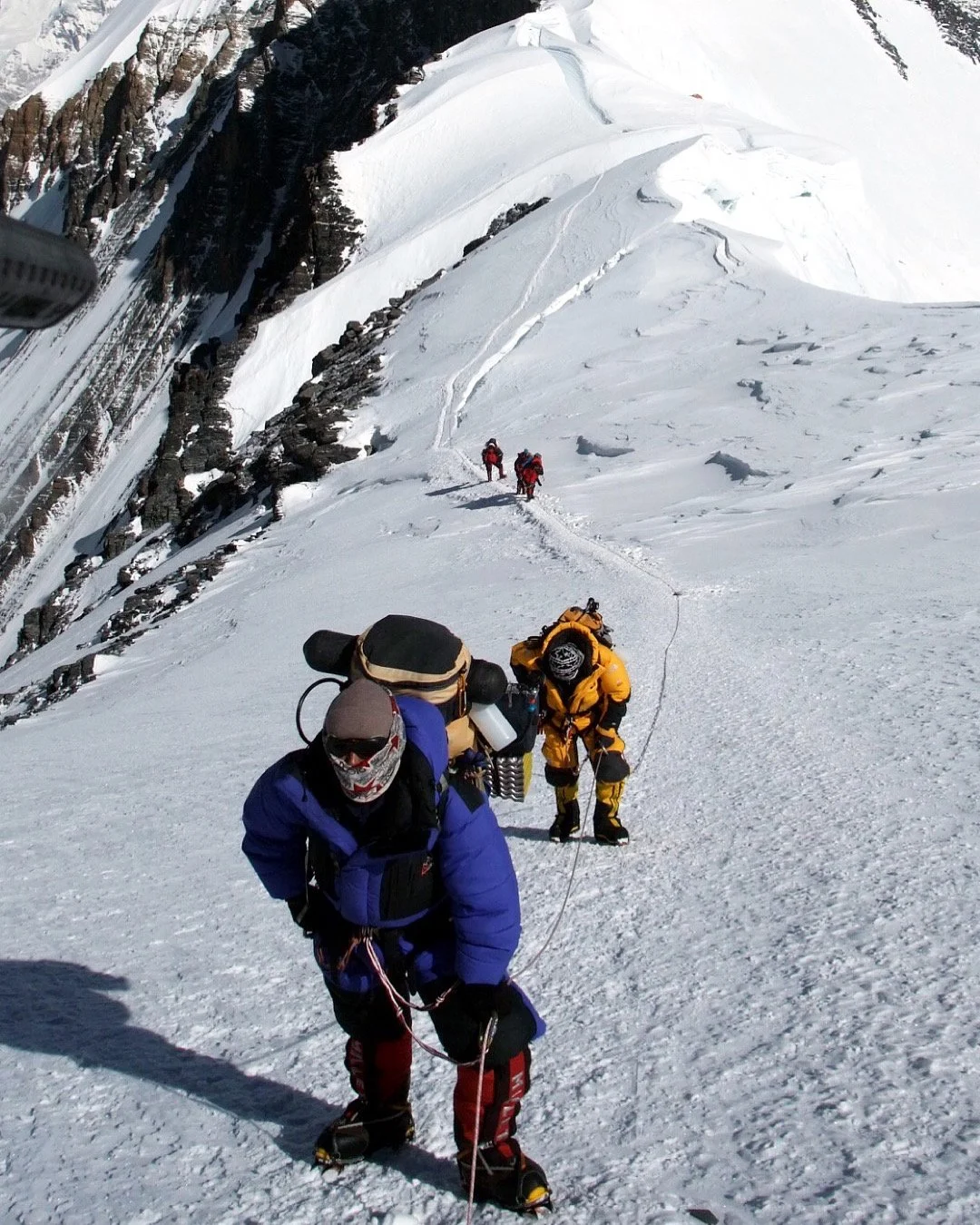
Summit fever is the overwhelming need to reach the top of the mountain by ignoring safety protocols, rules, and signs of fatigue, weather, or low oxygen level. It is the psychological condition that impacts the thinking or decision-making ability of climbers and triggers them to take risky decisions without considering consequences.
The condition is risky and not only affects beginner climbers but also impacts elite climbers who are focused on achieving their goals or target. Summit fever affects the ability to follow the golden rule of mountaineering. While climbers may reach the summit, taking the wrong decision may decrease their chance of safely returning to the base.
Psychological and Physiological Reasons Behind Summit Fever
The summit fever is driven by the combination of psychological and physiological reasons that impact climbers' ability to calculate risks and make right decisions. Some key psychological and physiological reasons behind summit fever are provided below:
Severe Hypoxia
One of the main physiological reasons behind the summit fever is severe hypoxia. When climbing above 8,000 m, the oxygen availability is one-third of sea level. Due to lack of oxygen in the high altitude, the condition of severe hypoxia impacts the prefrontal cortex of the brain and decreases the ability of decision-making and leads to hallucinations. The inability to make the right decision, climbers feel a false sense and make climbing decisions regardless of the situation.
Goal Fixation
Goal fixation impacts the psychology of the climbers as they have prepared for months and years to achieve their summit dream. Climbers prioritize the summit as a prime target without considering the situation, time, risks, and safety. No matter the conditions, goal fixation influences climbers to meet goals anyhow.
The Sunk Cost Effect
The Sunk Cost effect is also the psychological factor that influences summit fever. As climbers invest a huge amount on gear, training, permits, and expeditions, they view turning back as wasting money and sacrificing time. Returning or halting the summit attempt makes them feel disappointed. Instead of analyzing the situation and accepting temporary disappointment, they continue the summit attempt.
Physical Exhaustions
The physical exhaustion is due to physiological factors caused by extreme fatigue due to weeks of walking in harsh temperatures and terrain. Physical exhaustion leads to calorie deficits and dehydration and hampers the willingness of climbers to consider warning signs and calculate risk. Physical exhaustion leads to severe mistakes that urge climbers to summit the mountain at the wrong moment.
Ego and Adrenaline
The ego pushes climbers to prove themselves, and the adrenaline rush gives the feeling of being stronger than they are. When climbers feel they are near the summit, their ego pushes them to climb anyhow without considering consequences.
Real Cases of Summit Fever
The cases of summit fever have led to tragedy and accidents in the history of mountaineering. While other factors also play a role in disaster, the summit fever further makes the situation worse. From the Mount Everest 1996 disaster and the Mount K2 disaster in 2008, the summit fever warns every mountaineer to take the situation seriously.
Mount Everest (1996 Disaster)
The 1996 Mount Everest disaster represents one of the tragic accidents due to summit fever. On May 10, 1996, the commercial expedition leader Rob Hall from Adventure Consultants and Scott Fischer of Mountain Madness made a risky decision driven by a psychological drive to summit Everest along with clients. Both the team ignored the 2 PM rule of Everest and failed to turn around for safety.
As both expedition teams headed towards the summit, the massive bottleneck was created at Hillary Step and drained their oxygen supplies. Robhall’s clients Dough Hansen, Jon Krakauer, and Yasuko Namba pushed to the summit alongside Fischer’s client Sandy Hill Patman and stood at the summit until 4 PM. Due to the afternoon blizzard, many climbers were trapped in the freezing death zone, leading to exhaustion and hypoxia. The incident took the lives of 8 climbers, including leaders Rob Hall and Scott Fischer, Adventure Consultants guide Andy Harris, and clients Doug Hansen and Yasuko Namba.
David Sharp on Mount Everest (2006)
The tragic story of British climber David Sharp on May 15, 2006, is also the example of summit fever in mountaineering history that reminds us how dangerous the "summit at all costs" mentality is. David Sharp was a highly determined climber with the goal of achieving the summit at any cost. He even told his fellow climbers that he could go to any limit to stand at the top of Everest.
David chose a low-budget expedition to avoid constraints and chose an independent approach without the support of a Sherpa and guide. With just two bottles of supplemental oxygen, he reached the tops and returned to Green Boot Cave for shelter as he experienced lack of oxygen and hypothermia. The next day, the expedition teams noticed David Sharp alive and provided oxygen and chose to push for the summit. During their return. They found Sharp completely frozen and passed away.
The 2008 K2 Tragedy
The 2008 K2 tragedy claimed the lives of 11 climbers due to a bottleneck of 17 climbers that delayed the ascent at Bottleneck traverse in the world's second-highest mountain. The bottleneck made climbers lose hours of daylight, making them push to the summit late in the afternoon. The climbers made the decision for a summit push even though the sign of unstable ice formation and deteriorating conditions was observed.
When descending, the massive ice serac collapsed and killed 11 climbers who could have survived if proper decisions and climbing times were considered. This k2 disaster represents how psychological commitment and poor timing can lead to exposing climbers to object hazards and produce catastrophic outcomes.
Warning Signs of Summit Fever
The signs and symptoms of summit fever are not invisible, as you can experience and feel them when climbers override rational judgments and ignore safety and risks. Some of the common warning signs of summit fever include the following:
Ignoring turnaround time: Climbers ignore the turnaround times, 2 PM rules, or any rules for safety with the mental state of summiting a nearby peak.
Refusal of advice: Refusing advice and guidance provided by guides and other climbers on the expedition and continuing for the ascent.
Ignoring weather and physical condition: Continuing to climb while ignoring severe weather conditions and physical condition of the climbers.
Tunnel Vision: Losing awareness regarding the situation to pursue the goal of the summit.
Ignoring the 50% rule: Forgetting that reaching the summit is half the achievement and the return requires the same level of comfort and effort.
How Elite Climbers Resist Summit Fever
Summit fever occurs to everyone regardless of experience. But the way a climber resists it is important. Elite climbers manage the summit fever through the following:
Following Strict Turnaround Times (T.A.T.) while managing and avoiding emotional decision-making
Agreeing upon pre-decided conditions and following guide’s and team's advice
Maintaining mindset of “summit is optional, returning is mandatory”
Continuous risk assessment and choose for safe return in case of negative symptom
Setting aside ego and maintaining discipline.
Conclusion
Among several risks presented by mountains above 8000m, summit fever is undoubtedly the serious condition where a climber's own psychology risks their life. The conditions of severe hypoxia, physical exhaustion, goal setting, ego, and adrenaline impact the decision-making ability of a climber. The tunnel vision loses the climber's ability to analyze the situation and push for achieving the goal to reach the summit. Various incidents in Everest and K2 of summit fever have shown how costly it can be.
Namas Adventure always focuses on safety over summit success. The experienced guide and team follow strict risk management protocols, respect safe turnaround times, and make decisions based on situations while ignoring emotional biases. Namas Adventure also provides physical training to make you adapt to the challenging terrain of the Himalayas. Their expert guide also helps you to avoid the psychological condition of summit fever by monitoring your situation and keeping you aware
