

Everything you need to know about Lenin Peak 7134M Expedition
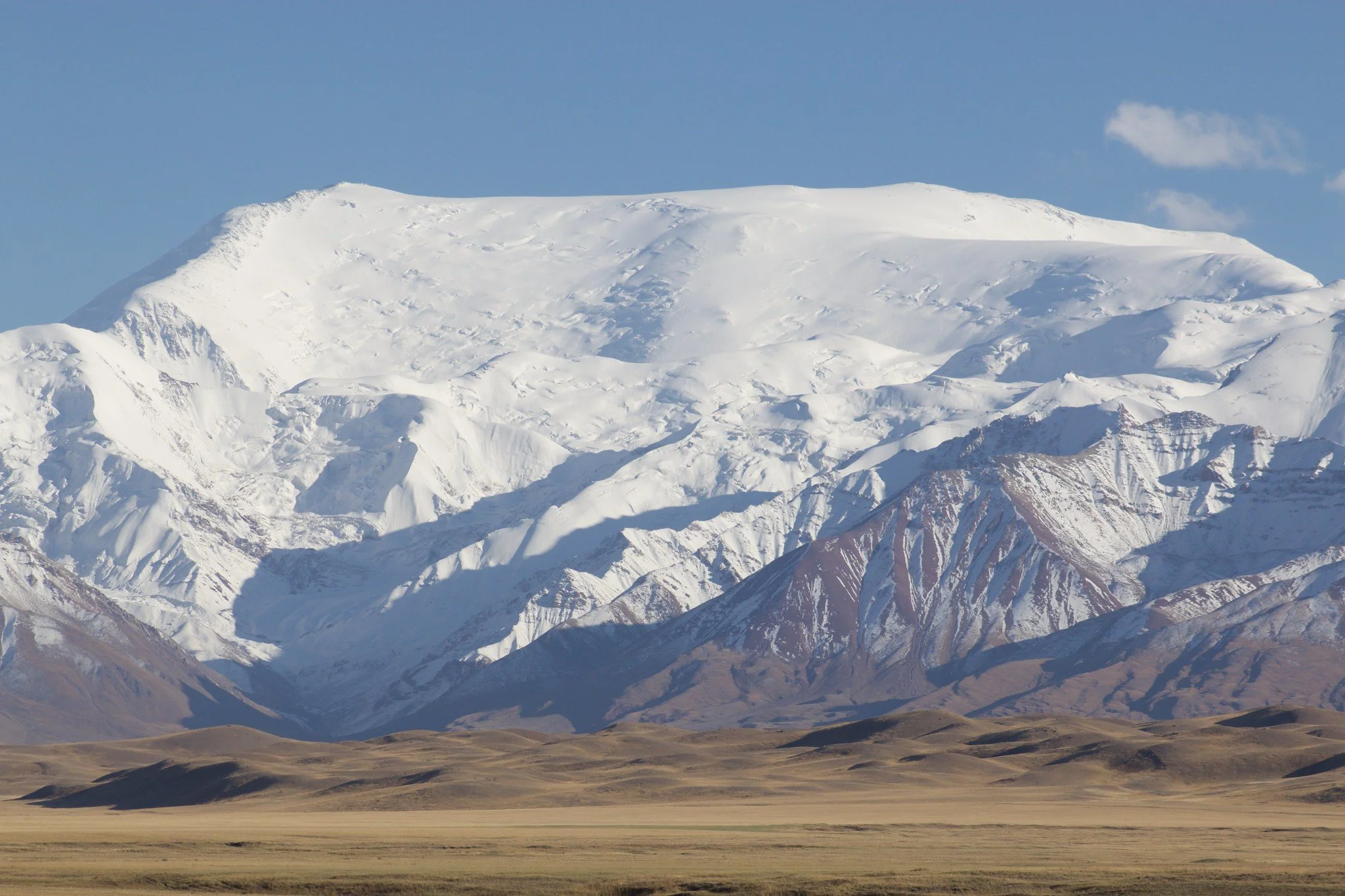
Lenin Peak (7,134 m) is one of the accessible 7,000 m peaks located in the Trans-Alai range in the Pamir Mountains bordering Kyrgyzstan and Tajikistan. The peak is a popular choice for climbers who want to gain high-altitude climbing experience to proceed to 8000 m challenges. Lenin Peak challenges climbers with high altitude, crevasses, challenging weather, and the risk of sudden avalanches. While climbing Lenin Peak takes an average of 19 to 25 days, climbers are required to prepare with proper acclimatization, physical fitness, navigation skills, and rest to manage high-altitude conditions.
Although Lenin Peak is considered one of the accessible 7000 m peaks in comparison to other 7000s, climbing it still requires proper preparation and appropriate gear or equipment with proper strategy for a safe and successful expedition.
Challenge yourself, live your story, and dare great things with Namas Adventure!
Lenin Peak Overview
| Detail | Information |
|---|---|
| Elevation | 7,134 m / 23,405 ft |
| Location | Kyrgyzstan and Tajikistan border |
| Mountain Range | Pamir Mountains Range |
| Main Route | North Route via Kyrgyzstan |
| Difficulty | AD/4; moderate technical difficulty |
| Best Season | July to August |
| Main Base Camp | IMC "Pamir," Achik-Tash Valley |
| High Camps | Camp 1, Camp 2, and Camp 3 |
| Known for | Non-technical 7000m peak for preparation for high-altitude climbs |
| Recommended Experience | Previous 4,000 and 6,000 m+ climbing experience |
Lenin Peak Climbing Route
The standard route for the Lenin Peak expedition begins from IMC Pamir Base Camp in the Achik-Tash valley (3,600 m). Climbers take a journey through a stunning alpine landscape to cross Puteshestvinnikov Pass (4,200 m) to reach Lenin Glacier. The main route that climbers take to reach the summit of Lenin Peak is from IMC Pamir Base Camp, which leads to Camp 1, Camp 2, Camp 3, and the top of the peak.
From the base camp, the route takes climbers to glaciated terrain, where climbers cross dry Lenin Glacier and ascend long snow slopes to reach camp 3. The final section from camp 3 to reach the summit is one of the most challenging and demanding parts of the expedition, as climbers need to cross steep snow and exposed ridge sections using fixed ropes.
Lenin Peak Climbing Camps
The main expedition route to climb Lenin Peak (7,134 m) features the main base camp and three high-altitude camps, which include:
Base Camp (Achik-Tash): 3,600 m
Camp 1 (Advanced Base Camp / ABC): 4,400 m
Camp 2: 5,300 m to 5,600 m
Camp 3 (Razdelnaya Peak): 6,100 m
The location of high-altitude camps may vary depending upon weather, route, and snow conditions. Climbers must expect that the elevation of the camps may not be fixed and follow the expedition team’s camp plan.
Lenin Peak Acclimatization Strategy
As the Lenin Peak expedition takes you to the altitude above 7000 m, acclimatization is extremely important to adapt your body to high-altitude air. Your acclimatization strategy must include a hike followed by progressive camp rotation between Base Camp, Camp 1, Camp 2, and Camp 3. A typical acclimatization strategy includes the following:
Acclimatization at Base Camp
Climb to camp 1 and do an optional acclimatization hike
Progress to camp 2 and camp 3
Descend to recovery
Repeat acclimatization rotation
Final summit push during weather window.
Besides acclimatization, climbers are also required to maintain pace, be aware of the situation, and follow the instructions of the guide and support teams for safety and successful expeditions.
Difficulty of Lenin Peak
Lenin Peak is considered one of the accessible 7000 m peaks with less to moderate technical difficulty. Being regarded as an entry-level 7000 m peak, the route is less technically demanding when compared to 7000 m expeditions like the Annapurna IV expeditions, Api Himal Expeditions, Tilicho Peak, and others.
Although Lenin Peak is comparatively easier than other technical climbing peaks, climbers still get challenges physically and mentally. Some of the major challenges include the following:
Extreme altitude
Risk of long and steep snow slopes
Glacier travel and crevasses
Strong wind, extreme weather, and avalanche
Extreme cold and long summit days
Best Time to Climb Lenin Peak
The best time for the Lenin Peak expedition is during the summer, from July to August. This period offers the most favorable weather conditions, allowing for safer ascents and clearer views of the surrounding Pamir range. However, the weather and route condition of the mountain may change quickly, due to which contingency days for bad weather, route condition, and delayed summit attempts are required.
Lenin Peak Preparation
As climbers are climbing high-altitude terrain with steep slopes, snow, and challenging weather, proper preparation is required for success and safe navigation. The preparation must include the following:
Long-distance hiking and uphill endurance
Cardiovascular fitness
Backpack training
Crampon and ice-axe skills
Glacier travel
Fixed-rope techniques
High-altitude mountaineering
Leg and core strength training
The preparation must also include the arrangement of documentation, gear, and equipment. Namas Adventure recommends structured preparation before the Lenin Peak expedition that includes specific training for the 7000 m objective.
Lenin Peak Gear and Equipment List
Gear and equipment are critical for a successful expedition to the Lenin Peak summit. Some important gear and equipment required for climbing Lenin Peak include the following:
Essential Clothing
Base layers
Fleece or insulation layers
Down jacket and high-altitude down suit
Waterproof jacket and trousers
Warm gloves and mitts
Balaclava
Warm socks
Climbing Equipment
High-altitude mountaineering boots
Crampons
Ice axe
Climbing harness
Helmet
Ascender
Carabiners and safety sling
Trekking poles
Headlamp and spare batteries
Personal Gear
Four-season sleeping bag
Sleeping mat
Glacier sunglasses and goggles
Sunscreen and lip protection
Water bottles or hydration system
Personal first-aid and medication
Backpack and expedition duffel
While expedition gear and equipment are important, it is important to ensure you are not overpacked and you carry essential equipment and gear only. Also, testing equipment before departure is important to make sure everything works appropriately.
Lenin Peak Permits and Entry Requirements
Climbers are required to obtain permits and entry requirements to summit Lenin Peak. As the peak borders the Kyrgyzstan-Tajikistan border, you must get a border-zone permit, registration, and entry requirement. You also require a tourist visa to enter Kyrgyzstan for climbing Lenin Peak.
Although requirements may vary depending upon nationality, current regulation, and the route chosen, in commercial expedition, the operator manages all required paperwork and permits to ensure every document is appropriate.
Current Lenin Peak Expedition Considerations
A successful Lenin Peak expedition depends on several factors that climbers must consider. Considering the important factors helps to ensure the expedition is carried safely and successfully. Some important Lenin Peak expedition considerations include the following:
Weather: Strong winds, snowfall, and poor visibility can affect the route and summit schedule.
Route conditions: Glacier conditions, crevasses, snow coverage, and fixed ropes can change during the season.
Acclimatization: Proper acclimatization with proper pacing, rests, and camp rotation is important for Lenin Peak climbing.
Insurance: Insurance subscriptions that cover high-altitude mountaineering and emergency rescue are important.
Team support: Consider expedition providers that provide a 1:1 or 1:2 guide-to-client ratio for personalized support and guidance.
Conclusion
Lenin Peak is one of the accessible 7000 m expeditions, with less technical difficulty in comparison to other 7000 m peaks. However, climbers still require proper preparation training, acclimatization, and fitness to successfully summit the mountain. Climbing the Lenin Peak means progressing to higher and challenging climbs above 7000 m or 8000 m.
If you are planning to develop high-altitude mountaineering experience by climbing Lenin Peak in the Pamir Mountains, Namas Adventure can help you with expert guidance, personalized support of a 1:1 or 1:2 certified guide-to-climber ratio, a well-planned itinerary, structured acclimatization, and training for expedition success. Contact Namas Adventure and begin your Lenin Peak journey to gain high-altitude experience and prepare for higher expeditions in the future.
