

K2 vs Mount Everest: The Ultimate Comparison

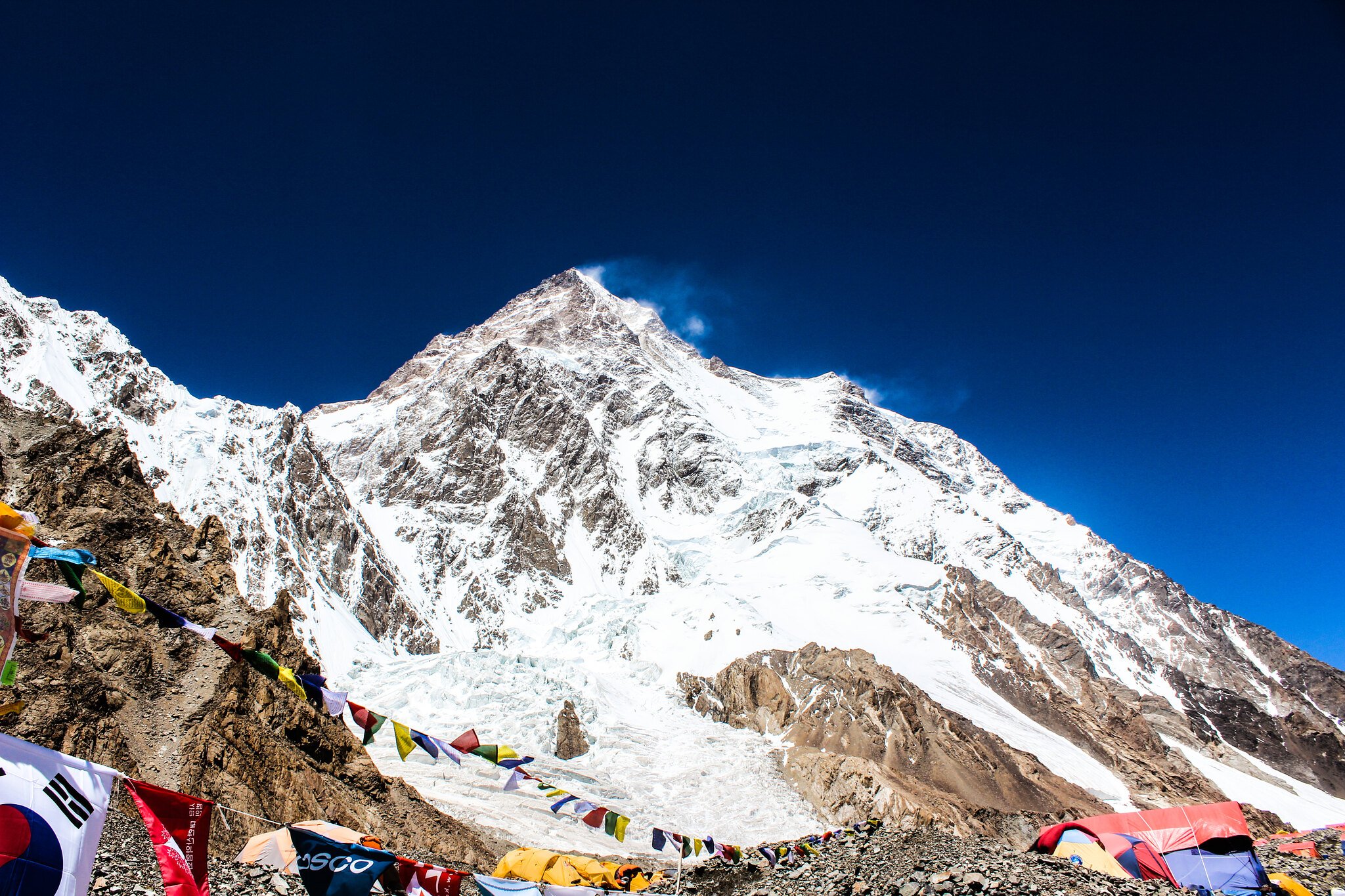
Mount Everest and K2 are the highest mountains on earth, known for massive height, beauty, and challenges. Mount Everest is the top of the world, being the tallest mountain, with a height of 8,848.86 m above sea level. Everest is located in the Himalayas, bordering Nepal and China, and is also known as Sagarmatha in Nepal and Chomolungma in China. On the other side, Mount K2 is the second-highest mountain, which sits at an altitude of 8,611 m in the Karakoram Range, bordering Pakistan and China. K2 is also referred to as the Savage Mountain due to its extreme challenges, high mortality rate, and brutally unpredictable weather.
Mountaineers across the globe dream of conquering these mountains to test their endurance, get fame, and gain recognition. While Everest is famous as the highest mountain with managed and accessible climbing routes, K2 is respected for the challenges it presents to the climbers. Even though K2 falls short in height by 237.86 m compared to Everest, it is considered deadly and more difficult.
In this blog, we compare the two highest mountains in the world, Everest and K2 in terms of popularity, height, climbing success rate, mortality rate, and best preference for climbers. The reason for K2 being challenging and the fame and reputation of Everest are also explained.
The Giants of the Himalayas
| Feature | Mount Everest | Mount K2 |
|---|---|---|
| Height | 8,848.86 m | 8,611 m |
| Location | Nepal and China | Pakistan and China |
| Mountain Range | Himalayas (Mahalangur Range) | Karakoram Range |
| First Climbed | May 29, 1953 | July 31, 1954 |
| First Climbers | Edmund Hillary & Tenzing Norgay Sherpa | Achille Compagnoni & Lino Lacedelli |
| Most Popular Route | South Col Route (Nepal) | Abruzzi Spur (Pakistan) |
| Famous For | World’s highest mountain | Second-highest and highly technical mountain |
| Nicknames | Top of the World, Sagarmatha, Chomolungma | The Savage Mountain |
| Best Climbing Season | April to May | June to August |
| Popular For | Extreme adventure, global recognition, highest summit achievement | Extreme technical difficulty, raw wilderness, elite climbing challenge |
Mount Everest: Top Of the World
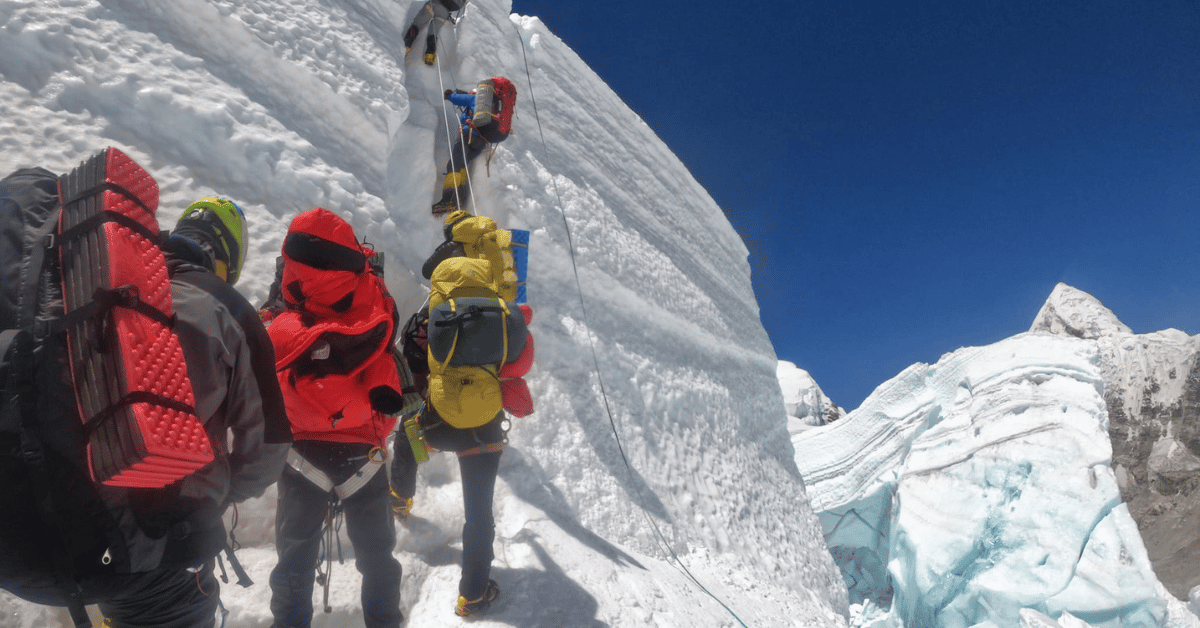
Mount Everest Climbing
Mount Everest (8848.86 m) is the top of the world, as it is the highest point on earth. It is located on the border of Nepal and China in the Mahalangur sub-Himalayan ranges of the Himalayas. Everest was first conquered on May 29, 1953 AD by Sir Edmund Hillary and Tenzing Norgay Sherpa during the 1953 British Mount Everest expedition. Mount Everest is locally known as Sagarmatha and Chomolungma in Nepal and China. While the best time to conquer Everest is during April to May, climbers and mountaineers mostly use the south col route from Nepal to summit the mountain. Although Mount Everest is comparatively easier than Mount K2, it is still deadly and presents challenges to the climbers.
Mount K2: The Savage Mountain
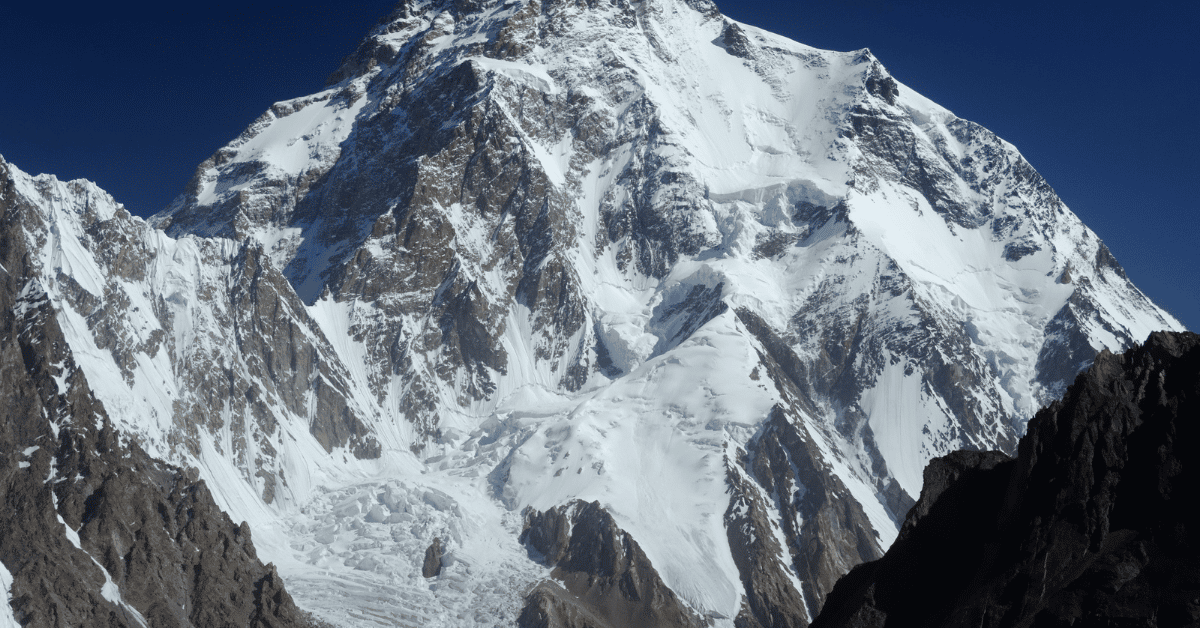
Mount K2 (8,611 m) is the second highest mountain, known as savage mountain due to its extremely challenging terrain, harsh weather conditions, and high technical requirements during climbing. This savage mountain borders Pakistan and China and is located in the Karakoram range. K2 was first climbed on July 31 ,1954 AD by Achille Compagnoni and Lino Lacedelli during the Italian Karakoram Expedition. The best time to summit K2 is during June to August, and the most preferred route is the Abruzzi Spur from the Pakistani side. Although k2 is lower than Everest, it challenges climbers with extreme technical difficulty and a harsh environment.
Everest vs K2: Side-by-Side Comparison
Everest and K2 climbs require elite physical endurance, high-altitude experience, advanced technical skills, and months of training. Climbers are required to prepare physically and mentally for a successful summit, especially when climbing K2. The detailed comparison of difficulty, technical requirement, and key important aspects of both mountains is provided below:
| Feature | Mount Everest | Mount K2 |
|---|---|---|
| Height | 8,848.86 m | 8,611 m |
| Difficulty | Very hard | Extremely hard |
| Steepness | 30° to 45° (South route) | 45° to 60° |
| Death Rate | 1% to 2% | ~25% (1 in 4 historically) |
| Technical Demands | Moderate to high | High to extreme |
| Cost | Expensive (depends on package) | Generally lower than Everest (package dependent) |
| Weather Window | April–May (around 5 days) | Late July–Early August (24–48 hours) |
| Route Complexity | Khumbu Icefall, Death Zone, Hillary Step | Bottleneck (8,300 m), seracs, exposed traverse |
| Key Risk Factors | HAPE/HACE, avalanches, extreme weather, jet winds | Steep terrain, rockfall, avalanches, extreme weather, jet winds |
| Accessibility | Commercial expeditions, managed routes, helicopter support | Remote, limited infrastructure |
| Rescue Options | Limited ground & heli rescue | Extremely limited rescue options |
| Type of Climbers | Commercial, guided, record seekers, independent | Elite, highly skilled climbers |
Height
Everest is the highest mountain in the world, as it stands high at 8848.86 m. Meanwhile, Mount K2 is the second-highest mountain, standing at 8,611 m, which is 237.86 m lower than Everest. Although K2 is lower in comparison to Everest, it carries significant challenges and extreme difficulty for climbers.
Difficulty
Although Everest is the highest in terms of altitude, its improved infrastructure, like fixed ropes, high-altitude camps, and support teams, aids climbers in facing challenges.
Meanwhile, K2 does not provide infrastructure and support teams as Everest does. Climbers are required to face steep rocky sections, ice faces, unstable snow, and bottlenecks. The higher risk of rockfall, avalanches, and low weather time makes the mountain extremely difficult for climbers.
Death Rate
The death rate of K2 is significantly high in comparison to Everest. K2 has a death ratio of 1:4 (25%), meaning 1 death in 4 attempts. Till August 2023, a total of 96 deaths were recorded among 800 ascents of K2. Meanwhile, Everest has a death rate of 1 to 2% due to improved climbing safety, infrastructure, and support teams. As of May 2026, a total of 340 deaths were recorded on Everest. The number of deaths is high in Everest due to the higher number of expedition attempts by mountaineers.
Technical Demands
Both Everest and K2 required technical climbing skills. While Everest requires moderate to high technical climbing skills, K2 demands high to extreme technical climbing requirements. When climbing Everest, sections like Khumbu Icefall crevasses, Death zone above 8,000 m, and hillary steps demand a technical approach. K2 makes climbing complex and technical with sections like bottleneck in a narrow couloir overhung by massive unstable seracs and exposed traverse.
Cost
The cost of an expedition completely depends upon package type, season, and expedition service provider. Everest is comparatively more costly than K2 to some extent due to the higher cost of the permit, extensive expedition support costs, and limited climbing slots.
Weather Windows
Everest provides lengthier and safer weather windows, especially during the months of April and mid may. The weather window lasts for an average of 5 days, providing safe time for climbers to push to the summit. Meanwhile, K2 challenges climbers with a limited weather window that lasts for 24 to 48 hours during the months of late July and early August.
Climbers' Preferences
Both Everest and K2 are the dreams of every mountaineer and climber who wants to test their limits and set mountaineering records. The dream of a mountaineer is incomplete without climbing Everest. Everest is the top preference for one trying to chase records and conquer the top of the world and for guided expedition clients. Mount K2 is preferred by elite climbers with technical expertise who want to test their endurance and limits. Everest is climbed for records and fame, while K2 is for prestige and reputation in the world of mountaineering.
Conclusion
Mount Everest and K2 are the legendary mountains that every mountaineer dreams of conquering. While they are the highest mountains in the world, they challenge climbers with various levels of difficulty and provide unique experiences. While Establish remains extremely dangerous, it still provides an accessible route, infrastructure, and a lengthier weather window. Meanwhile, K2 challenges climbers with steep climbs, extreme weather, and a higher chance of events like rock falls, avalanches, and bottleneck chokes.
Being the highest mountain in the world, Everest attracts elite mountaineers, guided expedition teams, and those seeking to set mountaineering records. K2 attracts elite mountaineers who want to test their endurance and mental and technical abilities and earn respect in mountaineering communities. Climbing both mountains requires mountaineering experience, years of training, and intense physical and mental preparation. So, choosing these legendary mountains for an expedition solely depends upon your skill, experience, and personal preference.
If you are planning for extreme adventure in K2 or setting a record and fame by climbing Everest, Namas Adventure is always there to guide and support you. Contact Namas Adventure today and book your Everest or K2 Expedition for a customized expedition with proper training and a 1:1 guide-to-climber ratio for higher expedition success
