

How Much Does It Cost To Climb A 7000m Peak
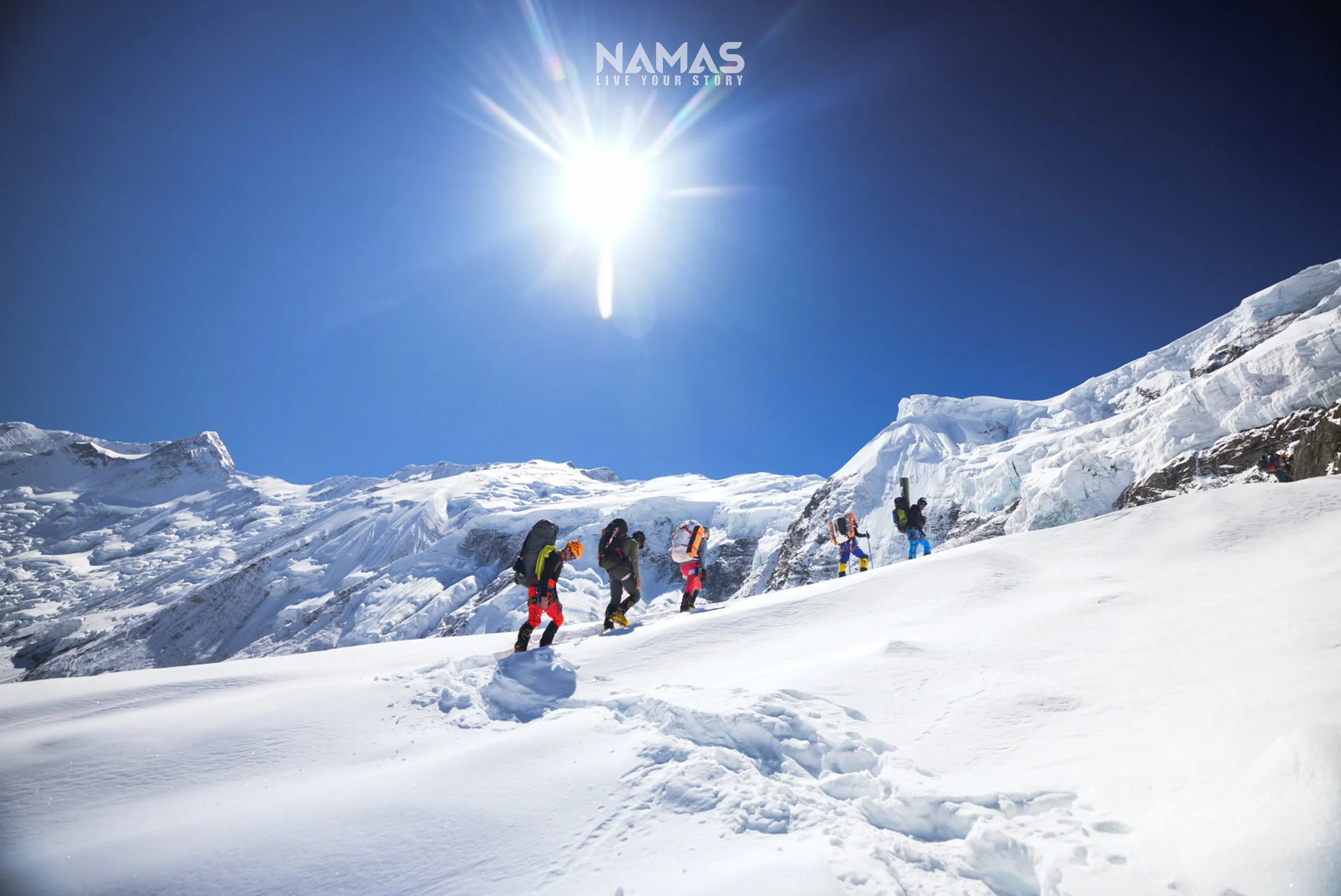
Climbing the 7,000 m peak is one of the biggest achievements for many climbers who plan to push to their limit in the future. Conquering the 7,000 m is definitely the biggest achievement, but it is not as easy as we think it is. Climbers need to prepare mentally and physically and gain technical skills required for a successful summit. Most importantly, managing the cost expenditure of the expedition is another major challenge that climbers need to consider. Many adventurers have a common question: how much does it cost to climb a 7000 m peak? The clear answer depends upon the peak you are climbing, season of expedition, permit costs, and, most importantly, the expedition package.
This blog provides detailed information about the realistic cost requirements for climbing major 7,000 m peaks in the world. The factors affecting 7000m peak climbing costs, optional and hidden costs you may plan for, and tips to reduce expedition costs are also provided.
What Effects The 7000 m Peak Climbing Costs
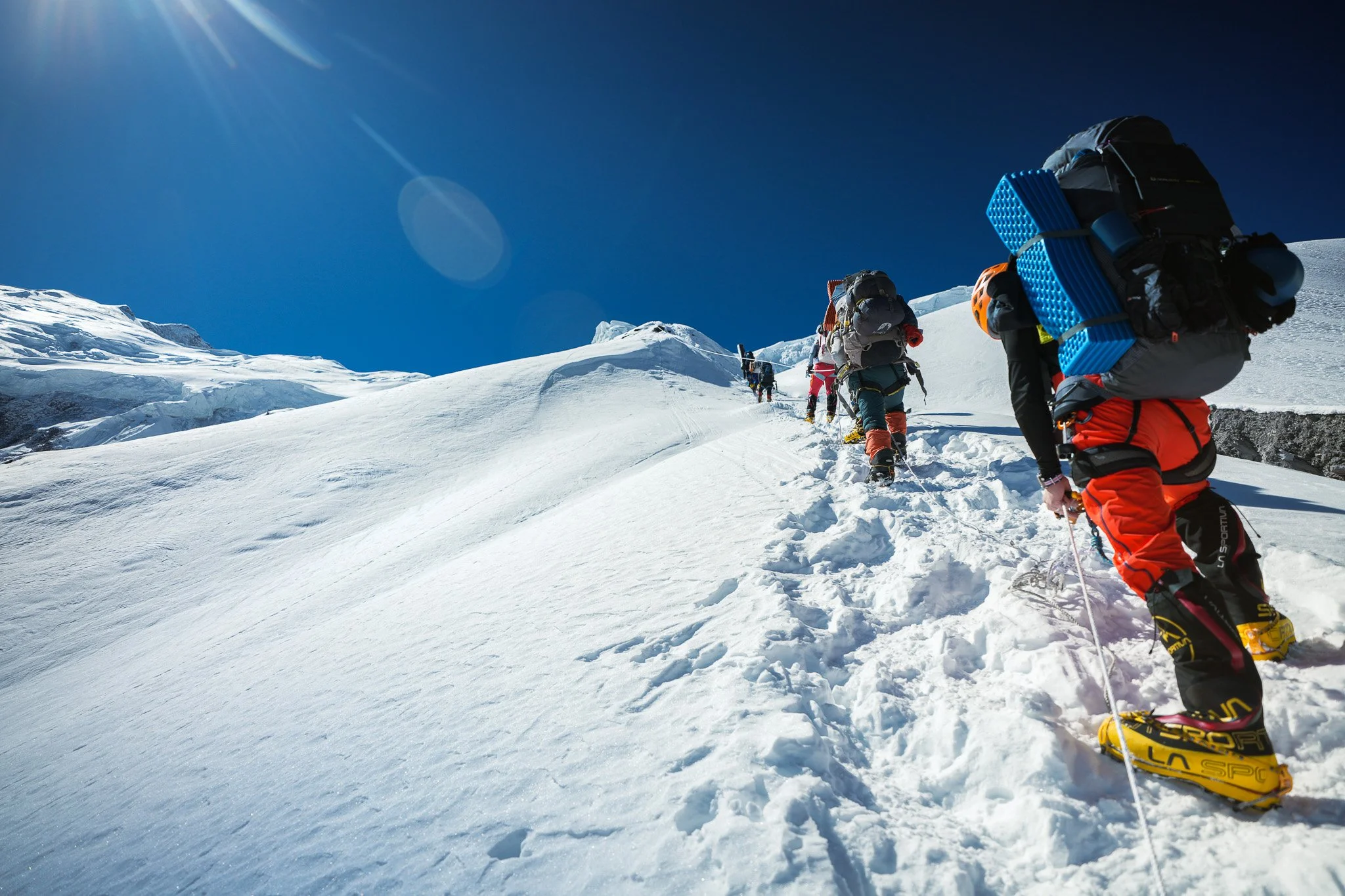
The climbing costs of 7000 m peaks or mountains of any scale depend on various reasons. Factors like permit and government fees, climbing season, support level, insurance, and duration of expedition influence the cost of the 7000m peak you are climbing. In addition, the cost of equipment and gear further increases the climbing costs as you require a huge investment in these.
Permit and Government Fees
You require a mandatory permit and government fees to summit 7,000 m mountains. The cost of permits depends upon the peak, its location or region, and the cost of a visa or other documents. While native climbers might get relief on expedition permits, foreign climbers may be required to pay additional expenses. The cost of permits and government fees may cover a large portion of costs in total.
Expedition Duration
The average summit duration to climb most major 7000m peaks takes 14 to 25 days or more days. The number of expedition periods or days depends upon the itinerary, summit route, and weather delays. As the expedition takes a lengthier duration, the overall cost of food, accommodation, and the support team increases.
Expedition Package and Support Level
Your cost of expedition changes according to the package. If you prefer express expedition with the highest level of support, the cost increases. Meanwhile classic packages are affordable but incur more days. The support level means the assistance you are getting from the expedition support team, like duffel, route fixing, and high-altitude porters. You require more cost for fully guided support with a 1:1 guide-to-climber ratio. Meanwhile, for basic support, the cost decreases, but support and guide assistance are limited as the ratio of climbers to guides increases.
Climbing Season
The ideal climbing season is expensive for climbing the peak due to the higher number of visitors, increased permit fees, and lack of climbing slots. However, the ideal climbing seasons give favorable weather and safer expeditions. Meanwhile, offseasons are comparatively affordable due to decreased permit costs and availability of climbing slots. Although offseasons are best for budget climbing, they bring challenges due to extreme weather, climate conditions, and higher risks.
Equipment and Gear Costs
The cost of purchasing equipment and gear is one of the major expenses during mountaineering expeditions, whether that is 6000m, 7000m, or an expedition over 8000m. Climbing gear and accessories like climbing boots, crampons, suits, sleeping bags, and other PPE are expensive. And compromising on the climbing gear means risking yourself by exposing yourself to the vulnerable environment of the high-altitude mountains. Expedition companies like Namas Adventureprovide equipment and gear rental services for their clients so that the higher cost for purchasing gear and equipment can be managed.
Food and Accommodation
Food and accommodation costs depend upon the number of days you are on expeditions. The more expeditions there are, the higher the expense is. Costs such as base camp meals, accommodation costs, and hotel and lodge expenses before and after the climb are major expenses during the expeditions.
Insurance
If your expedition package doesn't cover travel insurance, you are required to subscribe to one, as it is critically important in case you require rescue and evacuation. While most standard plans don't cover the cost of insurance, they are subjected to payment by the climbers.
Detailed Cost Comparison Table
We provided the average cost of climbing popular 7000m peaks of entry level, intermediate level, and advanced level by Namas Adventure.
| Peak | Country | Average Cost Range | Average Permit Cost | Difficulty |
|---|---|---|---|---|
| Annapurna IV | Nepal | USD 12,950 – USD 21,500+ | USD 250 – USD 1,000 (seasonal) | Advanced |
| Tilicho Peak | Nepal | USD 12,500 – USD 19,900+ | USD 200 – USD 800 (seasonal) | Intermediate |
| Lenin Peak | Kyrgyzstan / Tajikistan | USD 6,900 – USD 10,850 | USD 30 – USD 49 (border permit) | Entry-level |
| Api Himal | Nepal | USD 16,750+ per person | USD 200 – USD 800 (seasonal) | Advanced |
| Spantik | Pakistan | USD 7,950 per person | USD 2,500 (group of 7) | Entry-level |
Cost Breakdown of Major 7000m Peaks
Climbing 7000m is a major expedition that requires you to allocate appropriate funds or budget along with physical and mental preparation, high-altitude experience, and determination. Climbing 7000 m peaks lets you test your limits and clears you for high-altitude adventure above 8000m. The detailed cost breakdown of major 7000 m peaks with various difficulty levels from entry level, intermediate level, and advanced level is provided.
Annapurna IV
The Annapurna IV (7525 m) is one of the demanding and challenging 7000m peaks that tests your limit and strength. Annapurna IV is known for its steep snow slopes, challenging technical terrain, and weather conditions. Climbing this mountain is recommended for experienced mountaineers, as it requires high technical skills, experience, and determination. Also, preparation in terms of cost is equally important, as the expedition cost of Annapurna IV starts from USD 12,950 to USD 21,500 or more per person, according to package type and climbing season. The expedition package includes permit costs, logistics and accommodation costs, guide costs, and high-altitude support costs. While Annapurna IV is one of the expensive 7000 m mountains, it is ideal for mountaineers preparing for summiting mountains above 8000m.
Tilicho Peak
Tilicho Peak (7134 m) is located just above the popular Annapurna region of Nepal and is considered an intermediate-level 7000 m peak in Nepal. This peak tests your endurance level. glacier travel skill, and strength. You require an average of USD 12,500 to USD 19,900 per person or more to summit the Tilicho peak. This cost includes fees for permits, which range from USD 200 to USD 800 depending upon the season. The cost of Tilicho peak is influenced by factors including climbing logistics, high-altitude camping requirements, delays in weather, and the requirement of fixed ropes and support crews during the summit.
Lenin Peak
The Lenin Peak (7,134 m) is the popular entry-level 7000m peak known for entry level difficulty in comparison to other technical peaks like Annapurna IV. The peak is located in Pamir mountain ranges bordering Kyrgyzstan and Tajikistan. Lenin Peak is an ideal adventure for you if you want to get high-altitude experience and step forward toward challenging and high-altitude expeditions in the future. The peak is comparatively affordable, as the average package ranges from USD 6,900 to USD 10,850 per person. It is accessible due to better accessibility, camp infrastructure, low permit fees, and fewer technical climbing requirements.
Api Himal (7132 m)
Api Himal (7132 m) is another advanced, level 7000m peak located in the remote area of the Darchula district in Nepal’s far-western region. The Api Himal expedition is considered one of the logistically demanding adventures, as it requires a strong expedition support team such as porters and experienced guides. Api challenges climbers with limited information about the routes and weather. Climbers planning to summit the Api Himal are required to manage the expedition fees above USD 16,750 per person. The cost includes the cost of permits that range from USD 200 to USD 800 per person. Also, the expedition includes expenses such as accommodation, support teams, camp management, and food.
Spantik
The Spantik (7027 m) is also known as the Golden Peak and is one of the popular entry level peaks in Pakistan's Karakoram ranges. While the Spantik is less technical, it still carries the risk of the harsh climate and unpredictable weather of the Karakoram region. In terms of climbing cost, Spantik is one of the affordable peaks that mountaineers can conquer to gain high-altitude experience and prepare for technical climbs in the future. The average costs of Spantik range from USD 7,950 per person and beyond, depending upon the climbing season and package types. Spantik can be the ideal choice for mountaineers trying to experience the Karakoram range without major challenges.
Optional And Hidden Costs To Plan For
While you got information about the cost of the expedition package of several 7,000 m peaks, those are not the final costs. There are several optional and hidden costs that you need to be aware of while planning expeditions. Some of the common optional and hidden costs that you need to be aware of include:
Cost of gears and equipment
Cost of international flight and transportation to base camps
Shopping costs of snacks and high-altitude meals
Tips and bonuses
Cost of trekking permits
Cost of Visa and local government entree fee
Additional costs for optional stays
Tips To Reduce Expedition Costs
As you are all informed about the expedition package costs and hidden expenses during 7000 m expeditions, it is also important to know about the ideas that can reduce your expedition costs significantly. Some of the key tips to reduce expedition costs include the following:
Early booking of expedition slots with reputed Expedition service
Join groups, as group expeditions are comparatively more affordable than solo adventures.
Rent climbing gears and accessories if you are on one-time expedition
Choose the classic or semi-guided package if you have prior experience with climbing.
Prefer expedition in off-season but during safe conditions
Why Price Shouldn’t Be Your Only Consideration
As high-altitude climbing is one of the risky adventures, safety and success matter more than cost first. It is because cutting costs cuts corners in getting experienced guide and support teams. This leaves you vulnerable in high-altitude mountains. Cost cutting in the equipment itinerary might limit your high-altitude navigation ability and minimize adequate acclimatization time. Cost reduction in luxury and optional factors that don't affect your safety and climbing success can be a smart choice, but considering cost over safety and success rate is never a wise decision, as it may risk your life and reduce the summit success rate.
Conclusion
Climbing the 7000m peak is definitely an achievement for climbers willing to test their limits and push for higher summits in the future. While physical and mental preparation are important, knowing the cost of the expedition package, including permit fees and other miscellaneous expenses, is also important. Information about the expedition cost helps you to plan your adventure, choose the best support level, select the ideal peak for climbing, and choose the ideal package for you. Climbers are also required to gather information about the hidden costs and tips to reduce the climbing expenses for cost savings. Also, climbers must also keep in mind that cost should not be the only consideration and prioritise their safety and summit success at primary place.
If you are planning to conquer the 7000 m peaks in Nepal or any corner of the World, Contact Namas Adventure. Namas Adventure prioritizes your safety and security by providing intensive training, providing customized expedition packages that offer a 1:1 guide-to-climber ratio, and providing an experienced support team to make your expedition successful and memorable.
