

Do You Need Oxygen For 7,000 m Mountains?
Climbing the 7,000 m mountains is regarded as the important step to test one’s endurance, technical skills, and mental resilience to summit higher mountains. Mountaineers summit seven-thousanders to fulfil their dream and experience the summit experience. Meanwhile, many climb 7000 m peaks to meet legal requirements, gather summit experience, and practise technical skills to face the challenges of eight-thousanders.
And when preparing and planning for a summit, the common question that mountaineers ask is; ‘do you need oxygen for 7,000 m mountains? 'The answer depends, as the requirement changes according to mountain, weather, acclimatisation strategies, climber’s health and Physiology.
In this blog, we provide answers to address the question by providing facts by providing the oxygen level around 7,000 m altitude. The information about peaks that are commonly climbed or climbed without oxygen and situations when oxygen is crucial is provided. Also, factors determining the requirement of oxygen, the risk of climbing mountains without oxygen and the advantage of climbing with emergency oxygen are provided.
Understanding Oxygen Level Above 7,000 Meters

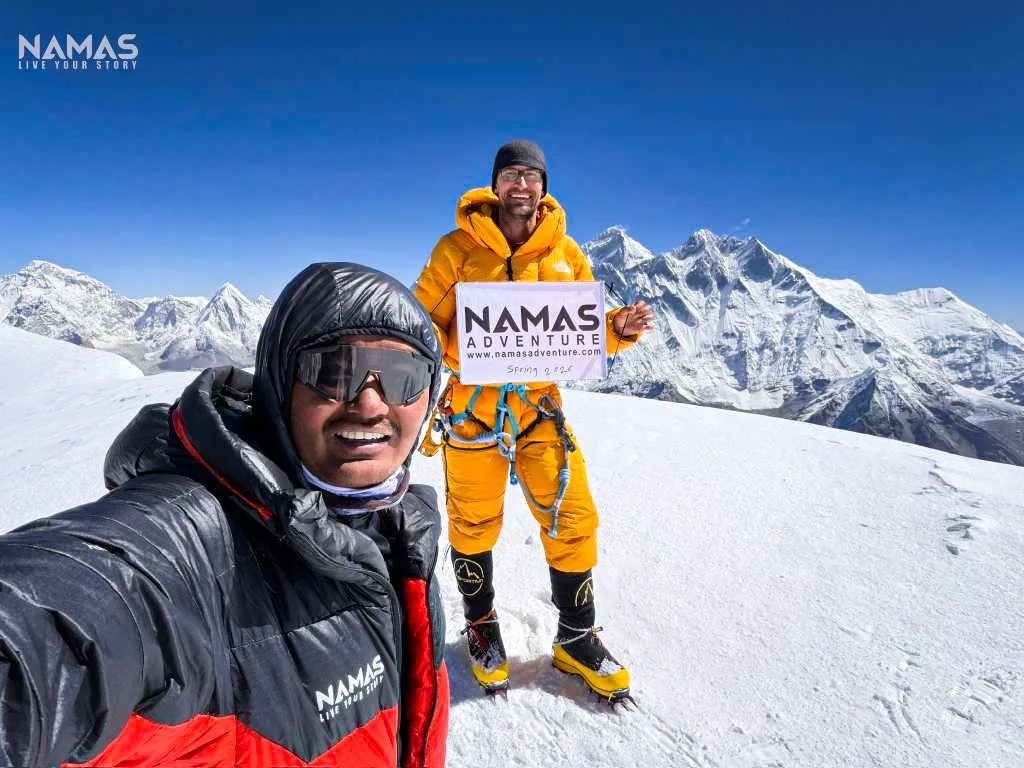
Summit of Himlung Himal 7126m
The concentration of oxygen in the earth's atmosphere is 21%. But with the increase in the level of altitude, the atmospheric pressure decreases, due to which climbers experience difficulties due to lack of oxygen. At around an altitude of 7,000 m, the availability of oxygen is just 40 to 43 % which increases the risk of hypoxaemia.
| Altitude | Approx. Oxygen Availability | Common Environment |
|---|---|---|
| Sea Level | 100% | Normal conditions |
| 3,000 m | ~70% | Moderate-altitude trekking |
| 5,000 m | ~50% | Base Camp region (e.g., Everest Base Camp) |
| 6,000 m | ~47% | High-altitude climbing |
| 7,000 m | 40% – 43% | Major expedition peaks |
| 8,000 m | 33% – 36% | Death Zone begins |
| 8,848.86 m (Everest Summit) | 30% – 33% | Extreme altitude |
Do Climbers Use Supplemental Oxygen on 7,000m Peaks?
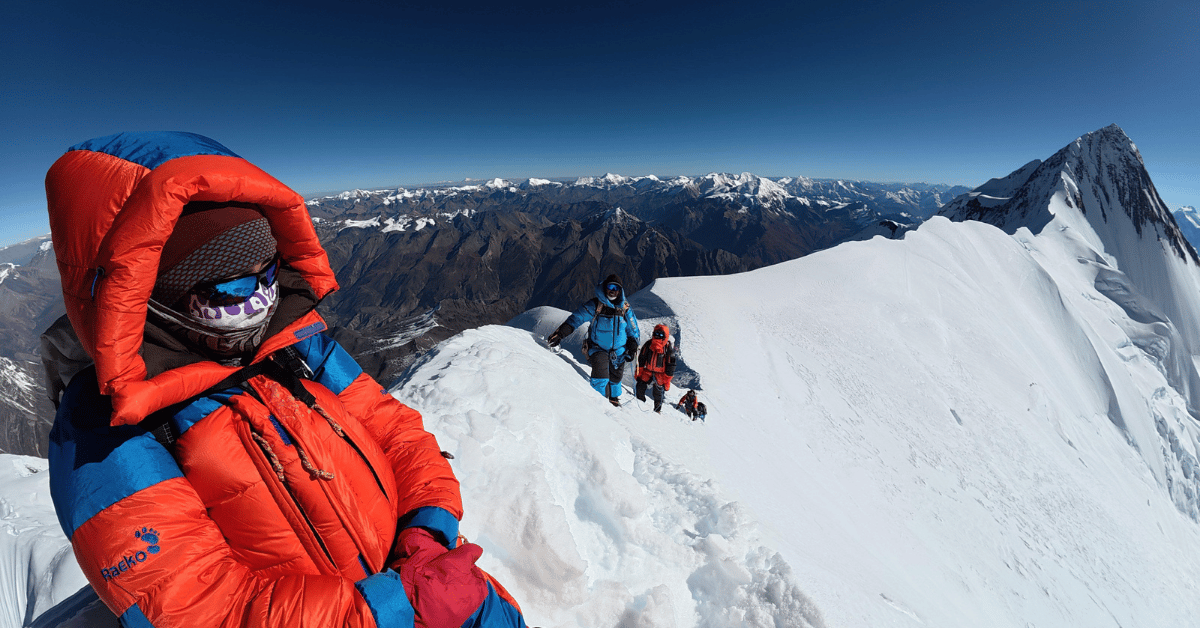
Summit of Annapurna IV, 7525m
Most climbers don't usually use supplemental oxygen on 7,000 m peaks when the ascent is done in a managed way with proper acclimatisation. But oxygen may be required in various conditions and situations where safety concerns arise and climbers feel the need for oxygen.
At a height around 7,000 m, your body is already dealing with physical deterioration and rapid drain of stamina. Thinking and the body's physical form are limited during these climbs.
Oxygen Requirement In 7000 m Peak
While most of the 7,000 m peaks are climbed without oxygen, there are many peaks that may require oxygen support for the safety and well-being of the climbers. In peaks where climbers push for the summit with limited acclimatisation, oxygen becomes critically important. Also, the peaks with poor weather, extreme cold, and physiological conditions of climbers also require the need for oxygen. We provide lists of 7000 peaks that may require oxygen occasionally or rarely:
| Peak | Height | Region | Oxygen Usage | Details |
|---|---|---|---|---|
| Annapurna IV | 7,525 m | Annapurna region, Nepal | Rare / Emergency use | Not standard. May be used in severe weather or when climbers show hypoxia symptoms. |
| Gasherbrum VI | 7,010 m | Karakoram Range | Occasional use | Highly technical and remote. Oxygen may be used in extreme conditions or medical emergencies. |
| Tilicho Peak | 7,134 m | Annapurna region, Nepal | Rare / Emergency use | Generally climbed without oxygen. Emergency support may be needed in urgent situations. |
| Baruntse | 7,129 m | Khumbu / Makalu region, Nepal | Rare / Emergency use | Typically climbed without oxygen, but emergency use may be required in critical conditions. |
Factors That Determine Whether You Need Oxygen
The climatic conditions of peaks change with season, altitude, and their location. This factor, along with the climber's body response and acclimatisation factors, also influences the factors requiring the need for oxygen.
Acclimatisation
Acclimatisation is an important factor for successfully climbing high altitudes. It prepares your body to adapt to lower oxygen levels of high himalayan regions. The well-planned expedition includes proper acclimatisation, progressive altitude gain, rest days, and proper monitoring of symptoms that define a low level of oxygen. While proper acclimatisation decreases the compulsion of oxygen requirements, climbing a 7000 m peak without proper acclimatisation may require supplementary oxygen to avoid symptoms of hypoxaemia.
Previous High-Altitude Experience
Climbers with previous high-altitude experience may climb a 7000 m peak without oxygen in normal conditions. If you have experience of peaks like Ama Dablam, Island Peak, and many other peaks, you might develop a better understanding of how your body responds to altitude. The more altitude experience you have, the less probability there is that you will require oxygen at the 7000 m peak in normal conditions.
Weather and Route Conditions
Although factors like previous climbing and acclimatisation reduce the compulsion of oxygen under normal conditions, in situations like harsh weather and extremely challenging route conditions, you may require oxygen. Poor weather conditions like strong winds, heavy snowfall, extreme cold weather, and long summit days increase the need for oxygen.
Individual Physiology
Individual physiology varies depending upon factors like genetics, age, ability to recover, and overall level of body tolerance. This means a highly fit athlete can also experience altitude sickness, while an average individual may adapt to the altitude normally. For example, Sherpas living and continuously working at high altitudes have a strong tolerance level to low oxygen conditions.
Risks of Climbing a 7000m Peak Without Oxygen
Climbing a 7000 m peak without oxygen carries several risks, from hypoxaemia to fatigue and exhaustion that reduce physical performance. Some of the summit risks in climbing a 7000 m peak without oxygen include the following:
Hypoxaemia: In situations of severe weather conditions, climbers may face issues from low oxygen levels that cause rapid physical exhaustion. Climbers can develop symptoms of Hypoxaemia that deprive body tissues and organs, risking life or disabilities.
HACE and HAPE: HACE and HAPE are severe situations that can trigger fluid buildup in the brain and lungs, risking the lives of climbers. They are caused by rapid ascent and lack of body adaptation to high altitude and low oxygen levels.
Impaired Judgement: Climbing 7000 m in a severe climate increases the risk of inadequate oxygen levels. The insufficient oxygen level limits the proper function of brain cells, causing poor decision-making and judgement.
Insomania and immune suppression: Lack of oxygen due to severe weather, poor acclimatisation strategy, and quick ascent might lead to problems like insomnia and immune suppression. Insomnia occurs due to severe exhaustion and weakness, while immune suppression leads to infections even during minor cuts or illness.
Advantages of Climbing With Emergency Oxygen
Emergency oxygen is not a mandatory requirement for climbing most 7000 m peaks. But climbing with emergency oxygen gives benefits and advantages to climbers. Emergency oxygen helps to deal with extreme weather, exhaustion, and the worsening physiology of the climbers. Some of the key advantages of climbing with emergency oxygen include the following:
Helps to manage symptoms of Acute Mountain Sickness, HAPE, and HACE during emergencies
Reduce exhaustions and physical difficulties
Maintains clear thinking and sound decision-making through oxygen supplies in high altitudes.
Helps climbers during difficult weather or emergency rescue operations
Supports climbers with injuries and one struggling to recover
Increase chance of survival during emergency situation or mountain disasters
How NAMAS Adventure Manages High-Altitude Safety
Reputed expedition companies like NAMAS Adventure help in managing high-altitude safety through providing customised itineraries, including proper acclimatisation, climbing training, and emergency oxygen support. NAMAS Adventure provides:
Carefully planned acclimatization according to the requirements of climbers
Experienced sherpa teams and guides with a ratio of 1:1 or 1:2.
Proper health and oxygen level monitoring
Proper communication with climbers
Providing comprehensive risk management procedures
Coordination in evacuation during emergencies
Providing logistics and backup of oxygen
Continuous updates of summit routes and weather conditions.
Conclusion
Many 7000 m peaks can be climbed without using supplemental oxygen, as long as climbers are properly acclimatised, physically prepared, and backed by an experienced expedition team. But factors like the weather, the route difficulty, and the response of your body to high altitude can affect whether you end up needing oxygen or not. Many mountaineers do decide to go without bottled oxygen, but having emergency oxygen with you and staying on a clear acclimatisation schedule helps a lot with safety up at those extreme heights.
If you’re thinking about your first 7,000m expedition or getting ready for a later 8,000m objective, contact NAMAS Adventure today. NAMAS Adventure can support you with professionally guided ascents, strong acclimatisation assistance, and full high-altitude safety systems
