

How Dangerous Is K2 to Climb? Everything You Need to Know
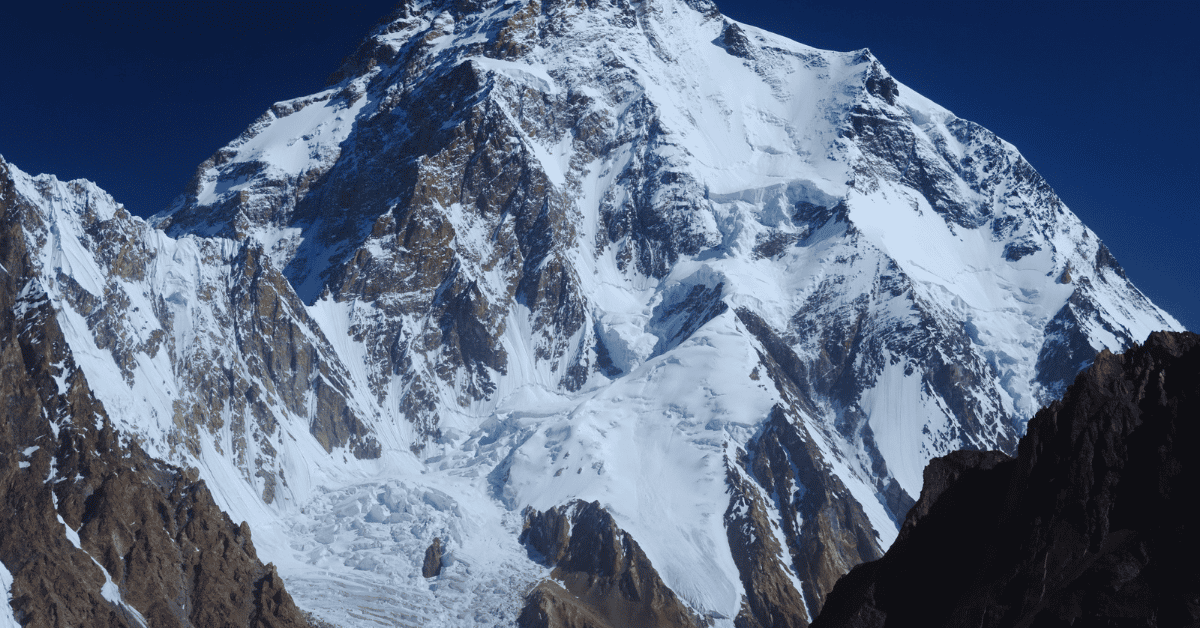
Mount K2, the second highest mountain in the world, standing tall at an altitude of 8,611m is also regarded as the most dangerous one to climb. K2’s violent weather, altitude, technical climbing requirements, and limited rescue possibilities have made it known as “The Savage Mountain."
Being the second highest mountain after Mount Everest (8848.86 m), K2 is still regarded as more challenging due to steep ice walls, unstable seracs, the risk of rock falls, and avalanche-prone terrain, giving no chance of error to the climbers. Despite these challenges, many adventurers and climbers test their limits with the aim of experiencing K2 and setting records.
This blog explains the factors that make Mount K2 dangerous by providing technical difficulties in sections like Bottleneck, House's Chimney, and The Black Pyramid. The challenges posed by rocky sections between camp 1 and camp 3 and harsh weather conditions causing issues in emergency rescues in K2 are provided. Also, the reason explaining why most climbers accept the challenges of K2 regardless of its risk and difficulties is also provided.
What Makes K2 Dangerous?
K2 is one of the dangerous mountains on earth that has claimed the lives of many climbers who dared to conquer it. The danger is not just its height, but also factors like extreme weather, challenging technical requirements, isolation from civilization, high risks of avalanche, and frequent rockfall make K2 risky. The factors making K2 a dangerous mountain are provided in the table below:
| Factor | Why It Makes K2 Dangerous |
|---|---|
| Weather | Unstable weather with extreme cold and unpredictable jet streams. |
| Location | Remote Karakoram location on the Pakistan–China border makes rescue operations extremely difficult. |
| Climate | Severe climate with temperatures dropping below -40°C. |
| Accessibility | Requires long and physically demanding trek to reach base camp. |
| Climbing Difficulty | Highly technical climbing with steep ice, exposed traverses, and complex navigation. |
| Avalanche Risk | High risk of avalanches and falling seracs throughout the route. |
| Summit Window | Very short and unpredictable summit window. |
| Rescue Limitations | Extremely limited rescue possibilities at high altitude due to weather and terrain. |
| Mental Pressure | Extreme exhaustion and psychological stress, especially in the death zone above 8,000 m. |
The Technical Difficulty of Climbing K2
Climbing K2 is considered the ultimate mountaineering challenge, as the mountain tests climbers' ability to handle rock, ice, and mixed climbing skills. The exposure to risky situations like falling rocks, hanging seracs, and severe weather increases the risk of high fatalities. Please add alpine grade
Why K2 Is More Technical Than Everest
Although K2 is lower in altitude than Everest, it is more challenging and risky to climbers.
Unlike Everest, K2 does not provide climbers a better weather window, proper infrastructure, or a gradual, steep path. You are required to navigate steeper slopes, exposed terrain, and more technical sections at high altitude.
While on Everest, climbers can rely on heavily fixed ropes and advanced guided expeditions, the K2 Expedition requires pure mountaineering skills from base camps to the summit. Although K2 is also climbed with fixed rope support, its steep climbing angle of 70 to 90 degree makes the expedition more challenging than Everest. The rocky sections from camp 1 to camp 3 are complex and demand strong technical climbing skills. K2’s requirement of technical expertise to navigate difficult sections while also carrying the physical burden of logistics at extreme altitudes makes it more difficult than Everest. Dangerous Sections on the Abruzzi Spur
The Abruzzi Spur is one of the commonly used routes during K2 expeditions. Although the route is popularly used, it carries significant hazards and risks in several sections. The information about challenging sections that climbers must cross when pushing for the K2 summit through the Abruzzi Spur route includes the following:
| Section | Risks |
|---|---|
| House’s Chimney (6,650 m) | A steep rock section with vertical cracks requiring advanced climbing skills. High exposure to falling rocks and ice debris. |
| The Black Pyramid (Camp 2–3) | A 2,000 ft near-vertical rock and ice face. Climbers face extreme exposure, harsh weather, and very limited resting points. |
| The Bottleneck (8,200 m) | A narrow 100 m traverse beneath a massive unstable serac. Extremely high fatality risk, with over 90% of deaths occurring in or near this section. |
Why Descending K2 Is Often Deadlier Than Ascending
Descending from the K2 summit is deadlier than ascending, and many accidents or incidents have occurred during this phase. The reason for descending being deadlier than ascending includes the following:
Exhaustion, dehydration, and physical drain limiting climber’s ability
No room for mistakes as it leads to fall injuries
Exposure to rapidly worsening weather pattern
Darkness and poor visibility during time of descent
Losing strength and concentration after long summit push
Disasters Associated With the Bottleneck
The 2008 K2 Bottleneck disaster is one of the major and deadliest events that occurred in modern mountaineering history. The disaster occurred in 2008, August 1, where 11 climbers from international expeditions died.
The K2 bottleneck disaster of 2008 is regarded as the worst accident in the history of K2 mountaineering. This disaster occurred after the icefall and failure of the rope that was created during the descent. Since 2008, multiple accidents have been recorded in the bottleneck, where the primary reasons were storms, avalanches, and falls. These accidents remind climbers about the risks and challenges that bottlenecks give to climbers.
Why Rescue on K2 Is Extremely Difficult
Lack of rescueability is also one of the key risk factors in mount K2 . The remote location and requirement of long trekking to reach the base camp make rescue difficult. The difficulty further elevated with harsh weather and strong jet winds, making helicopter rescue impossible. Some of the key factors causing rescue in k2 extremely difficult include the following:
Remote location of mountain
Extremely poor weather conditions
Less infrastructure
Lack of proper expedition support networks
Limited communication access
Longer time for evacuation.
Why Do Climbers Still Attempt K2?
Besides the risk that K2 presents to the climbers, many elite mountaineers from the world accept the challenges and push for the summit. Experienced and elite climbers test their resilience, climbing skills, and ability by climbing K2. Many climbers also push for the summit with the aim of setting mountaineering records and gaining prestige in the world of mountaineering.
Besides the purpose of climbing k2 , it is important to know that mountaineers prepare for years to face the summit. Climbing the summit of K2 is not only about records and challenges; it is also about discipline and respect for traditional mountaineering values that K2 still holds.
Conclusion
Mountain K2 is Savage Mountain due to the challenges, risks, and brutal conditions it gives to the climbers. Even elite climbers face severe difficulty and exhaustion when climbing the summit due to extreme weather, altitude, and challenging terrain conditions. Regardless of your climbing experience and willpower, k2 never gives you little room for mistakes. Despite risks and challenges, K2 still continues to inspire climbers, as it provides respect and prestige to the climbers. The past history of fatal accidents and incidents on K2 reminds climbers about its challenges.
Namas Adventure provides guided expeditions to experienced and elite climbers planning to conquer K2 or any other high-altitude peaks in the Himalayas. Namas ensures personalized expedition packages, training, and small team expeditions with a 1:1 climber-to-guide ratio to prioritize your safety for a successful summit
