

Fact Check: Nepal Helicopter “Rescue Scam” and the Misuse of the Everest Narrative
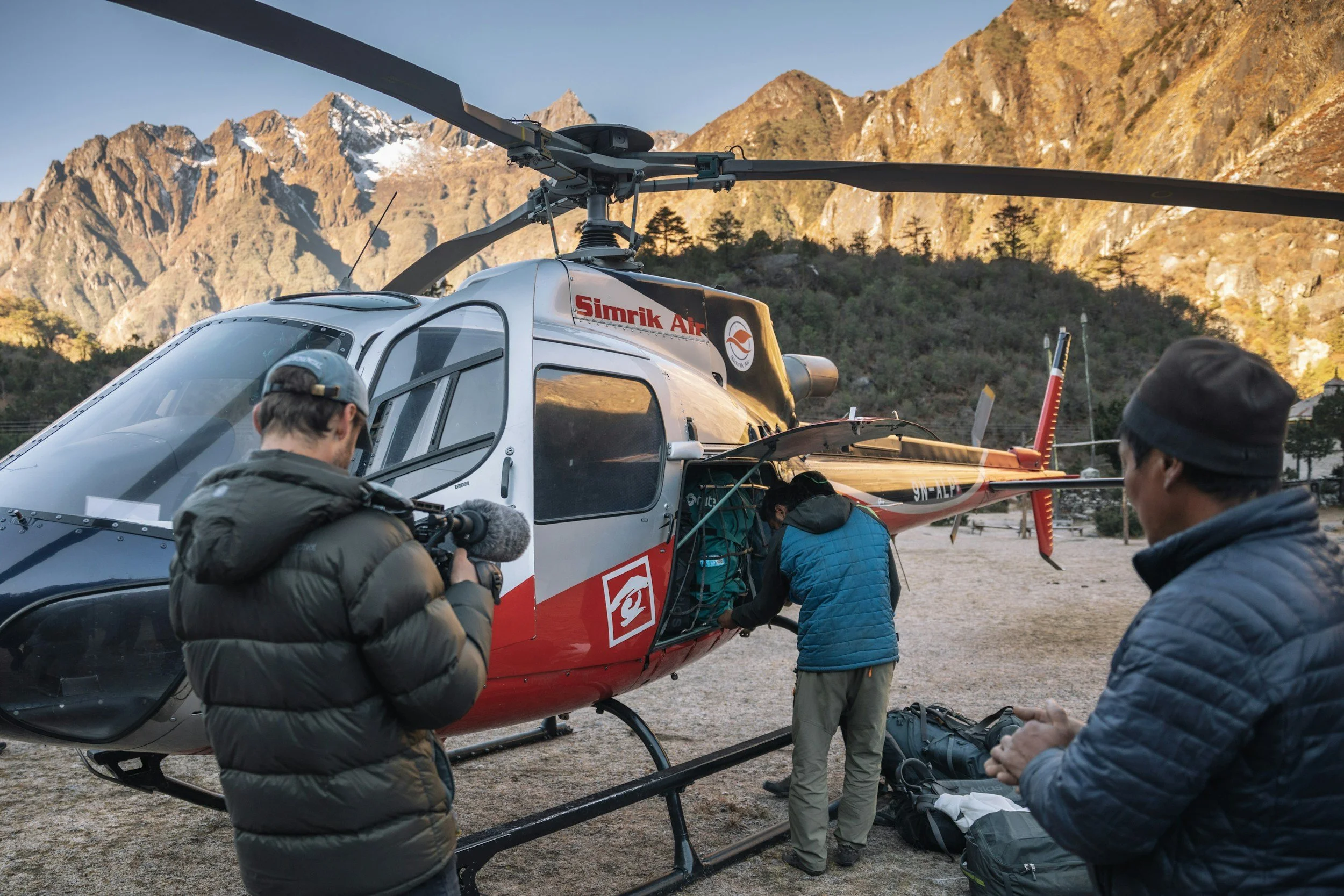
Recent international media coverage has drawn significant attention to what has been widely labeled the “Everest rescue scandal,” with headlines referencing poisoned clients, fraudulent evacuations, and exploitation within Nepal’s guiding community. While the incidents under investigation are real and serious, the framing of the story—particularly the repeated association with Everest expeditions—has led to a misleading generalization of where and how these events actually occurred. The word EVEREST get’s the buzz, attention and clicks but the story is far from it.
Based on findings from a comprehensive multi-year investigation, there have been no confirmed cases linked to full-scale Everest expeditions operated by established outfitter teams (ZERO Cases on Everest Expedition). Instead, the majority of incidents were associated with trekking adventure programs, specifically in regions such as the Everest Base Camp route, the Annapurna Circuit, Langtang trek and the Manaslu circuit trekking adventures. These sectors, while integral to Nepal’s tourism economy, operate under different structures, cost dynamics, and regulatory oversight compared to high-altitude mountaineering expeditions.
ZERO Cases on Everest or any major Expedition
❌ Not Everest or mountaineering guides
Incidents linked to Trekking adventures (EBC, Annapurna circuit, Langtang, Manaslu circuit trek)
What the Investigation Found
The investigation, covering the period between 2018 - 2019, 2022 and 2025, reviewed over 4,700 foreign patient cases treated across several medical facilities. Of these, 317 cases were identified as fraudulent or unnecessary helicopter evacuations. (Kathmandu post) The patterns observed point toward coordinated practices involving certain operators, intermediaries, medical providers, and aviation services. Reported methods included the administration of unnecessary dosage of diamox medication, the exaggeration or induction of symptoms, inflated medical billing, and the manipulation of evacuation logistics—such as consolidating multiple passengers into a single helicopter while invoicing insurers for separate flights. Commission structures between involved parties reportedly ranged between 20% and 25%.
Claims of “poisoning,” which have captured particular media attention, appear to stem from isolated and limited instances. According to official sources, at least one documented case involved the alleged use of baking powder to induce minor gastrointestinal discomfort. While unacceptable, such incidents do not reflect a widespread or systemic practice and should be understood within the broader context of the investigation rather than as a defining feature of the issue.
Baking soda powder — referred to as Poison
Excessive or unnecessary dosage of Diamox (Acetazolamide)
Inducing or exaggerating symptoms, manipulated evacuation logistics (grouping passengers into one helicopter but billing as multiple flights)
Inflated hospital billing (unnecessary tests, duplicate or unrelated X-rays)
Commission structures of approximately 20–25% between involved parties
Trekking Guides vs. High-Altitude Sherpa Guides
A critical distinction must also be made between trekking guides and high-altitude Sherpa mountain guides. Conflating these two roles under a single narrative risks misrepresenting the structure and professionalism of the expedition sector.
Trekking guides:
Lower barrier to entry
Variable training and experience
Operate primarily in trekking environments
Certified High-altitude Sherpa guides:
Highly experienced professionals
Often certified through NNMGA or IFMGA pathways
Extensive experience across 6000m, 7000m, and 8000m peaks
Responsible for rope fixing, high-camp logistics, and client safety in extreme environments
The emergence of such practices is not without precedent. Similar patterns were observed during the 2018–2019 period, coinciding with a surge of new operators offering unusually low-cost trekking packages. In some cases, Everest Base Camp treks were marketed at prices as low as USD 250—levels that are not economically sustainable for legitimate operations. Such pricing pressures often create conditions where compromises are made, whether in logistics, staffing, or ethical standards.
It is important to note that the response from authorities has been active. 32 Arrests have been made, companies implicated in fraudulent activities have been shut down, and regulatory measures are being strengthened. Enhanced oversight of rescue protocols and insurance claims is expected to reduce the likelihood of similar incidents in the future.
❌ 👉 No NNMGA or IFMGA-certified Nepalese mountain guides have been implicated or arrested in these cases.
Response
Authorities have taken action:
32 arrests have been made
Companies involved have been shut down
Investigations remain ongoing
Rescue protocols and insurance oversight are being strengthened
What This Means for Climbers
For prospective climbers and trekkers, the implications are clear.
Due diligence is essential.
Verify operator history and track record
Review independent client feedback
Ask detailed operational questions
Understand how logistics and safety systems are managed
Avoid decisions based purely on price
From an industry perspective, the situation underscores two parallel realities. First, that fraudulent practices—though limited—do exist and require continued enforcement and accountability. Second, that the broader guiding community, particularly high-altitude Sherpa teams, remains composed of highly skilled professionals whose contributions are central to Himalayan mountaineering. Any narrative that fails to distinguish between these realities risks undermining both accuracy and fairness.
The challenge, therefore, is not only to address the issue itself, but also to ensure that it is represented with the precision it demands. Because in the mountains, as in any serious endeavor, clarity matters—and so do the decisions made long before the journey begins.
— Bisesh
Team NAMAS
More sources
Explorersweb: The Facts Behind the ‘Everest’ Scandal of Poisoned Clients and Fake Rescues
Outside Magazine: What the Heck Is Going On with the Mount Everest Poisoning Scandal?
Climbing Magazine: No, Everest Climbers Are Not Being Poisoned By Their Guides
Alan Arnette podcast: Debunking Poision Rumors
