

Everest 1996 Disaster: The Deadliest Day on the Mountain
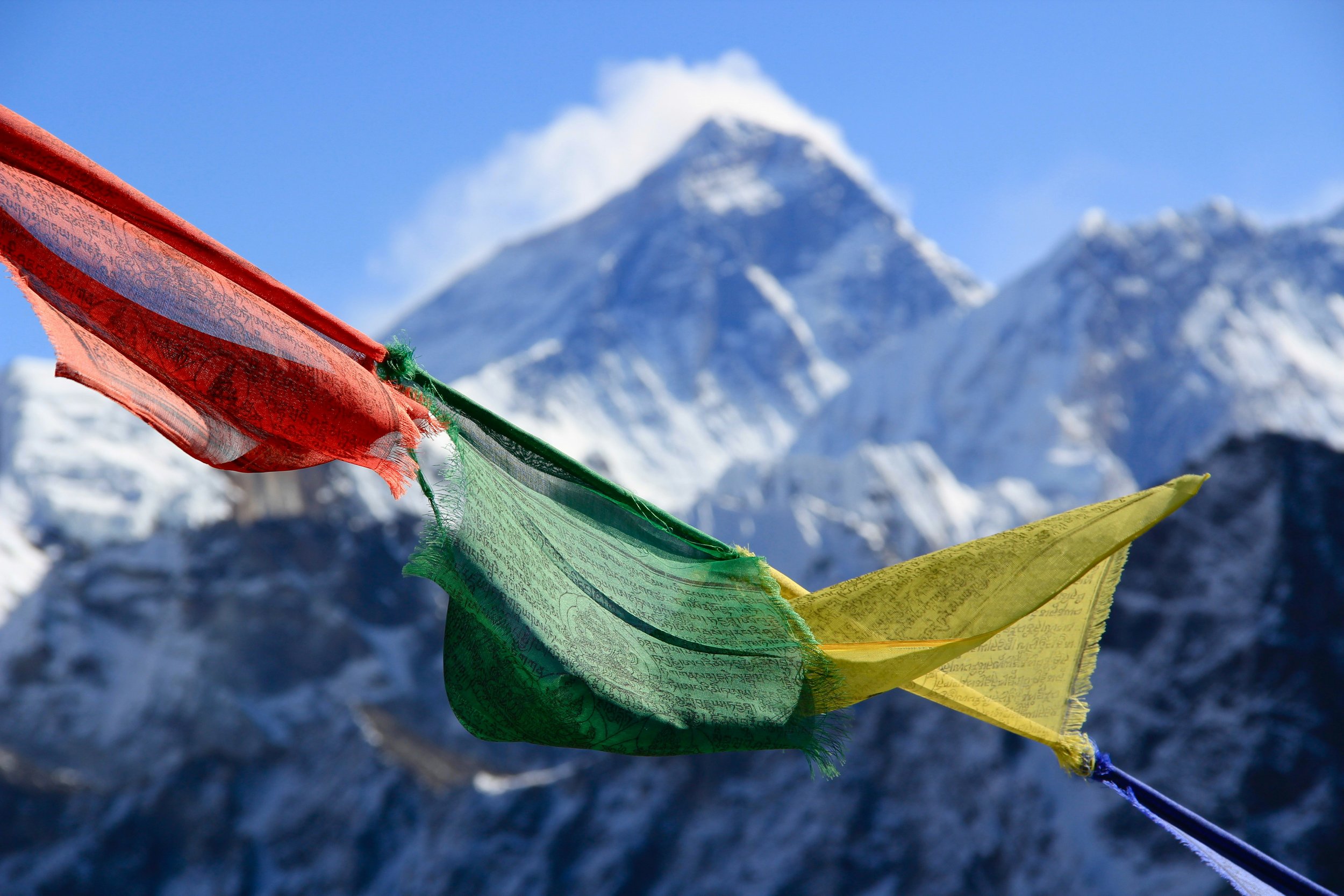
Climbing the world’s highest mountain, Everest, standing tall at an altitude of 8848.86 m (at present), is the dream of every mountaineer and adventure seeker. However, conquering mighty Everest is not as easy as it seems. Even experienced mountaineers, guides, and multiple-time conquerors face extreme difficulties. The quick-changing weather, traffic congestion, and low oxygen level test the endurance of every climber.
While the beauty of Everest attracts climbers, it has turned deadly, claiming the lives of many during several incidents. Among such incidents, the Everest 1996 disaster is one of the tragic incidents that took place on May 10 and 11, 1996. The sudden change in weather, poor timing and decisions, low oxygen supplies, and traffic jams or bottlenecks led to casualties. Many climbers got trapped in the death zone and lost their lives, while many managed to escape the disaster.
The 1996 Everest disaster became the turning point that changed the way Everest is climbed today. Today several rules, safety considerations, and climber safety practices are taken to avoid such incidents. In this blog, we explain what happened in the 1996 Everest disaster while also providing the key teams on the Everest expedition at the time. The key cause of the disaster and its impact from an Everest expedition perspective are also provided.
What Happened on Everest in May 1996
| Detail | Information |
|---|---|
| Event | 1996 Everest Disaster |
| Date | May 10 and 11, 1996 |
| Location | Everest South Col route (Nepal side) |
| Main Issue | Storms and blizzards leading to poor visibility and casualties |
| Death Toll | 8 deaths |
| Key Danger Zone | Above 8,000m (Death Zone) |
| Major Contributing Factors | Crowding, late summit times, oxygen shortages, snowstorms, and blizzards |
| Teams Affected | Adventure Consultants, Mountain Madness, Taiwanese expedition, Indo-Tibetan Border Police |
| List of Fatalities |
Andrew "Harold" Harris Doug Hansen Rob Hall (Guide/Expedition leader) Yasuko Namba Scott Fischer (Guide/Expedition leader) Subedar Tsewang Smanla Lance Naik Dorje Morup Head Constable Tsewang Paljor (Green Boots) |
| Key Survivors |
Beck Weathers Anatoli Boukreev Jon Krakauer Mike Groom Neil Beidleman Makalu Gau |
The days of May 10/11, 1996 is considered a black day in the history of mountaineering, when climbers from various expedition teams lost their lives. Eight climbers from various expedition teams were caught in a blizzard and storm, making it one of the deadliest incidents to date.
During the day of 10th May, many climbers and guides pushed for the summit via Camp IV (south col) with hope of stable weather and success.
However, there was a delay in reaching the summit due to bottlenecks in fixing ropes. The delay claimed costly lives as climbers descended later than the scheduled time and were trapped in a violent storm. The storm and blizzard lead to zero visibility, making it difficult for climbers to navigate towards their camp. As a result, oxygen ran out, and many climbers lost their way and were left for dead in freezing cold temperatures.
The Key Teams on Everest during 1996 disaster
Experienced mountaineers, guides, and climbers from various expedition teams were part of the summit push on the day when the 1996 Everest disaster took place. The expedition team included commercial expediters and government team members who were caught in snowstorms and blizzards.
Adventure Consultants
The Adventure Consultants were an expedition team of commercial climbers who were trapped during the Everest 1996 disaster. This team with 19 members was led by expert guide and expedition leader Rob Hall. Rob Hall was also the victim of the incident who later died on Everest's south summit along with another guide, Andy Harris, who was assisting him. Along with them, their client Doug Hansen and Yasuko Namba also died in the disaster. One notable name of the expedition team is Beck Weathers, who was left for dead but survived miraculously.
Mountain Madness
The Mountain Madness was a commercial expedition team of 19 members led by Scott Fischer on the day of the 1996 Everest disaster. Fischer is known for his adventurous approach, high-altitude knowledge, and experience. But on the day of 10 th may 1996, he lost his life due to pulmonary oedema and altitude illness.
Taiwanese expedition
The Taiwanese expedition team was also part of the Everest Expedition on the day of May 10, 1996. Gau Ming-ho was the leader of the team, including 4 other members. This team already lost a team member, Chen Yu-Nan, on the previous day of disaster, or on 9th may 1996 in Lhotse Face.
Indo-Tibetan Border Police
Among other commercial expedition teams, the Indo-Tibetan Border Police were an Indian government team that pushed for the summit on 10 may 1996. This team of 6 members lost 3 men, including Tsewang Paljor (Green Boots), Tsewang Samanla, and Dorje Morum in the
Northeast Ridge of Everest. Among the men who lost their lives, Tsewang Paljor later became a remarkable Everest landmark as Green Boots.
What Went Wrong in 1996 Everest Expedition
The 1996 Everest Expedition on the days of May 10 and 11 was a combination of several mistakes and nature’s devastating display. The traffic jams of climbers due to bottlenecks, ignoring turnaround times, limited oxygen supply, and sudden snowstorms and blizzards became life-threatening.
Traffic jams on fixed ropes
The traffic jam or bottleneck in the Everest summit route due to the requirement of using fixed ropes on the ascent caused a significant delay in timing. This situation led to energy loss, oxygen loss, and exhaustion while also increasing the risk of exposure to climate risk and being late for summit descent during daylight.
Climbers reaching the top in the afternoon
Due to traffic jams and long queues, many climbers reached the summit in the late afternoon. This has risked the climber’s safety severely as the daylight window is reduced and the risk of darkness and cold is increased. While traffic is a contributing factor for delay, ignoring turnaround time or making the wrong decision to summit despite severe delay led the team to get caught in severe weather.
Sudden Change in Weather
While the summit traffic situation and poor decision were contributing factors, the Everest poor weather, including snowstorms and blizzards, played a key role in disorienting climbers. The violent storm and weather troubled climbers with extreme cold, low visibility, and exhaustion. The whiteout chaos in the death zone due to poor visibility cost the lives of climbers, leading to hypoxia, extreme cold, and frostbite.
How the Everest 1996 Disaster Changed Climbing Forever
The Everest tragedy of 1996 changed the way Mount Everest is climbed in the future. This tragic event became a turning point where safety was more prioritized with the introduction of several rules and requirements. Various rules and strict requirements were placed for climbers and expedition teams, which include the following:
Enforcement of 2 PM rule, which require strict turnaround if climbers fails to reach summit by 2 PM
Limit expedition teams to reduce congestion or traffic in the summit
Timely or shift weather updates for safe expedition
Implementation of guide to client ratio for client management
Forming rescue protocol to ease rescue possibility
Conclusion
The 1996 Everest disaster on 10 and 11 May is considered a black day of mountaineering, as many mountaineers lost their lives in the unfortunate incident. From expert guides to ambitious climbers, the disaster collided with many’s dreams of conquering Everest successfully. The unforgiving weather, poor decisions, and congestion created during the summit are key factors that took the lives of many.
However, the 1996 Everest disaster changed the way how Everest expeditions are performed. The tragedy gave hard lessons: the importance of discipline, proper preparation, and taking proper decisions. Various climbing rules and regulations were made to prevent similar incidents and accidents in the future.
Visit Namas Adventure, for a safe and successful Everest expedition with 1:1 ratio of experience sherpa guide, team support, and summit training.
FAQs
What went wrong on Everest in 1996?
The delay in climbing, traffic congestion, and sudden change in weather causing blizzards and storms worsen the situation during the expedition. The situation led to exhaustion, a severe cold, poor vision, and hypoxia, claiming the lives of 8 mountaineers during the descent.
How many people died in the 1996 Everest disaster?
The 1996 Everest disaster occurred on 10 and 11 may claiming the lives of 8 mountaineers, including Rob Hall, Scott Fischer, Tsewang Paljor (Green Boots), and others.
Did they find Doug's body on Everest?
No, Doug Hansen’s body was never found or recovered from Everest. It is believed that his body is covered by thick ice or might have fallen down on the Tibetan side.
How many fingers did Beck Weathers lose?
Due to severe frostbite, Beck Weathers lost all left fingers and thumb. His right hand was amputated between elbow and wrist.
