

The Sherpa: The People Behind The World’s Highest Mountains

Unsung Legends of the Himalayas
Sherpas are an ethnic group who are native to the high-altitude himalayan region of Nepal, Tibet, India, and other parts of South Asia. Sherpas are not just elite mountaineers, guides, and porters, but they are one of the ethnic groups with rich cultures and traditions rooted in the Himalayas. This himalayan ethnic group is a symbol of bravery, physical strength, and contribution in Mountain Expeditions. Sherpas are Guardians of the Himalayas who play a crucial role in the conservation of Himalayan ecosystems and promoting sustainable tourism in the region.
This blog is about the Sherpas who have contributed to sustainable tourism, mountaineering expeditions, and the conservation of Himalayan ecosystems. We introduce you to the culture and daily life of Sherpa people. Their role in Himalayan expeditions and the underrecognition and inequality they faced despite the risk they took at high altitude are explained.
Who Are the Sherpas?
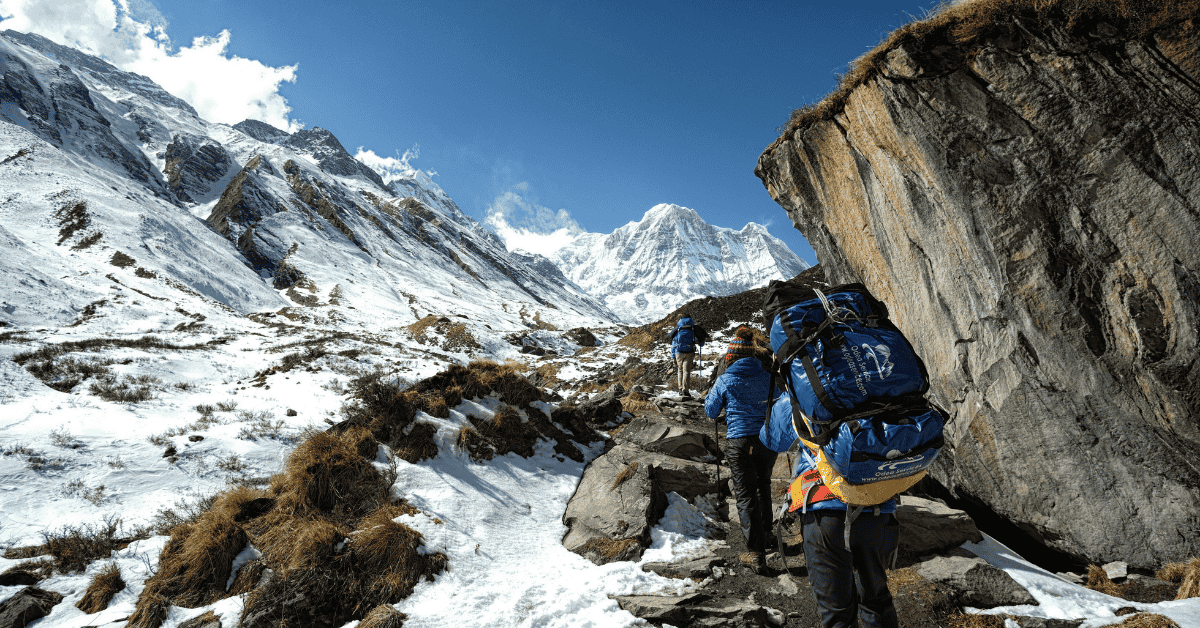
Sherpas are one of the indigenous ethnic groups of Nepal and also reside in himalayan region of India, Tibet, and South Asia. They are referred to as “Guardians of the Himalayas” due to their role in conservation of the Himalayan ecosystem, sustainable tourism, and guiding mountaineers in expeditions.
Sherpas are recognized as elite mountaineers with genetic adaptations to high-altitude regions and help climbers by guiding and assisting in expeditions like Everest Expeditions, Annapurna Expeditions, and major summit climbs in Nepal. But are all Sherpa mountaineers? The answer is no, and globally they are assumed to be mountain guides or mountaineers.
While most notable Sherpa names like Tenzing Norgay, Kami Rita, Pasang Lhamu, Apa Sherpa, Nirmal Purja, and Lhakpa Sherpa have gained recognition as mountaineers, guides, and helpers, the Sherpa community has their own history, identity, and culture beyond tourism.
Sherpa Culture And Daily Life In The Himalayas
Sherpa Culture
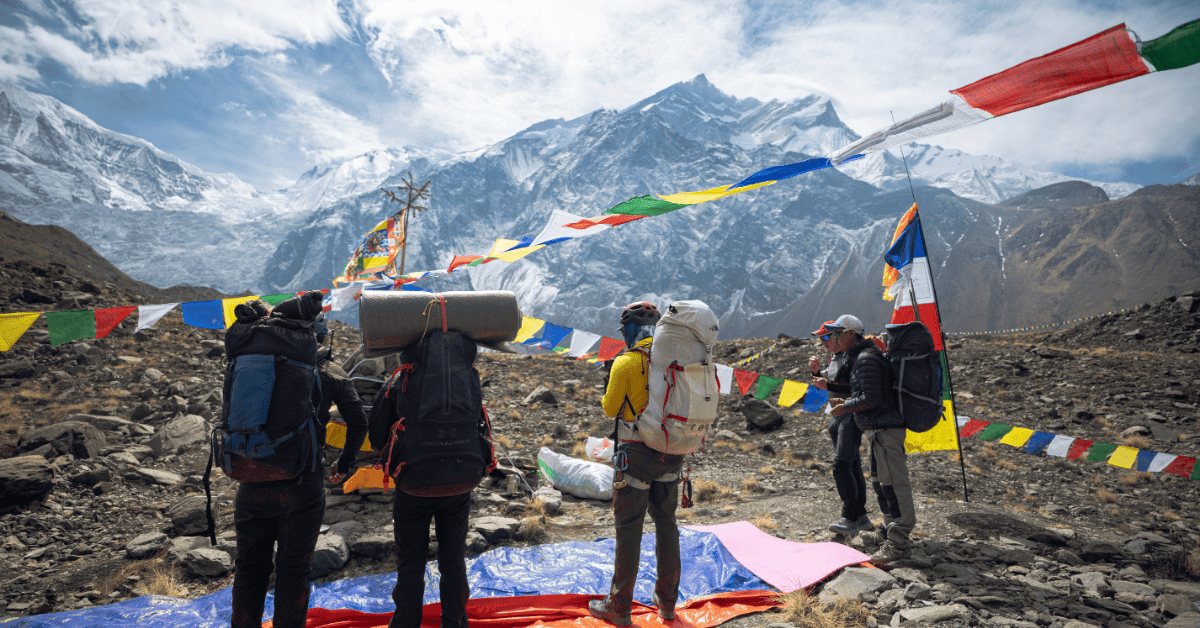
Sherpas have a rich culture, customs, and traditions. They mostly resided in Nepal’s mountaineering region in the Solu-Khumbu districts (Everest region) of eastern Nepal. Sherpas follow Buddhist culture, spiritual traditions, and practices such as prayer flag rituals. Festivals like Losar, Dumje, and Mani Rimdu are major festivals celebrated by Sherpa communities.
In terms of their daily life, they are involved in tourism and farming. While their occupations as guides, porters, helpers, and mountaineers are recognized globally, they are also involved in farming. Their primary professions include farming, yak and sheep herding, trading, and cultivating crops like potatoes and barley in the high himalayas.
Traditional Sherpa villages function through strong bonding, support, and shared labor. They are also actively taking part in sports, business, and higher education inside Nepal and abroad.
The Role Of Sherpa in Himalayan Expeditions
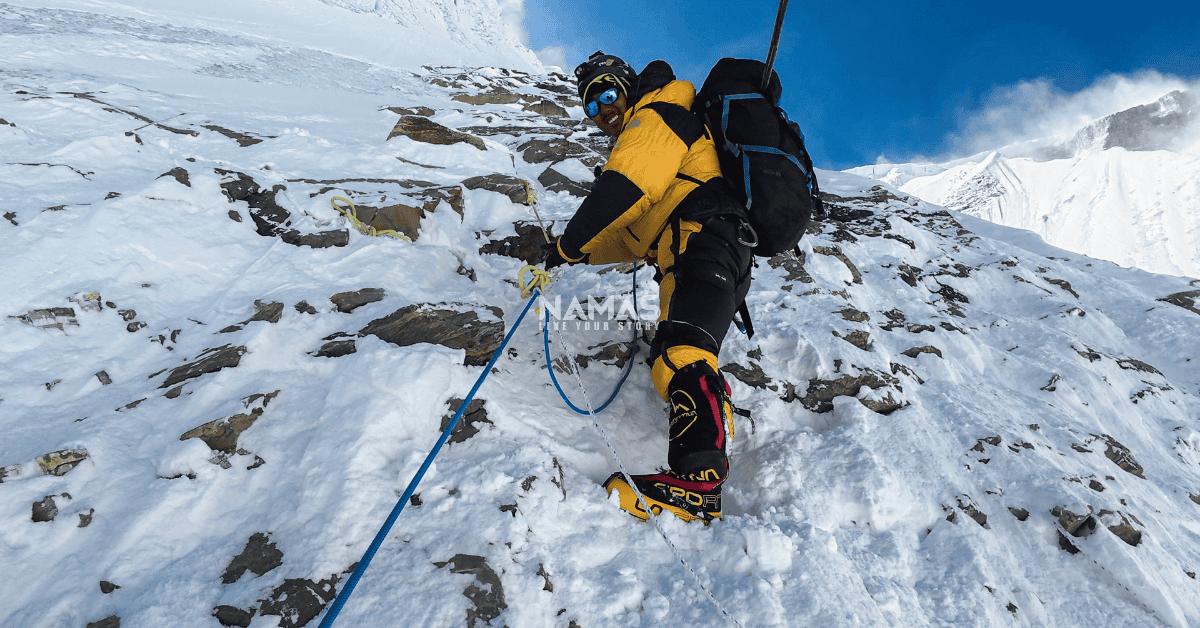
When it comes to mountaineering adventures, Sherpas are the backbone and an important part of every expedition team. During expeditions in the highest mountains like Everest, Lhotse, Ama Dablam, Annapurna, and major peaks, they contribute by guiding, assisting, and supporting the mountaineers. The roles of Sherpas in Himalayan expeditions are:
High-altitude guides that leads mountaineers or climber through difficult terrain
Fixing ladders, ropes, and paths in critical sections
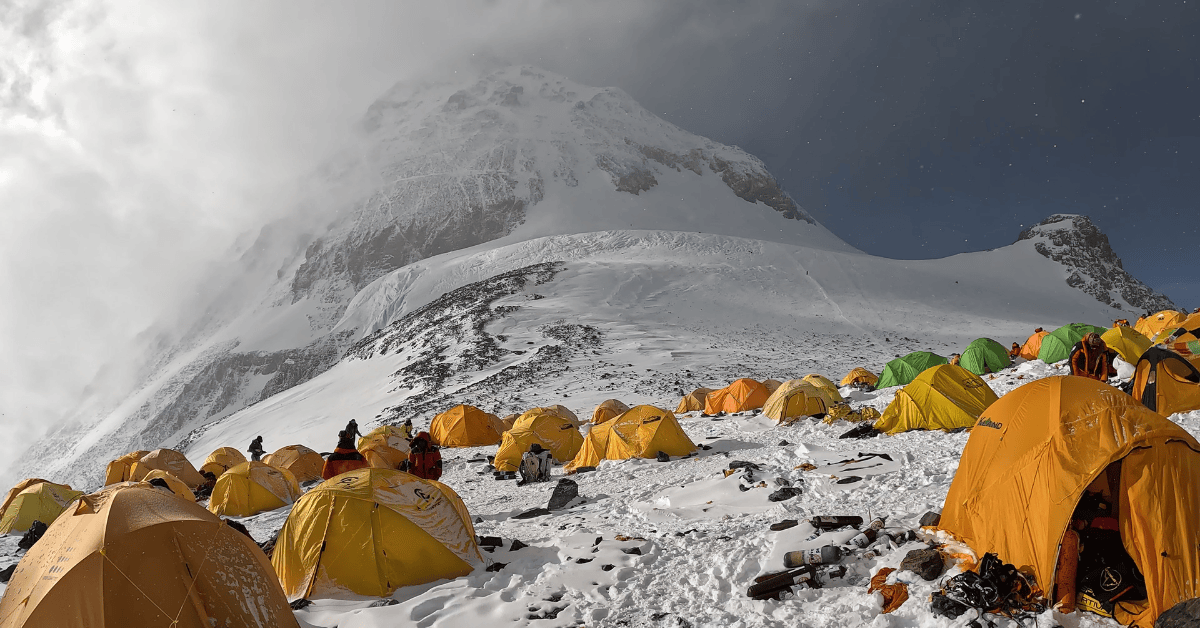
Setting camps through tent buildings
Rescuing climbers and mountaineers in critical scenarios
Helping and managing logistics
Sherpas have high expertise and knowledge about high-altitude peaks, the body's reactions at high altitudes, and making crucial decisions in every situation. Reaching the summit is almost impossible without experienced Sherpa guides and teams.
The Risks Sherpas Take at High Altitude
Sherpas are known for their courage, strength, and bravery. They risk their lives by guiding, rescuing, and exposing themself to high-altitude hazards. Their risk and contribution are often underestimated and undervalued. The major risks that Sherpas take at high altitudes are the following:
Death Zone: In the Death Zone, where oxygen levels are low, they work without or with limited oxygen to guide and rescue mountaineers.
Fatalities: Sherpas account for more deaths in mountains like Everest. One third of Sherpa guides and helpers have lost their lives while performing duties and responsibilities.
Health risk: The increased exposure to high himalayan altitude increases the risk of developing chronic mountain sickness diseases like Monge's and pulmonary hypertension.
Accidents: Sherpas and mountaineers are prone to accidents as they spend most of their lives in high-altitude mountains. The risk of exposure to avalanches, fall injuries, snowstorms, and falling ice may cause long-term injury or risk life.
Injuries and Frostbite: The risk of injuries during fixing ropes and ladders and carrying loads at high altitudes is high. Also, long-term exposure to severe cold and snow leads to frost bites, organ failure, and snow blindness.
Underrecognition and Inequality in the Climbing Industry
Being a backbone of mountaineering expeditions, Sherpas are underrecognized. They are recognized and highlighted as guides and supporters, while media highlights foreign climbers, ignoring Sherpas' contributions. Their work and risks are underrecognized and undervalued with low pay and compensation in case of injury or deaths.
In present days, the contribution of Sherpas is highlighted globally, but still unfair systems and financial rewards they get do not match risks.
Respecting Sherpas Beyond Words
Respecting Sherpas requires more than calling them “heroes” after tragedies. The proper way to show respect involves recognizing their human qualities together with their contribution to mountaineering. A few meaningful ways to honor Sherpas include:
Using the term "Sherpa" correctly as an ethnic identity
Acknowledging Sherpa climbers as professional experts and decision makers during expeditions
Supporting expedition operators who deliver fair compensation together with appropriate insurance coverage to Sherpas
Endorsing Sherpa voice through their inclusion in documentaries and articles and mountain storytelling
Conclusion
Sherpas are not just mountaineers, but they are an important ethnic group that resides in the Himalayan region of Nepal, India, and tibet. They have their own cultural, religious, and spiritual beliefs and identities besides mountaineering. Sherpa also plays an important role in conserving the Himalayan ecosystem and promoting tourism.
During expeditions, they serve as guides, helpers, and rescuers who ensure the safety and well-being of mountaineers or climbers. Their support and collaboration have made the summit-conquering dream of many popular climbers and mountaineers a reality.
Despite their contribution and effort in Himalayan conservation and promoting mountaineering, their efforts are undervalued. Hence, the world must recognize Sherpas with ethnic identities as professional experts while also providing proper recognition and compensation. Expedition companies like NAMAS Adventure value Sherpa guides and teams through appropriate contribution and recognition.
FAQs On The Sherpa: The People Behind The World’s Highest Mountains
Why are Sherpas so important in Everest expeditions?
Sherpas are important in Everest expeditions, as they hold expertise and decision-making abilities in critical situations. They guide, support, and rescue climbers through fixing ropes, establishing tents, and carrying necessary supplies. Their knowledge and strength in handling high Himalayan weather and situations make them an important part of every Everest expedition team.
Who are the Sherpa people?
Sherpa people are an ethnic group in the high Himalayan region of Nepal, India, Tibet, and other regions in south Asia. They have their own distinct identities, culture, tradition, and customs. Their primary professions include mountaineering, trading, and farming.
Why are Sherpas so good at high altitude?
Sherpas are good at high altitudes because of their genetic adaptation to survive high-altitude regions such as the Himalayas. Their lifelong acclimatization in the higher himalayas and professions have further made them the best in high altitudes
