

What is the story of Green Boots on Mount Everest
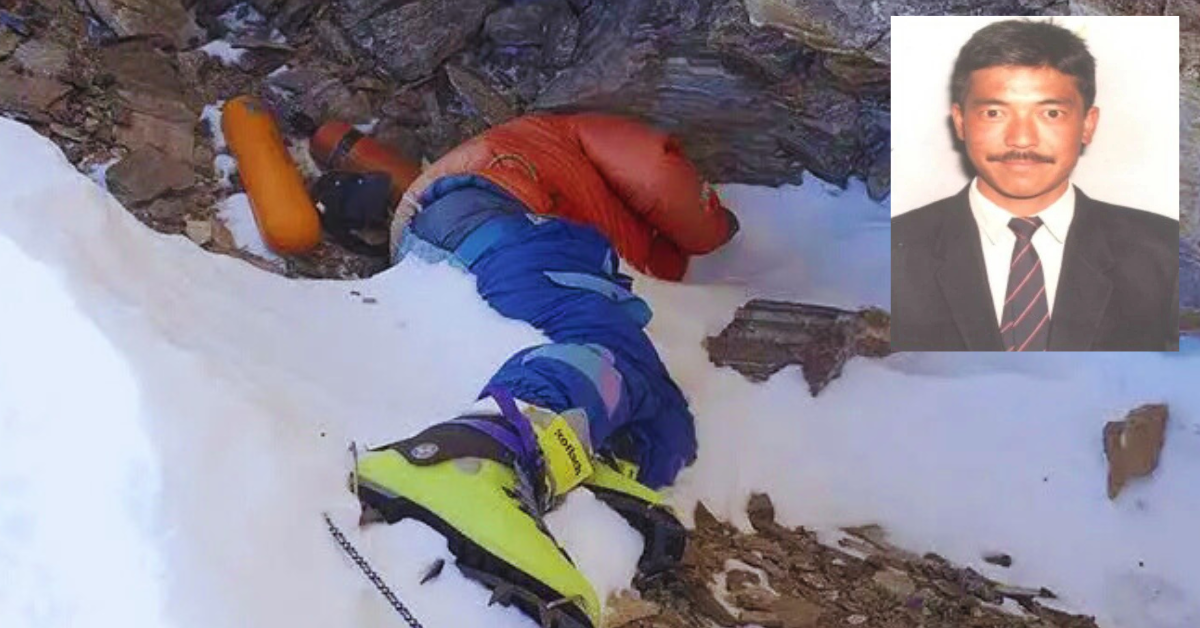
Mount Everest is the ultimate pinnacle of summit achievement for mountaineering enthusiasts in the whole world. The joy of conquering the mountain comes with a risk and people come face-to-face with death on its expedition. The mountain also holds a harsh and grim reality as few people have died on the high elevation technical sections. In fact, the high altitude of Everest is an unforgiving environment where survival is not guaranteed. Due to the untimely death caused by extreme conditions, many of the climbers who attempted to complete the summit remain on the mountain. One of the most recognized and discussed figures of climbers who lost his life in Everest ascent is known as "Green Boots."
The story of Green Boots is a sobering reminder of the dangers climbers face in the Death Zone of Everest. This guide is designed to honour the deceased Green Boots, and help climbers, researchers, and mountain enthusiasts understand his story. The guide also covers the realities of high-altitude mountaineering, why bodies are often left behind on the highest peak in the world and not brought back. It is an overview of the 1996 tragedy, the location of the famous mountaineer green boots who today stands as a landmark, and the logistics of surviving Mount Everest.
Who is Green Boots?
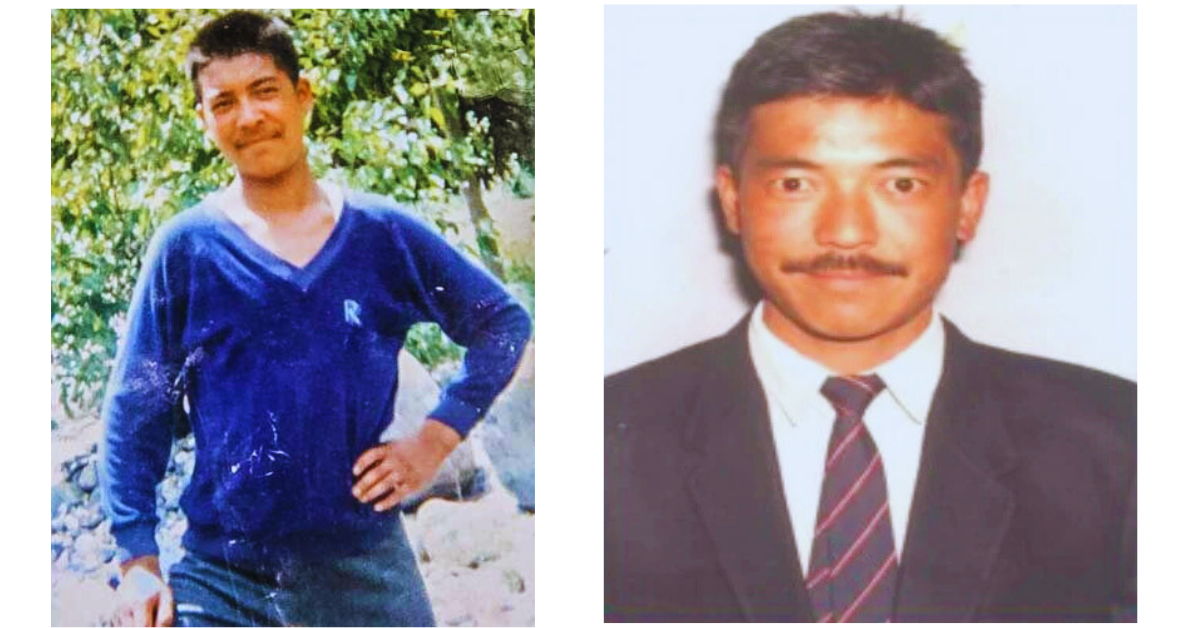
Tsewang Paljor
For over the period of two decades, every mountaineer from the Everest Expedition team ascending Mount Everest from the North Ridge route had to pass besides a resting figure in a limestone cave. The resting figure was none other than climbers known as Green Boots. He was wearing bright green Koflach mountaineering boots during his ascent of Everest, which led to the nickname, Green Boots.
Personal Profile Table: Tsewang Paljor (Widely Believed to Be Green Boots)
| Personal Details | Information |
|---|---|
| Full Name | Tsewang Paljor |
| Date of Birth | April 10, 1968 |
| Place of Birth | Sakti village, Ladakh, India |
| Profession | Head Constable, Indo-Tibetan Border Police (ITBP) |
| Expedition | 1996 ITBP Everest Expedition |
| Route | Northeast Ridge (Tibet side) |
| Date of Death | May 10, 1996 |
| Age at Death | 28 years |
| Cause of Death | Exposure, exhaustion, and extreme cold in the Death Zone |
| Known For | Body became a famous landmark on Everest's northeast ridge |
| Boot Color | Bright green Koflach mountaineering boots |
| Cave Altitude | 8,500 m (27,890 ft) |
The 1996 Everest Disaster: How Green Boots Died
The year 1996 till this day stands as one of the darkest chapters in the history of the Everest mountaineering expedition. On May 10, 1996, a catastrophic blizzard struck the mountain kick starting a snow avalanche. The accident ended up claiming the lives of eight climbers in one single day. The disaster event on this day is widely focused on commercial expeditions under Rob Hall from Adventure Consultants and Scott Fischer of Mountain Madness, whose stories are explained in detail in Jon Krakauer's book "Into Thin Air." However, a separate and often overlooked tragedy had occurred on the Tibetan side of the mount Everest very same day.
Tsewang Paljor was a young head constable 28 year during the accident day summiting Everest with Indo Tibetan Border Police. He belonged to a part of a highly capable team aiming to summit Everest from the Tibetan side. On May 10, 1996, Paljor and his teammates, Tsewang Smanla and Dorje Morup pushed for the summit.
The weather started to deteriorate rapidly late in the afternoon, and the team was caught in the disastrous Everest blizzard of 1996. Despite the dangerous condition, which was worsening every passing second the three climbers continued their ascent to the peak. Paljor and team radioed their base camp to report they had reached the summit. However, mountaineering experts later determined they likely stopped short of the true summit due to poor visibility and exhaustion. On their descent, the brutal storm trapped them in the Death Zone and none of the three men survived the night.
How Did Green Boots Die on Everest?
The primary or main reason of death for Tsewang Paljor is believed to be the long exposure to extreme climatic conditions of the Death Zone. The Death Zone which begins at 8,000 meters (26,247 feet) is an altitude where the oxygen levels are only about one third of the normal conditions at the sea level. The human body cannot acclimatize to the extreme climatic conditions of this environment. The cells slowly begin to die, and the body starts digesting and consuming itself for energy to support life at this elevation.
While descending from the top in the blinding blizzard storm conditions, Paljor may sought a shelter in the small limestone alcove cave on the Northeast Ridge. Under tough conditions exhausted, freezing, and suffering from hypoxia (lack of oxygen to the brain) often an occurrence during the storms in high altitude, he may have laid down to rest. In this area the Death Zone, sitting down to rest during a storm almost always leads to a fatal sleep. The extreme cold, combined with physical exhaustion and oxygen deprivation, caused his death.
The Location of Green Boots Cave
The location where Paljor rested on the day of the sad accident is known as "Green Boots Cave". The small limestone cave is at a high altitude of approximately 8,500 meters and this spot is located on the main path of Everest peak from the Northeast Ridge route.
Since the cave offers a rare break from the punishing high elevation wind, it is a common resting point for other climbers attempting Everest summit from the north face. Climbers often had to step over or walk around Paljor's legs to continue the trail. The bright green boots served as a chilling trail marker to climbers summiting from the North side.
Why Are Bodies Left on Mount Everest?
Many people who do not climb often have a common question, why don’t the guides and summiteers bring back bodies from Mount Everest? The answer lies in the extreme physics and logistics of the Death Zone. Recovering a body above 8,000 meters is an incredibly dangerous task and requires expensive operation. Check the table below to understand the key factors that prevent body recovery on Everest.
Mount Everest Death and Recovery Statistics
| Factor | What It Means | How It Affects Recovery |
|---|---|---|
| Body Weight | A frozen body can weigh over 300 pounds (136 kg). | It takes a team of 6 to 8 strong Sherpas to move one body. |
| Helicopter Limits | The air is too thin for helicopters to hover safely at the summit. | Helicopters generally cannot perform rescues above Camp 2 (6,400 meters). |
| Risk to Rescuers | The Death Zone drains energy rapidly. | Rescuers risk their own lives to carry dead weight down steep, icy terrain. |
| Financial Cost | Recovery missions require massive resources. | A dedicated body recovery expedition can cost between $40,000 and $80,000. |
| Weather Windows | The time to operate on the mountain is very short. | Climbers must prioritize their own survival and limited oxygen supplies. |
Due to these harsh realities, the standard practice in high altitude mountaineering is to leave behind deceased on the mountain trail. The deceased are paid due respects and pushed into crevasses or covered with rocks if possible.
The Movement of Green Boots in 2014
For 18 years, Green Boots remained in the exact same spot where he passed away but in 2014, climbers returning from the north side reported that Green Boots was no longer visible in the cave.
It is widely believed that a Chinese expedition team, or a group of Sherpas had moved his body. In an effort to clear the main climbing route and offer due respect to him, they had likely moved Paljor's remains from the main path and covered them with stones. While occasional reports of climbers seeing the green boots on the trail is heard during climbing, the cave is no longer dreaded landmark it once was.
Preparing for a Safe Everest Expedition
The story of Green Boots highlights the absolute necessity of rigorous preparation, physical fitness, and respect for the mountain. Climbing Everest requires years of experience on other high-altitude peaks. You must understand your body's limits and know when to turn around. The summit is only the halfway point, and most accidents occur on the descent.
If you are planning an expedition to the highest peak in the world, you must choose a highly professional and experienced agency like Namas Adventure Limited. Your safety depends on the quality of your logistics, oxygen supply, and Sherpa support team. For a comprehensive breakdown of what it takes to climb safely and successfully from the south side, you can read more about the Everest Expedition 8849m Nepal Himalayas to understand the modern safety protocols, itinerary, and costs involved.
Conclusion
The story of Green Boots on Mount Everest is an important history of mountaineering in Everest. Tsewang Paljor's resting place had served as a vital but tragic waypoint for climbers on the North Ridge. The bright green boots reminded each passing mountaineer of the thin line between summit success and tragedy in the Death Zone. By understanding the harsh statistics and realities of altitudes above 8,000 meters, climbers can prepare themselves for the physical and mental demands of climbing the mountain. Thus, always prioritize safety, respect the weather, and listen to your guides
