

Complete Guide to the World's Most Dangerous Honey Harvest
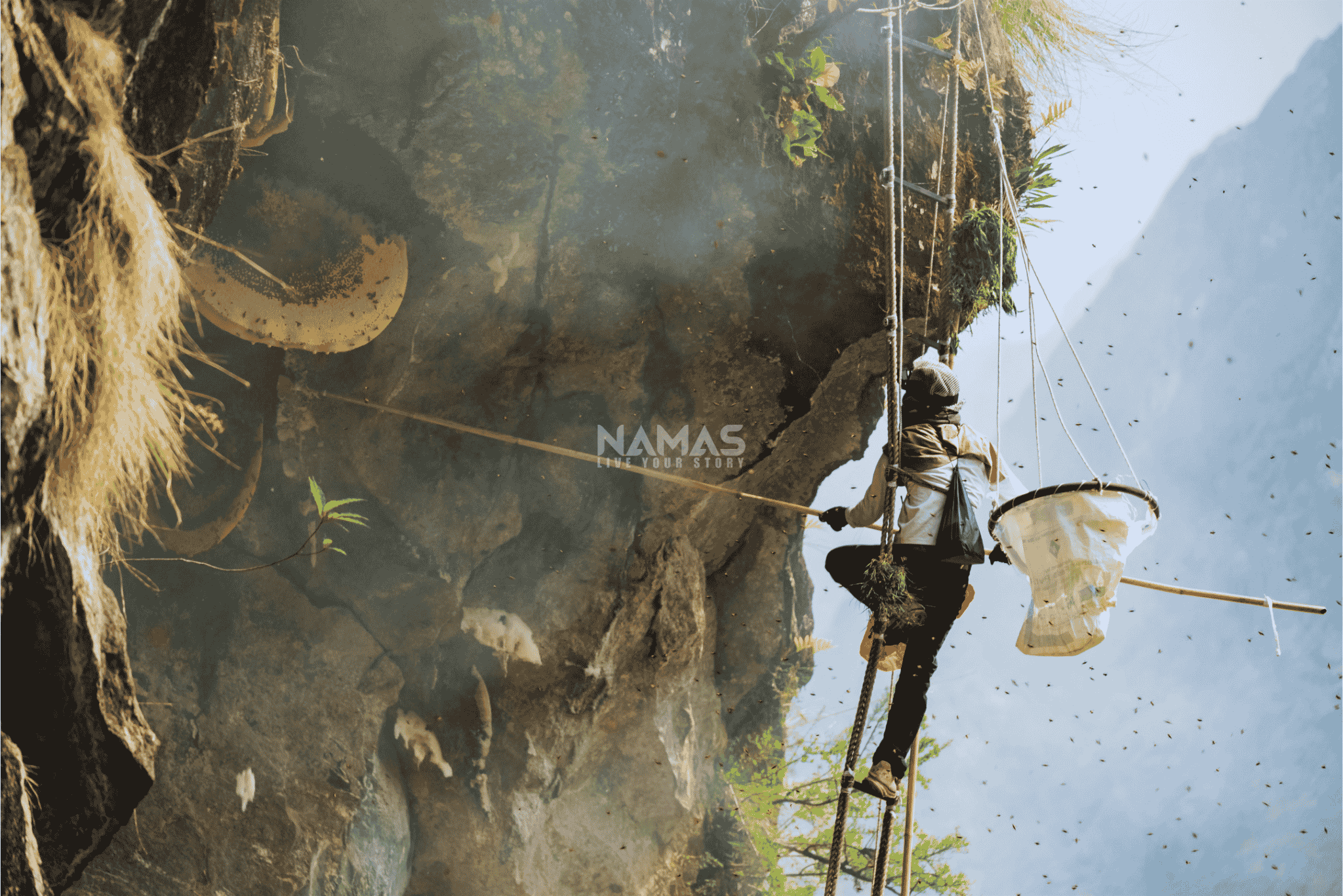
Honey hunting, the thrilling and breathtaking tradition where indigenous honey harvesters risk their lives to harvest honey high above the cliffs in remote locations of Nepal. Despite being a risky and adrenaline-filled adventure where hunters risk their lives for honey produced by bee species Apis Laboriosa and Apis Dorsata, the tradition has managed to survive for centuries. In present days, the raw and daring practices are carried out during Autumn and Spring season by indigenous kulung people in remote himalayas in Nepal.
The Skilled Kulung honey hunters carefully go down the towering cliff of more than 300m height using handmade bamboo ladders to gather the honey from huge beehives. They use ancient honey-hunting techniques passed down from generations to face thousands of giant honeybees swirling around without any modern gear and protection. The hunter shows their bravery by depending upon their skills and technique and showing immense respect to nature. Honey hunting is more than just collecting wild honey from the cliffs but is also about being tied to the culture, nature, beliefs, and daily livelihood of the indigenous community. This sacred and thrilling tradition in Nepal has attracted numerous visitors, adventurers, and researchers.
Whether you are planning a honey-hunting trek in Nepal or want to know about the honey-hunting tradition of the indigenous community of Nepal, this guide provides information about the tradition, spiritual rituals behind it, and step-by-step process of honey hunting. The cultural and socioeconomic importance of the honey-hunting tradition in Nepal and the best time to witness the harvest and its information are also provided.
What Is Honey Hunting?
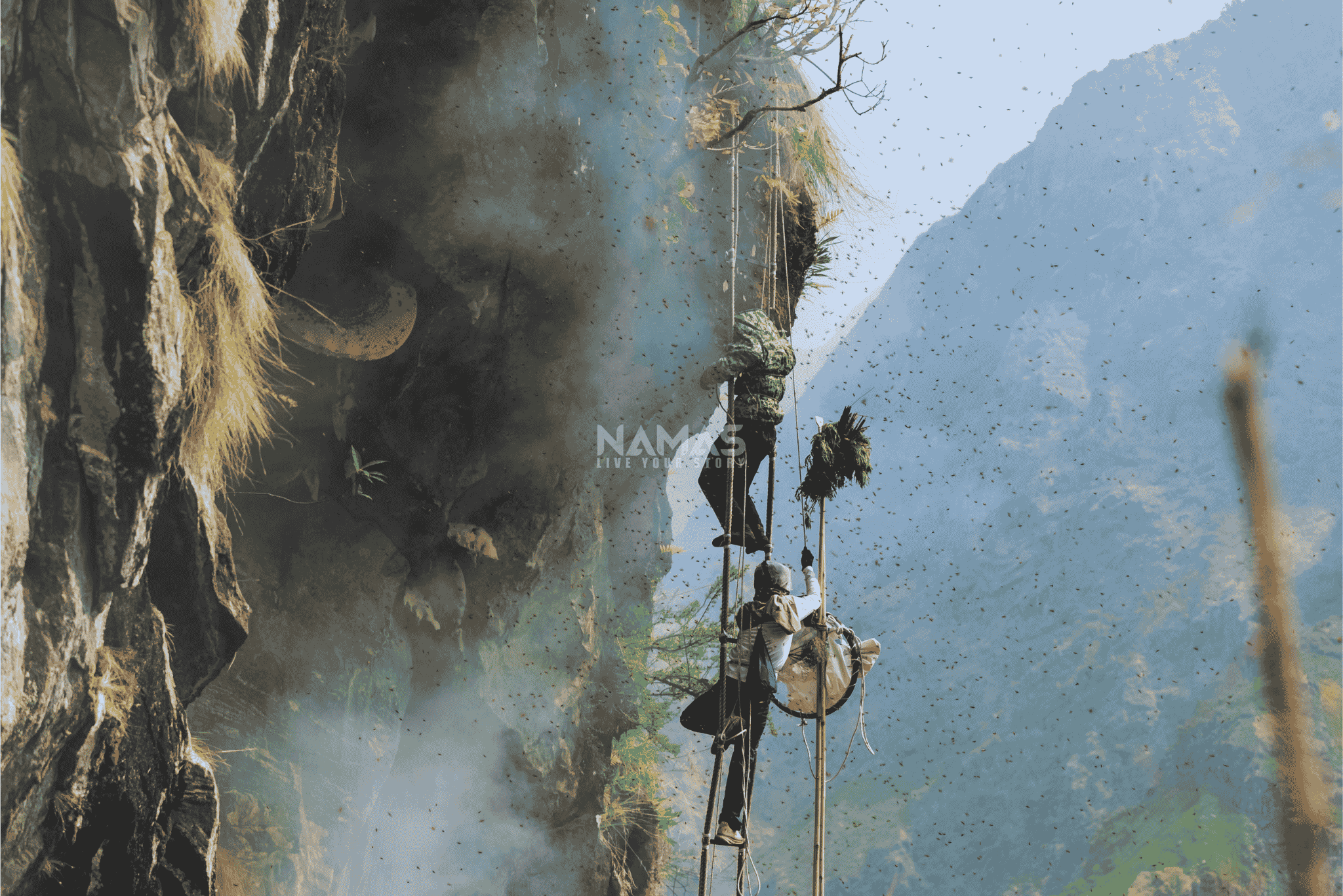
Honey Hunting is one of the daring and brave acts where honey hunters harvest wild honey from beehives in the high cliffs in remote jungles of Nepal. The tradition is practiced in various himalayan an high hilly regions of eastern and western Nepal by indigenous Rai, Gurung, and Magar communities.
The honey hunters in Nepal do not harvest honey by keeping bees in managed colonies and boxes like professional farms. Instead, hunters hunt honey from wild bee hives located on 300m or higher cliffs using handmade equipment like bamboo ladders, smoke, and ropes.
The Hongu Valley in eastern Nepal is known for honey hunting, where the Kulung community continues the tradition from generation to generation. Similarly, the Annapurna region of Nepal also hosts the adventure where indigenous Magars and Gurung hunters take part in the hunt using their custom techniques.
Honey hunting is one of the most dangerous traditions in the world, as the hunters rely on their techniques to cut the honeycombs with traditional equipment while hanging on high cliffs. They show intense bravery by facing wild bees defending the hive without using any safety equipment and protective wear. The entire team or community works together to hunt the honey, showing intense teamwork as part of cultural, ritual, and economical activities.
History and Origins of Honey Hunting in Nepal
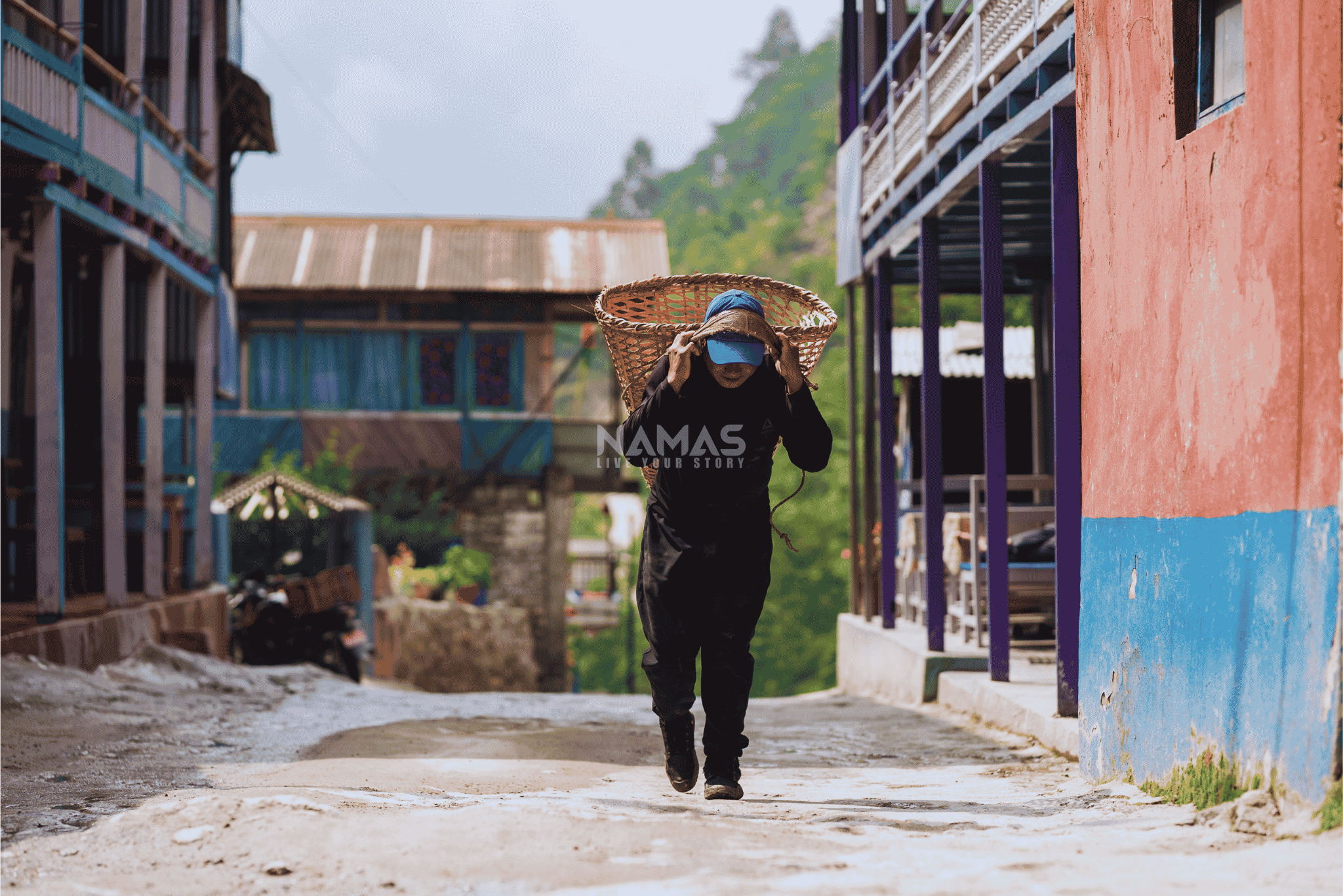
Honey hunting has been practiced in Nepal for centuries, long before modern roads got to many of the Himalayan villages. For the Kulung people in eastern Nepal, this tradition means more than just a way to collect food; it also feels like an important piece of who they are culturally, in a very day-to-day manner.
The tradition and practice of honey hunting in Nepal have been passed from centuries to the younger generation in Nepal. Learning the honey-hunting skills requires patience, endurance, and understanding the weather patterns and behaviors of bees.
While the traditional honey-hunting culture is gradually becoming extinct in many regions of Nepal, the Hongu valley’s isolation maintained the spiritual understandings, customs, and traditional harvesting methods, keeping the culture alive. Furthermore, the remote geographical location of Hongu valley in the Everest area makes the tradition rare and unique to the outer world.
The Himalayan Giant Honeybee
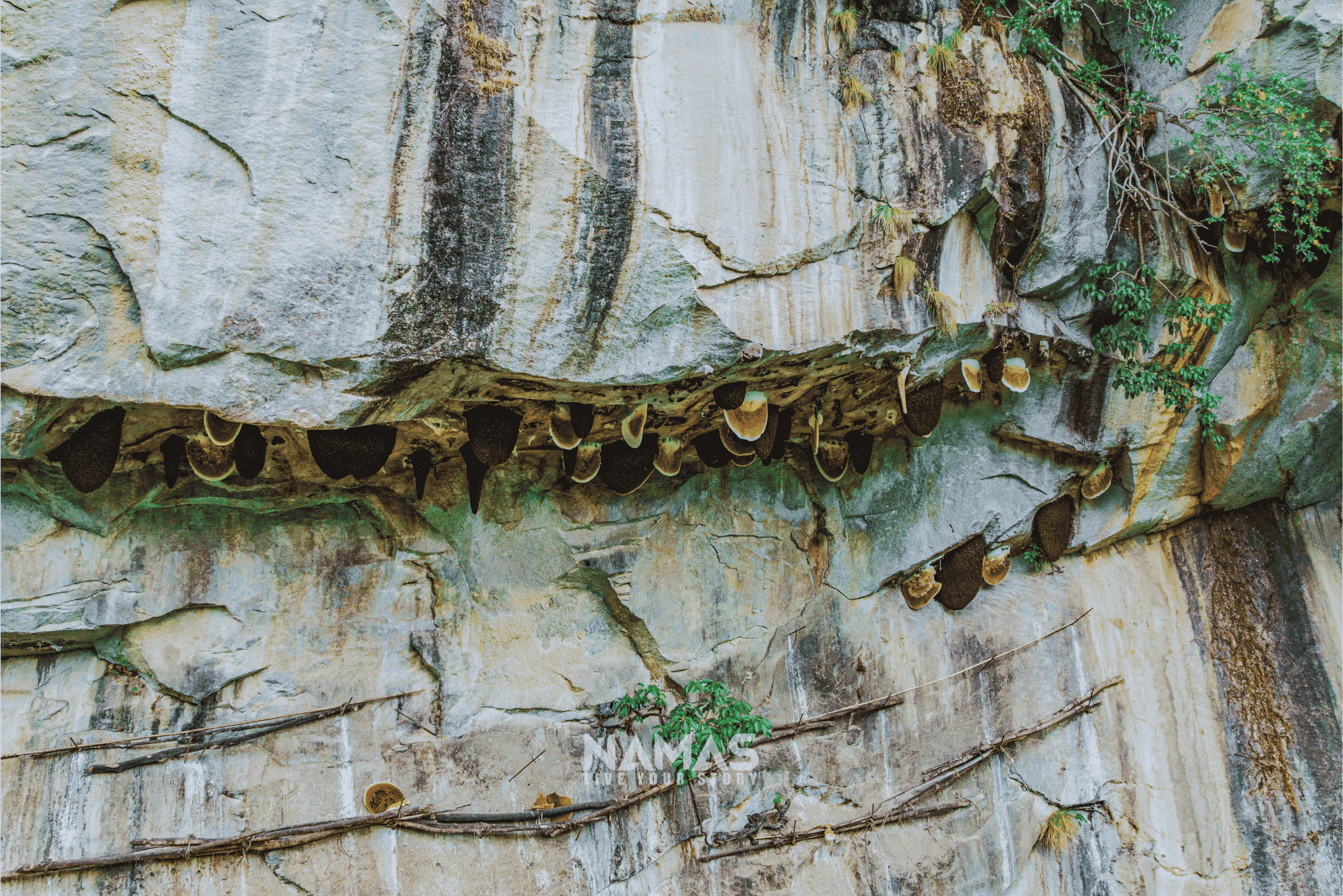
The honey hunting tradition of Nepal involves hunting honey from hives of giant bee species, Apis Laboriosa and Apis Dorsata, the largest bee species in the world. These bees reach more than 3 cm in size, making them appear oversized. These species of bees make huge crescent-shaped honeycombs under the rocky section of the cliffs. The hives of the bees can reach up to the size of more than 6 feet and hold thousands of bees.
During the hunt, the hunter starts with smoke to disorient or scare off honey bees defending their hives. The process often led to hunters facing multiple stings, causing swelling, pain, and risk of falling due to pain or lack of focus.
Mad Honey: Nepal's Rare Hallucinogenic Honey
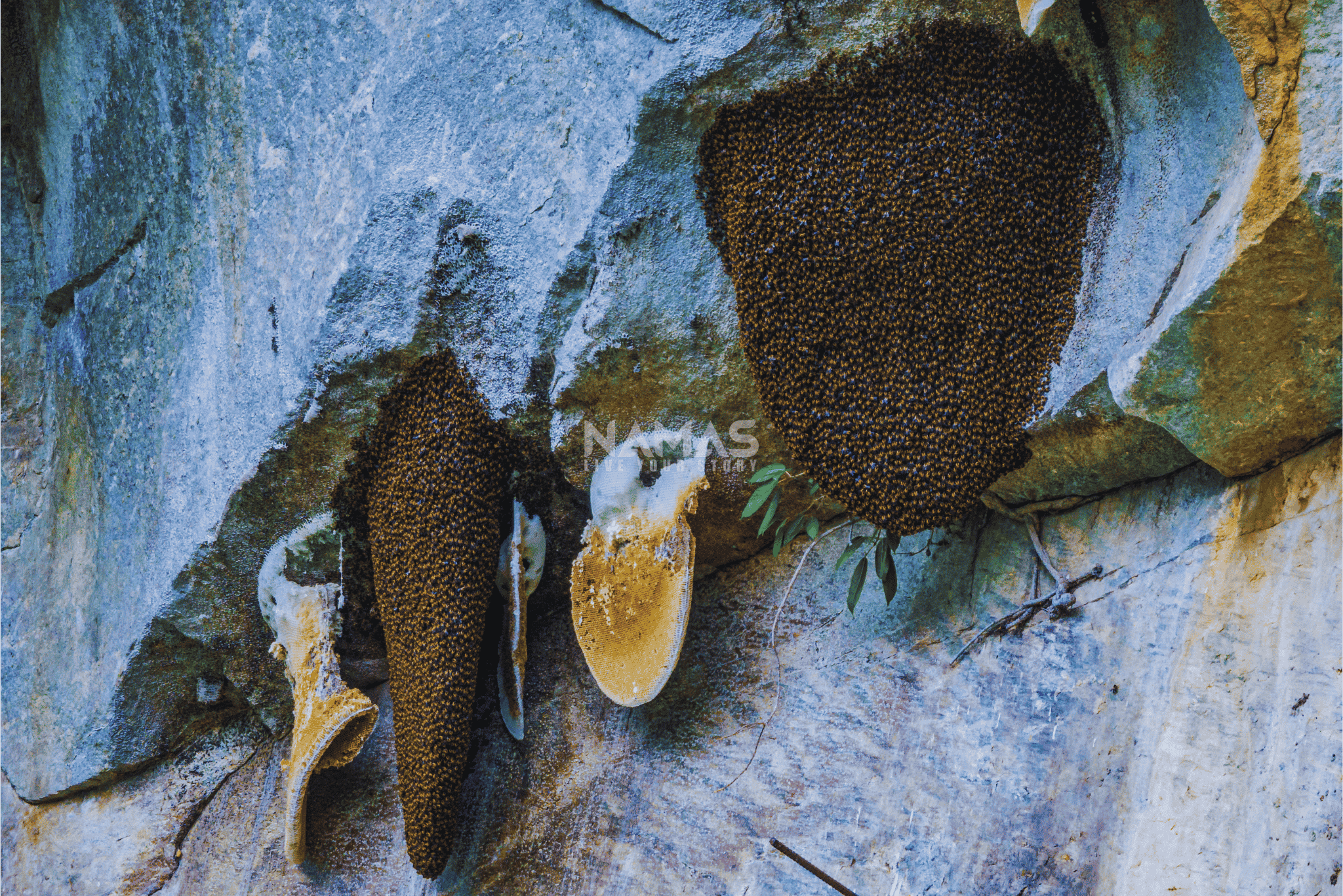
Honey hunts during the months of spring often provide opportunities for the honey hunter to harvest rare hallucinogenic honey known as mad honey. Mad honey is known to cause psychoactive intoxication and give hallucinogenic effects to the consumer, as the honey contains naturally occurring grayanotoxins.
The mad honey gets its hallucinogenic quality from the nectar that the bees collect from rhododendron flowers, which hold grayanotoxin compounds. As the compounds mix with honey, they become psychoactive and affect when consumed in excessive quantities. The mad honey are found during spring as rhododendrons bloom during the season to
supply nectar with grayanotoxin compounds.
The collected mad honey is traditionally used by Kulung communities for healing practices, treating health issues like coughs, sore throats, digestive discomfort, and several other problems. They are also used in rituals and works and cure diseases of animals.
The rare nature of mad honey gathered during honey hunting in Nepal sells for higher values. They are six times more valuable than regular honey available in Nepal, as they sell for more than $60 to $80 per pound in the market. However, mad honey must be used and consumed within limits, as excessive consumption leads to nausea, dizziness, low blood pressure, vomiting, and irregularities in heartbeat. Hallucinations, purging the bowels lasting multiple days, and even risk of paralysis are high when exceeding the limit.
Also, the collected beeswax from the hunt provides extra income opportunities, as they have demand in bronze casting workshops in Kathmandu and other areas. The beeswax is also used in making candles, handicrafts, and in artisanal use in Nepal.
Spiritual Rituals Behind Honey Hunting

For the Kulung indigenous community in eastern Nepal, honey hunting is not just an adventure and showcase of bravery, it is also a sacred tradition guided by spiritual rituals, ancestral beliefs, and deep respect for nature. Hunters follow spiritual practices before the hunt to get blessings from spirits, nature, cliffs, and bees to ensure they are protected and safe.
The Dream That Chooses a Hunter
According to the Kulung tradition, a honey hunter is chosen by spirit through a meaningful dream. It is believed that a meaningful dream means permission from spirits to harvest honey from high cliffs. Harvesting without spiritual calling is considered disregard and disrespect to spirits. The dream represents the courage and readiness of the hunter to carry out the honey-hunting process.
Rangkemi: The Guardian Spirit of the Bees
In Kulung tradition, Rangkemi is a spiritual figure associated with wild bees, cliffs, and risks in the mountains. The honey hunters believe that the spirit watches every honey-hunting adventure, and its success depends on them. This is why honey hunters seek the blessing and protection of Rangkemi through prayers and providing offerings to the spirit. Prayers and offerings act as respect to the guardian spirit and reduce several risks during the honey hunt.
Baneskandi: Protector of the Forest
The honey hunting tradition in the Kulung community of eastern Nepal also honors Baneskandi, a spirit that protects forests where the honeybee species live. Respecting and worshiping Baneskandi is believed to provide a healthy environment for bees to thrive. It also represents conservation of forests and resources to maintain a healthy relationship between humans and nature.
Pre-hunt shaman ceremony
Before starting a honey-hunting activity, all team members, including the main honey hunter, conduct a pre-hunt shamanic ceremony for clearing obstacles, getting blessings and protections, and ensuring the success of the hunt. In this ritual the honey-hunting team offers rice, flowers, homemade alcohol, and incense on a small altar. Hunters also sacrifice animals as a traditional practice, which is believed to protect them from the aggression of bees and poor weather.
Kulung mantras spoken on the cliff face
As the main hunter approaches the bee hives, the Kulung mantras are chanted to honor the guardian spirit, maintain focus, and provide courage. The hunters believe that mantras are as important as skills to harvest honey safely. Hunters and the team chant the mantra to appease the spirits and bees: “You are Rangkemi. You are of the bee Spirits. We are not thieves. We are not bandits. We are with our ancestors. Please fly. Please leave."
How Honey Hunting Is Done: Step-by-Step Process
Honey hunting is a team activity that requires proper coordination, communication, and experiences. Every team member is provided specific roles from preparing equipment, guiding and assisting hunters, and collecting harvested honey to The step-by-step process of honey hunting is explained below:
Preparing the Bamboo Rope Ladder: The hunting preparation starts weeks or days ahead, where the team gathers bamboo, forest vines, and fibers to make a rope ladder to reach cliffside hives. From preparing woven baskets and dry grass for smoke to crafting or preparing cutting tools, all equipment and tools are arranged.
Reaching the Cliff: During the day of harvest, the team reaches the top of the cliff to set up ladders in stable and appropriate anchor points. The team also monitors weather and performs traditional rituals, wishing for successful expeditions.
Climbing without modern safety equipment: As the honey hunt begins, the experienced hunters climb the tall, handmade bamboo ladder without a modern safety harness. They rely on rope, strength, and experience to maintain balance and get their job done.
Using Smoke to Calm the Bees: Once the hunter approaches near the bee hive, the assistant below burns the grass to disperse bees. This provides an opportunity for the hunter to harvest the honeycomb with minimal chance of a bee sting or attack.
Cutting and Lowering the Honeycomb: Using the homemade cutting tools and equipment, the hunter cuts the honeycomb and puts it into baskets. The baskets are attached with ropes and are lowered after honeycombs are placed in them.
Collecting Honey and Beeswax: Once the honeycombs reach the ground, the team separates honey from the beeswax. The collected honey is stored in clean storage while the wax is collected for traditional and commercial uses.
Returning to the Village: After collection of Beeswax and honey, the honey-hunting team returns to their home and shares the hunt. The collected honey and beeswax are used for worship, traditional medication, or even sold.
The Economics of Honey Hunting
The honey hunting tradition is also tied as a source to generate income for the honey-hunting team. The hunters earn around an average of $100 per day for 3 days of hunting twice a year. While these incomes are helpful to support and cover household expenses, the pay for physical risk involved is not sufficient and fair.
The collected honey and beeswax are sold to the local trader known as Jangi. The trader manages permits, transportation, and all required arrangements to transfer honey to Kathmandu and other cities in Nepal. As Jangi has higher control over the market and logistics, they earn a larger share of profits than the honey hunters.
Is the Honey Hunting Tradition Dying?
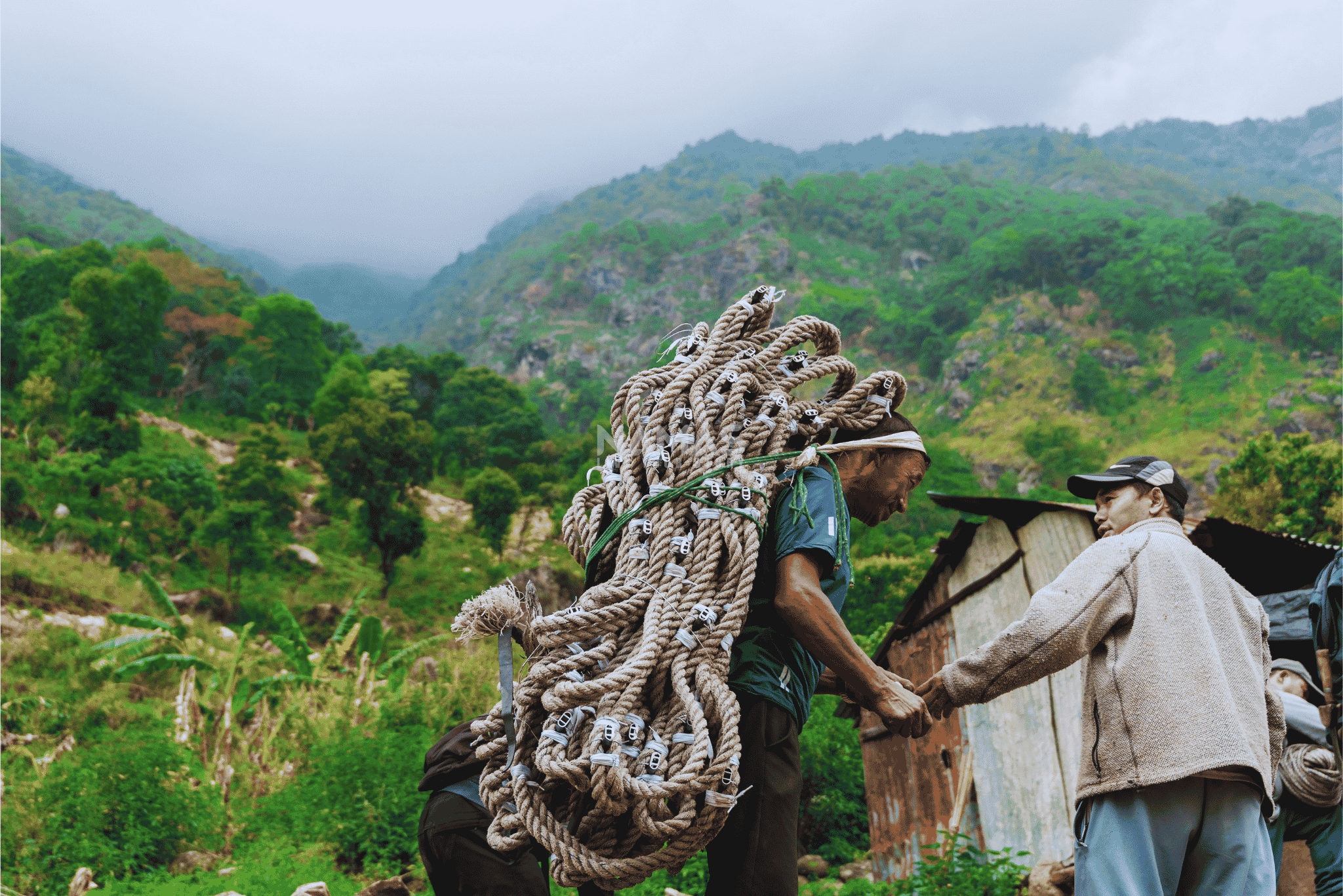
Honey tradition is somehow preserved and practiced in most places in Nepal. But the tradition is in severe risk of fading away with the shortage of skilled hunters and the shifting lifestyles of Nepali communities. The younger generations today seek opportunities for better living in major cities and abroad. As the rewards of a honey hunt are not enough for daily expenses, the risks are not considered by coming generations.
The improved access to education, changing lifestyles, and acceptance of technology by Nepalese youths have further shifted their attention towards modern lifestyles. With growing smartphone users, social media use, and connectivity of honey-hunting villages with the outer world, even skilled honey hunters suggest their new generations choose a safer and more secure future.
With the aging existing hunter, lack of skill transfers, and modernization adopted by the modern generation, it is anticipated that the honey tradition will slowly lose its existence.
Honey Hunting Tours in Nepal
As an initiative to preserve the honey hunting tradition and expose it to the outer world, honey hunting tours are organized in various places of Nepal. Many visitors and tourists visit Nepal and trek to the honey-hunting region to witness the thrilling practices.
Best Places to Witness Honey Hunting
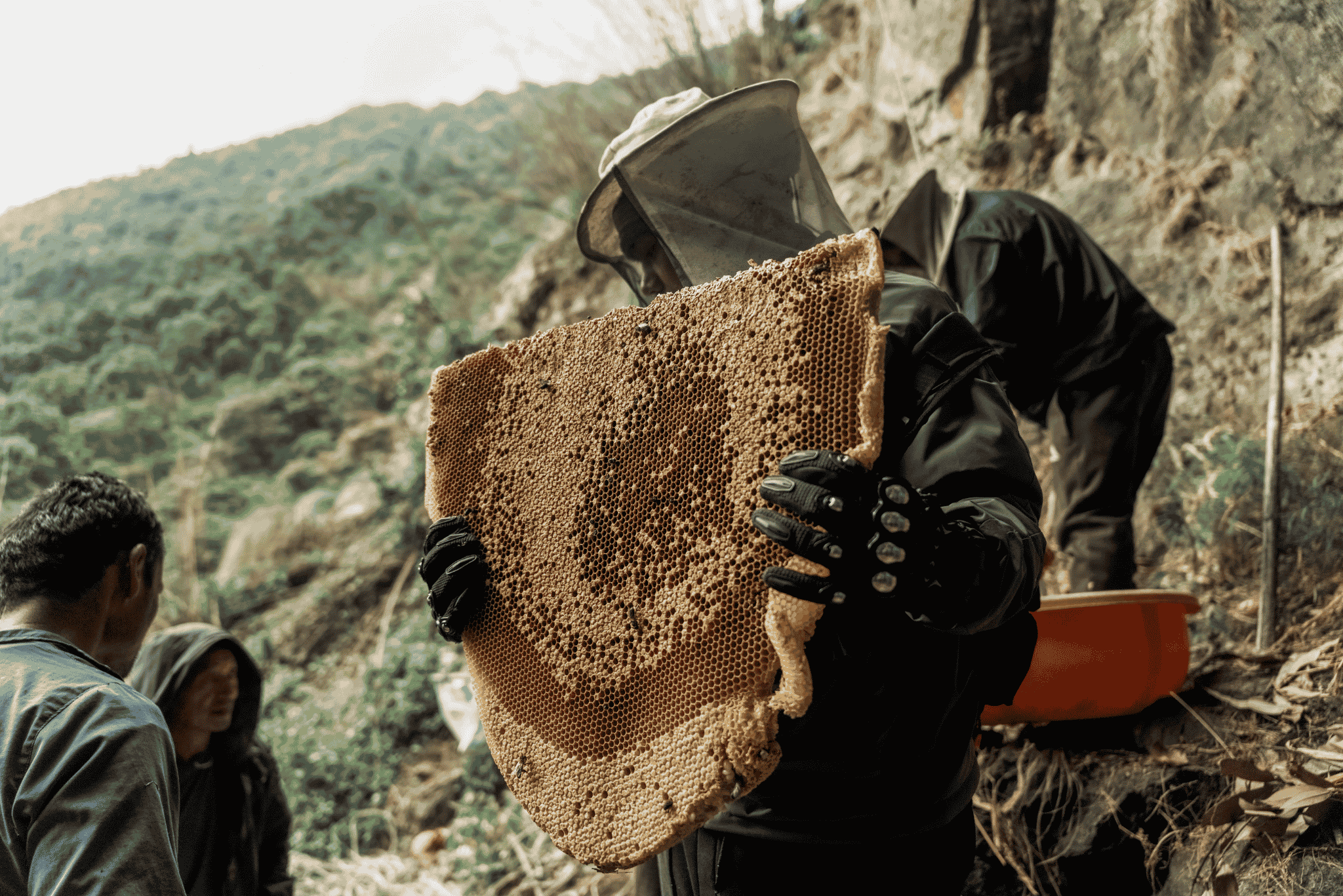
For one willing to explore and witness the honey hunting tradition in Nepal, the Hongu valley in eastern Nepal is one of the ideal places where you witness hunters climbing high cliffs to gather honey during the season. Central-western Nepal and the Annapurna region also host honey hunting activities where hunters from gurung and magar communities carry out the traditions. Places like Lamjung, Kaski, Myagdi, and Dhadhing host the honey hunting tradition twice a year.
Best Time for Honey Hunting Tours
If you are planning to witness honey hunting in Nepal, then spring and autumn are the best seasons when the honey is harvested. Spring from march to may gives you an opportunity to witness mad honey harvesting. Meanwhile, autumn produces honey, providing various health benefits as the bees collect nectars from Himalayan herbs and plants.
What to Expect During a Honey Hunting Expedition
When visiting for a honey-hunting expedition, it is important to witness the activity from a safe distance without distracting the hunters in the act. Enjoy the technique, coordination, and communication of the hunter's team during the process. Visitors may also get opportunities to interact with hunters after the hunt and taste the honey. If you are interested, you can also purchase the honey from the hunters if they are available for sale.
Responsible and Ethical Tourism Tips
During a honey hunting expedition, it is important that you respect their cultures, spiritual beliefs, and traditions and know the importance of honey hunting. You can further follow the ethical and responsible tourism tips by:
Following guide instruction and keeping safe distance from the harvesting site
Not interfering or distraction hunters during the hunt
Asking for permission before photography
Respecting cultural ceremonies and spiritual acts of the honey-hunting community
Helping honey hunters to preserve and promote the tradition by rewarding or helping them by purchasing or promoting honey.
Conclusion
Honey hunting in Nepal is not just an extreme adventure where hunters collect wild honey but also a tradition that reflects resilience, bravery, and centuries-old traditions of indigenous communities in Nepal. The honey harvesting act displays skills, courage, respect for nature, and collaboration of the team to overcome challenging tasks.
For many visitors the hunt may be adventurous and aimed at collecting honey, but for the honey hunters it is the continuity of their culture and tradition and part of economic activities that supports their day-to-day living. Witnessing the tradition in the remote location of Nepal is thrilling and a lifetime memory. And interacting with the indigenous community and knowing the entire process of the hunt further helps to know about the importance of the traditions.
If you are also planning to witness the thrilling and exciting adventure in the remote himalayan region of Nepal, Namas Adventure can be your ideal honey-hunting expedition partner. Namas Adventure focuses on providing authentic honey hunting experiences while also supporting local communities to preserve and promote their traditions. Contact Namas Adventure today and book your honey hunting expeditions to witness the extraordinary living tradition of Nepal’s indigenous community
