

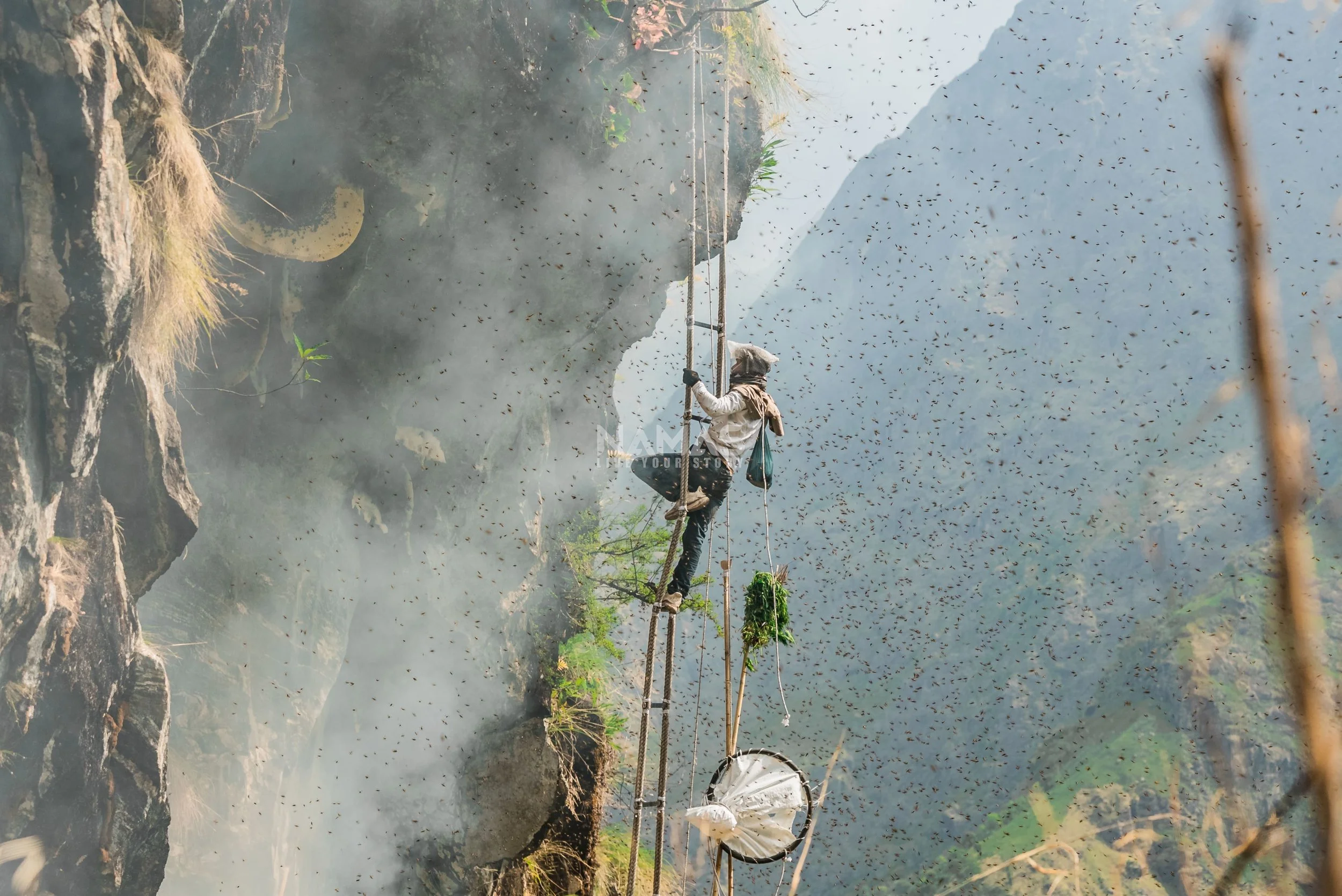
Honey Hunter - Himalaya Mad honey Experience
Highlights
Location: Lamjung, Nepal (on the route to the Annapurna Circuit Trek)
Elevation/altitude: 1600m- 2000m.
Small and dedicated team strategy. 2-10 max client members.
Witness the ancient Himalayan tradition of mad honey hunting practiced by local communities for generations.
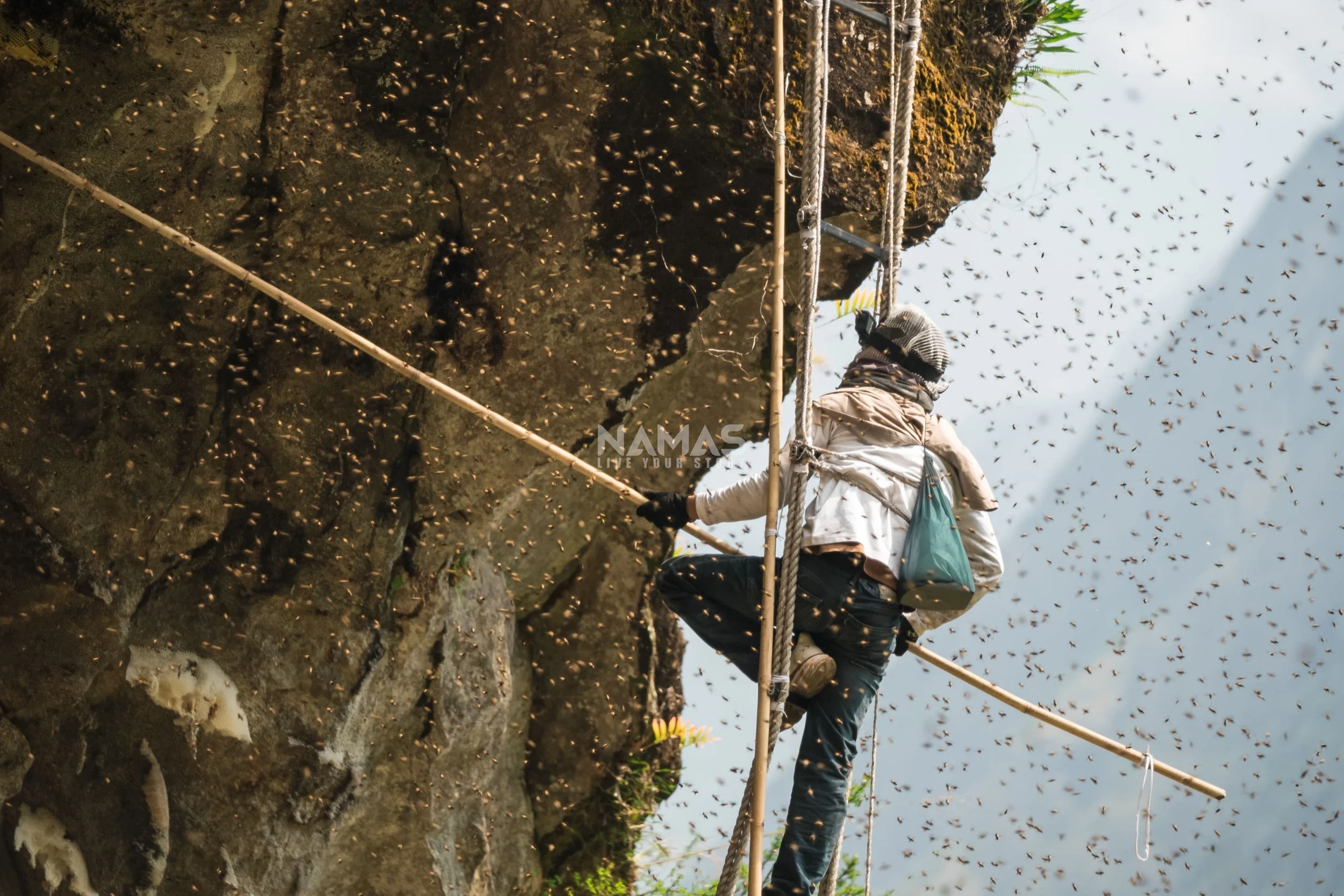
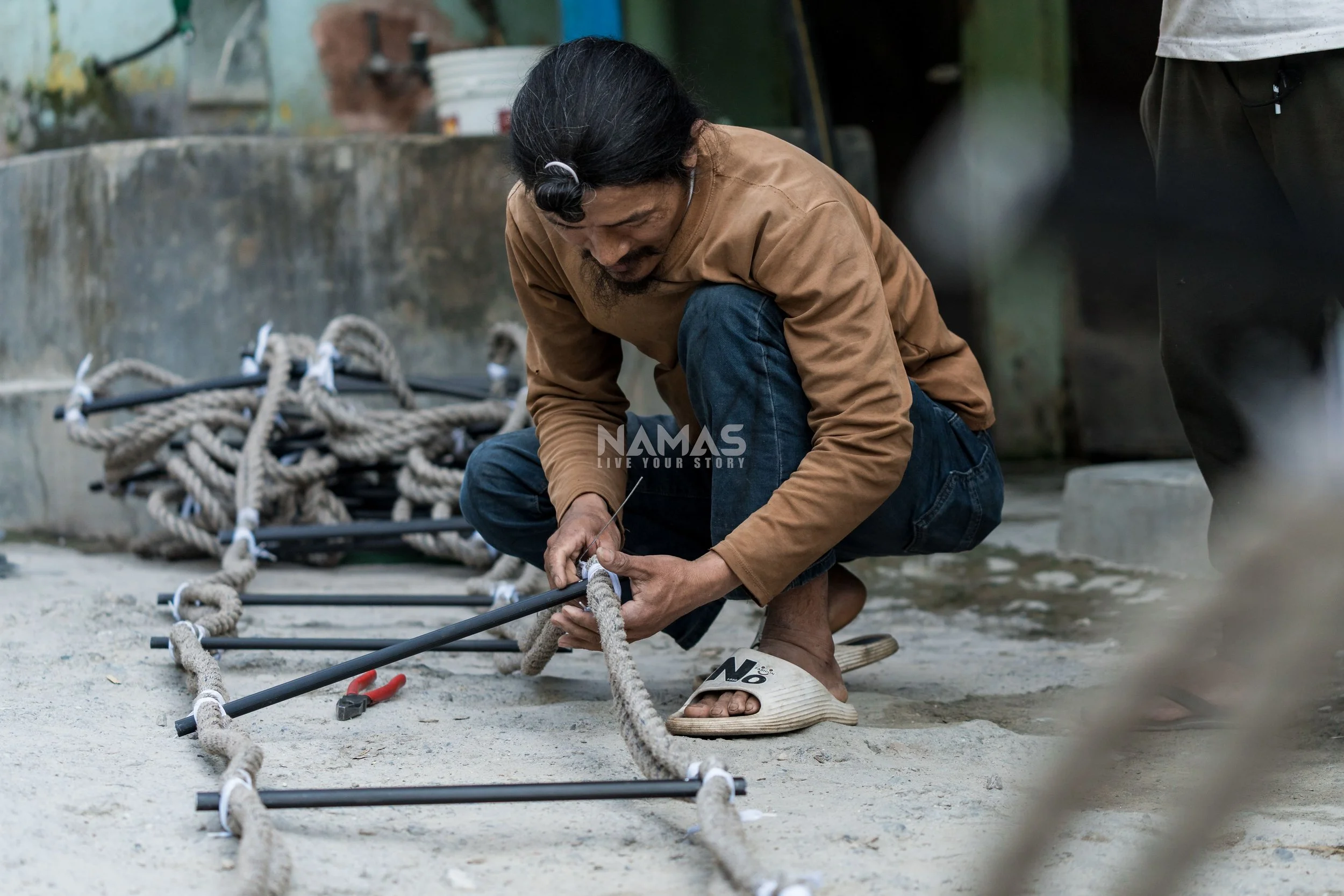
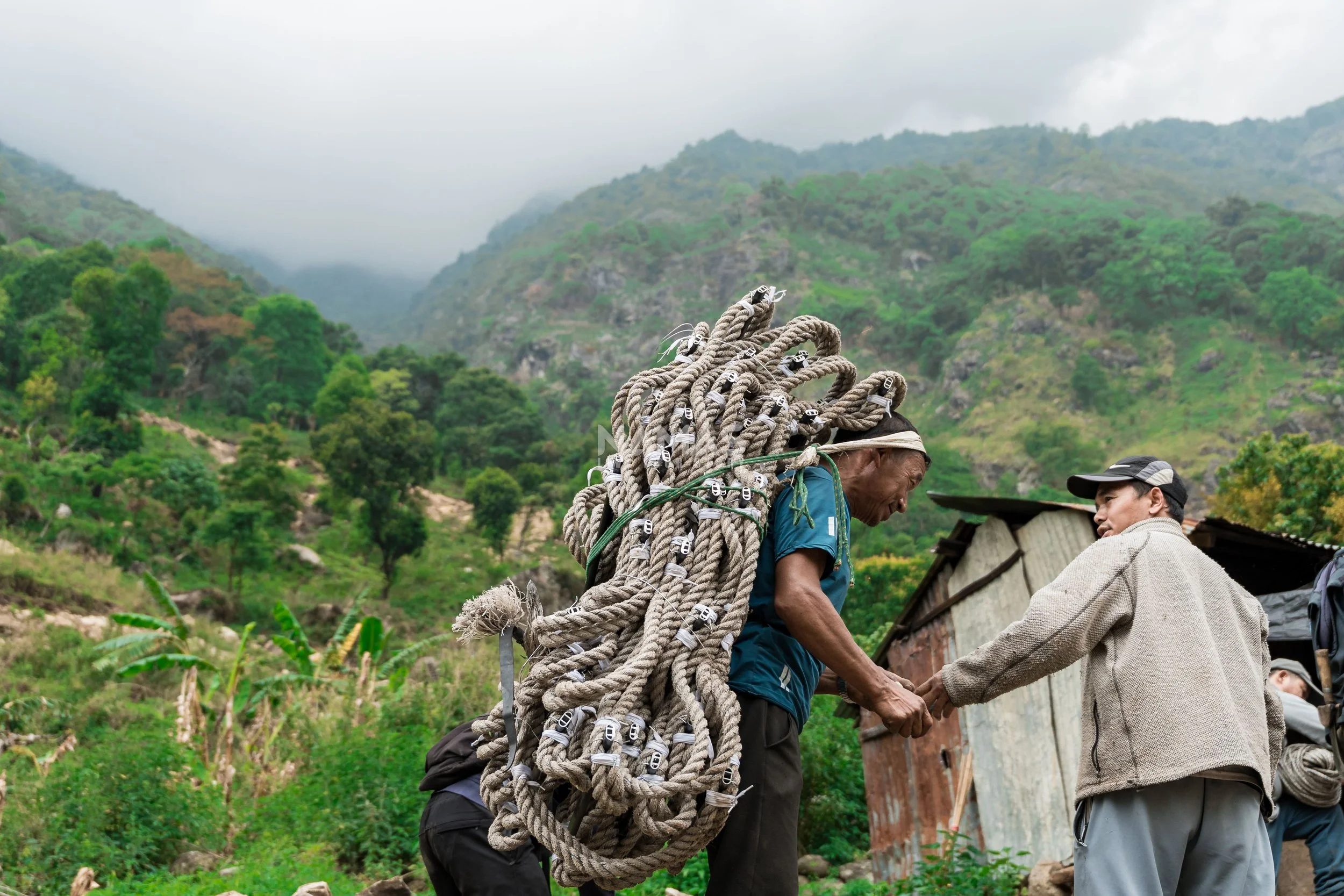
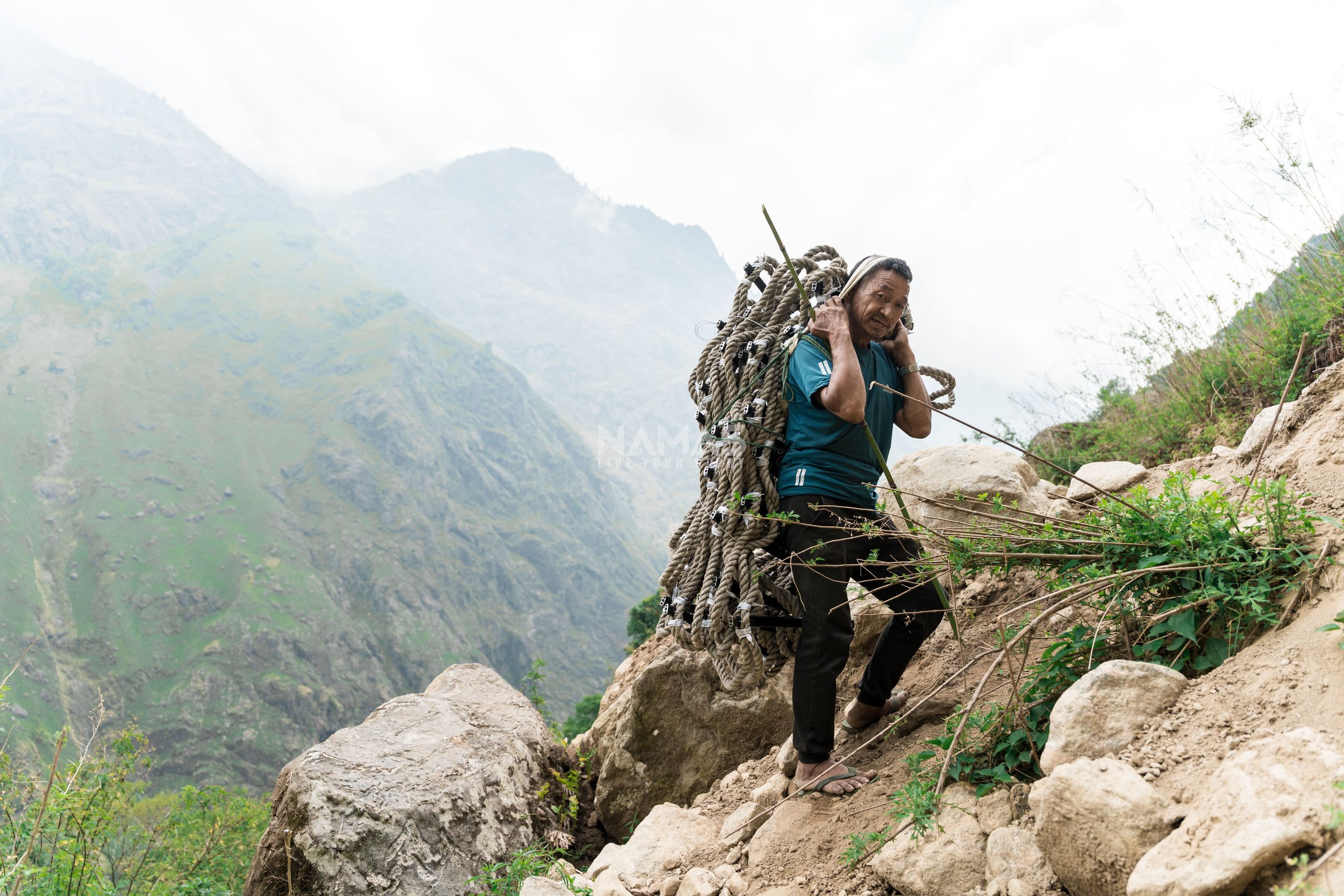
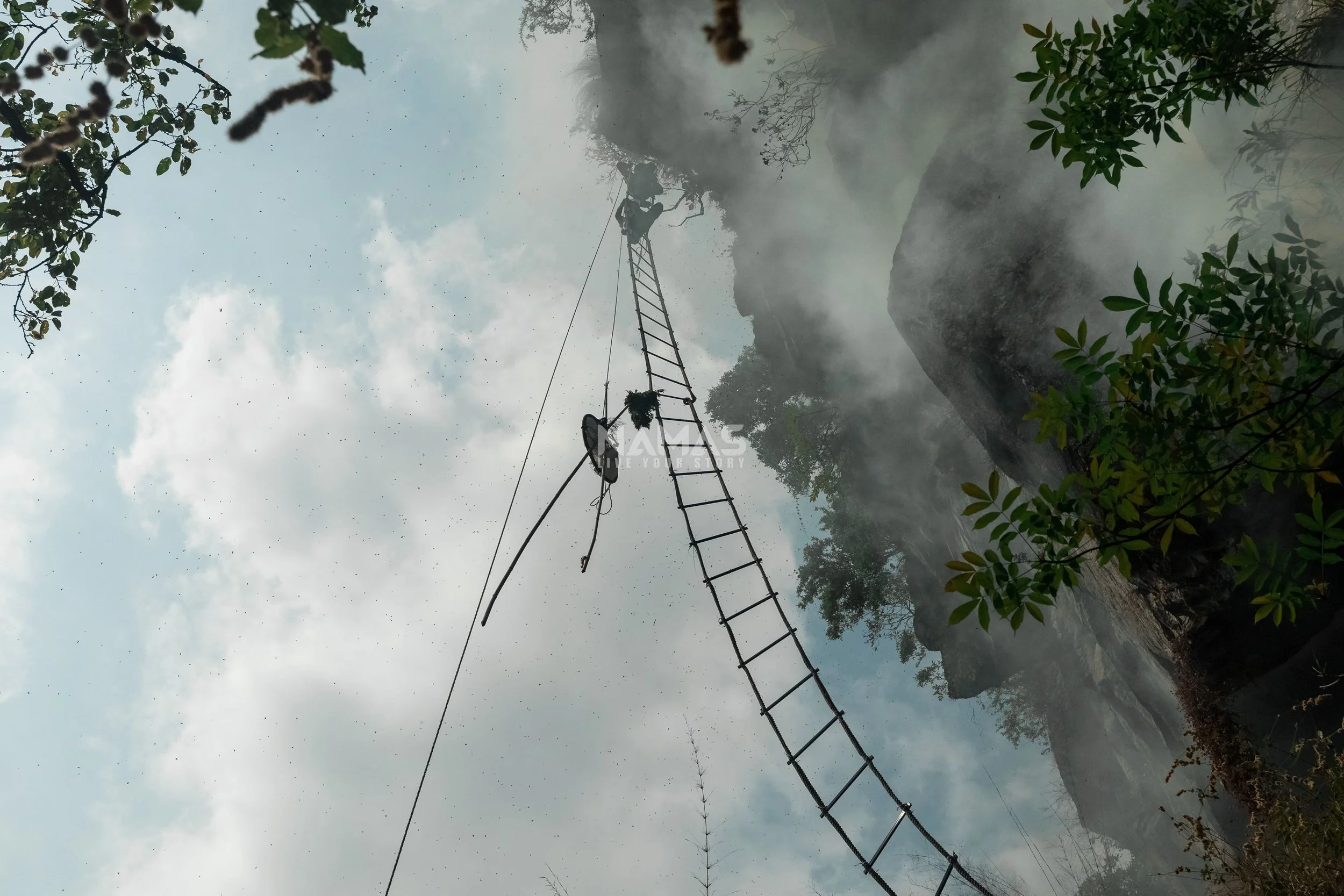
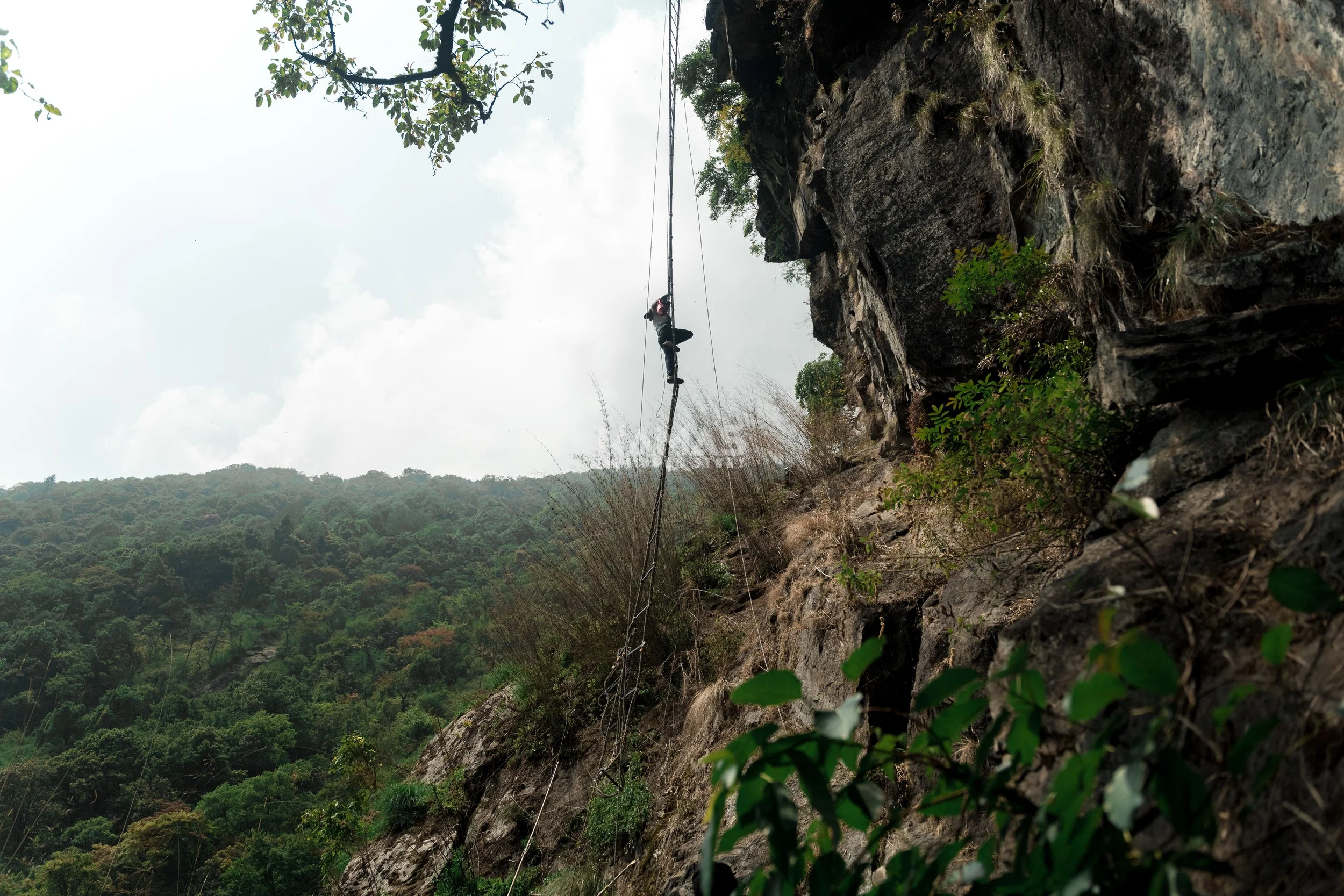
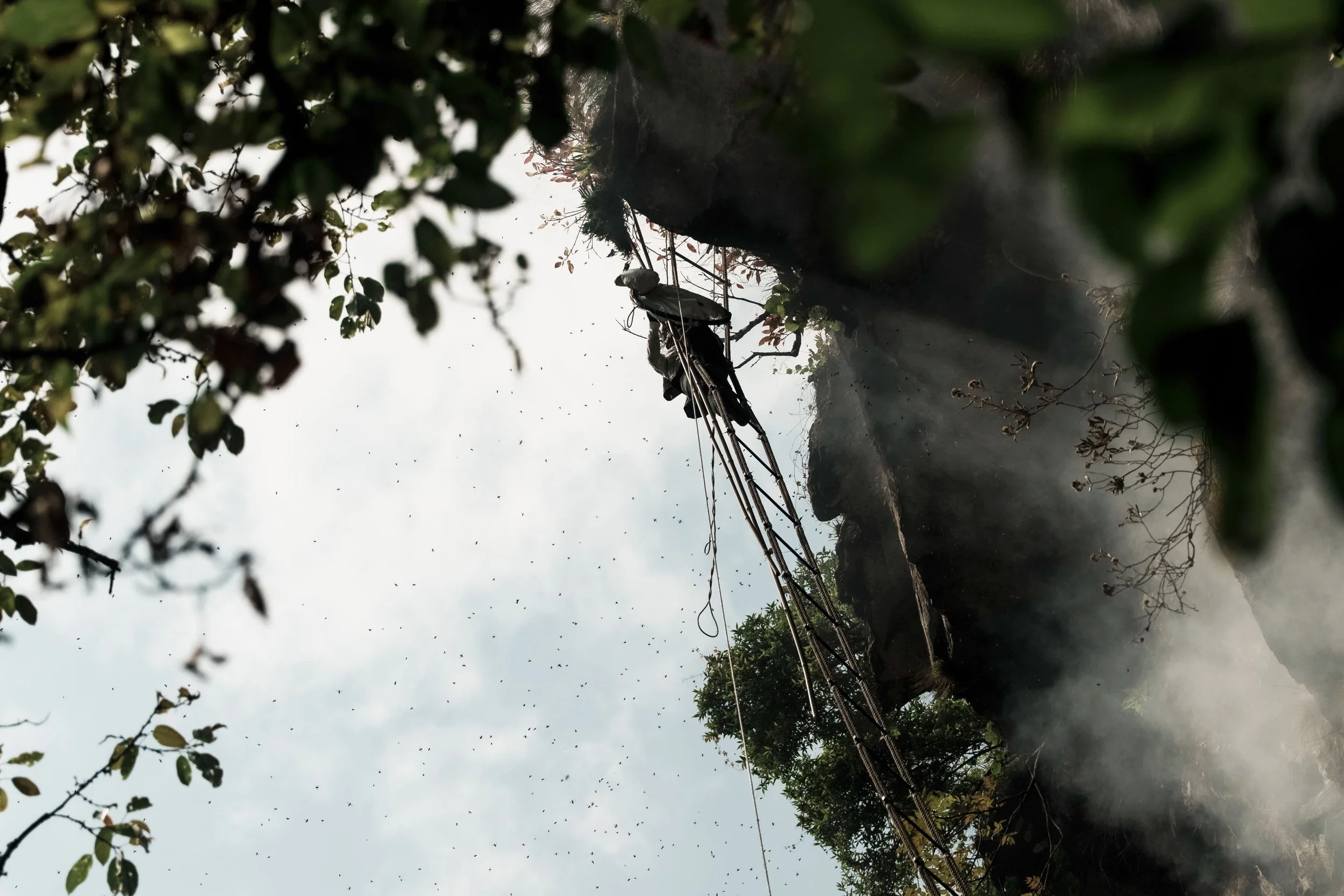
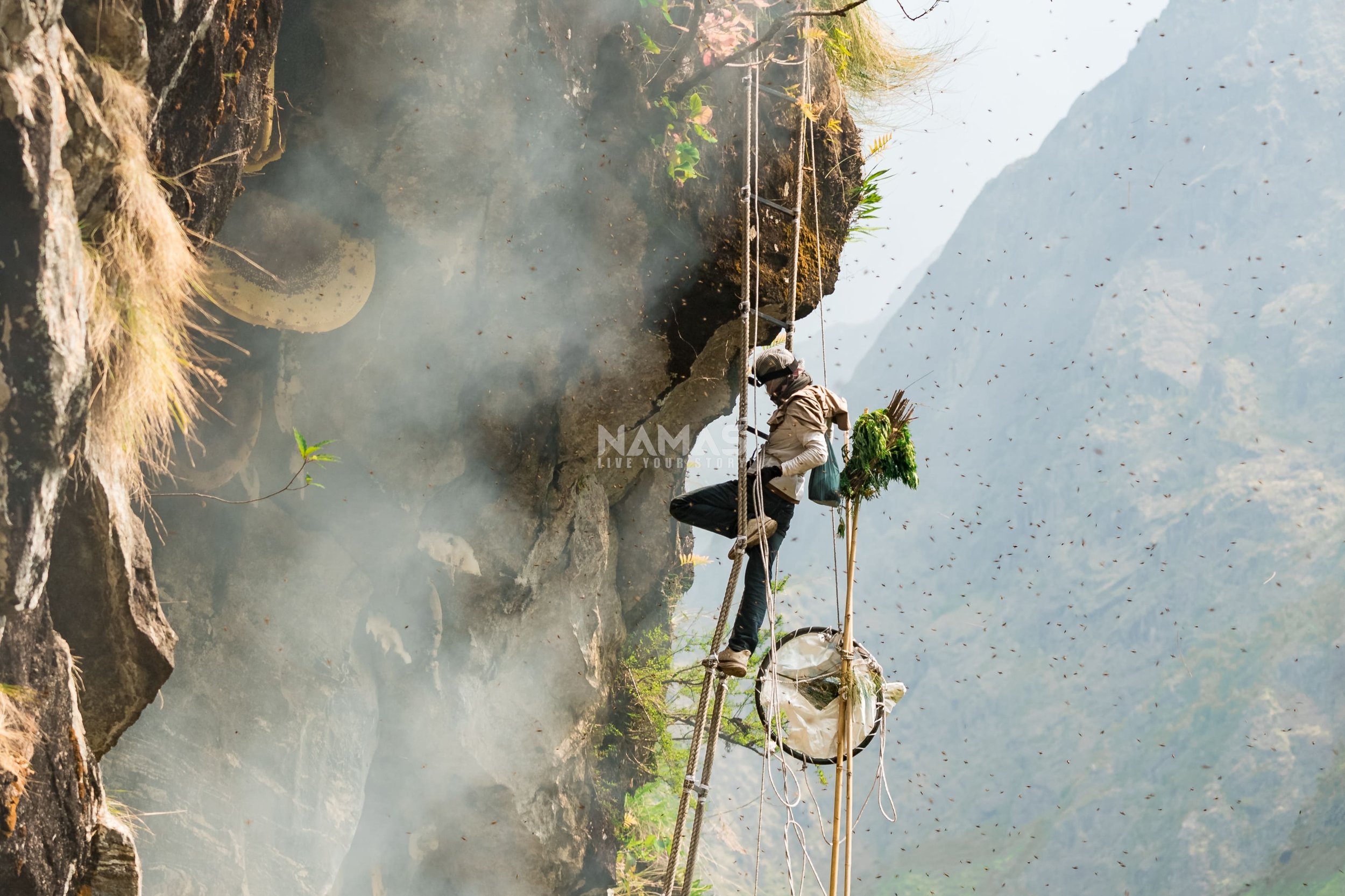
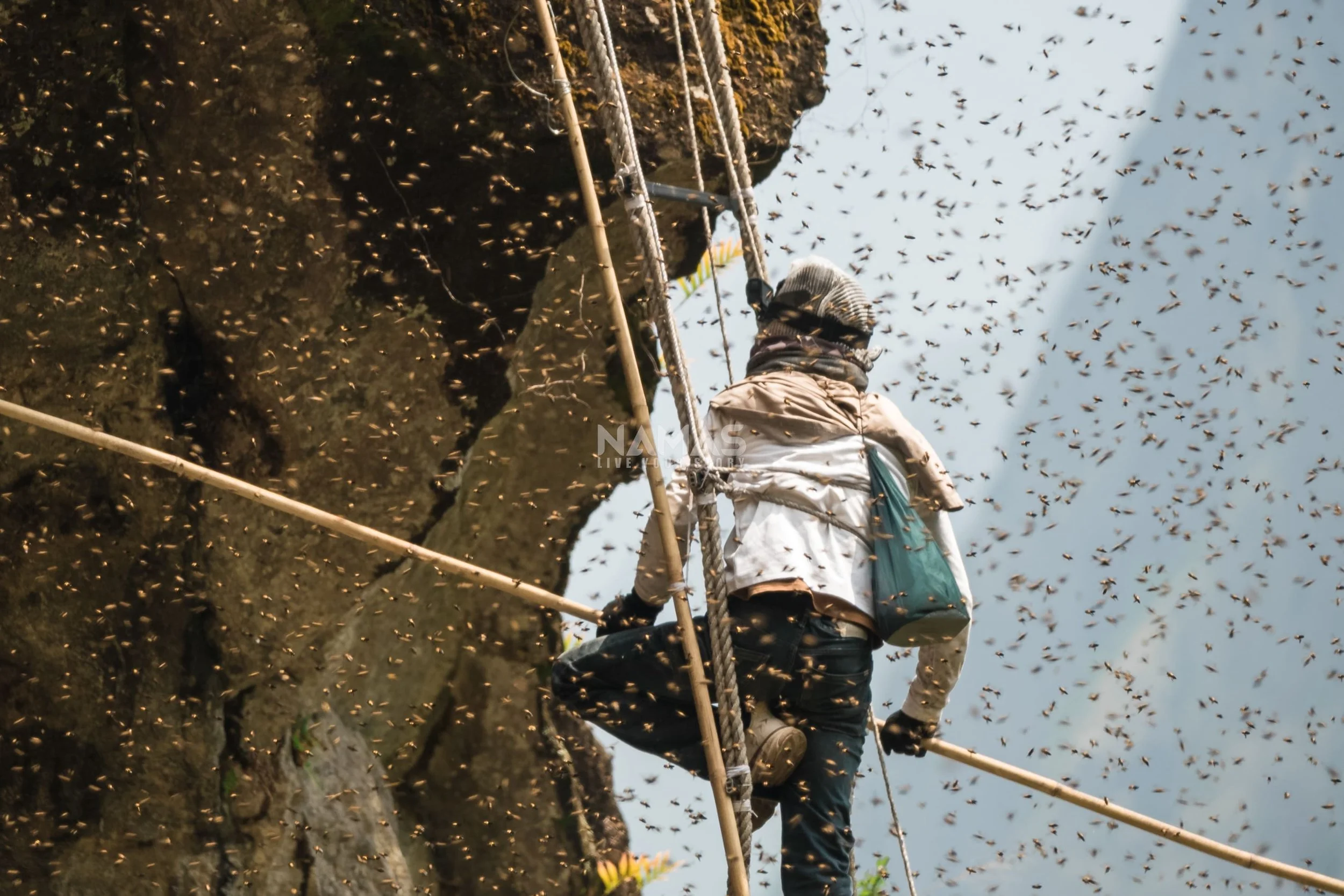
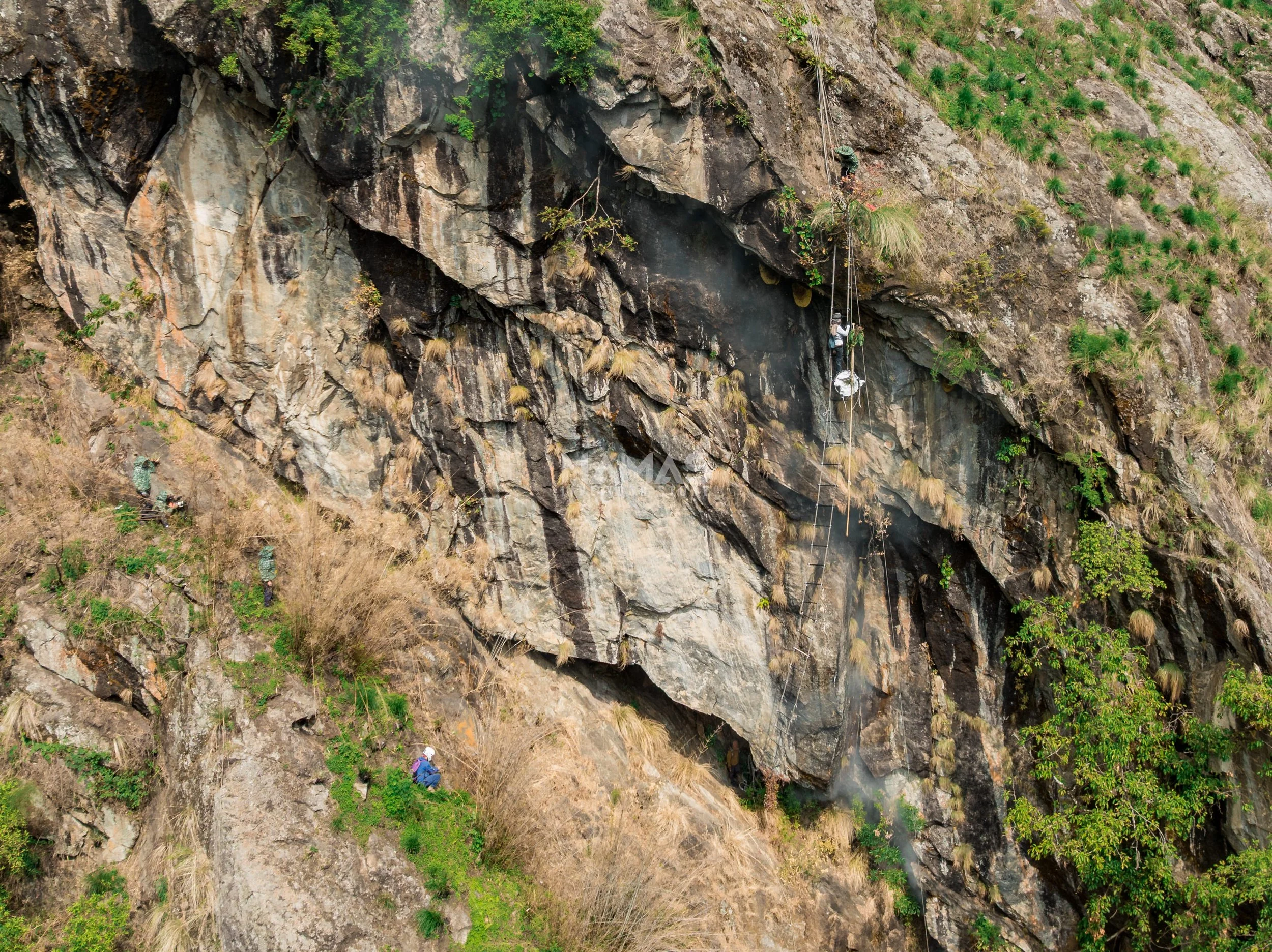
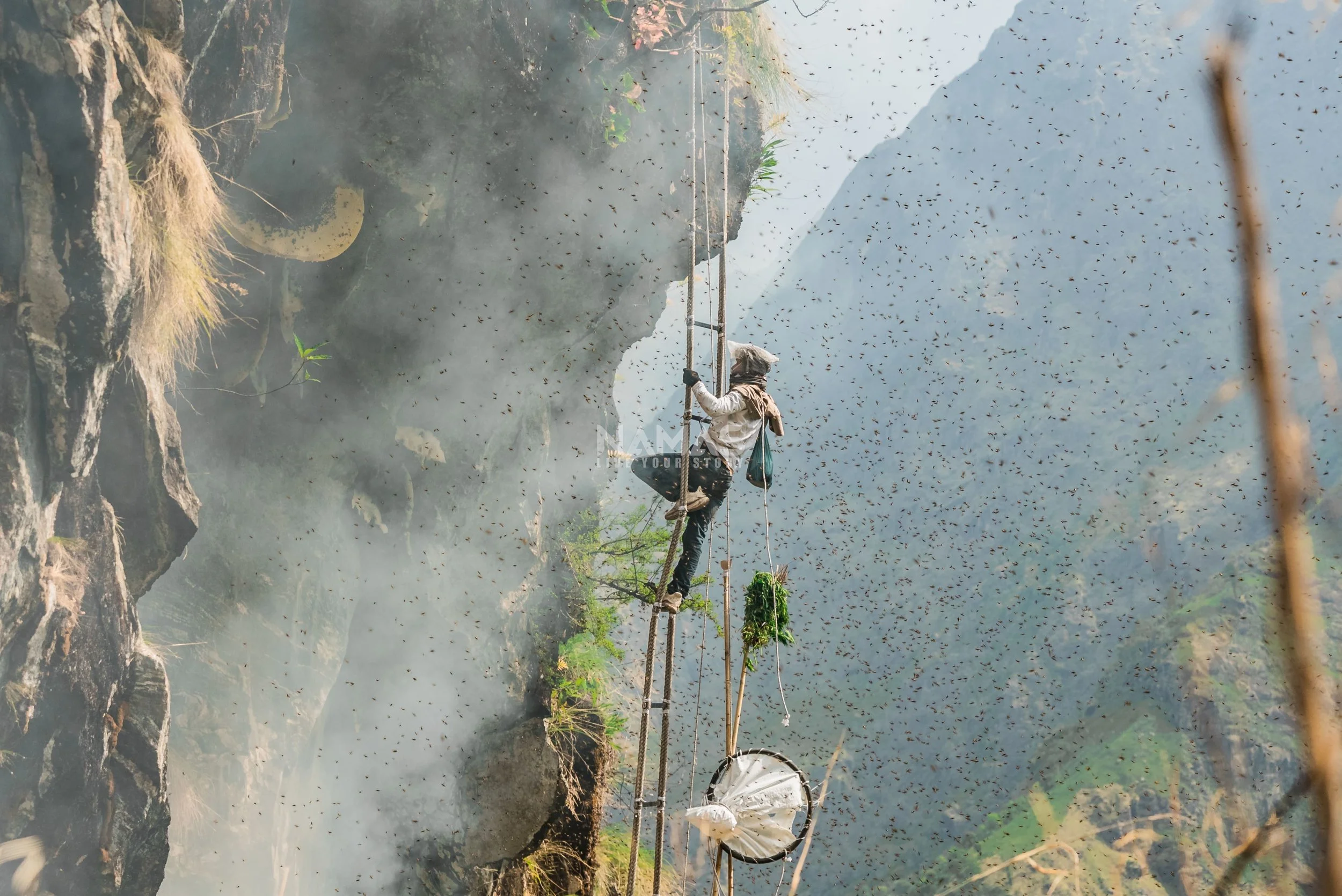
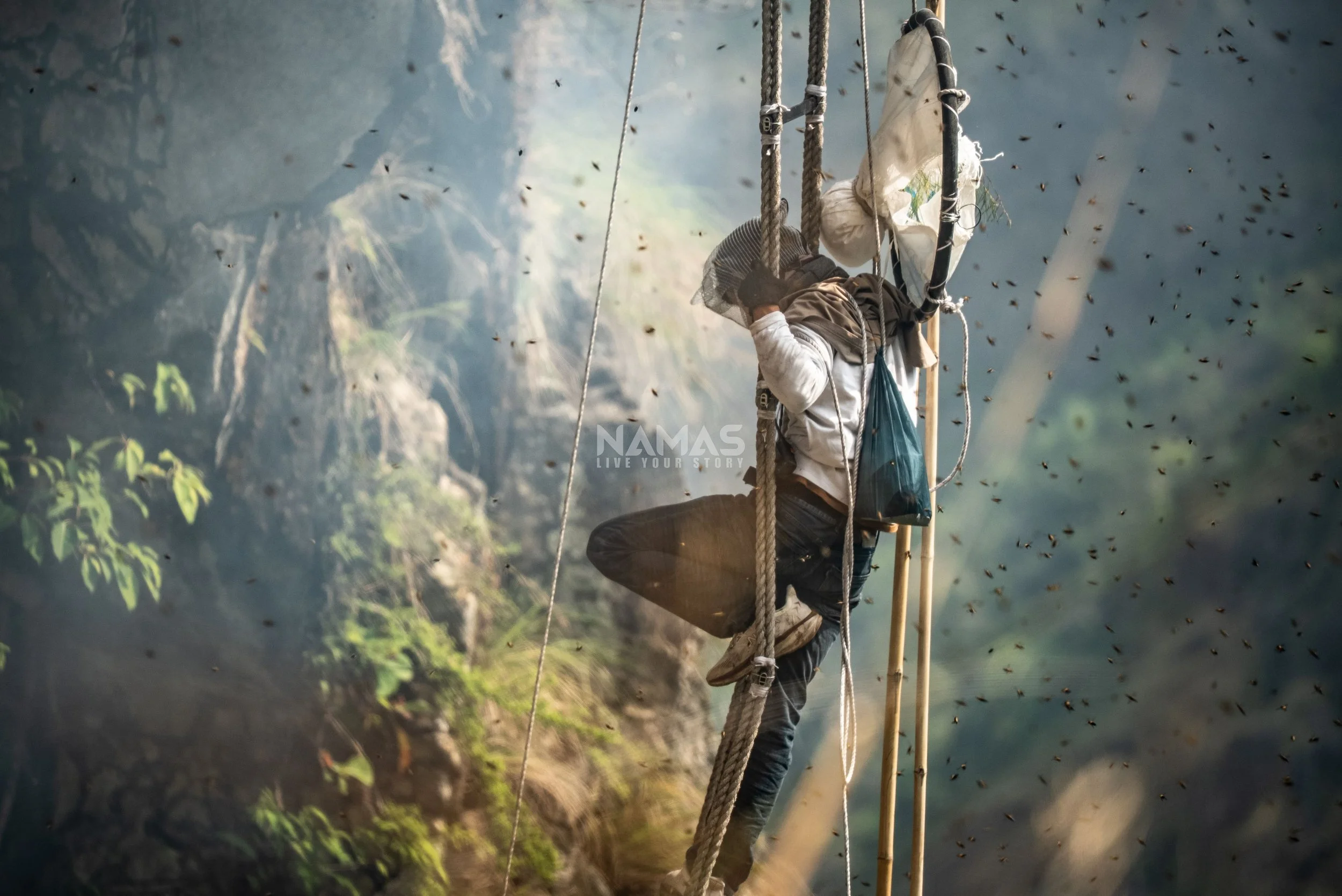
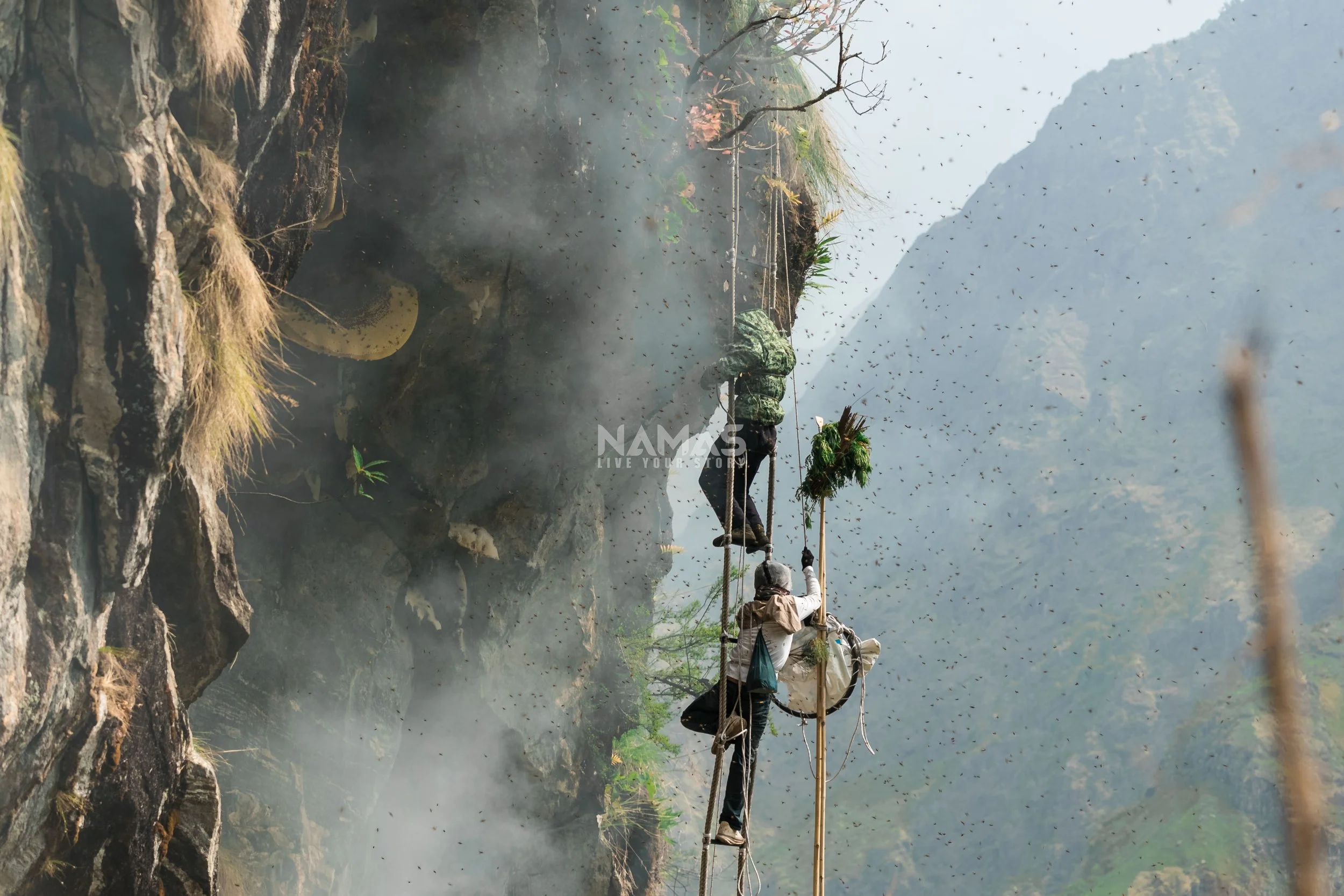
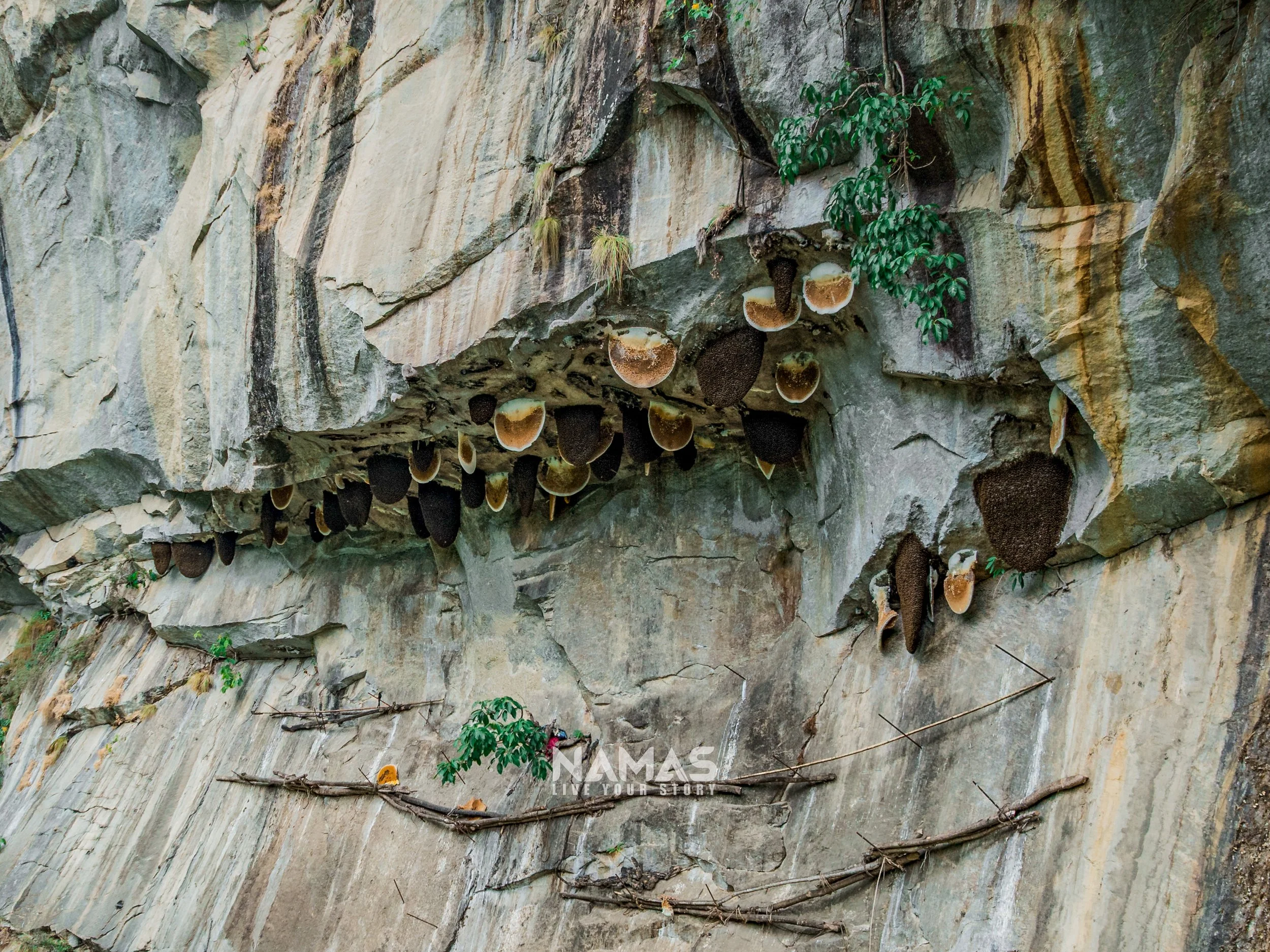
Watch experienced honey hunters descend steep cliffs using rope, ladders and traditional harvesting methods.
Experience the honey hunt from a comfortable viewing distance or closer, depending on your comfort level.
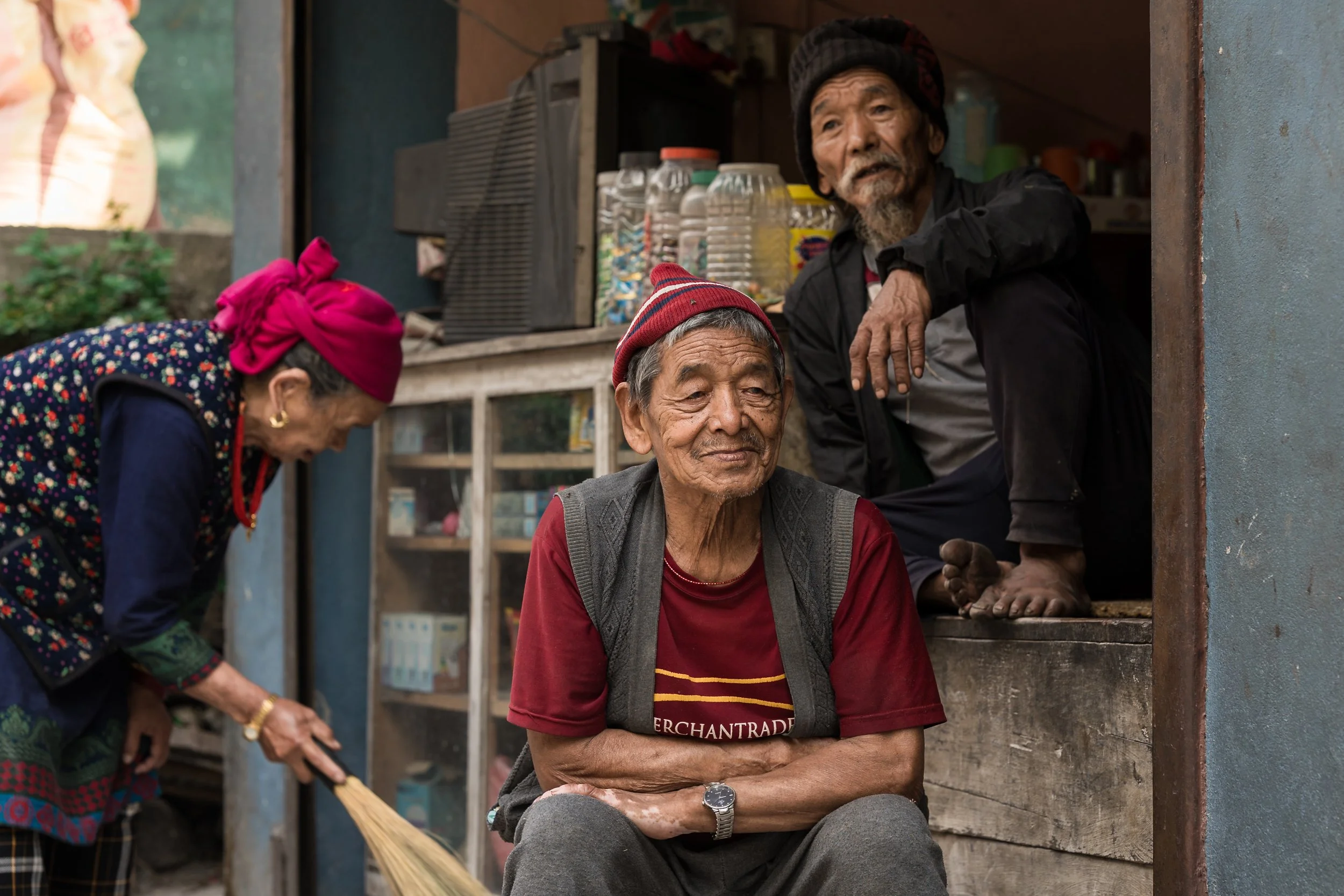
Meet and interact with local Gurung and Tamang communities of the Lamjung region.
Learn about the preparation process before the honey harvesting begins.
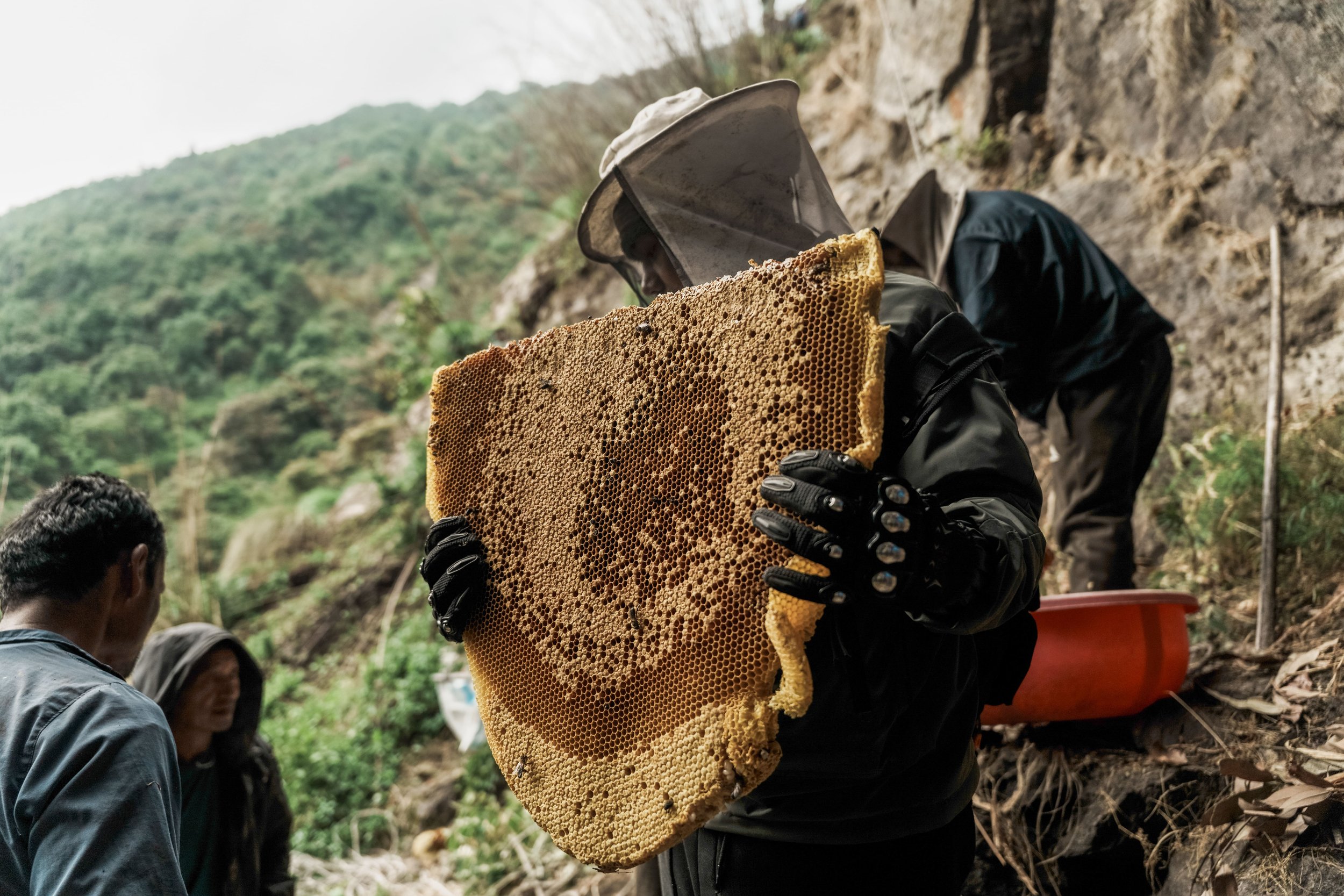
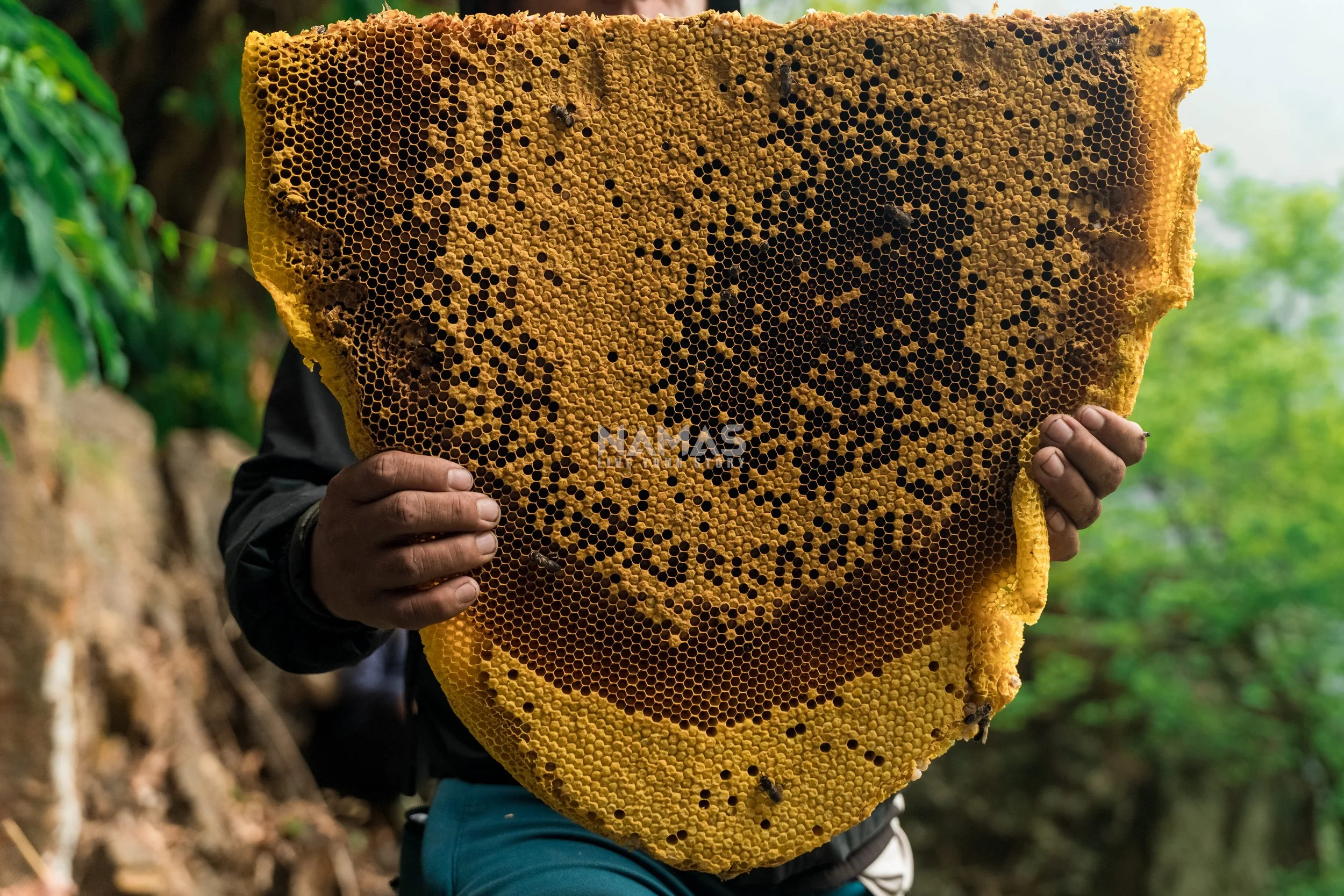
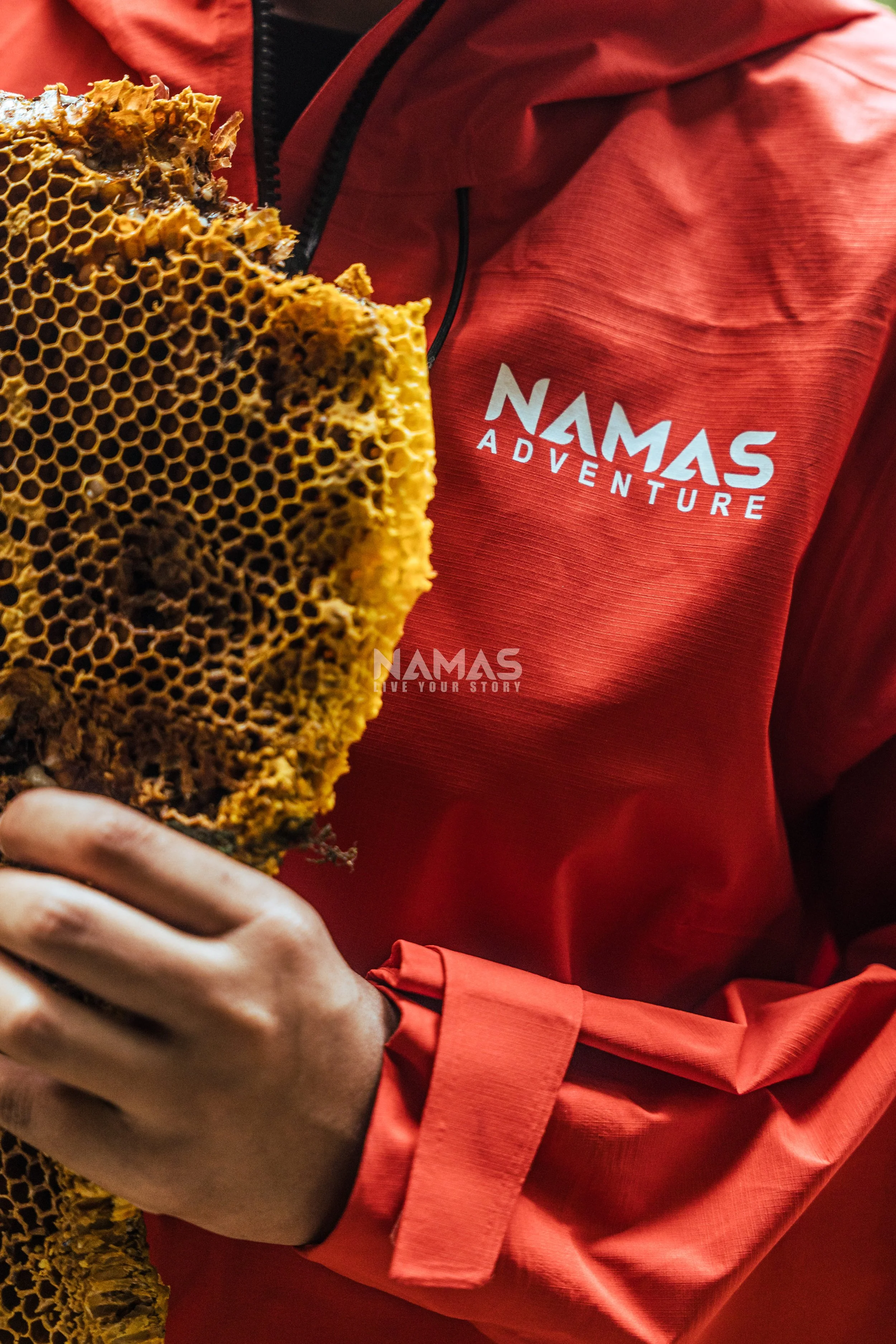
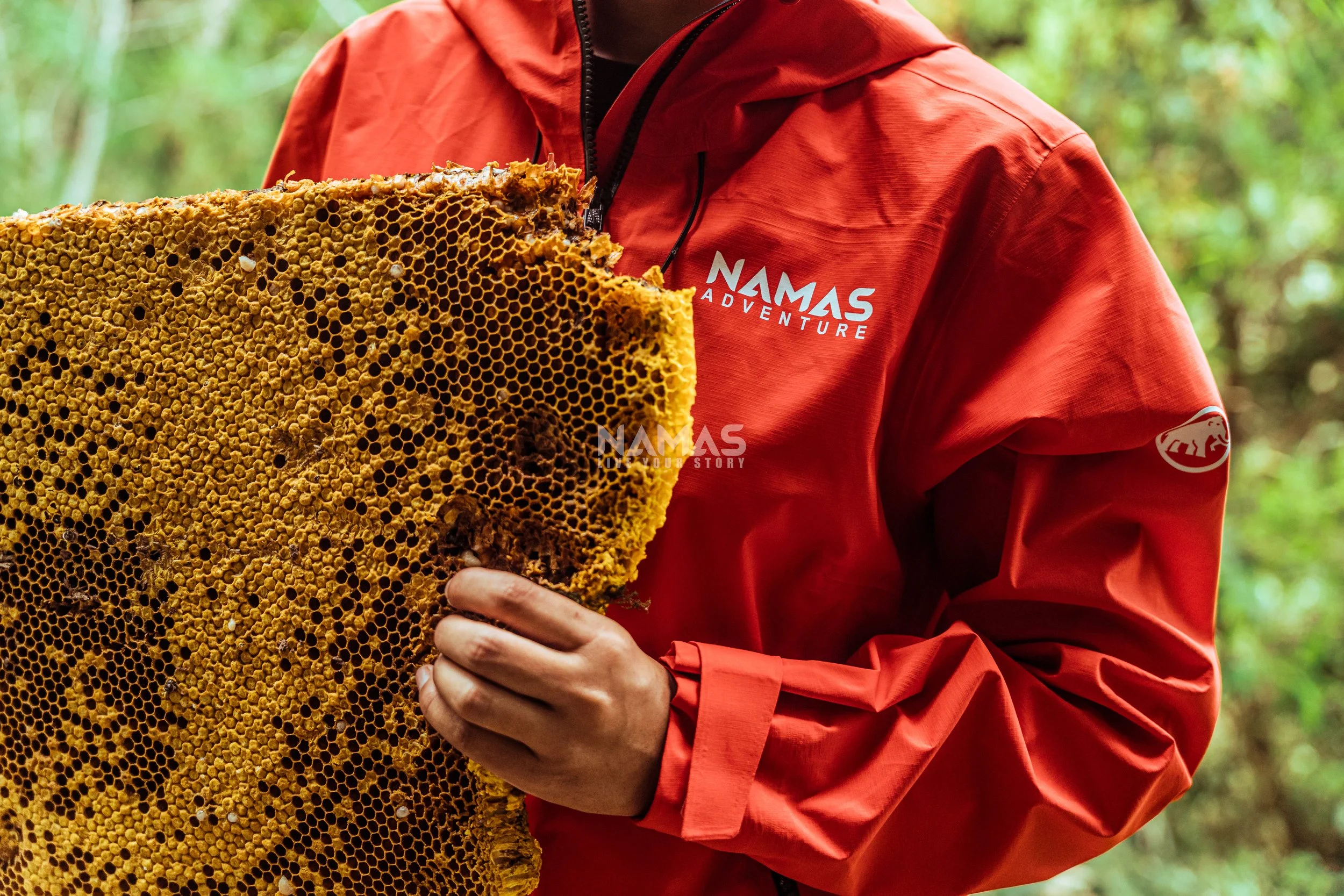
Taste fresh wild Himalayan mad honey directly from the hive.
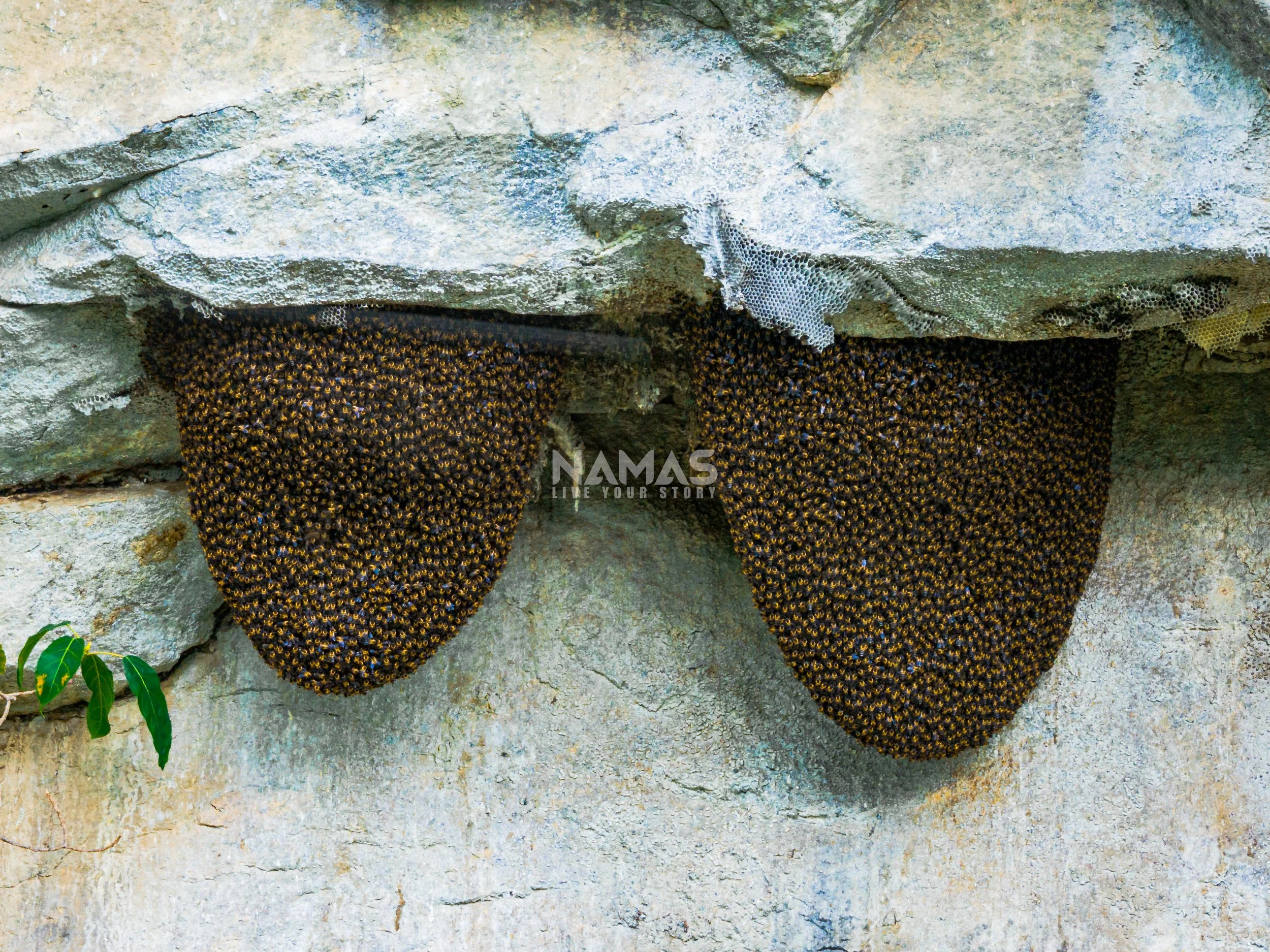
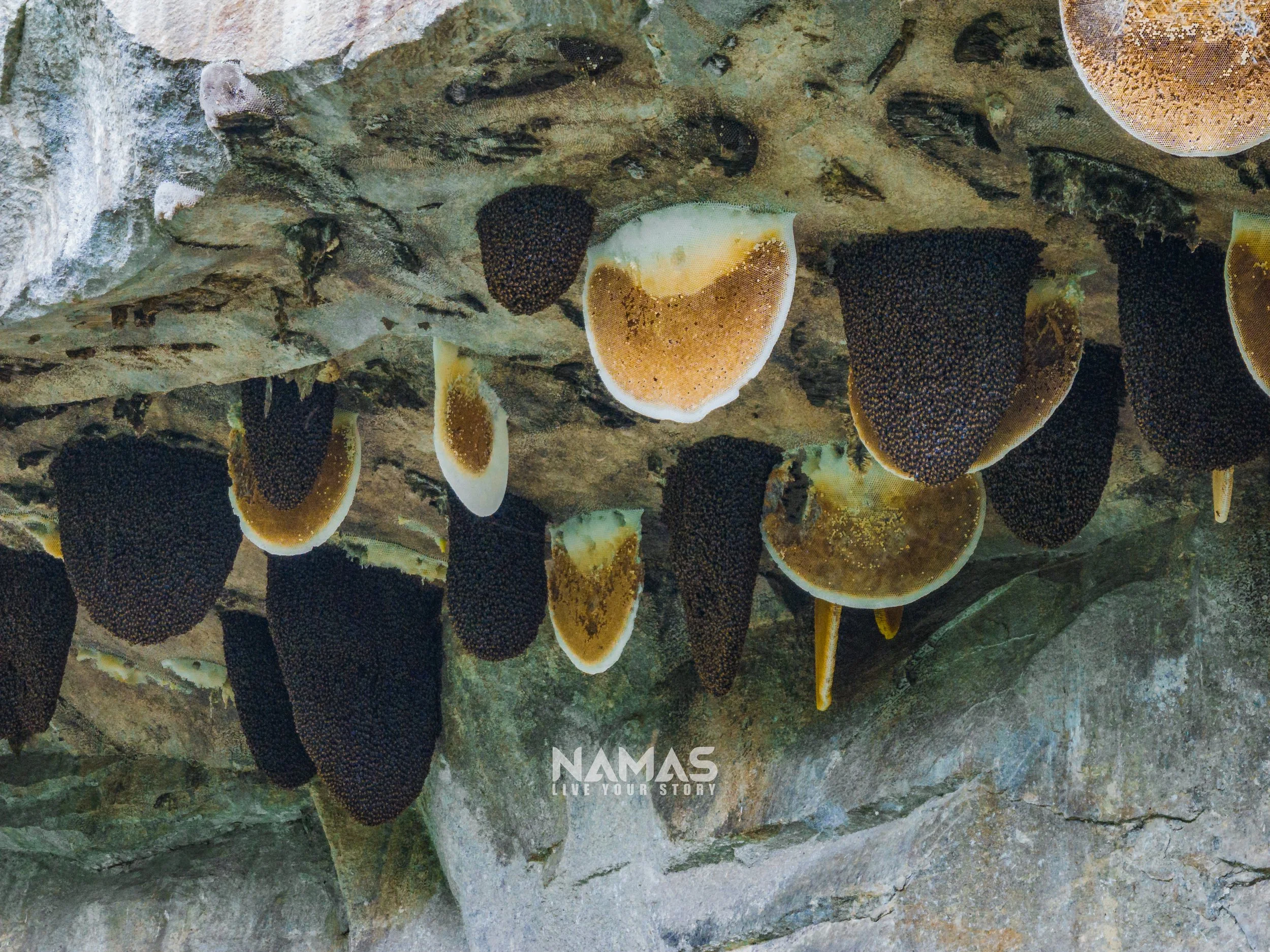
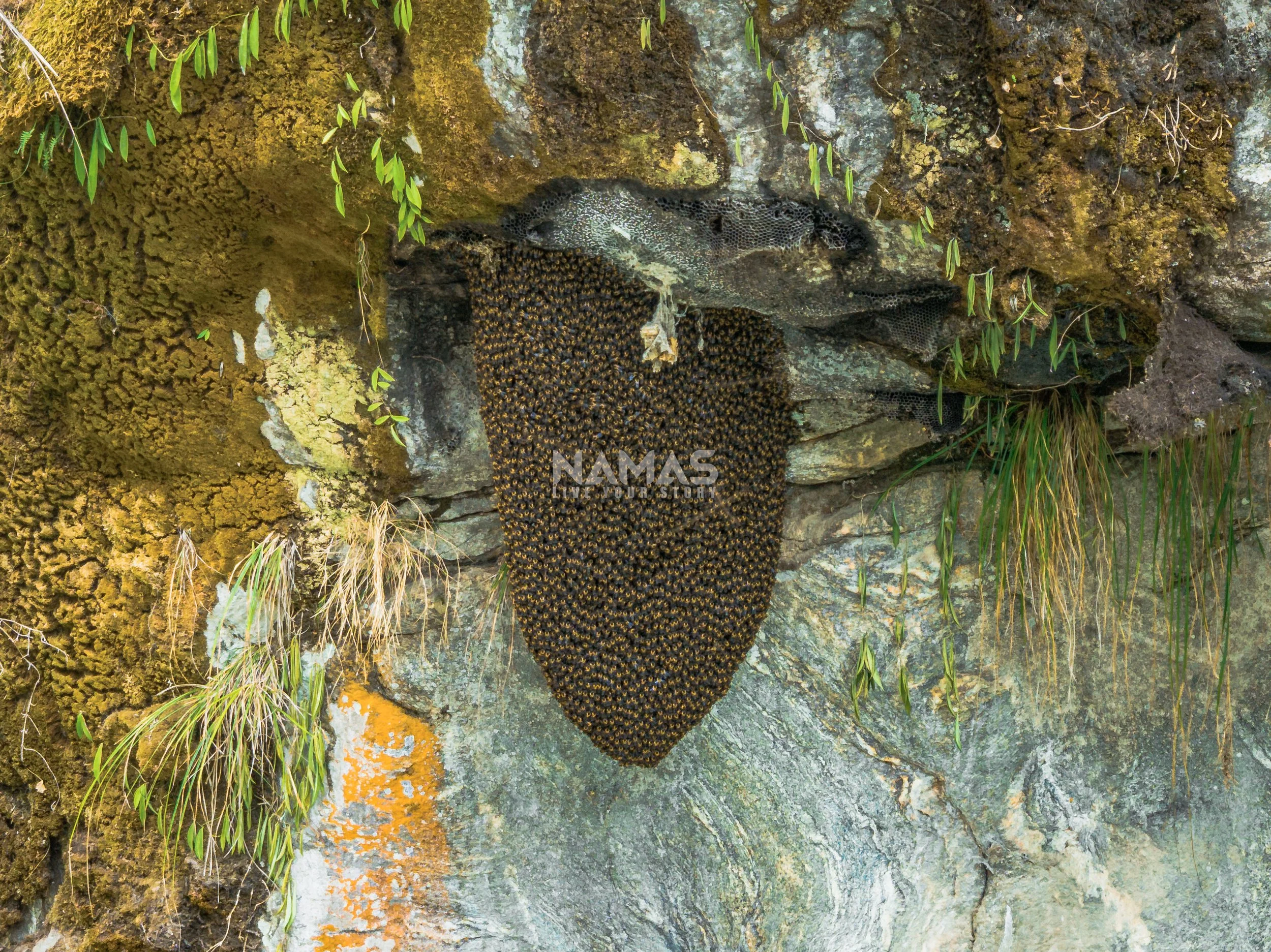
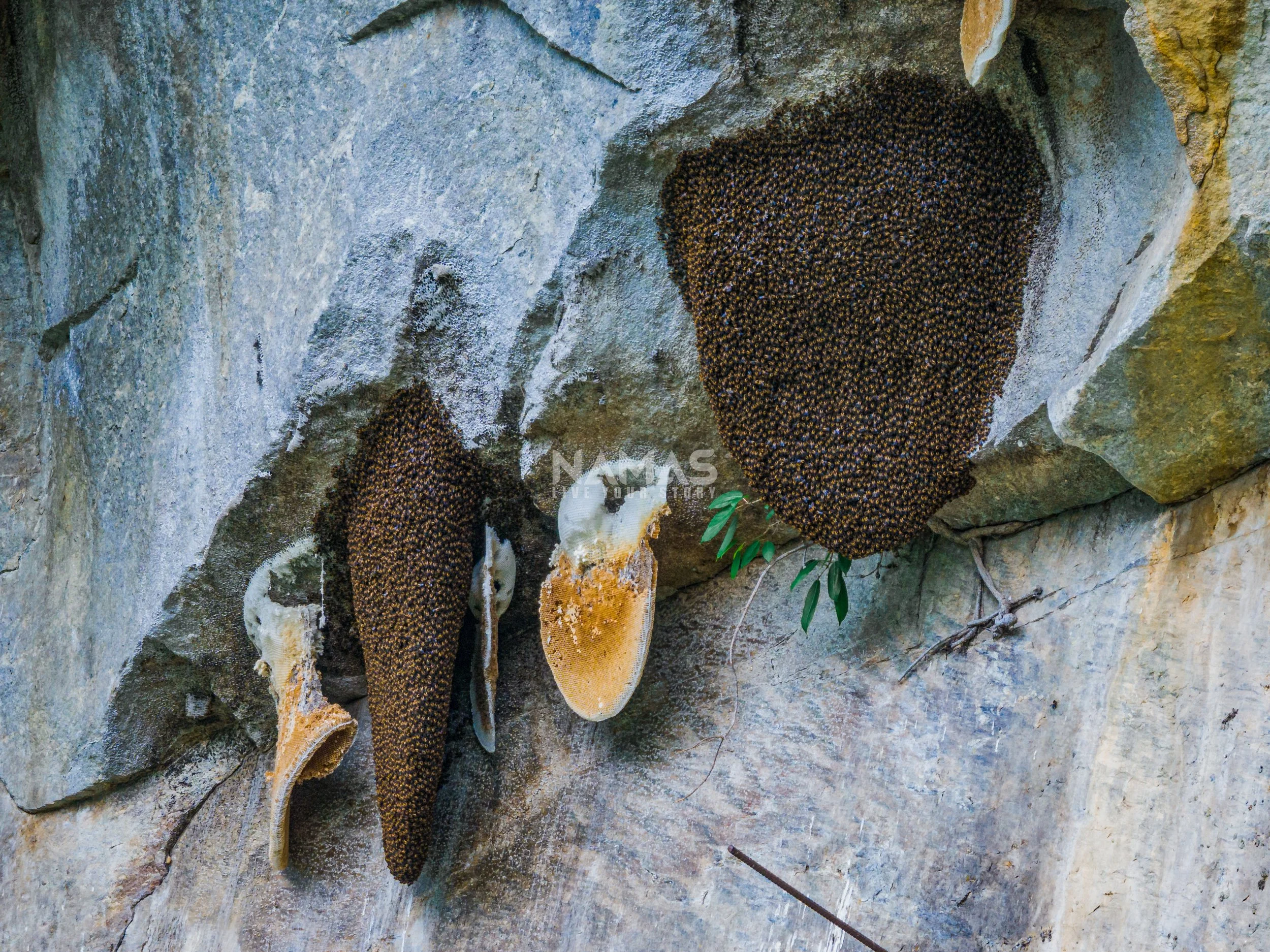
Discover the unique Himalayan giant honey bee (Apis laboriosa) and the biodiversity of the region.
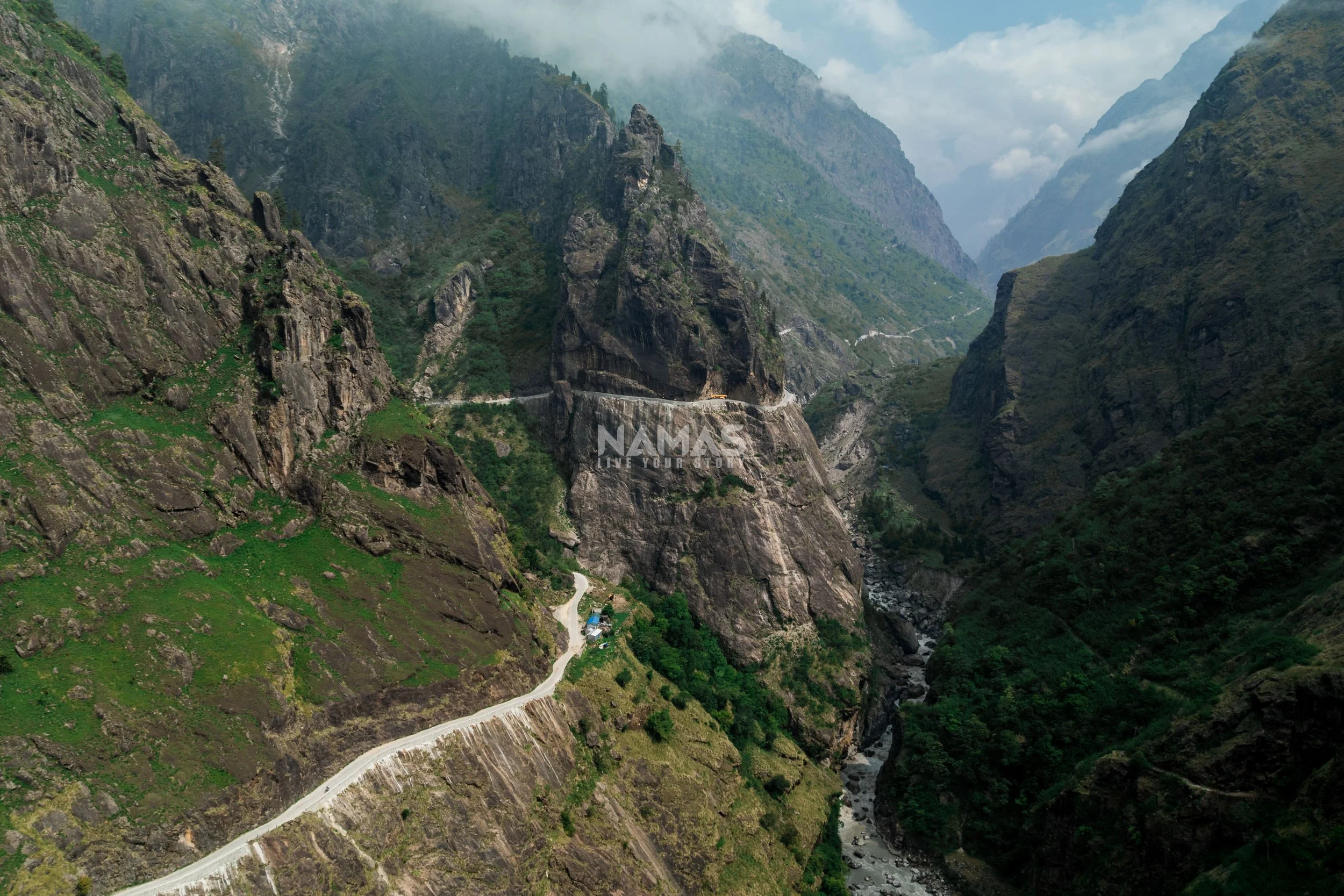
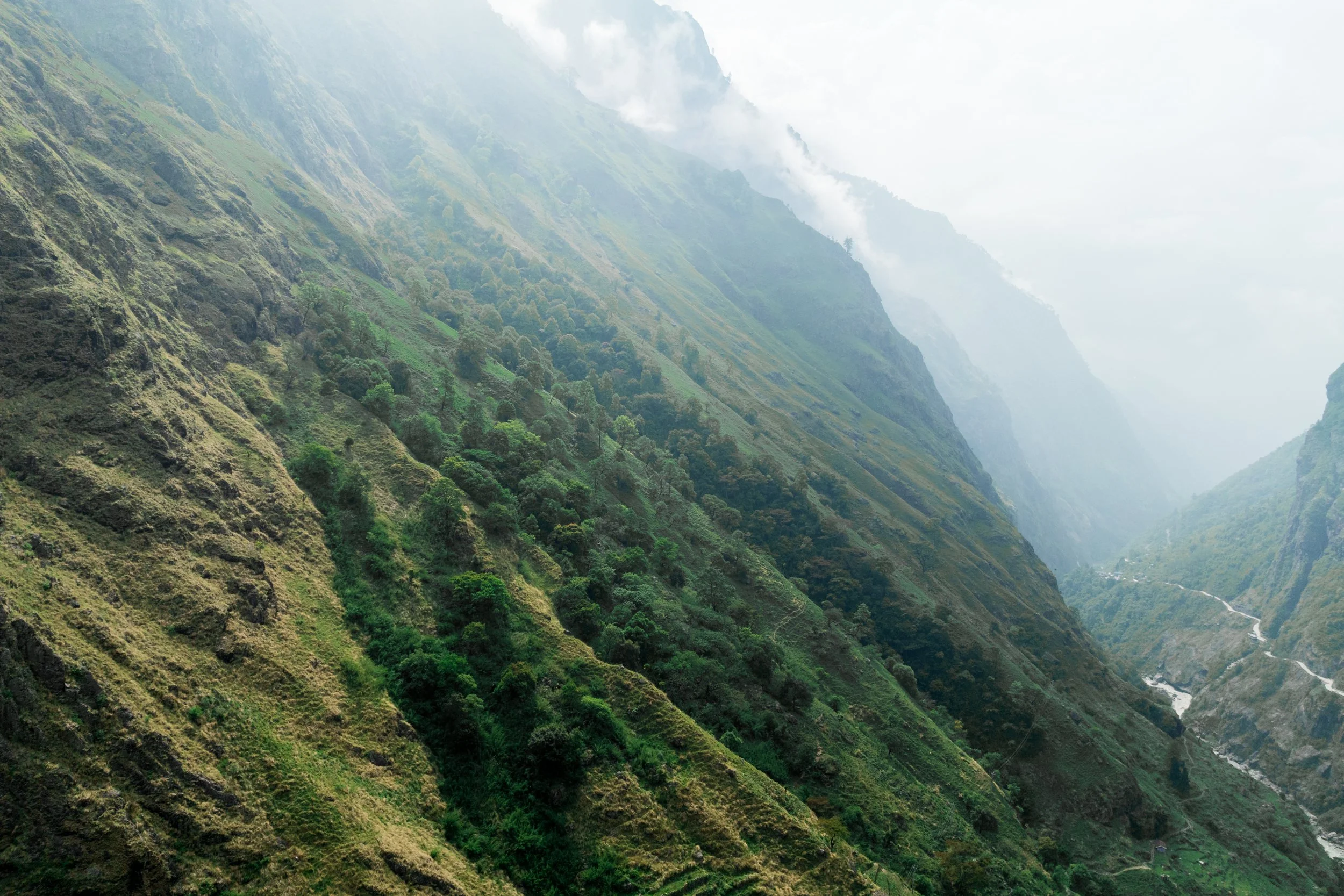
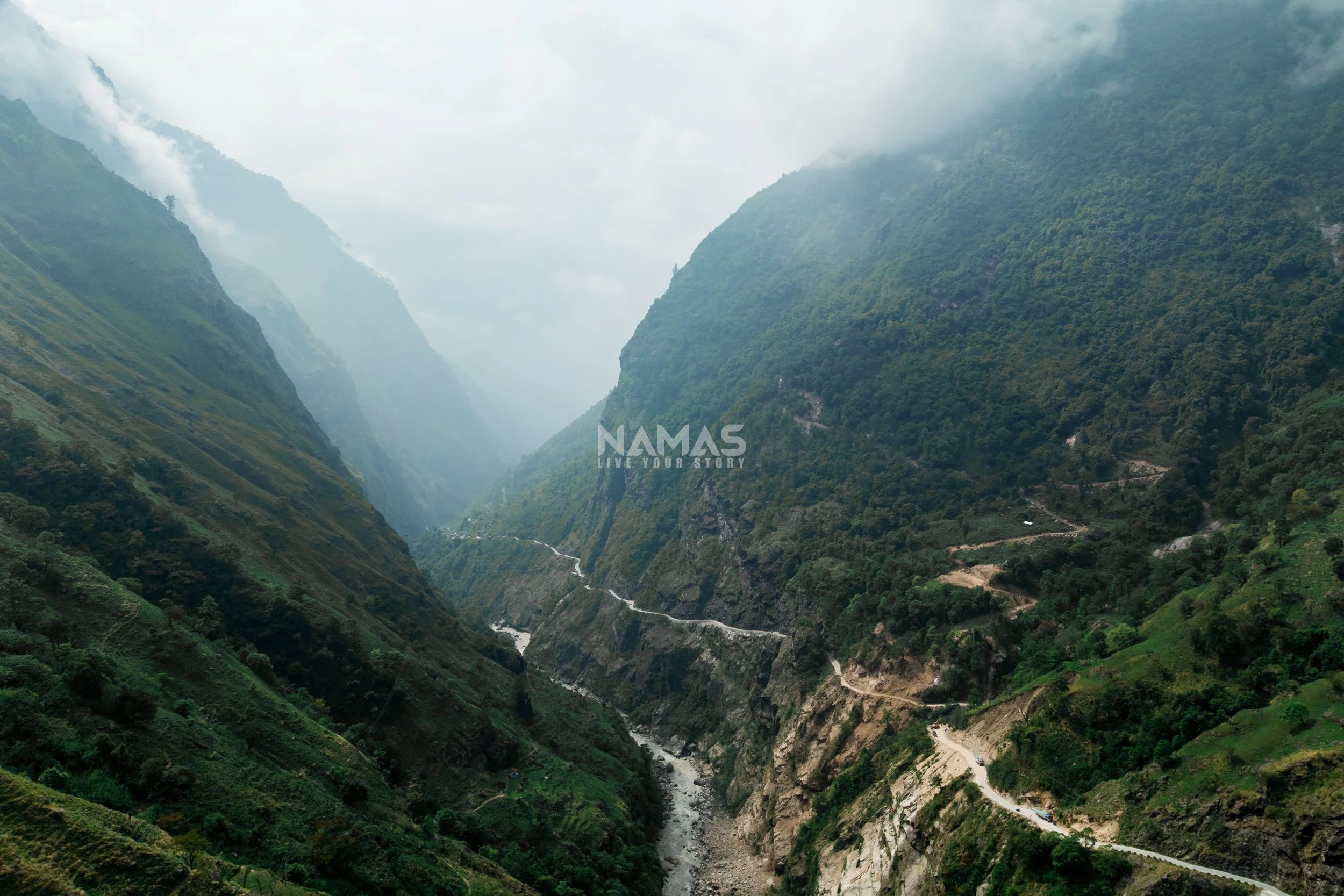
Enjoy beautiful landscapes filled with forests, huge waterfalls, terraced fields and mountain villages.
Option to extend the trip with the Annapurna Circuit Trek or Manang Valley Trek.
Overview
Nepal is not just about trekking and mountaineering. Beyond its famous Himalayan peaks lies a rich world of ancient traditions and cultural experiences that are still less explored by many travelers. One of these unique experiences is Mad Honey Hunting.
Mad Honey Hunting is one of Nepal’s oldest and most unique mountain traditions. Practiced mainly by Gurung, Tamang, and Rai communities in regions such as Lamjung, Gorkha, Dhading, Kaski and Rasuwa, the tradition has been passed down through generations for centuries.
The hunt takes place on steep cliffs between 1,500 and 3,000 meters, where experienced honey hunters climb using handmade bamboo ladders and ropes to harvest wild honeycombs from the nests of Himalayan giant honey bees (Apis laboriosa), the world’s largest honey bee species.
What makes this honey special is the source of the nectar. During spring, bees feed on rhododendron flowers that naturally contain grayanotoxins, giving the honey its well-known intoxicating effect when consumed in larger quantities. This is why it is commonly known as “Mad Honey.”
Locally, mad honey has traditionally been used in small amounts for its believed health benefits, including:
Relief from body pain
Improved digestion
Relaxation and better sleep
Increased immunity
This experience is not only about witnessing the honey harvest itself. It also offers insight into traditional Himalayan lifestyles, local culture and the deep connection between communities and nature.
For travelers looking to explore more of the Annapurna region, the trip can also be combined with the Annapurna Circuit Trek or a Manang Valley Trek extension.
-
Mad Honey Hunting is not something designed from online research. It comes from real experience in the field, spent directly with the communities who keep this tradition alive.
Before building this program, our adventure planner spent months coordinating and discussing with the locals of the honey hunting village, followed by four days spent in a remote village in Lamjung. What started as curiosity soon turned into a deep and unforgettable experience.
During the stay, time was spent closely with the local honey hunters throughout their preparation phase- watching how the ladders are prepared, tested, and carried to the cliff sites, and how the routes are opened up specifically for the honey hunting season. These are paths that are only used during this short and important time of the year.
Evenings were spent with the hunters, sharing conversations, safety measures and learning how the community prepares mentally and practically for the harvest. On the day of the hunt, the entire process was witnessed from a close and respectful distance, following each step as the hunters carried out this ancient practice.
What stood out most was the sense of togetherness in the village. Almost every man from each household was involved, working as one team. It reflected a strong community bond and deep respect for the tradition.
This experience became the foundation of the program. It is created not just as an adventure activity, but as a responsible and meaningful journey that supports local communities and helps keep this unique Himalayan tradition alive in a respectful way.
-
Autumn 2026
5th - 11th October
Spring 2027
25th - 31st May
1st - 7th June
Autumn 2027
5th- 11th October
Dates not matching your schedule? Book a tailored private climb.
-
USD 2,500 per person
Deposit required: $150 p/p
Please inquire about prices in your local currency. We accept payment in £GBP/ €EUROS/ $AUD
Absolutely Zero Hidden fees.
-
Annapurna Circuit Trek: + 10 Days (Total 17 Days)
Investment: USD 1550
Manang Valley Trek: + 5 Days (Total 12 Days)
Investment: USD 1150
-
Experienced and licensed Mountain/ Trekking throughout the journey
NAMAS branded merchandise (Down Jacket, Cap, and Buff)
Safety Gears (Bee Suit and Gloves)
Binoculars
Airport arrival pick-up and final departure transfer
5-star hotel accommodation in Kathmandu (1 night on arrival and 1 night before departure in a single executive room)
Boutique resort in Besisahar
Lodge accommodation in the honey hunting village
All private ground transportation throughout the trip
Local entry fees
All monument and heritage entrance fees as per itinerary
Three meals per day throughout the journey
Daily tea/coffee during breakfast
Farewell dinner before departure
Up to 25kg personal luggage allowance
Basic first aid kit
Emergency support coordination if needed
-
Experienced and licensed Mountain/ Trekking Guide throughout the journey
NAMAS branded merchandise (Down Jacket, Cap, and Buff)
Safety Gears (Bee Suit and Gloves)
Binoculars
Airport arrival pick-up and final departure transfer
5-star hotel accommodation in Kathmandu (1 night on arrival and 1 night before departure in a single executive room)
Boutique resort in Besisahar
Lodge accommodation in the honey hunting village and trekking days
Stay in a luxury-style trekking lodge in Manang Village (Mountain Lodges of Nepal).
All private ground transportation throughout the trip
All domestic flights (Jomsom to Pokhara and Pokhara to Kathmandu)
ACAP Permit Fee
Local entry fees
All monument and heritage entrance fees as per itinerary
Three meals per day throughout the journey
Daily tea/coffee during breakfast
Farewell dinner before departure
Up to 25kg personal luggage allowance
Basic first aid kit
Emergency support coordination if needed
-
Experienced and licensed Mountain/ Trekking Guide throughout the journey
NAMAS branded merchandise (Down Jacket, Cap, and Buff)
Safety Gears (Bee Suit and Gloves)
Binoculars
Airport arrival pick-up and final departure transfer
5-star hotel accommodation in Kathmandu (1 night on arrival and 1 night before departure in a single executive room)
Boutique resort in Besisahar
Lodge accommodation in the honey hunting village and trekking days
Stay in a luxury-style trekking lodge in Manang Village (Mountain Lodges of Nepal).
All private ground transportation throughout the trip
ACAP Permit Fee
Local entry fees
All monument and heritage entrance fees as per itinerary
Three meals per day throughout the journey
Daily tea/coffee during breakfast
Farewell dinner before departure
Up to 25kg personal luggage allowance
Basic first aid kit
Emergency support coordination if needed
-
Visas and travel insurance
Guide Tips: USD 100 P/P
Entertainment and food (Kathmandu)
Bottled drinks and beverages
Extra Breakfast, Lunch and Dinner
Evacuation (will be done in your account)
Tips (Service Charge in Hotel and Restaurants are included)
Single supplement Charges
Laundry, Phone services, Personal expenditure transactions
Optional trips
Tea breaks, chocolates or other snacks and any meals beside breakfast, lunch and dinner.
Delay and cancellation because of natural phenomenon
International flights to Kathmandu
-
Single Supplement Fee - USD 1500
Applies When - Applicable when there is only one client member in the booking, with no fellow group members
Itinerary: Standard Mad Honey Hunting
Day 1: Arrival in Kathmandu
Day 2: Drive to Besisahar (Private Jeep)
Day 3: Drive to Honey Hunting Village (Private Jeep) and Preparation
Day 4: Mad Honey Hunting Day
Day 5: Contingency Day
Day 6: Drive back to Kathmandu (Private Jeep)
Day 7: Departure
-
Itinerary: Add- On Extention - Manang Valley Trek
Day 1: Arrival in Kathmandu
Day 2: Drive to Besisahar (Private Jeep)
Day 3: Drive to Honey Hunting Village (Private Jeep) and Preparation
Day 4: Mad Honey Hunting Day
Day 5: Contingency Day
Day 6: Drive to Pisang (Private Jeep)
Day 7: Trek to Manang - Mountain lodge
Day 8-9: Exploration Days in Manang - Mountain lodge
Day 10: Drive back to Besisahar (Private Jeep)
Day 11: Drive to Kathmandu (Private Jeep)
Day 12: Departure
-
Itinerary: Add- On Extension - Annapurna Circuit Trek
Day 1: Arrival in Kathmandu
Day 2: Drive to Besisahar (Private Jeep)
Day 3: Drive to Honey Hunting Village (Private Jeep) and Preparation
Day 4: Mad Honey Hunting Day
Day 5: Contingency Day
Day 6: Drive to Pisang(Private Jeep)
Day 7: Trek to Manang - Moutain Lodge
Day 8: Acclimatization Day in Manang
Day 9: Trek to Shree Kharka
Day 10: Trek to Tilicho BC
Day 11: Hike to Tilicho Lake and back to Shree Kharka
Day 12: Trek to Ledar
Day 13: Trek to Thorong High Camp
Day 14: Trek to Muktinath via Thorong la and then drive to Jomsom
Day 15: Fly to Pokhara
Day 16: Fly to Kathmandu
Day 17: Departure
HOW DOES IT WORK?
1. Initial Inquiry and Planning
At NAMAS Adventure, every expedition begins with understanding your goals and aspirations. From the very first conversation with our expert team, we offer personalised recommendations suited to your interests and experience level. Once the ideal expedition is identified, a deposit secures your place. From there, our team works closely alongside you to plan every detail, from gear selection and training guidance to securing insurance, permits, and full logistics.
2. Preparing for the Journey
As your expedition date draws near, our team helps you finalise all outstanding preparations. We collect the final balance payment, typically due 60 to 90 days prior to departure, confirm all documentation is in order, and address any remaining questions. Our team remains available by email and phone to ensure every climber departs feeling fully prepared and confident for the adventure ahead.
3. On-Site Support
Arrive at your destination ready to begin. From pre-expedition briefings and gear checks to the unwavering support of our experienced guides and ground crew throughout your climb, our team ensures everything runs smoothly. With the flexibility to adapt to changing conditions and unexpected needs, we are committed to delivering a seamless, enjoyable, and unforgettable expedition experience

Frequently Asked Questions
-
This is more than just an adventure trip. It is a chance to witness a centuries-old Himalayan tradition that is still practiced today by local communities. The experience offers a rare opportunity to see how honey hunting is prepared and carried out while also connecting with local culture, traditions, and village life in the Himalayas.
-
Yes, this trip can be customized with trekking experiences in the Annapurna region. Whether you would like to combine it with the Annapurna Circuit Trek, Manang Valley Trek, or other routes in the region, we are happy to prepare a customized itinerary based on your interests and timeframe.
-
Yes, absolutely. This trip can be customized with 6000m peaks and 7000m expeditions in the Annapurna region. Let us know which peak or expedition you are interested in, and we will be happy to prepare a customized itinerary that fits well with the Mad Honey Hunting experience.
-
The standard mad honey hunting experience is relatively easy and suitable for most travelers. Trekking extensions such as the Annapurna Circuit require moderate fitness and some trekking experience is helpful.
-
The best seasons for the Mad Honey Hunting trip are from late May to June and from October to November. During late May and June, local honey hunters harvest the famous red mad honey made from rhododendron flower nectar, known for its unique intoxicating properties. This season offers a more cultural and adventurous experience as the hills are lush and green after spring bloom. October to November is another excellent time for the trip, when golden honey collected from alpine and subalpine flowers is harvested. With clear skies and stable weather, this season is also ideal for combining the experience with the Annapurna Circuit Trek or Manang Valley Trek.
-
Comfortable hiking clothes and shoes are recommended, as reaching the honey hunting area usually involves 1–2 hours of hiking depending on the location.
For the honey hunting day, we recommend avoiding fully black or bright red clothing, as locals believe these colors attract bees. Neutral or light-colored clothing is recommended instead.
For safety and a better experience, we provide:
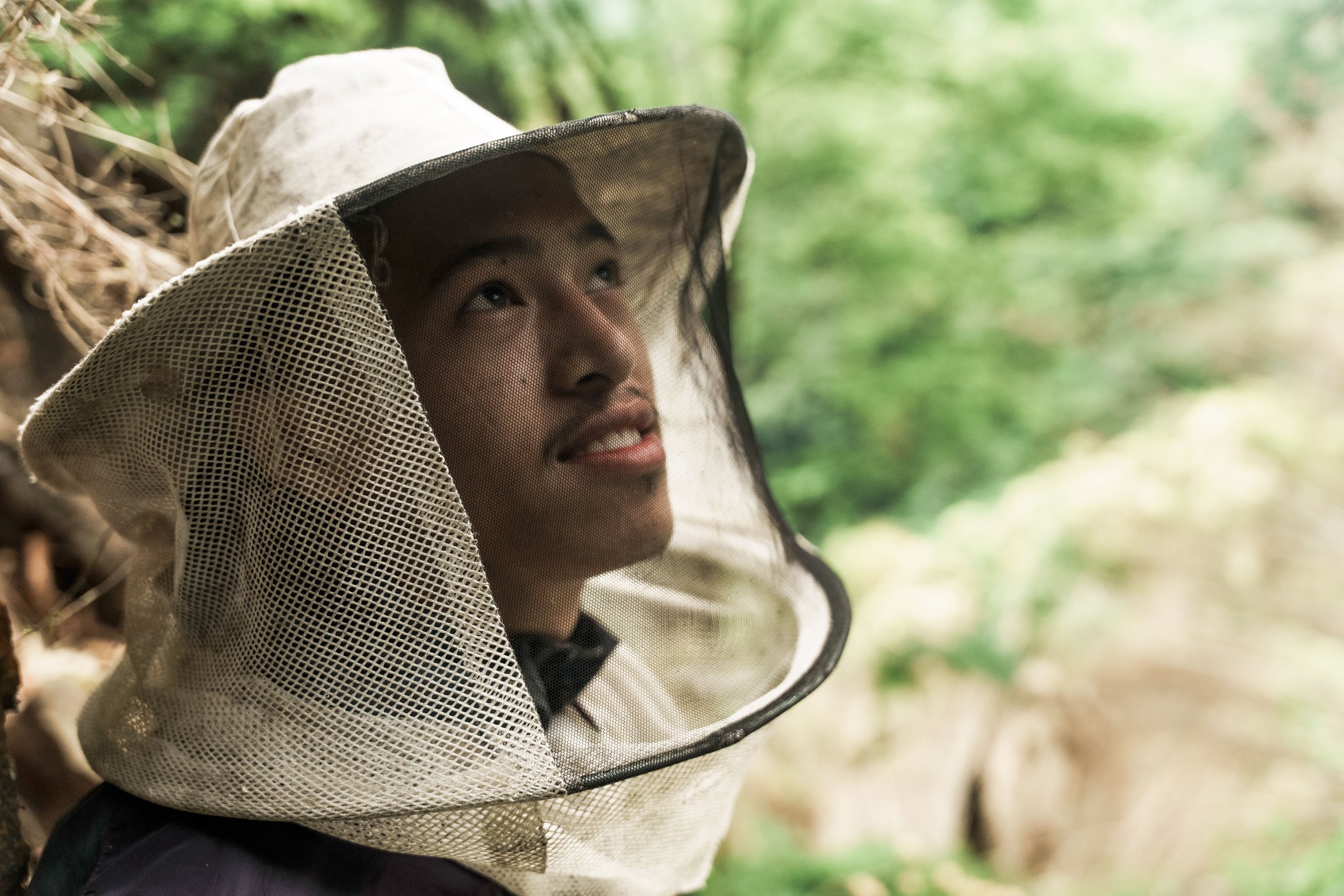
Protective honey bee suit
Binoculars for a closer view of the honey hunting process
Other recommended items include:
Waterproof jacket
Sunglasses
Hat or cap
Small day backpack
Reusable water bottle
Camera or phone for photography
-
Honey hunting itself is a high-risk activity carried out only by experienced local hunters. Visitors observe the process from safe locations under guide supervision.
-
Yes, when taken in small amounts. Traditionally, locals consume a small spoonful with warm water or herbal tea. Excessive consumption is not recommended.
-
For generations, local communities have used mad honey in small amounts as a traditional natural remedy. It is commonly believed to help with body pain, digestion, relaxation, sleep, and overall wellness.
-
Mad honey is produced naturally by wild Himalayan giant honey bees that collect nectar from rhododendron and other alpine flowers found in high-altitude Himalayan forests.