

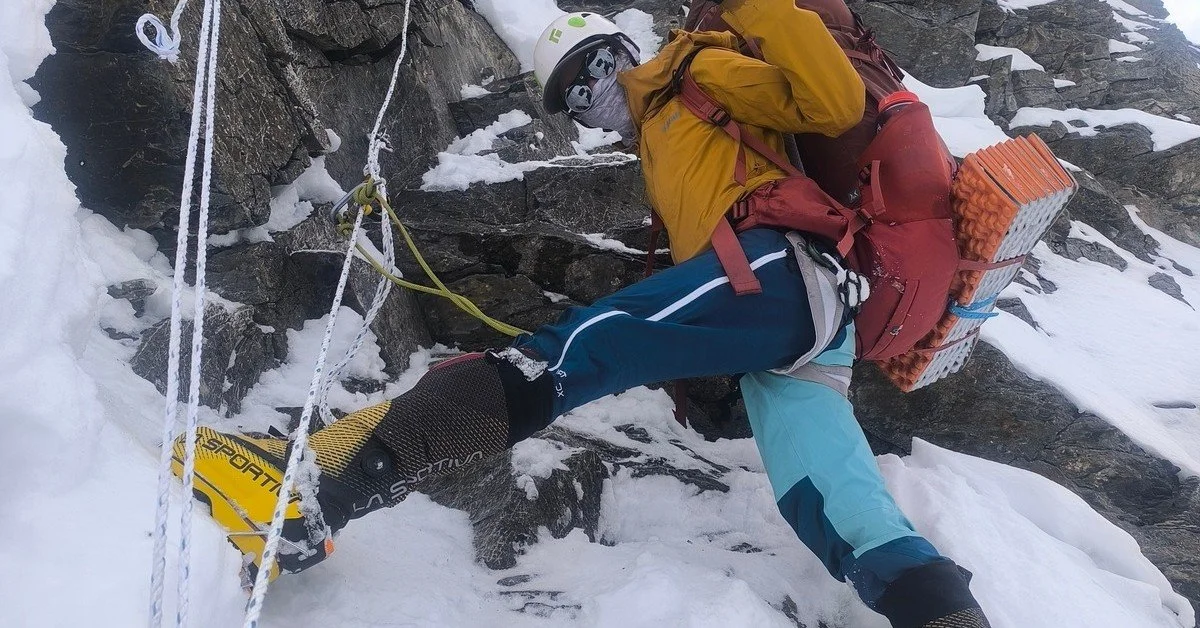
Like most mountaineering gear and equipment, climbing helmets are important and must have personal protective equipment (PPE). Climbing helmets protect your head from falling debris and ice and absorb impact in case of an unpredictable fall or swing in mountain terrain. No matter if you are climbing the 6,000 m trekking peak or a technical mountain like Ama Dablam (6,812 m), Annapurna IV (7,525 m) or the world's highest mountain, Everest (8,848.86 m), having proper and appropriate climbing helmets helps you to protect yourself from object and fall hazards. And as various climbing helmets are designed differently for use in different scenarios, choosing appropriate helmets considering their build, weight, durability, design, and protection level is important for maximum safety and comfort.
This blog explains the importance of climbing helmets during Himalayan expeditions. The types of climbing helmets, important safety features, brands, and ways to choose ideal helmets for maximum safety are also explained.
Do You Need a Helmet for Himalayan Expeditions?
During a high-altitude Himalayan expedition, a climbing helmet is important for the safety of climbers. During technical mountaineering and peak climbing expeditions, helmets help to protect your head from injuries from rock, ice, or debris falls. Also, in case of an accident, slip, or fall, a helmet protects your head by absorbing impact.
However, climbers are required to choose appropriate helmets according to their suitability for various types and natures of mountain terrain. Helmets may also not be necessary for every section, but they have importance in sections with a high risk of object and fall hazards. Climbers must know that helmets increase safety but don't guarantee protection against all climbing hazards and impacts.
What to Look for in a Climbing Helmet
As climbing or mountaineering helmets come in various built types, qualities, sizes, and brands, climbers must choose one prioritising safety, weight and comfort, fitting, and construction. One must ensure the suitability of helmets according to the climbing zone, possible hazards, and comfort.
| Feature | What to Consider |
|---|---|
| Safety Certification | Verify whether your helmet is certified for mountaineering or climbing. Choose helmets with certifications like CE (EN 12492) or UIAA (106). |
| Weight | Choose ultralight-weight helmets for long days of multi-pitch traditional climbing, alpine mountaineering, or redpoint sport burns. |
| Fit and Adjustment | Look for a secure fit with adjustable straps and a retention system. |
| Ventilation | Choose a well-ventilated helmet. For ice climbing, models with minimal top or sliding vents are best for preventing ice, water, or debris from entering. |
| Headlamp Compatibility | Choose a helmet that supports headlamps with clips or attachment systems. |
| Durability | Look for durable materials designed to withstand impacts during mountaineering. |
| Equipment Compatibility | Ensure a comfortable fit with a thin balaclava, goggles, and an expedition hood. |
Types of Climbing Helmets
Based on structural and build materials, climbing helmets are classified into various types, which include foam shell (EPS or EPP), hybrid, and traditional hard shell.
Foam Shell (EPS or EPP)
Foam shell helmets used expanded polystyrene (EPS) or expanded polypropylene (EPP) to absorb impacts. These helmets are suitable for long-duration alpine and technical climbs due to their light weight. Foam shell helmets with EPS foam can deform or crack after impact, while EPP foam is resilient to certain impacts. Before reuse, it is important to inspect the helmet properly.
Hybrid (Foam + Hard Shell)
Hybrid helmets are made by combining impact-absorbing foam with an ABS or polycarbonate outer shell. These helmets are designed for balancing durability and weight. Hybrid climbing helmets are ideal for use in expeditions where climbers do require dealing with technical climbs, icy seracs, and rocky sections.
Traditional Hard Shell (Suspension Cradle)
Traditional hard-shell helmets have a durable outer shell made with an internal suspension system for higher impact resistance. They are budget-friendly climbing helmets providing durability and longevity. But traditional hard-shell helmets are heavier than lightweight and hybrid helmets, making them uncomfortable for long days and technical climbing sections. However, traditional hard-shell helmets provide great protection from falling debris, rock, and hard ice during mountaineering.
Best Mountaineering Helmets for Himalayan Expeditions
You can choose mountaineering or climbing helmets from various mountaineering gear and equipment brands during mountaineering expeditions. Brands like Petzl, Black Diamond, Mammut, and other manufacturers make climbing helmets suitable for ice climbing, technical climbing, and alpine climbing. As these helmets come in various constructions, weights, and protection features, climbers must chase the right one depending upon climbing style, route, and individual preference.
| Helmet | Specifications | Why Consider It |
|---|---|---|
| Petzl Sirocco |
Weight: 160–170 g Built: EPP/EPS foam with polycarbonate crown Certification: EN 12492 and UIAA 106 certified |
Ultralight helmet suitable for long alpine climbing days and technical mountaineering. The low profile of Petzl Sirocco provides clear vision, and its extended protection covers the overall dimension of the head. |
| Petzl Meteor |
Weight: 235–245 g Built: EPS foam with polycarbonate outer shell Certification: EN 12492 and UIAA 106 certified |
Petzl Meteor is a lightweight, well-ventilated helmet for alpine and technical climbing. Its adjustment system is designed to operate with gloves, and its built-in headlamp attachments are ideal for early summit pushes. |
| Petzl Boreo |
Weight: 300–330 g Built: ABS outer shell with EPP/EPS foam Certification: EN 12492 and UIAA 106 certified |
Durable helmet with enhanced head coverage for regular climbing. The lower rear design of the Petzl Boreo provides additional head coverage, making it a practical choice for repeated use during mountaineering. |
| Black Diamond Vapor |
Weight: 155–180 g, depending on model and size Built: EPP, EPS, polycarbonate, nylon, UHMWPE, and polyester Certification: EN 12492 and UIAA 106 |
Black Diamond Vapor is a lightweight and ventilated option for technical alpine climbing. This helmet comes with an adjustable cord system and replaceable headlamp clips for alpine climbing. |
| Black Diamond Half Dome |
Weight: 340–356 g Built: ABS, EPS, and nylon Certification: CE/EN and UIAA |
Durable option for beginners and regular mountaineering use. Black Diamond Half Dome features a one-handed adjustment dial and integrated headlamp clips, making it suitable for climbers preferring easy adjustment and robust build quality. |
When Should You Wear a Helmet During Himalayan Expeditions?
Climbers must wear mountaineering or climbing helmets during expeditions on sections with risks of object and fall hazards. The sections where climbers must wear climbing helmets include the following:
Rockfall zones: When navigating or passing through a section with a high or frequent possibility of rockfalls
Icefall sections: When crossing sections with ice seracs, unstable ice, or falling ice sections.
Technical climb: During technical climbing in rocky, icy, and mixed climbing sections where the risk of slip and falling debris is high.
Fixed-rope sections: When ascending, descending, and traversing in exposed mountain sections in fixed ropes.
Summit attempts: During technical summit pushes involving steep slopes, narrow ridges, and exposed terrain.
Mountaineering Helmet Comparison: Which One Should You Choose?
When choosing a mountaineering helmet, one must consider the type of expedition, the level of difficulty to reach the peak, the helmet's weight, comfort, and the level of protection. The lightweight Petzl Sirocco and Black Diamond Vapor are good options for alpine and technical use. Meanwhile, the Petzl Meteor is a good choice for climbers who want a balance of weight and ventilation, while the Petzl Boreo and Black Diamond Half Dome are better for those who want durability.
But the choice of weight or brand should not be the only factor when selecting a climbing helmet. Safety certification, fitting, head cover and compatibility with other climbing gear are important to consider.
Renting a Mountaineering Helmet for Himalayan Expeditions
If you are planning to save budget by renting a helmet instead of purchasing, it is possible, and you can rent climbing helmets from expedition companies like Namas Adventure. Renting can be a good option for the beginner climber or climbers who are planning to get climbing helmets for one-time use. However, it is important that you examine its condition, fittings, certification, and potential damage before renting one. Helmets that have visible cracks, damaged foams, loose straps, and/or have had a significant impact should not be worn.
Conclusion
A climbing helmet is important personal protection equipment required during high-altitude expeditions to protect climbers from falling debris, ice, rocks, and slip injuries. And for maximum protection you must consider several factors when selecting the right helmet, such as safety certification, construction, weight, fit and climbing conditions.
Planning for a high-altitude expedition in the Himalayas or any other mountain range in the world? Contact Namas Adventure for assistance in purchasing or renting the right gear and equipment, including climbing helmets. In addition to guidance in choosing appropriate gears and equipment, Namas Adventure also provides well-planned itineraries, licensed guides, and training programmes, including acclimatisation and rest days, to ensure your expedition is safe and successful.
