

How Hard Is Aconcagua to Climb?
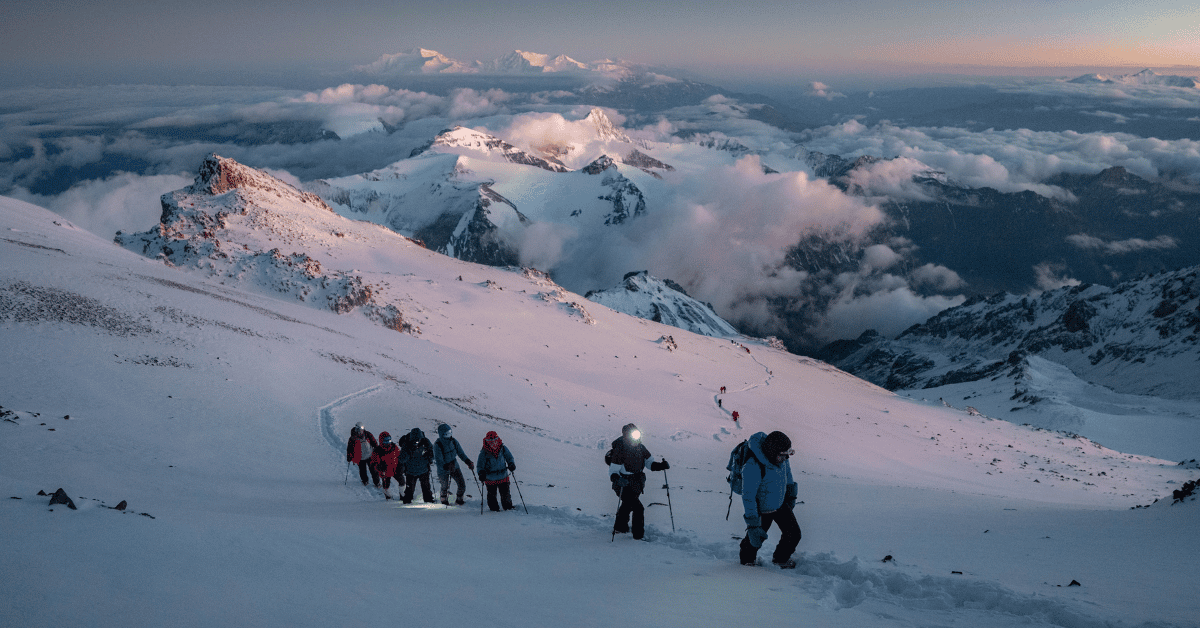
When we discuss the tallest peak outside the Himalaya, Karakoram, and other mountain ranges in Asia, Mount Aconcagua comes first on the list. Mount Aconcagua is the highest mountain in South America and the world, outside Asia, that stands at an altitude of 6,961 m, or 22,838 ft. It is one of the Seven Summits that represents the continent among the highest peaks of the seven continents.
But how hard is Aconcagua to climb? Climbing Aconcagua (6,961 m) is considered non-technical but is challenging to climbers. Its high altitude, severe weather, requirement of long-day expeditions, and remoteness are factors making climbing difficult.
This blog provides information about Mount Aconcagua, including its climbing difficulty. The factors influencing climbing difficulty, the summit success rate of Aconcagua, and tips for successful preparation to climb are also provided.
Aconcagua overview
| Feature | Details |
|---|---|
| Location | Argentina, Mendoza Province, near the border with Chile |
| Mountain Range | Andes |
| Elevation | 6,961 m (22,838 ft) |
| Continent | South America |
| Mountain Category | Seven Summits |
| Highest Point | South America and the Western Hemisphere |
| First Ascent | January 14, 1897, by Swiss climber Matthias Zurbriggen |
| Normal Route | Non-technical but physically demanding |
| Main Challenges | Altitude, weather, endurance, load carrying |
How Hard Is Aconcagua to Climb?
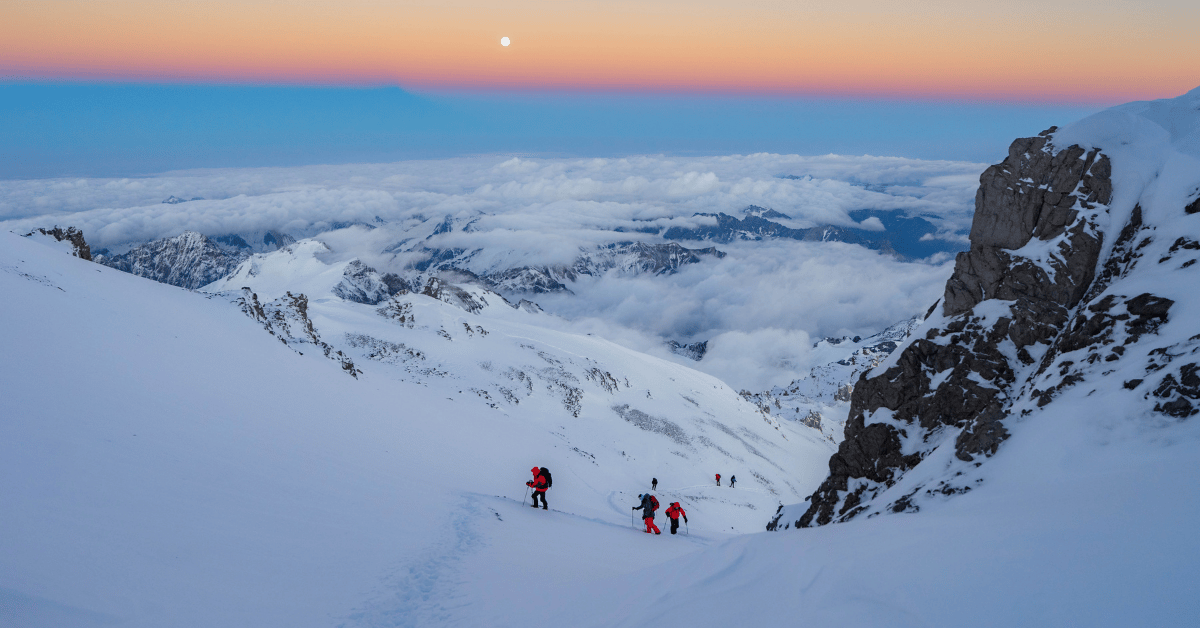
When talking about Aconcagua, most climbers, adventurers, and enthusiasts have one common question: How hard is Aconcagua to climb? The answer is Aconcagua is a very challenging mountain to climb, although it is not considered technical. Its high altitude, low oxygen level, extreme weather, and demanding ascent make it challenging.
Mount Aconcagua challenges not only beginners but also challenges well-trained climbers, as they experience fatigue, headaches, poor sleep, nausea, and reduced physical performance. The requirement of long-hour walks and lengthy expedition days adds difficulty to the climbers. Climbing requires proper training, proper experiences, endurance, high-altitude experience, and overall fitness for a successful climb to Aconcagua.
What Makes Aconcagua Difficult?
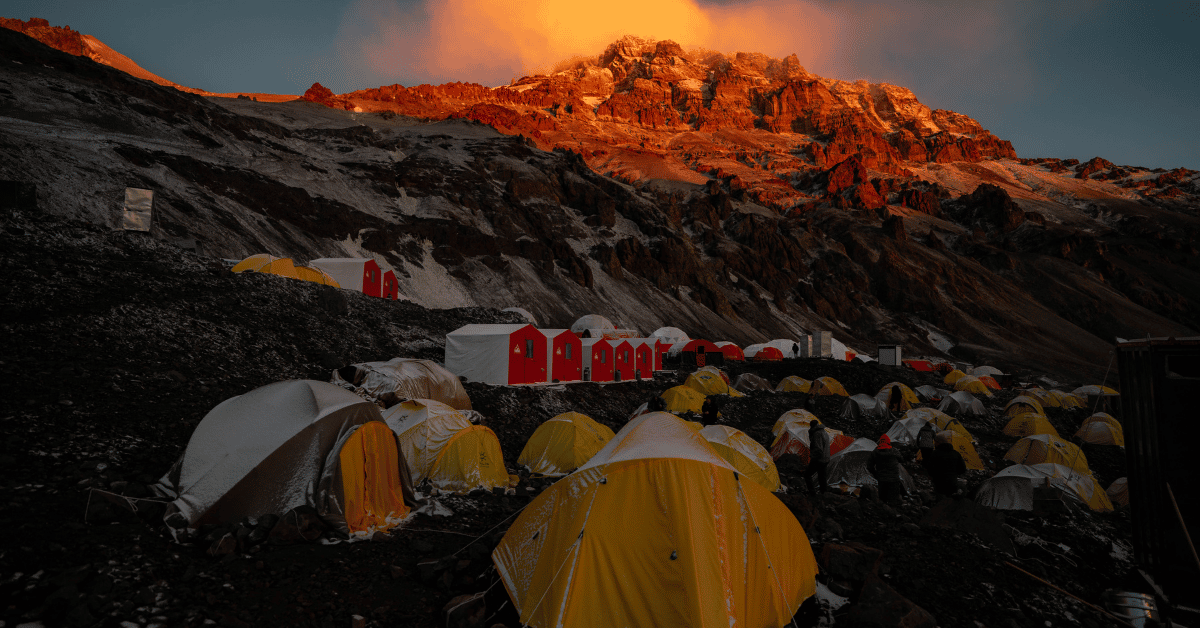
Mount Aconcagua is one of the most challenging and difficult mountains for climbers to climb. Various factors such as high altitude, a long and physically demanding ascent, challenging weather, a summit push, remoteness, and the requirement of carrying weight make climbing difficult.
High Altitude
The high altitude of Aconcagua (6,961 m) is one of the biggest challenges it poses to climbers. Climbers require climbing difficult terrain with an oxygen level that is 40% less than at sea level. This makes body recovery and ordinary movement slow due to severe exhaustion. Due to high-altitude terrain, climbers require proper acclimatization, physical fitness, and proper rest periods to adapt to high altitude.
Long and Physically Demanding Ascent
Climbing Aconcagua requires climbers to walk for longer days and hours while spending days in base camp. Climbers are required to carry their loads to high camp and return to sleep at lower camps as acclimatization rotations. The duration of ascent or summit push may further extend due to poor weather or waiting for a weather window. The summit ascent may take more than 10 to 12 to 20 days depending upon weather, physical condition, and route conditions that require proper decision-making for safe expeditions.
Challenging weather conditions
The weather of Aconcagua is challenging and unpredictable, making climbing difficult. Climbers need to face freezing temperatures, snow, and quick-changing weather conditions and deal with strong winds. These extreme weather conditions frequently lead to abandonment and postponement of the summit push.
The Summit Push and the Canaleta
The summit push days in Aconcagua are one of the most challenging phases of the entire expedition. During the summit push, climbers are required to start their journey early from high camp, ascending toward the summit before returning to lower camp. The extreme altitude, steep terrain, and fatigue make the final summit push challenging and demanding.
Sections like Canaleta (6,690 m), a steep 300 to 400 m loose rock and scree gully, challenge climbers physically. The summit push and descent might take more than 12 hours of challenging ascent and descent.
Remoteness and Self-Sufficiency
Although Aconcagua is one of the most popular peaks in the world, as a Seven Summit peak and the highest peak in Argentina and all of South America, the expedition there is challenging due to its remote location and the requirement of managing personal supplies and loads. Carrying required gear and equipment by oneself and climbing challenging peaks requires endurance, determination, and physical fitness. However, organized expedition companies like Namas Adventure provide proper logistic support, guides, and proper strategy to reduce burden and increase summit success rates.
Is Aconcagua Technically Difficult?
Aconcagua is considered a non-technical peak that does not require advanced rock climbing or ice climbing skills. However, the peak is challenging with various aspects, and climbers must have basic mountaineering skills to move comfortably in high-altitude terrain.
Climbers must also be prepared for changing terrain and route conditions according to seasons. Although Aconcagua is non-technical, climbers must never underestimate the mountain, as it challenges them with extreme altitude, difficult sections, and a remote and physically demanding ascent.
Aconcagua Summit Success Rate
The summit success rate of Aconcagua varies according to weather, season, acclimatization schedule, experience of climbers, and preparation level. On average, the summit success rate is around 30 to 40%. While the guided expedition has the highest record of success, the independent expedition has the lowest success rate.
For climbers planning to summit Aconcagua or any peak, it is important to know that a failed summit attempt does not completely mean poor preparation. Considering turning around time and aborting the summit push due to poor weather, sickness, and other conditions can be a wise decision.
Tips for Preparing to Climb Aconcagua
Climbers planning to summit Aconcagua should follow months of preparation, fitness, and making proper strategies for summit success. One must focus on simulated hikes and uphill and downhill navigating training, make a proper acclimatization plan, and choose an expedition partner that helps in every step during expeditions. Some important tips you can follow during the preparation stage to climb Aconcagua include:
Long-distance hiking
Weighted backpack training
Uphill and downhill training
Cardiovascular endurance training
Leg and core strength
Practice with expedition equipment and gear
Taking adequate recovery or breaks between training sessions
Choosing expedition companies like Namas Adventure can also be a wise option, as climbers get a 16-week training peaks program to climb 7,000 m, helping climbers to go on high-altitude expeditions.
Conclusion
Aconcagua is less technical but is challenging, requiring high-altitude experience, physical fitness, and endurance for a successful summit. Climbers are required to have a proper acclimatization schedule, mental resilience, and the ability to cope with severe weather and long days of adventure at high altitude. Sections like Canaleta and summit push can be challenging or demanding to climbers as they add physical challenges.
But with proper preparation, a summit push strategy, acclimatization rotation, and an expedition with experienced leadership, Aconcagua is achievable and rewards climbers with new experience and achievements.
Planning for the Aconcagua expedition? Contact Namas Adventure for an expert-led Aconcagua (6,961 m) expedition with proper high-altitude acclimatization strategies, an IFMGA/UIAGM-certified mountain guide, a 1:4 guide ratio, a small team size, and dedicated training for overall success.
