

How Long Does It Take to Climb Aconcagua?
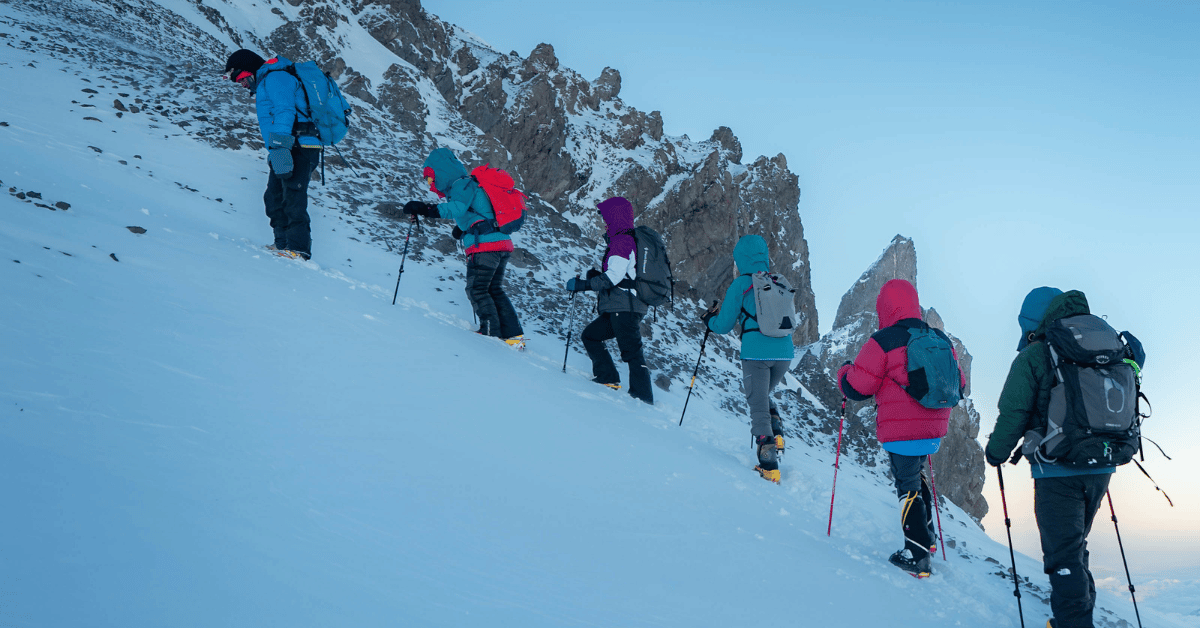
Mount Aconcagua (6,961 m) is the highest mountain in Argentina, South America, and the highest peak that is located outside Asia. Aconcagua is one of the Seven Summits, as it is the highest peak from one of the seven continents. And as a Seven Summits mountain, climbing Aconcagua is a major objective for climbers who want to conquer the tops of every continent. Although the peak is regarded as non-technical in comparison to the Himalayan and Karakoram peaks, climbing it is challenging due to its high altitude and the requirement of long-day expeditions.
But how long does it take to climb Aconcagua? The answer depends on the route, acclimatisation, weather, pace of climbers, and expedition plan. A well-planned itinerary can take an average of 20 days or more to successfully summit the mountain.
In this blog, we provide information regarding the days required to climb Mount Aconcagua. The reason for the lengthy time to climb the mountain and preparation for the safe and successful summit of the mountain is also provided.
Days Required To Climb Aconcagua?
While the days required for climbing Aconcagua depend upon various factors like climbers' pace, weather, route conditions, and several other factors, Namas Adventure provides 20-day expedition packages. The 20-day Aconcagua expedition package by Namas Adventure is expertly crafted and includes proper rest days, acclimatisation, and travel days. The day-by-day outline of the Aconcagua expedition itinerary by Namas Adventure is provided below:
| Day | Itinerary | Approx. Altitude |
|---|---|---|
| Day 1 | Arrive in Mendoza, get airport pickup, and transfer to your hotel. | 761 m |
| Day 2 | Packing and permit procedures in Mendoza | 761 m |
| Day 3 | Mendoza to Penitentes and Confluencia | 3,390 m |
| Day 4 | Trek to Plaza de Mulas / South Face viewpoint | 4,250 m |
| Day 5 | Rest day at Plaza de Mulas | 4,250 m |
| Day 6 | Local terrain exploration, acclimatization hike, and rest | 4,250 m |
| Day 7 | Carry equipment and food to Camp 1; overnight at Camp 1. | 4,900 m |
| Day 8 | Touch Camp 2, deposit gear, and sleep at Camp 2. | 5,400 m |
| Day 9 | Return to Base Camp | 4,200 m |
| Days 10–11 | Rest at Base Camp | 4,200 m |
| Day 12 | Ascend to Camp 1 / Plaza Canada | 4,900 m |
| Day 13 | Ascend to Camp 2 / Nido de Condores. | 5,400 m |
| Day 14 | Ascend to Camp 3. | 6,000 m |
| Day 15 | Summit day and return to Camp 2 | 6,961 m |
| Days 16 to 17 | Contingency days for bad weather | - |
| Day 18 | Return to Base Camp | 4,200 m |
| Day 19 | Return to Mendoza. | 761 m |
| Day 20 | Transfer to Mendoza Airport and departure | 761 m |
Why Does Climbing Aconcagua Take So Long?
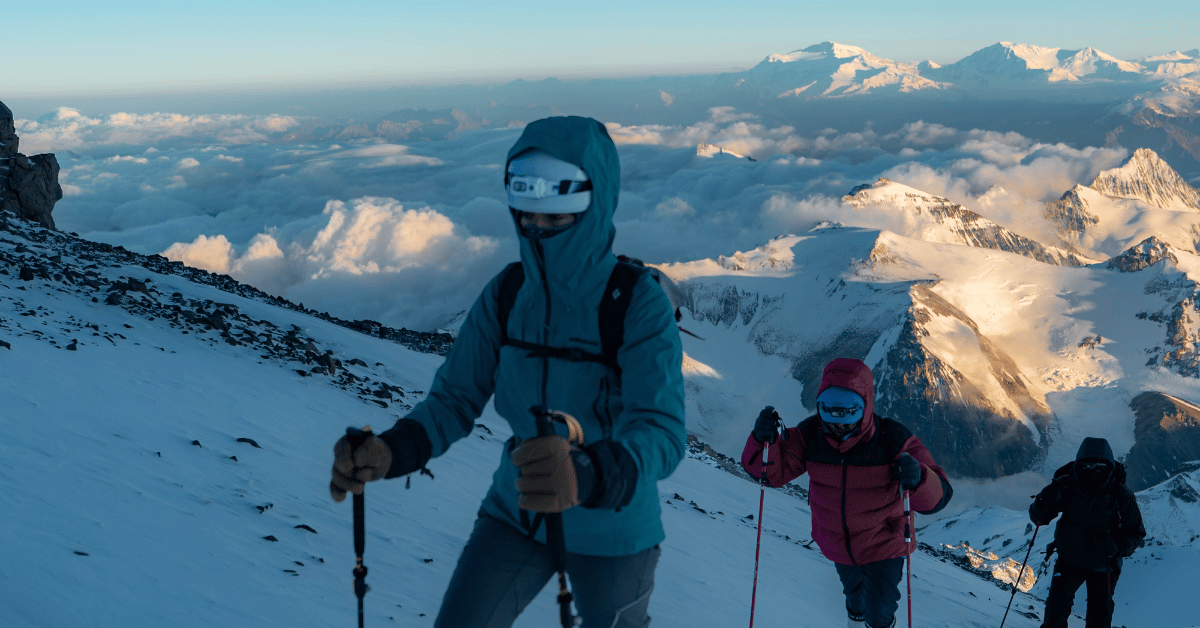
Climbing Aconcagua takes several weeks to climb, making the expedition longer. It is because climbers are required to acclimatise, perform high-altitude camp rotations, carry logistics, and navigate through difficult routes. The weather conditions, pace of climbers, and careful or safe descent practice also make Aconcagua difficult and lengthy to climb.
Acclimatization
As Mount Aconcagua is a high-altitude expedition, climbers are required to acclimatise to adapt their bodies to higher altitudes. Attempting a summit push without acclimatization might increase the risk of altitude-related illness and create difficulties for the body to function properly. Several days of acclimatisation and rest for the consumer make the expedition lengthier.
High-Altitude Camp Rotations
Climbing Aconcagua requires climbers to follow the camp rotation schedule. During the expedition, climbers progressively carry equipment to high camps and spend time at higher elevations and descend towards lower camps. Following numerous camp rotations from Camps 1, 2, & 3 and rest days, climbers become familiar with high altitude and the route while preparing the supplies and equipment for the summit push. These processes consume many days, contributing additional days to the expedition package.
Weather and Summit Conditions
The poor weather and summit conditions also increase the duration of climbing Mount Aconcagua. As mountain weather changes quickly, strong winds, snowfall, and poor visibility make summit conditions unsuitable. And climbers planning to summit the peak must plan additional contingency days that require flexibility. Namas Adventure also includes days 16 and 17 as contingency days to compensate for delays due to weather. These additional contingency days increase expedition duration, making the Mount Aconcagua length longer.
Route and logistics
Climbing Aconcagua requires climbers to manage transportation, permits, accommodations, and logistics while moving between different elevations. These requirements take time but help in making expeditions efficient and safe. Also, the condition of the route also influences the days required for the expedition, as poor and difficult routes require extra days for a successful summit.
Pace of climbers
The pace of climbers influences the days required for the expedition to Mount Aconcagua. As Aconcagua is physically challenging, climbers with previous high-altitude experience, physical fitness, and pace can decrease the duration of the expedition. Meanwhile, a climber with a slow pace and movement consumes additional days. Along with pace, climbers must focus on safety and maintain a sustainable rhythm during ascent, summit push, and descent. Sections like Canaleta (6,690 m) require vertical gain pace and regulated breaks for a safe summit.
Can You Climb Aconcagua in Fewer Than 20 Days?
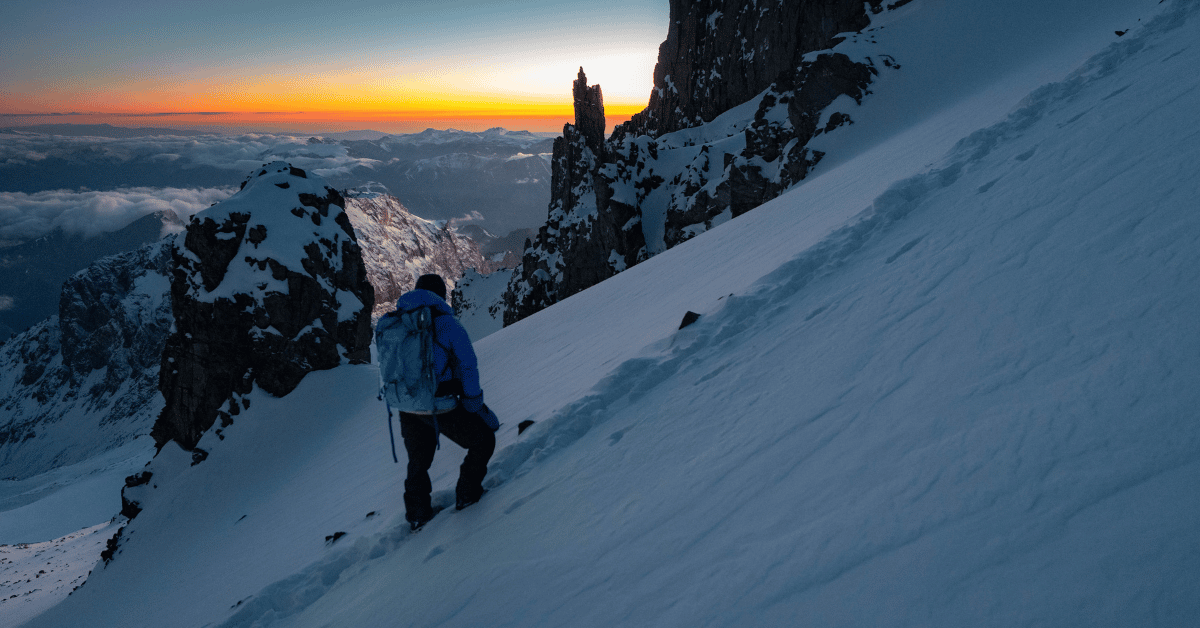
Aconcagua can be climbed in fewer than 20 days, but the shorter itinerary can be challenging and may not suit every climber. While some expedition operators offer shorter itineraries, the chance of compromising acclimatisation, rest days, camp rotations, and weather windows is high. This may increase the risk for climbers as they are required to get exposed in a high-altitude environment without adequate rest days, acclimatisation, or safety.
Therefore, climbers attempting Aconcagua must focus on adequate acclimatisation, preparation, and safety rather than completing expeditions in shorter durations. The 20-day Aconcagua expedition itinerary by Namas Adventure is designed for safety and success by including acclimatisation, rest days, contingency days, and summit windows.
Prepare for Your Aconcagua Expedition with Namas Adventure
Climbing Aconcagua is one of the most challenging and demanding expeditions, which requires long duration, proper planning, acclimatisation, rest days, and team strategy. While the expedition duration is influenced by various factors like acclimatisation, pace of climbers, rest days, weather delays, and contingency days, a well-planned expedition takes around 20 or more days.
Leading expedition operators like Namas Adventure introduce the 20-day Aconcagua expedition package that includes proper acclimatisation; Camp 1, Camp 2, and Camp 3 approaches; and rest days. The package also includes 16 weeks of training programmes; 1:3, 1:2, and 1:1 guides to client ratios; small team strategy; and UIAGM-IFMGA English- and Spanish-speaking guides focusing on overall expedition success and safety.
