

Rasuwa Flood 2026: A Devastating Flash Flood in the Himalayas
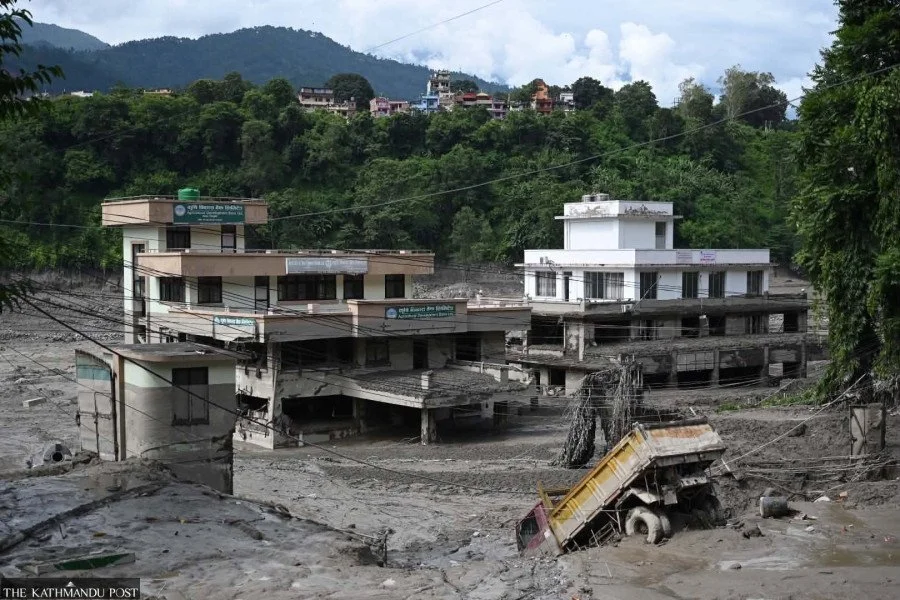
Image Source: The Kathmandu Post
On August 26, 2026, Nepal witnessed one of the most devastating flood disasters in recent years when an extremely powerful flash flood swept through the Rasuwa district near the Nepal-China border. The disaster severely affected areas including Timure, Syabrubesi, and the border area of Tibet, sending destructive flows downstream through the Bhote Koshi (flowing through the Rasuwa district) and Trishuli river systems.
The flood destroyed homes, markets, roads, bridges, and hydropower infrastructure, while also disrupting transportation, electricity, and communication. Thousands of vehicles and lives were swept away. Rescue operations have been challenging as several roads and bridges were washed away and some affected settlements became difficult to reach.
What Caused the Rasuwa Flood?
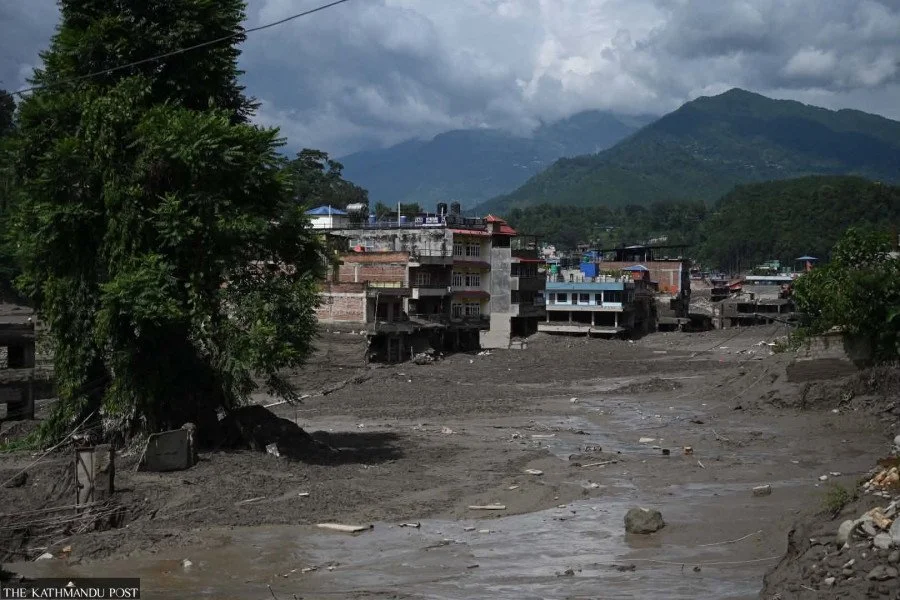
Image Source: The Kathmandu Post
According to initial reports, a landslide or seismic event may have blocked the river before the water suddenly burst downstream. But the satellite observation and expert analysis pointed towards a collapse of a glacial or ice-and-rock avalanche in the Himalayan region leading to the disaster. The exact region of the event is still being investigated by experts.
When a large mass of snow, ice, and rock enters a river or blocks it and when the water is released suddenly, it produces excessive pressure that produces massive and rapid flood waves. In steep Himalayan geography, the water flows downstream with extreme force and speed, giving almost no time to react and respond to the event.
Human and Environmental Impact
The human impact of the event is devastating, as the report till August 27 indicated at least 162 people lost their lives, while hundreds are reported to be missing. Foreign tourists, pilgrims, security officials, and employees in infrastructure projects were also among those who were affected.
This disaster is also one of the reminders of growing risks faced by Himalayan communities. The glaciers and glacial lakes are being highly sensitive to global warming and changing temperatures. Rising temperatures can accelerate glacier melt and affect the stability of glacial lakes, increasing the risk of sudden floods and other hazards.For Himalayan communities living downstream, these changes can make natural disasters more frequent, unpredictable, and destructive
Also, the steep terrain and monsoon conditions further increase the risk and severity of such floods. The Rasuwa flood therefore highlights the urgent need to better understand the effects of climate change in the Himalayas and strengthen early warning systems, disaster preparedness, and climate-resilient infrastructure.
How Can You Help?
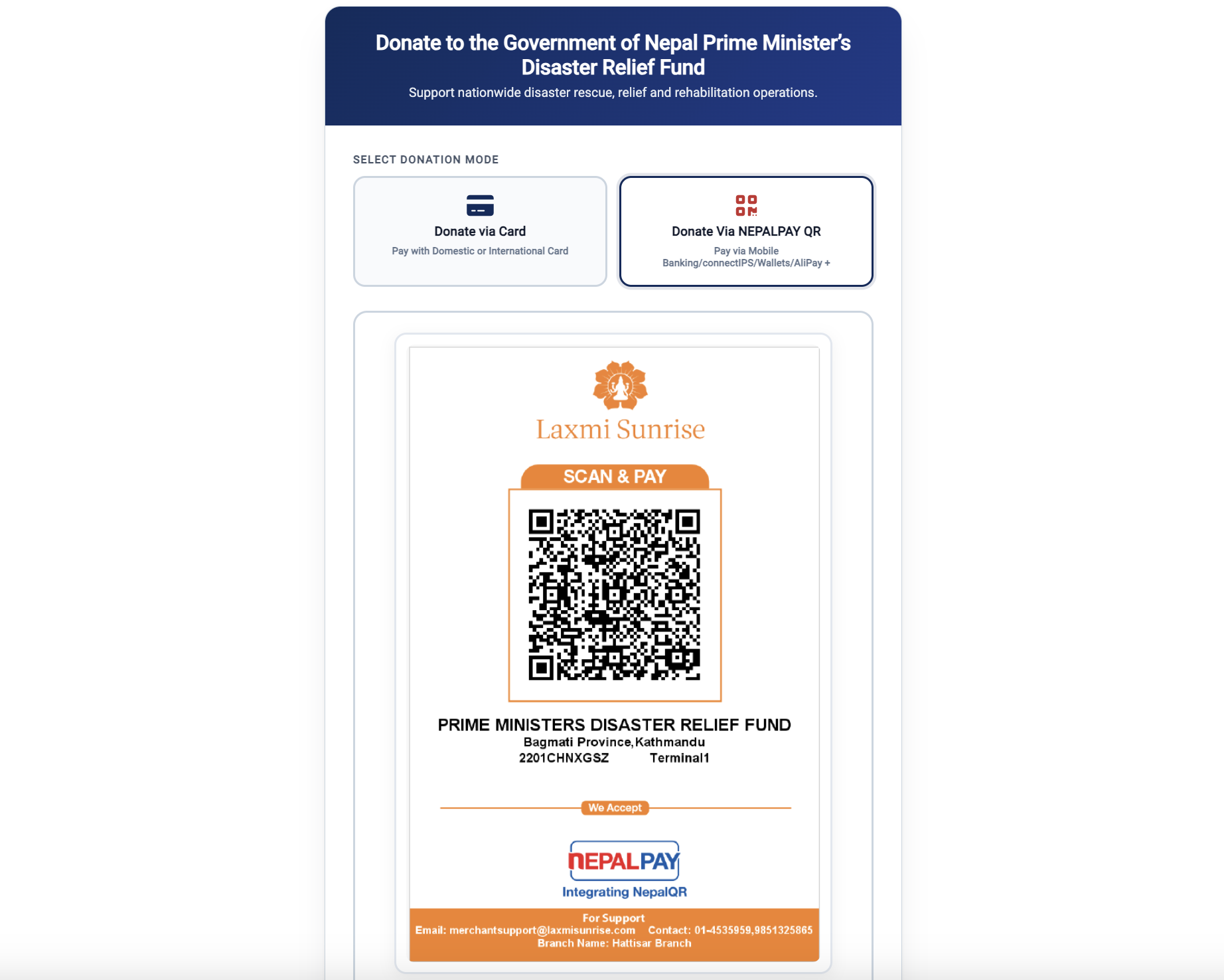
Rescue and relief operations are going on rapidly, and affected individuals or family members urgently need shelter, food, medical care, and humanitarian supplies. Various government and non-government organizations and foreign aid have launched campaigns to relieve the flood-affected region. The government of Nepal has appealed for financial support and assistance through the Prime Minister’s Disaster Relief Fund and the Prime Minister’s Relief Fund to support people and regions affected by disaster.
Your contribution, whether large or small, matters and can help support rescue, relief, and recovery efforts for communities facing the aftermath of the flood disaster.
The Himalayas will continue to inspire us, but disasters like this remind us that nature demands respect, preparedness, and responsible travel. We stand with the people of Rasuwa and all those who are affected by this tragedy. For updates on Himalayan journeys and responsible travel, visit Namas Adventure
