

Double Boots vs. Triple Boots For 7000m Peaks
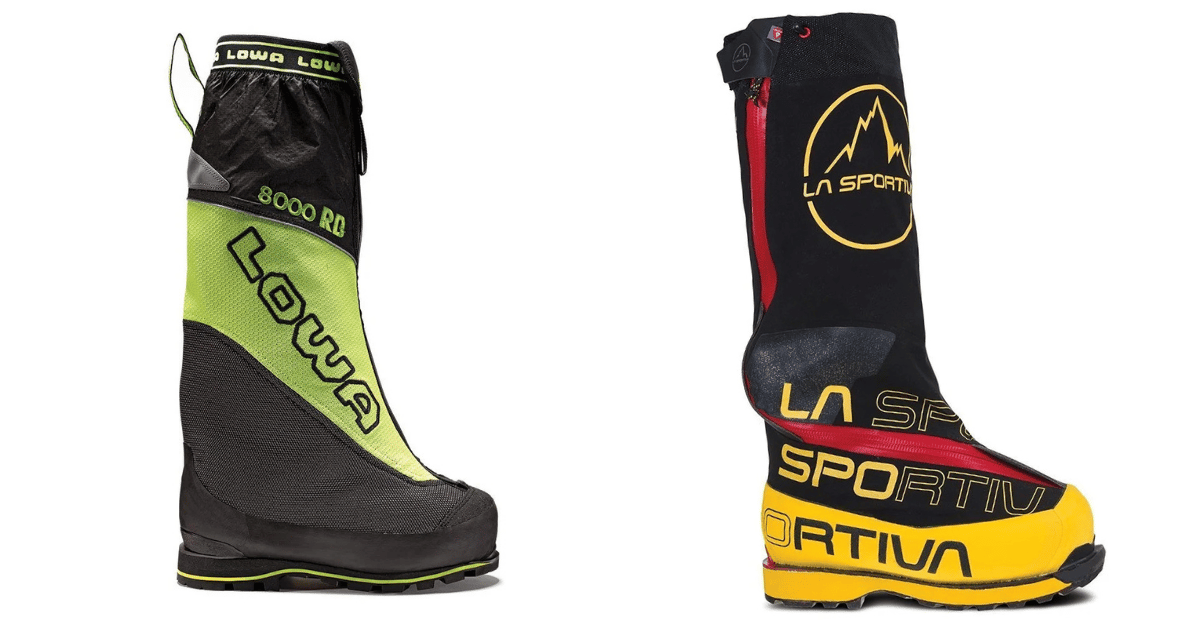
Choosing the right technical gear in extreme adventures like 7000 m peak climbing is a crucial decision. Among such gear sets, selecting the ideal mountaineering boots is important for comfort, safety, and safely navigating in the high-altitude icy, snowy, and rocky terrain. The perfect mountaineering boot supports technically to move smoothly while reducing fatigue during long-day summit pushes. They protect you from harsh weather, injuries, and wounds like blisters that may end your journey to the summit.
Most high-altitude climbers choose two main boot types for 7000 m peaks, which are double boots and triple boots. Both of the boot types are built for extreme mountaineering, but they are different, as they vary in insulation, weight, weather shielding, and built design. Choosing the right boot type is important according to the summit you are preparing for.
Understanding High-Altitude Mountaineering Boots
High-altitude mountaineering boots are specially designed for high-altitude terrain above 6000 m and are heavily insulated and stiff, with a design to handle the extreme cold and technical terrain conditions of mountains. The high-altitude mountaineering boots feature rigid soles with integrated or built-in gaiters, welted heels, or toes for secure crampon capabilities. These boots come with rigidity ratings of B1, B2, and B3, among which the B3-rated boots with double or triple configurations are ideal for climbing mountains above 7000 m.
What Are Double Boots?
Double boots are high-altitude mountaineering boots designed with an independent outer shell with a removable insulated inner liner. This separate liner is removed during the camp stay to dry it and prevent it from freezing in the high-altitude environment. Double boots provide a balance of comfort, mobility, and warmth, due to which they are the standard choice for many 6000m and 7000 m expeditions.
What Are Triple Boots?
The triple boots are extreme altitude mountaineering boots with a design that features three layers, including a removable inner liner, an insulated intermediate mid-shell, and a weatherproof outer gaiter. These three layers of triple boots provide warmth and weather protection for comfort and reduce the risk of frostbite in extreme altitude. Triple boots are a standard choice for extreme altitude above 7000m and 8000m expeditions.
Double Boots vs Triple Boots: Quick Comparison
Insulation Comparison
The insulation is the biggest difference between double and triple boots. Double boots give enough warmth for most spring and autumn 7000m expeditions, where the temperatures stay manageable. And because the liners are removable, climbers can take them out and dry them overnight, which helps with moisture buildup.
Meanwhile, the triple boots have improved insulation due to their built-in gaiter and extra protective layers. They keep heat in more efficiently during those long summit pushes and in cold conditions below -30°C. So for winter climbs, or expeditions with prolonged exposure to severe cold, triple boots are better for insulation.
Weight and Mobility
When comparing the weight, double boots are lighter and allow climbers to step comfortably and efficiently across glaciers, rough trails, and mixed terrains. The lighter feel also helps to save energy, especially on long climbing days.
Meanwhile, triple boots equip three different layers contributing to additional weight. Even if they’re heavy, the boots are designed to give stronger protection in rough alpine conditions.
Weather Protection
While both double and triple boots are designed for high altitude weather, triple boots provide the best protection as they are designed for warmth, insulations, and protection against freezing moisture, strong winds, and deep snow navigating in 7000 and 8000 m altitude.
Meanwhile, the double boot is designed for 7000 m expeditions and gives limited insulation and weather protection in comparison to triple boots. While double boots are weather-resistant, they might not be the best choice for severe and extreme cold conditions.
Climbing Performance on Technical Terrain
Both double and triple boots are compatible with automatic crampons, and they manage to keep the stiffness needed for technical mountaineering. In many conditions, double boots bring more agility for mixed climbing, glacier travel, and steeper snow slopes because they are lighter and comfortable.
Meanwhile, the triple boots deliver great stability but lack climbing precision due to the added insulation. On technical routes, climbers with experience often lean toward a good fit and their personal climbing style, rather than relying on insulation alone.
Best Boot for Different 7000m Expedition Conditions
The best boot for a 7000 m expedition also differs according to climbing conditions or seasons. The ideal boot types change according to seasonal temperatures, route conditions, and suitability for navigation.
Summer Himalayan 7000m Expeditions
In the summer expedition of the 7000 m mountains, in most situations the high-altitude technical double boots give an ideal balance between warmth and precision. As summer experiences comparatively low temperature and soft and slushy snow conditions at lower camps and steep ice transitions at the top, double boots provide high ankle flexibility, saving energy in the glacier approach. The double boots provide more precision and comfort on steep sections. However, it is important to consider that in the case of a summer storm, the double boot provides less thermal buffer in comparison to the triple boot.
Autumn Expeditions
During the autumn expeditions of 7000 m peaks, climbers need to face high winds and significant dropping of temperatures. In such conditions heavy-duty double boots or light weight triple boots can be the ideal choice for climbers to minimize the risk of frostbite and maximize comfort. The light triple boots or heavy double boots give climbers comfort and stability when navigating in exposing hard blue ice. The rigid B3 construction of these boots allows climbers to secure front pointings while also protecting them from freezing temperatures during summit pushes.
Winter 7000m Expeditions
In the 7000 m expedition in Winter, the weather condition is extremely harsh, which makes climbers feel like they are navigating in altitude above 8000 m, or the death zone. The average temperature stays below -40°C with severe winds. In such conditions, triple boots are a mandatory choice, as they provide warmth due to their heavy insulated intermediate shell and integrated outer gaiter. Triple boots are designed with the utilization of aerogel technology that prevents freezing cold from the ground from transferring to your feet.
Which Boot Is Best for Popular 7000m Peaks?
| Mountain | Recommended Boot | Recommended Model |
|---|---|---|
| Himlung Himal (7,126m) | Double Boots | La Sportiva G2 Evo or Scarpa Phantom 6000 HD |
| Lenin Peak (7,134m) | Double Boots | La Sportiva G2 Evo or Scarpa Phantom 6000 HD |
| Baruntse (7,129m) | Double Boots | La Sportiva G2 Evo or Scarpa Phantom 6000 HD |
| Himalchuli (7,893 m) | Triple Boots | La Sportiva Olympus Mons Cube, Scarpa Phantom 8000 Thermic HD |
| Annapurna IV (7,525m) | Triple Boots | La Sportiva Olympus Mons Cube S, Scarpa Phantom 8000 Thermic HD, Asolo Manaslu GV |
Conclusion
Choosing the right mountaineering boots is critically important, as it makes a big difference in comfort level, safety, navigation difficulty, and chance of a successful summit. At Namas Adventure, our experienced guides make it easier by helping climbers sort out gear choices that match the mountain, the season, and climbing conditions. Whether you’re going after your first 7000m peak expedition or aiming for an 8000m climb in the future, Namas Adventure is always ready to support you and keep you moving with confidence with the right equipment.
