

What Sleeping Bags Are Rated for Extreme Cold in High Mountains?
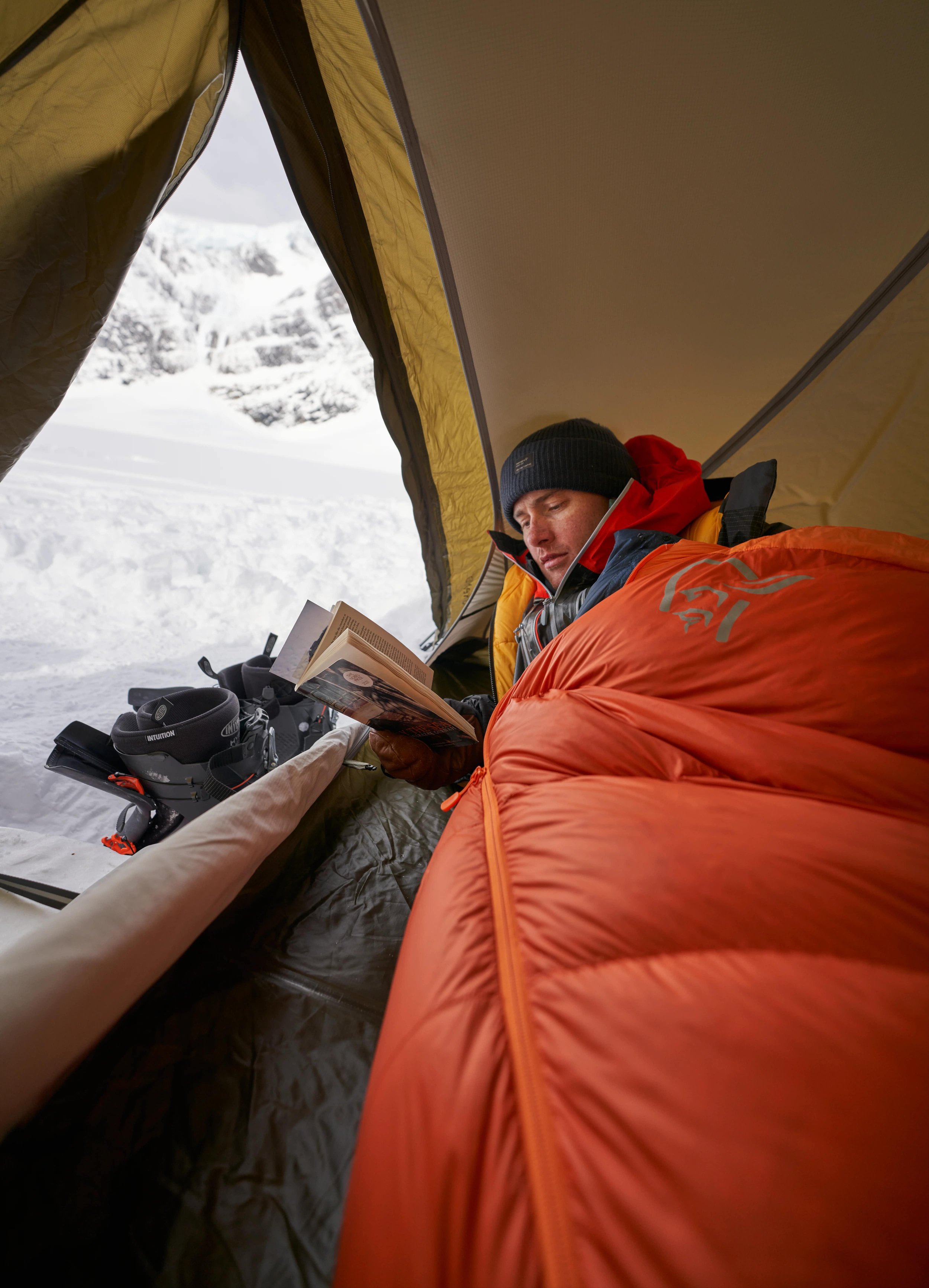
A sleeping bag is one of the more important pieces of gear for any high-altitude expedition or mountaineering to cope with high-altitude temperatures. As elevation rises, the temperatures can drop way below freezing, especially at night. If your sleeping bag is not built for extreme cold, you can end up with a cold, suffering from hypothermia, slower muscle recovery, and exposure to severe cold-related problems. So, whether you’re hiking toward Everest Base Camp or pushing for a technical 7,000m or 8,000m summit, learning how sleeping bag temperature ratings work will help you pick something that keeps you warm, safe, and comfortable.
In this guide we explain what a rating in a sleeping bag means and why it matters in higher mountains. The recommended sleeping bags for high-altitude treks and mountain expeditions and features to look for in extreme sleeping bags are provided.
Why Sleeping Bag Ratings Matter in High Mountains
When planning for high-altitude adventure and mountaineering expeditions, gear like sleeping bags and their rating matters. The rating of sleeping bags refers to ISO/EN standards that show to what extent the bag keeps you warm. These ratings are categorized into Comfort, Limit, and Extreme levels, and during expeditions and treks, choosing the sleeping bag with the ideal rating matters. The rating of a sleeping bag that matches its intended temperature range helps in providing comfort, better sleep, and prevention of cold.
Better Sleep Supports Acclimatization
Acclimatization is key for safety and successful high-altitude treks and expeditions. And gear like sleeping bags with appropriate ratings matters more, as it keeps your body warm and provides comfortable sleep, helping to acclimatize. A comfortable and suitable sleeping bag supports muscle recovery and reduces fatigue, giving proper time to prepare climbers for the next day’s adventure.
Preventing Cold-Related Health Risks
The temperature in high-altitude regions is extremely cold, especially at night. In a high-altitude expedition, climbers need to deal with temperatures of -20°C to -40°C, which can be challenging. As the body struggles to maintain temperature to prevent hypothermia, exhaustion, and heat loss, sleeping with an appropriate rating can make your stay comfortable and warm.
Understanding Sleeping Bag Temperature Ratings
The sleeping bag temperature ratings are metrics defined by ISO or EN standards to measure its performance levels. The ratings are generally sorted as limited, comfortable, and extreme ratings, which indicate the level of comfort and warmth the bag provides to the wearer.
Comfort Rating
The comfort rating in the sleeping bag means the lowest temperature in which one can sleep comfortably throughout the night. It is one of the important ratings that high-altitude climbers must consider to ensure safety and comfort during an expedition.
Limit Rating
The limit rating in the sleeping bag means the lowest temperature at which one can remain warm while inside the sleeping bag. This rating ensures less comfort in comparison to a sleeping bag with a comfort rating. A sleeping bag with a limit rating is suitable for expert climbers who are familiar with colder environments and sleeping conditions.
Extreme Rating
The extreme rating represents a survival temperature that ensures it protects climbers from cold. This means climbers are not ensured comfort. Even if the extreme rating in the bag is -40°C in the sleeping bag, it does not mean that at that temperature a climber gets maximum comfort. Instead, it means a climber can tolerate up to that temperature while comfort is not ensured.
Recommended Sleeping Bag Ratings for Different High-Altitude Expedition
As the temperature and condition differ according to the altitude and region, climbers are required to carry sleeping bags with appropriate ratings on various expeditions. The ideal sleeping bag ratings recommendations for high-altitude expeditions are provided below:
| Expedition Type | Recommended Comfort Rating |
|---|---|
| Everest Base Camp Trek | 10°C to -20°C (4-season down or high-quality synthetic sleeping bag) |
| 6,000m Peak Expeditions Mera Peak, Island Peak, Ama Dablam |
-20°C to -25°C (Premium goose down sleeping bag) |
| 7,000m Peak Expeditions Himlung Himal, Baruntse, Pumori, Annapurna IV |
-30°C to -40°C (High-grade expedition goose down sleeping bag) |
| 8,000m Himalayan Expeditions Everest, Makalu, Annapurna I, Manaslu |
-40°C to -50°C (Extreme expedition-grade down sleeping bag or dual-bag system) |
Down vs Synthetic Sleeping Bags for Extreme Cold
Choosing between down vs. synthetic sleeping bags matters, as they are designed for handling different temperature conditions. For extreme cold, the differences in down vs synthetic sleeping bags are explained below:
| Feature | Down Sleeping Bags | Synthetic Sleeping Bags |
|---|---|---|
| Insulation Material | Natural goose or duck down clusters | Polyester synthetic fibres |
| Warmth-to-Weight Ratio | Excellent warmth with minimal weight | Lower warmth-to-weight ratio and requires more insulation to achieve similar warmth |
| Compressibility | Highly compressible and packs into a compact size | Bulkier and occupies more backpack space |
| Performance in Dry Cold | Ideal for cold, dry Himalayan conditions | Performs well but is generally less efficient than down |
| Performance When Wet | Loses much of its insulation when wet unless treated with water-resistant technology | Retains much of its insulating ability even when damp or wet |
| Durability | Highly durable with proper care and storage | Generally less durable than premium down sleeping bags |
| Maintenance | Requires careful washing, drying, and long-term storage | Easy to clean, dry, and maintain |
| Cost | Premium price due to natural insulation | More affordable and budget-friendly |
| Best For | High-altitude expeditions and technical mountaineering | Beginner camping, trekking, and wet-weather adventures |
| Recommended for Himalayan Expeditions | Highly recommended for 6,000m, 7,000m, and 8,000m expeditions | Best suited for lower-altitude trekking and climbs in damp conditions |
Conclusion
Sleeping bags are important gear to keep you warm and maintain an optimal level of comfort during high-altitude expeditions and adventures. While sleeping bags come in various ratings and built materials, preferring a comfort rating built with down material can be ideal for high-altitude adventures. For budget adventurers and trekkers trekking and camping at lower altitudes, a sleeping bag made up of synthetic material can be the best choice.
Planning for trekking in high altitude himalaya or preparing for expedition, Namas Adventure can help you with choosing the best-rated sleeping bag and mountaineering gear to ensure your adventure is comfortable and safe. For climbers planning for expeditions, Namas Adventure also provides gear rental facilities to ensure they are prepared with premium gear without spending more budget. From expedition planning and getting support with choosing or renting appropriate gear, Namas Adventure provides support for you in every step of your mountain expedition
