

When Is the Best Time to Climb Mount Everest
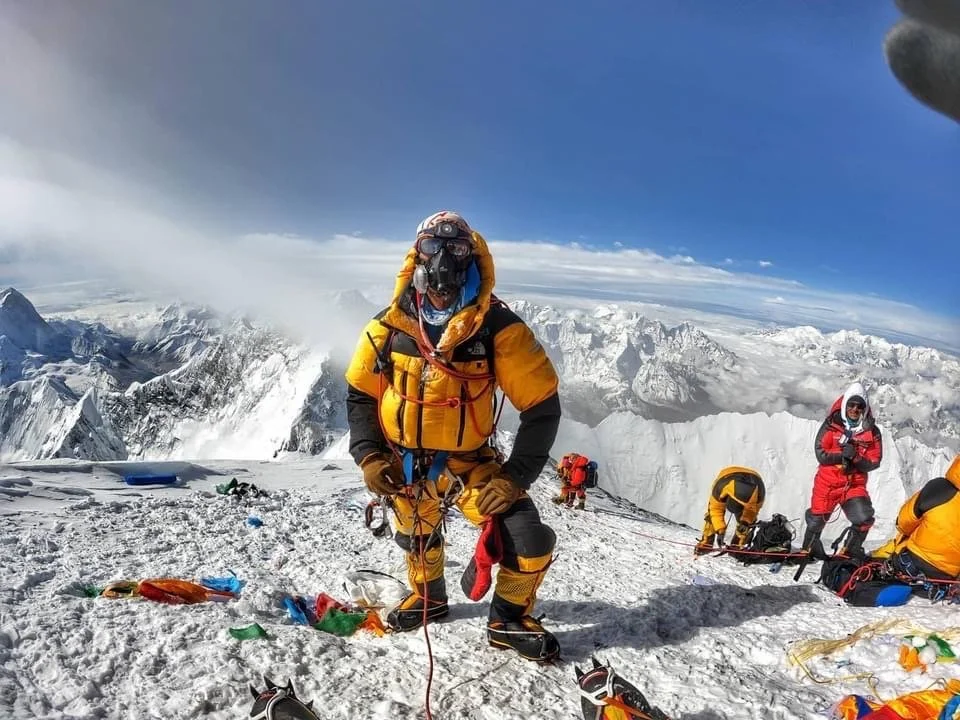
Climbing the world’s highest mountain, Mount Everest (8848.86 m), is the dream of every mountaineer and high-altitude adventurer. Being the highest mountain on earth, yearly hundreds of climbers attempt to take part in an Everest expedition to step on the top of the world.
But climbing is not easy, as the mountain poses challenges due to technical difficulties, the requirement of physical fitness, months of preparation, acclimatizations, and, most importantly, the weather conditions. Weather is an important factor to consider to be safe from strong wind, jet storms, freezing temperatures, and risky calamities like avalanches. This is why, while climbing Everest, they need to choose the best time to minimize the risk of extreme weather, temperature, and altitude-related difficulties.
This blog explains the season that gives the best time or weather window to summit Mount Everest while reducing risk due to poor weather, climate, and temperature conditions. The importance of climbing in the best time and ideal season for expeditions is provided to help you make informed expedition decisions.
Mount Everest Overview
| Feature | Details |
|---|---|
| Also Known As | Sagarmatha (Nepal), Chomolungma / Qomolangma (Tibet), Peak XV (Historical) |
| Location | Mahalangur Himalayan Range, Nepal–China (Tibet) Border |
| Coordinates | 27° 59′ 18″ N, 86° 55′ 31″ E |
| Elevation | 8,848.86 m (29,031.7 ft) |
| Standard Climbing Route | Southeast Ridge (Nepal) |
| Best Climbing Seasons | Spring (April–May) and Autumn (September–October) |
| Average Summit Temperature | Spring: -20°C to -40°C Autumn: -30°C to -40°C |
| Typical Expedition Duration | 40–60 days (depending on expedition plan) |
| Success Factors | Favorable weather, proper acclimatization, technical climbing ability, high-altitude experience, physical fitness, and experienced guides. |
| Permit Requirements |
• Everest Climbing Permit • Sagarmatha National Park Entry Permit • Khumbu Pasang Lhamu Rural Municipality Entrance Permit |
Why Timing Matters on Mount Everest
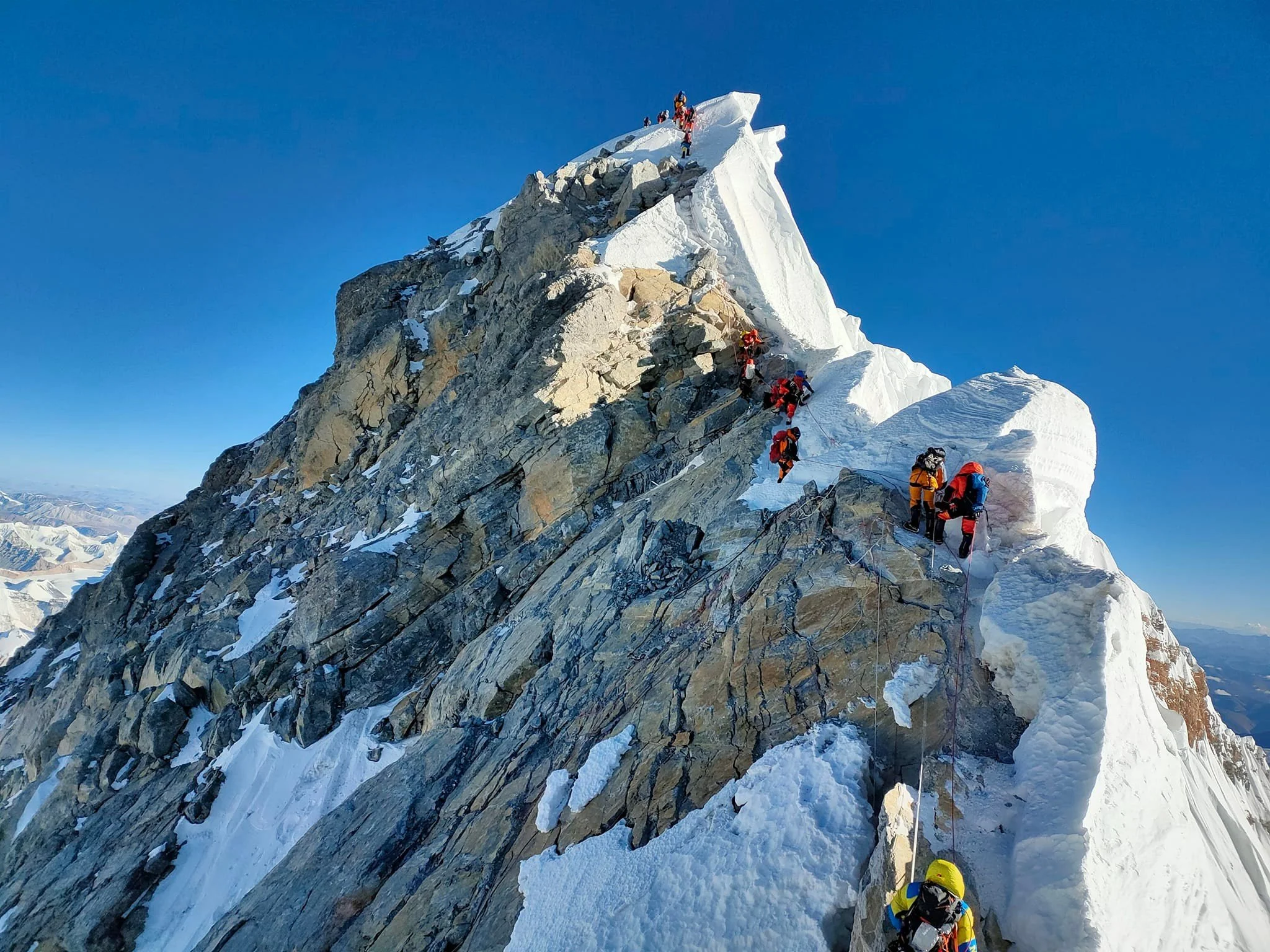
A successful Everest expedition depends not only on having physical and mental preparation, gaining technical and high-altitude experience, and having an expert support team but also on luck. But the success depends on choosing the best season and timing to secure climbing safely during the weather window. Better timing is important for a successful Everest climb by avoiding the jet stream, harsh temperatures, and climbing within a weather window.
The Jet Stream
The high-altitude zone on Everest challenges climbers with a powerful jet stream or wind that reaches more than 200 km/h. These winds make climbing nearly impossible and force climbers to return to the nearby base. During April and May the jet stream in Everest shifts towards the north, providing the favorable summit window or weather window. Timing your summit during the weather window helps in making a successful climb and returning safely to the base.
Temperature
The summit temperature in Everest is extremely low even in the favorable season, as it reaches -20°C to -40°C. Meanwhile, winter challenges climbers with colder temperatures and weather to make climbing difficult. Choosing the best season and time to summit Everest is important to avoid harsh temperatures and achieve summit success before the temperature challenges the climbers.
Weather Window
"Weather window" refers to a short and favorable moment for climbing a high-altitude mountain. Monitoring the weather forecast and scheduling a summit attempt during a weather window helps to increase successful summits by allowing you to climb in manageable temperatures, during clear visibility, and when wind speeds are low.
The Best Time to Climb Mount Everest
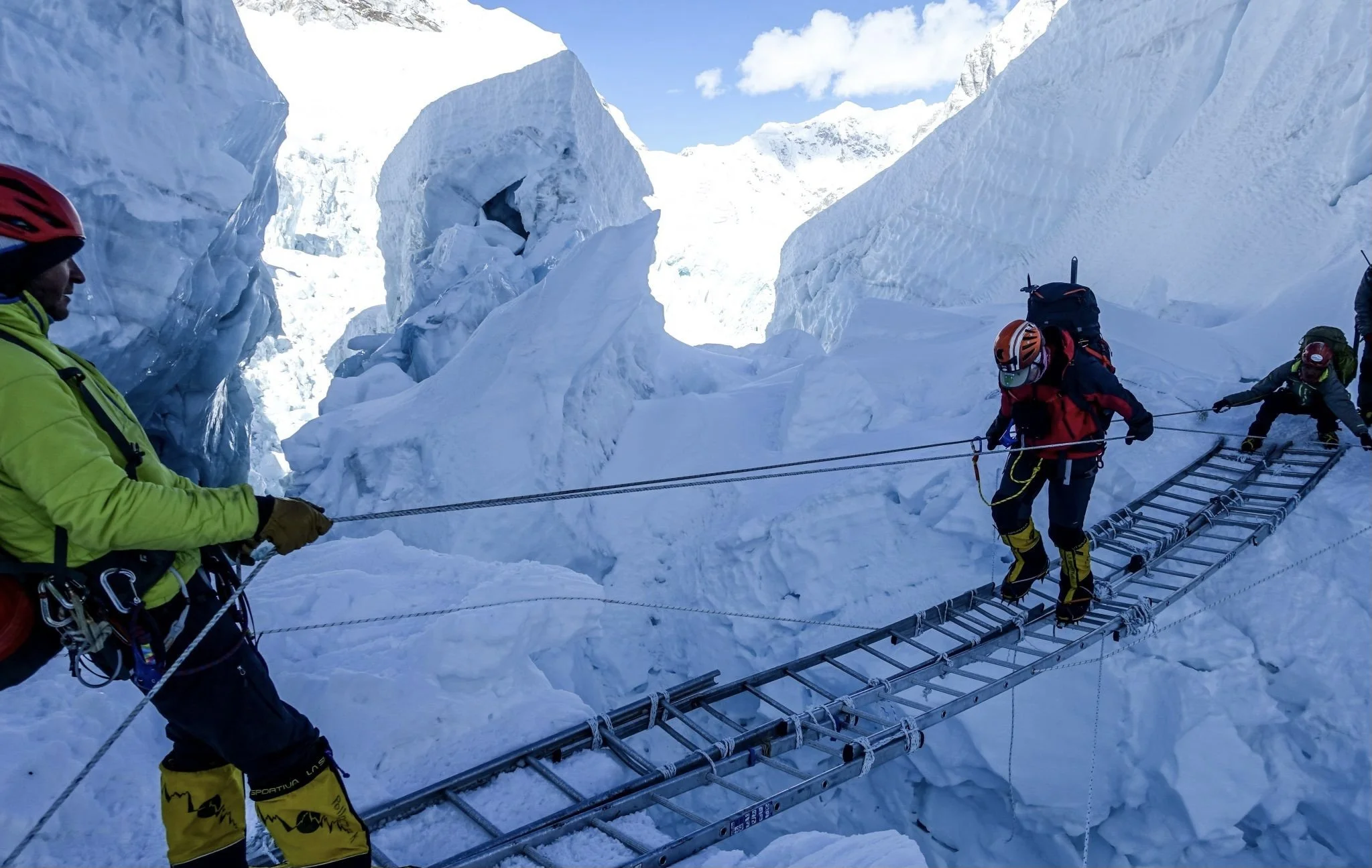
The best and ideal time for climbing Mount Everest is during the spring and autumn seasons, as they offer favorable weather, manageable temperatures, and summit windows where climbers can push for the summit. The differences in spring and autumn seasons for the Everest summit are provided below:
| Factor | Spring (April to May) | Autumn (September to October) |
|---|---|---|
| Weather Stability | Excellent stability with highly predictable weather. | Good weather stability, but comparatively less predictable. |
| Summit Success Rate | Highest summit success rate. | Moderate to high summit success rate. |
| Crowd Levels | High. | Low to medium. |
| Temperature | Approximately -20°C to -40°C at the summit. | Approximately -30°C to -40°C or lower at the summit. |
| Weather Window | Stable and longer summit window. | Shorter and narrower summit window. |
| Cost | Higher permit and expedition costs due to peak climbing season and greater demand. | Lower permit fees and overall expedition costs. |
| Best For | First-time Everest climbers seeking the highest chance of success. | Experienced climbers looking for fewer crowds and a quieter expedition. |
Spring (April to May)
Spring is the best time for climbing Mount Everest, as the season provides a longer summit window, favorable and predictable weather, clear skies, and an overall better experience in comparison to other seasons. The average summit temperature ranges from -20°C to -40°C. Meanwhile at base camp, the daytime and nighttime temperature ranges are between 0°C to 15°C and -5°C to -15°C. The spring season significantly eases climbing difficulties by minimizing the risk of harsh weather, extreme temperature, and longer summit windows.
Autumn (September to October)
Following spring, Autumn can also be considered for the Everest summit, as the season also provides a short summit window. While the duration of the summit window and weather predictability are low in comparison to the spring season, Autumn still offers a better time in comparison to winter and monsoon. The average summit temperature during the Autumn ranges from -30°C to -40°C. Similarly, the base camp day and night temperature ranges from 0°C to 10°C and -10°C to -15°C.
Why Winter and Monsoon Climbs Are Extremely Rare
Although Everest possesses difficulties throughout the year, winter and monsoon further challenge climbers with extreme difficulties and harsh weather conditions. Winter climbs (December to February) are extremely rare due to a higher chance of storms, extreme cold, and slippery ice on the trails. The temperature can reach below -37°C to -60°C or lower at the summit. Meanwhile, the temperature in Everest Base Camp in the day and night averages at -5°C to 5°C and -17°C to -25°C.
Similarly, monsoons possess risks to climbers with heavy rainfall at the base and snowfall in high-altitude regions. The trekking routes to reach base camps are slippery and foggy, while high-altitude areas are full of fresh snow that triggers the risk of avalanches.
Which Season Should You Choose?
Spring is ideally the best choice for climbers, as the season increases summit success rate due to favorable temperature, longer weather window, and predictable weather. Spring is also best for first-time Everest climbers, as various safety and environmental risks are minimized in the season.
Also, if you want peaceful adventure with reduced crowds, the autumn season can also be the best time for you. For a successful expedition, it is recommended that you consider the best time along with physical and mental preparation, a proper itinerary, acclimatization, training, and safety preparations.
Conclusion
Spring (March to May) is the best time for a successful Everest summit, as the season gives favorable temperatures, a predictable climate, and, most importantly, a longer weather or summit window. The season increases the summit success rate in comparison to other seasons. Spring also rewards first-time Everest climbers by making the climbing environment suitable.
If you are also planning to summit Mount Everest, spring from March to May can be your ideal time. For further information about Everest expeditions or to be part of one, visit Namas Adventure. Namas Adventure provides dedicated support, well-planned itineraries, training, and experienced Sherpa guides for a successful summit while prioritizing safety first
