

Which Month Is Best To Attempt A 7000m Peak In Nepal?
7000m Peak
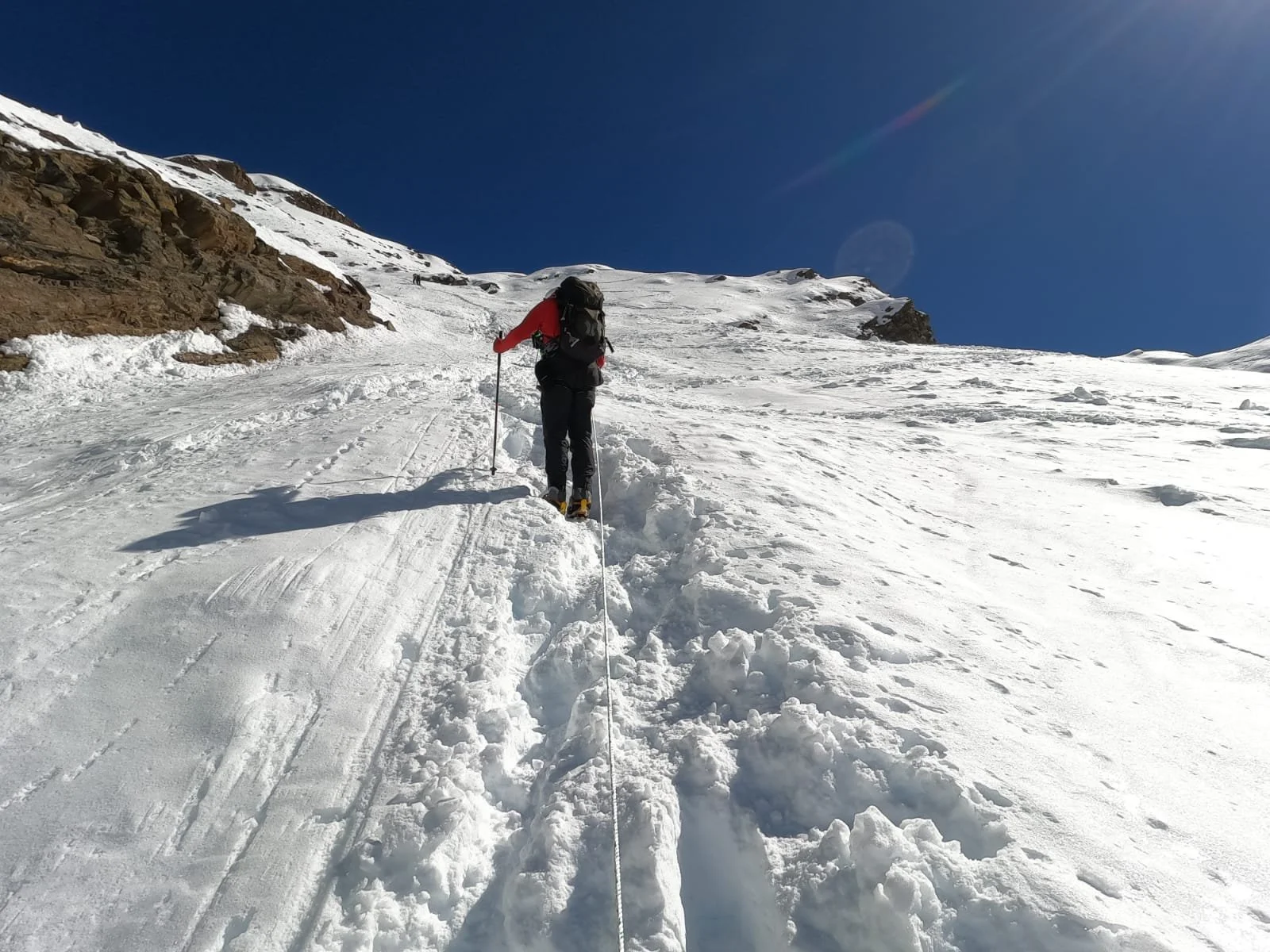
A careful consideration of weather, season, and climbing months is important during peak climbing adventures. If you are planning for a 7000 m peak expedition in Nepal, considering the best month or season is important, as you get exposed to harsh weather, colder temperatures, and stronger winds. At such altitudes and during severe weather conditions, the mountain does not give a single place for error. The season you are climbing directly impacts safety, route conditions, costs, and logistics, influencing the summit success. In Nepal, there are two primary weather windows: spring (April to May) and Autumn (September to November). This season provides favorable climbing weather and conditions to the climbers in comparison to other weather.
In this guide, we provide information about the best month to attempt a 7000 m peak in Nepal. The information about the climbing season in Nepal and details about the expedition suitable in all seasons are explained. Also, the comparison between spring and autumn season climbing and its effect on expedition costs, crowd level, and permit availability is provided to help you make an informed decision.
Nepal's Climbing Seasons
| Season | Months | Weather Conditions | Advantages | Challenges |
|---|---|---|---|---|
| Spring | April to May | Stable weather with warmer temperatures at lower altitudes and longer daylight hours. | High summit success rates, established routes, and favorable climbing conditions. | More climbers, leading to crowding and increased expedition costs. |
| Autumn | September to November | Dry air, clear skies, and excellent visibility. | Stable and predictable weather, crisp air, and outstanding mountain views. | Colder mornings and nights with shorter daylight hours. |
| Winter | December to February | Extremely cold conditions with a high likelihood of jet-stream winds at higher elevations. | Ideal for climbers seeking a serious technical challenge. | Severe cold, dangerous winds, and very limited summit opportunities. |
| Monsoon | June to August | Heavy rainfall, dense cloud cover, and unstable weather patterns. | Very few climbers on the mountain. | High risk of avalanches, landslides, poor visibility, and difficult access. Generally not recommended for peak climbing. |
Spring
The spring season from late April to May is considered a primary window for peak climbing, including 7000 m peaks in Nepal. The season is ideal due to warm temperature, long daylight hours, and predictable weather patterns. During the spring you can plan to acclimatize and try for a summit attempt to increase the summit success rate. Major expedition companies operate peak climbing expeditions, including 7,000 m peaks like Annapurna IV (7,525 m), Himlung Himal (7,126 m), Ski Putha Hiunchuli (7,246 m), and Baruntse (7,129 m) from mid-March to May during spring.
Autumn
Autumn, from September to November, is also the best season for 7000m peak climbing in Nepal. This season begins after the monsoon and rewards climbers with a clear atmosphere, great mountain visibility, and favorable trial conditions. The snow conditions on trails are settled and firmer, reducing the risk of avalanches on the route. The month of October in the autumn season is often considered best for climbing 7000 m peaks in Nepal due to stable weather, mild and crisp air, and manageable temperatures.
Winter and Monsoon
Winter and monsoon season are considered off-season for peak climbing in Nepal. These seasons are off-season due to heavy rainfall in lower regions, heavy snowfall in higher altitudes, and the risk of landslides and avalanches. The winter gives extremely cold temperatures, decreasing below -25°C, that challenge even an experienced climber. The season of winter possesses challenges for climbers with slippery ice surfaces, poor visibilities, shorter daylight, and strong winds.
Spring vs Autumn Comparison For 7000m Peak Climbing
| Factor | Spring (April to May) | Autumn (September to November) |
|---|---|---|
| Wind Patterns | Strong winds dominate the early season but gradually weaken by late April and May. As the jet stream shifts northward, favorable weather windows develop for climbing 7,000m peaks in Nepal. | September and October usually offer stable climbing conditions. By late November, summit opportunities become limited due to the return of stronger high-altitude wind patterns. |
| High Camp Temperatures | Temperatures generally range from -15°C to -25°C. Longer daylight hours provide more comfortable climbing conditions and extended travel time. | Temperatures often range from -20°C to -30°C or lower, especially in late October and November. Increased frostbite risk exists during mornings and nights. |
| Snow Conditions | Routes are covered by stable snowpack compressed during winter. Early spring may feature hard-packed snow or blue ice, which softens later in the season for easier movement. | Typically characterized by drier, firmer snow and icy sections. Faster travel is possible, but technical crampons are often required on hard ice. |
| Daylight & Logistics | Longer daylight hours provide additional climbing time. Spring is the busiest season with extensive logistics support, established routes, guide availability, and stronger rescue infrastructure. | Shorter daylight hours and fewer climbers create quieter camps and less congestion. However, there may be fewer teams available for route-breaking and support. |
| Expedition Costs | Generally higher due to peak climbing season demand, increased guide availability, and extensive logistical support. | Often more affordable because of lower demand, fewer commercial expeditions, and reduced overall logistics costs. |
How Weather Patterns Affect 7000 m Climbs
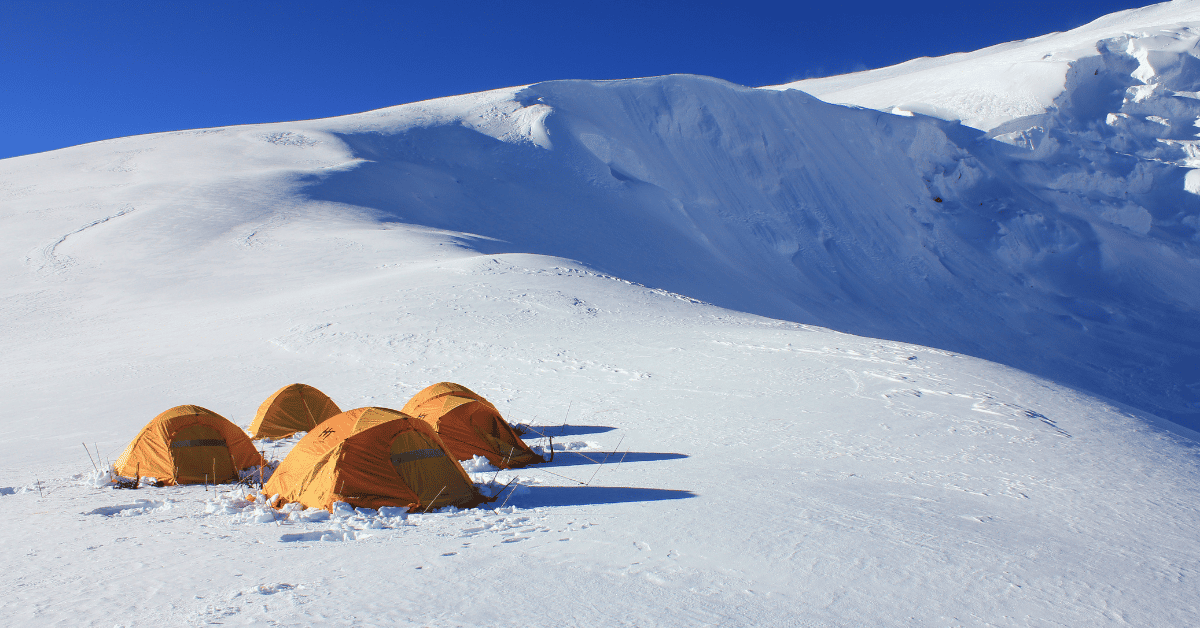
Weather plays important roles in 7000 m climbs as even a minor shift in wind or temperature can impact the summit success rate. Factors like extreme temperature and strong winds increase the chance of frostbite. Conditions like sudden storms reduce visibility, and sudden melting of glaciers increase the chance of sudden rockfall. Also, long exposure to harsh weather conditions at high altitudes increases fatigue and limits climbers' performance. All these factors' results might lead to a summit halt or cancellations.
How Season Choice Affects Expedition Cost
The season choice significantly affects the expedition costs due to crowd levels, permit costs, expedition logistics, and delays. The more the demand for logistics, guides, and flights is, the more the costs are increased.
Crowd Levels and Route Conditions
The months of spring experienced higher crowds or commercial expeditions in comparison to autumn months. As commercial expeditions take place largely, you encounter climbers in camps and during summit pushes. The conditions of trails are also managed, and you also get proper support infrastructure during the spring season.
Autumn, on the other side, experiences fewer crowds, making it ideal for experienced mountaineers seeking solitude and peaceful experiences.
Permit Availability and Expedition Logistics
You require obtaining permits to climb 7000 m peaks in Nepal. Permits are available in both spring and Autumn seasons and issued by the government through licensed expedition operators. The cost of permits in Spring are higher in comparison to Autumn and other seasons in Nepal. However, the expedition logistics facilities are influenced by seasonal demand. As spring is the peak commercial expedition season in Nepal, the cost of guides, porters, domestic flights, and accommodations is high and gets expensive. Meanwhile, the autumn season offers affordable and easier arrangements of guides, porters, and logistic requirements.
Weather Delays
In comparison to the spring season, autumn has a higher chance of weather delay due to strong wind in late november. These delays lead to additional stays, extra accommodation requirements, and increased flight costs due to rescheduling requirements. For favorable weather and to avoid delays, the month of May can be the best time for planning expeditions.
Which Season Is Best for Popular 7000m Peaks in Nepal?
| Peak | Spring (April to May) | Autumn (September to November) |
|---|---|---|
| Annapurna IV (7,525 m) | Mid-March to late April | Late September to November |
| Himlung Himal (7,126 m) | Mid-April to May | Late September to October |
| Baruntse (7,129 m) | Late April to May | Late September to November |
| Putha Hiunchuli (7,246 m) | Mid-April to Late May | September to Early November |
Conclusion
The best time to climb 7000 m peaks in Nepal is during the months of Spring and Autumn seasons. Spring offers warmer temperatures, longer daylight hours, a longer weather window, and a higher summit success rate, making it a preferred choice for high-altitude climbers. Meanwhile, Autumn months offer clear visibility, quieter trails, and stable post-monsoon conditions to extreme mountaineers seeking adventure. But in comparison to the spring season, the autumn season may experience fewer daylight hours and more chance of delay due to developing weather patterns.
If you're planning an expedition to a 7000m peak in Nepal during Spring or Autumn, contact Namas Adventure. NAMAS Adventure provides expert guidance, a well-planned itinerary, a high climbing success rate, and proper training and support to ensure your adventure is memorable and meets your summit goals.
