

Top Reasons Mountaineers Fail Before Reaching The Summit
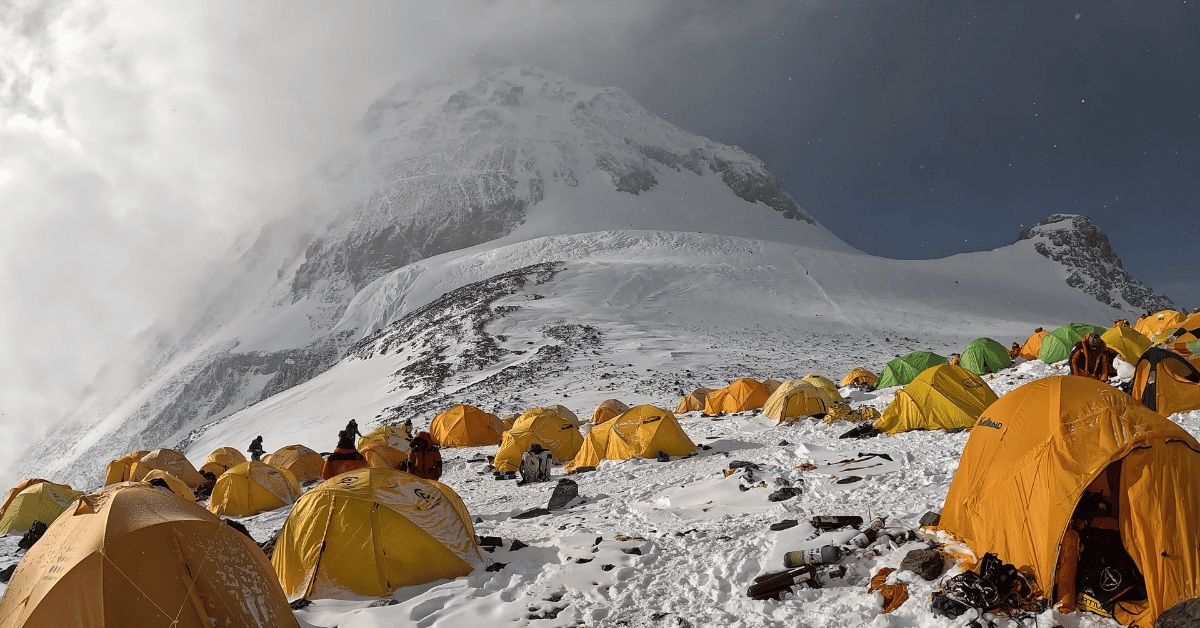
Everest camp 4, 8000m
Reaching the summit is the primary objective of every mountaineer during the expedition. Whether climbing a trekking peak or going higher to a 7,000 m peak or 8,000 m expedition, reaching the highest point and returning safely means a successful expedition. Climbers invest funds and months of time in training just to get success in climbing.
However, during expeditions, not all climbers successfully reach the summit. There are various reasons that lead to summit failure for mountaineers. These reasons include factors like weather, poor acclimatization strategy, compliance with turnaround rules, limitation of climbers, and poor decision-making under pressure. While success is measured by safely returning after reaching the summit, risk management and making smart decisions to return back to safety are critically important. A successful mountaineering is also about making the right decision and returning back with proper safety.
This guide explains the top reasons that mountaineers fail before reaching the summit. The reasons for summit failure, including the climber's physical and mental factors, regulations, and natural factors, are explained. The golden rule for expedition safety and the role of professional expedition planning in summit success are also explained.
Why Reaching the Summit Is Never Guaranteed
Reaching the top of the mountain is never guaranteed in a mountaineering expedition, especially at high altitudes and challenging peaks. The quick-changing environment of mountains tests endurance, physical fitness, and willpower for climbers. Even under successful preparation, climbers encounter various difficulties like poor route conditions, sudden weather changes, natural calamities, and health issues that challenge the expedition's success.
It is important to understand that a successful summit is not only about reaching the summit; it is also about making wise decisions and returning safely. Turning around can be an option, but returning home is mandatory, so understanding that a summit is never guaranteed and waiting for the best opportunity for a summit can be a smart decision.
Reason For Summit Failure
Climbers face summit failure due to various reasons, from their own personal health condition to unavoidable climate and weather challenges. Also, the regulations, like turnaround rules and poor decision-making under pressure, also lead to failed summit attempts.
Weather Deterioration
Weather is one of the key factors that impact the success of a summit. The weather of high-altitude peaks deteriorates faster even if it was stable earlier. The sudden change of weather pattern, high wind movements, and challenging route conditions make the summit pushes difficult. This condition forces climbers to abandon their summit pushes for safety.
Inadequate Acclimatization Leading to Altitude Sickness
Acclimatization is important for adapting the human body to a high-altitude atmosphere. As climbers ascend to high altitude quickly without proper acclimatization, the risk of mountain sickness might increase. The symptoms of headache, nausea, fatigue, and life-threatening conditions can be developed that force climbers to return back. Many summit attempts fail as climbers don't follow proper acclimatization and develop symptoms of altitude sickness.
Turnaround rules
The turnaround rules are important safety principles and regulations implemented by the government for the safety of climbers. Turnaround rules require climbers to halt their summit push and return back to safety once they cross specific time limits. Rules like 2 PM on Everest are examples of turnaround rules that require climbers to abandon summit attempts and return to safety if the time crosses 2 PM during the summit attempt. Following these rules shows mountaineering discipline and a smart representative of safety initiatives.
Exhaustion and Energy Depletion
Climbing high-altitude and challenging peaks drains energy and leads to mental and physical exhaustion. As climbers trek for days to reach camps and navigate difficult terrains and sections to reach final camps, their physical condition depletes significantly. As a result, the energy required for the final summit push and safely returning from the summit are reduced. In such conditions, many climbers cancel summit pushes, as they carry risk of physical performance, poor decision-making, and a high chance of mistakes.
Sickness like Khumbu Cough
High-altitude climbers are vulnerable to various illnesses and diseases such as Khumbu cough, gastrointestinal infections, dehydration, and viral infections. At altitudes above 2500m, Khumbu cough, a dry cough caused by exposure to dry, high-altitude air. This condition, if ignored, can lead to severe chest pain, difficulty in breathing, and physical performance. Similarly, the chance of viral infections like flu, common cold, fever, and other issues like food poisoning, diarrhea, and stomach upset can lead to the cancellation of the summit. These situations are commonly faced during expeditions, and during such moments, it is better to hold the summit push by properly communicating with the expedition team.
Summit Fever and Poor Decision-Making
In addition to the various reasons above, the phenomenon of summit fever and poor decision-making also leads to unsuccessful attempts or failure to return from the summit safely. Summit Fever is a psychological phenomenon that creates the overwhelming desire of climbers to reach the summit by ignoring safety, threats, and guidance of the expert guide. This situation leads to poor decision-making as climbers ignore signs of altitude sickness, disobey turnaround times, and ignore their physical limits. The situation not only caused a failed attempt due to injury and sickness but also led to serious dangers or life-threatening situations. It is important to know that reaching the summit is just half of the journey, as one also requires reaching the base safely. During expeditions like Everest, there are many incidents of Summit Fever leading climbers in trouble due to severe sickness and frostbite requiring immediate rescue.
The Mountaineer's Golden Rule
The mountaineer’s golden rule states that "getting to the summit is optional, but getting down is mandatory." This means no matter how close you are to the summit, you must always prioritize safety and return to base if summit conditions are not met or favorable.
The decision of turning back even when the summit is close is one of the hardest decisions a climber can make. Walking away from the end goal even after months of training and investment can be disappointing. But a disciplined mountaineer must understand the safety priorities.
Taking the right decision by returning to the summit shows maturity and respect for the mountain. If climbers are safe, they can reattempt the summit later. Mountaineers must also understand the fact that reaching the top may be a goal, but reaching the base safely is a real achievement.
How Professional Expedition Planning Improves Summit Success
As mentioned earlier, no expedition guarantees summit success. But with proper planning and strategies, you can significantly improve summit success rates. The professional expedition planning improves summit success rate by:
Minimizing risks through detailed preparation, strong leadership, and contingency plans
Monitoring weather, climbing schedules, and effective acclimatization schedules
Arrangement of experienced guide and a logistics support team to reduce exhaustion
Preparing safe route and monitoring weather
Planning emergency response strategy
Effective communication and right decision-making
Conclusion
Mountaineers don't fail to reach the summit because they lack determination, courage, and strength. The summit attempts are mostly due to harsh mountain weather, altitude challenges, and adherence to strict regulations.
While factors such as physical exhaustion and altitude sickness are contributed to by poor acclimatization strategy and preparation, climbers must consider turning back for later attempts. Preparing properly from physical training to proper planning and acclimatization strategies is important for increasing success rate. Regardless of preparation, climbers must always regard safety as the first priority over achievement.
If you are also planning for a mountaineering adventure, choosing the reliable and right expedition team matters significantly. Expedition service providers like Namas Adventure ensure a well-planned itinerary with proper preparation, training, and experienced guides to ensure a high success rate of your summit attempts while also focusing on safety
