

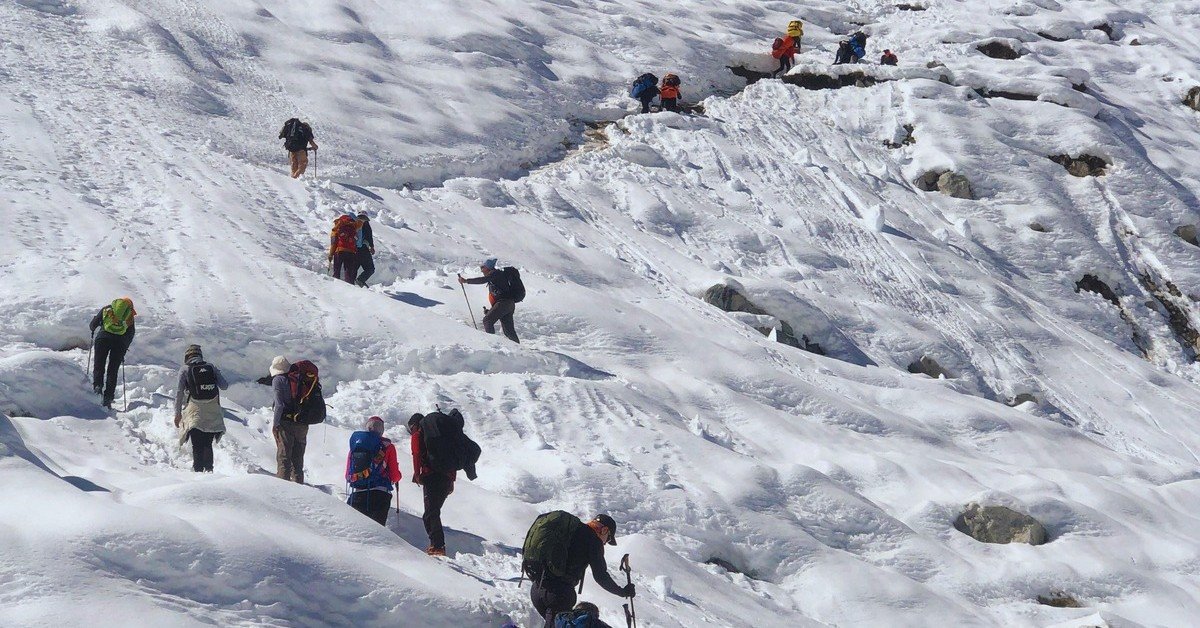
Frostbite is one of the most common cold injuries in the mountains, which begins in the fingers, toes, nose, ears, and cheeks. It occurs when skin and the tissue underneath freeze due to prolonged exposure to temperatures below 32°F (0°C). But there is good news: frostbite is largely preventable; however, it is important to prevent the condition, as prevention works better than treatment.
But how do you prevent frostbite, and which gears do you wear during high-altitude trekking and mountaineering? Down booties, hand warmers, and toe warmers are popular choices on high-altitude climbs, yet each one has limits and safety rules.
In this blog, we provide information about the importance of appropriate down boots, hand warmers, and toe warmers during mountaineering. The process to use them safely, the early signs of frostbite, and a gear checklist for climbers heading to high-altitude peaks are also provided.
Why Is Frostbite a Serious Risk During Mountaineering?
Mountaineering puts the body in the worst conditions for cold injury. Low temperatures, strong wind, and moisture pull heat away from the hands and feet, while the body protects its core by reducing blood flow to the extremities. Sweat inside gloves or boots, tight footwear, dehydration, poor nutrition, alcohol, and tobacco can reduce circulation even further.
The symptom of frostbite is also easy to miss, as cold fingers and toes lose feeling, so climbers may keep moving without realising that tissue is freezing. Severe frostbite can cause blisters, permanent tissue damage, and, in the worst cases, amputation, and it can take up to three months for the full extent of damage to show. On a remote high-altitude peak, hospital care is far away, so prevention and early action matter most.
Why Does Frostbite Occur at High Altitudes?
Frostbite occurs due to freezing of skin and underlying tissues caused by prolonged exposure to extreme cold and freezing temperatures. During the cold weather, blood vessels in fingers and toes narrow (vasoconstriction) to conserve the body heat. As blood vessels in fingers and toes narrow, these parts don't get proper blood circulation, and the chance of frostbite increases.
Also, the low oxygen level at higher altitudes can lead to hypoxia, which increases the risk of frostbite. As the body gets inadequate oxygen, the body tissues get limited oxygen and lose the ability to maintain warmth in hands and feet. Low oxygen also leads to a decrease in skin temperature, especially in hands and feet, making them prone to cold injuries.
Down Booties for Frostbite Prevention
The down bootie is one of the important frostbite-preventing mountaineering gear that mountaineers and high-altitude trekkers must wear to prevent frostbite on their feet and toes.
frostbite prevention in mountaineering. Down booties are insulated camp shoes that slip over your socks when you are not climbing. Down traps warm air, so booties keep your feet warm during rests, in the tent, and at cold camps, when your feet are no longer producing heat from movement. They do not replace double or triple expedition boots, which are built for walking on snow and ice. Down also loses much of its insulating power when wet, so keep booties dry and consider water-resistant down or a synthetic option for damp conditions.
How to Choose and Use Down Booties
When choosing the best downbeat for a high-altitude adventure, ensure you choose one by checking:
Enough room: Choose a size that fits over dry socks without squeezing, as tight footwear reduces blood flow.
A durable sole: A grippy outsole helps on short walks around camp.
A secure ankle: A cinch cord or cuff keeps warm air in and snow out.
Moisture-resistant fabric: The shell should protect the insulation from damp.
Put the booties on as soon as you stop climbing, after changing into dry socks. Wet socks keep pulling heat from your feet, even inside warm booties.
Hand Warmers for Protecting Fingers from Frostbite
Hand warmers are worn to protect fingers from frostbite by providing supplemental heat and maintaining peripheral blood flow. When the pack is opened, the iron powder inside reacts with oxygen and produces heat that lasts for several hours. The chemical and electric hand and foot warmers can reduce frostbite risk, but they work best alongside warm layers, not in place of them. Some labels also warn that the pads can reach about 70°C (158°F).
How to Use Hand Warmers Safely While Climbing
Follow these tips to use hand warmers safely during high-altitude climbing:
Use insulated mittens: Mittens keep your fingers together and help retain more warmth than regular gloves. Use hand warmers inside mittens only as directed by the manufacturer.
Avoid direct skin contact: Never place hand warmers directly against your skin, especially when your fingers are numb, as prolonged heat exposure can cause burns without noticeable pain.
Follow safety instructions: Do not use hand warmers while sleeping or on frostbitten skin. Check product warnings, especially when using supplemental oxygen.
Activate warmers early: Start using hand warmers before your fingers become too cold or numb. Preventing heat loss is easier than warming cold fingers.
Test before climbing: Test hand warmers at base camp to understand how they work, how long they provide heat, and whether they fit comfortably inside your mittens. Carry spare warmers for long summit pushes.
Toe Warmers for Keeping Feet Warm During Expeditions
Toe warmers provide additional warmth to your feet during cold summit pushes, long waits at fixed ropes, and extended periods of inactivity. Their thin, air-activated heating pads are usually attached to the outside of socks, above the toes, following the manufacturer's instructions. However, their effectiveness can decrease at extreme altitudes due to limited oxygen and airflow inside mountaineering boots. Climbers should test toe warmers during acclimatisation rotations and ensure they do not make their boots too tight or restrict blood circulation.
How to Use Toe Warmers Safely
Follow these safety tips when using toe warmers during high-altitude expeditions:
Avoid direct skin contact: Attach toe warmers to the outside of your socks, following the manufacturer's placement instructions. Never apply them directly to bare skin.
Ensure proper boot fitting: Make sure your mountaineering boots have enough room for toe warmers. Tight boots can restrict blood circulation and increase the risk of frostbite.
Check your feet regularly: Check for excessive heat, skin redness, or discomfort whenever you can safely remove your boots, especially during rest periods at camp.
Remove warmers if they become too hot: Remove toe warmers if you experience excessive heat or discomfort to prevent skin burns.
Avoid using them on frostbitten feet: Never apply toe warmers to frostbitten skin. Climbers with diabetes or circulation problems should consult a doctor before using them.
Best Down Booties, Hand Warmers and Toe Warmers for Mountaineering
Choosing appropriate cold-weather gear is essential for high-altitude expeditions. The following are some of the performing down booties, hand warmers, and toe warmers that climbers can consider for additional warmth.
| Category | Recommended Products | Key Features and Uses |
|---|---|---|
| Down Booties | Rab Expedition Down Boots | 800-fill-power down, weather-resistant fabric, and detachable footbeds. Suitable for high-altitude base camps. |
| Down Booties | Feathered Friends Down Booties | 800+ fill-power down, removable insulated liners, and waterproof soles for camp use. |
| Down Booties | Western Mountaineering Flash Down Booties | Lightweight design weighing approximately 85 g per pair. Suitable for tents and cold camps. |
| Hand Warmers | Hot Hands Hand Warmers | Air-activated disposable warmers providing up to 10 hours of heat. |
| Hand Warmers | THE HEAT COMPANY Handwarmers | Compact, air-activated warmers providing approximately 12 hours of heat. |
| Hand Warmers | Thermopad Hand Warmers | Lightweight warmers designed to fit inside gloves or pockets, with up to 12 hours of heat. |
| Toe Warmers | HotHands Toe Warmers | Thin, adhesive, air-activated pads designed to provide additional warmth inside footwear. |
| Toe Warmers | THE HEAT COMPANY Toe Warmers | Extra-thin adhesive warmers providing approximately eight hours of heat. |
| Toe Warmers | Thermopad Toe Warmers | Thin adhesive heating pads designed for socks, providing approximately nine hours of warmth. |
Note: These products provide supplementary warmth and do not replace insulated mountaineering boots, gloves, or mittens. Chemical warmer performance may vary at extreme altitudes, and climbers should test them before summit day.
Essential Frostbite Prevention Tips for Mountaineers
Apart from using protective gear, climbers must follow frostbite prevention mountaineering techniques to reduce the risk of frostbite during high-altitude expeditions. Climbers must follow the frostbite preventive measures below:
Protect exposed skin: Cover your face, ears, fingers, and toes against freezing winds. Change wet socks and gloves immediately, and adjust clothing layers to prevent excessive sweating during climbs.
Wear proper insulation: Use insulated mountaineering boots, waterproof outer layers, and mittens during extremely cold conditions. Add extra insulation before long waits at fixed ropes or exposed sections.
Maintain hydration and nutrition: Drink fluids regularly and eat energy-rich snacks during summit pushes. Avoid alcohol and discuss medications that may reduce blood circulation with your doctor before the expedition.
Avoid tight clothing and footwear: Ensure your boots, socks, gloves, and climbing straps do not restrict blood circulation, especially when adding hand or toe warmers.
Check fingers and toes frequently: Monitor for numbness, pain, or loss of sensation. Inform your guide immediately and protect and gently warm affected areas before the condition worsens.
Use supplemental oxygen when necessary: At extreme altitudes above approximately 7,500 metres, follow your expedition's medical and supplemental oxygen plan to manage severe oxygen deficiency.
Avoid relying on skin creams: Skin creams and moisturisers do not prevent frostbite, and some may increase the risk. Prioritise proper insulation and protection from cold exposure.
Early Signs of Frostbite and What Climbers Should Do
Frostbite often starts as frostnip, a mild cold injury that clears quickly with warming, so treat every warning sign seriously.
Warning Signs of Frostbite
Numbness or tingling: Persistent numbness, tingling, or burning pain in the fingers, toes, nose, or ears.
Loss of dexterity: Difficulty moving fingers, gripping climbing equipment, or feeling your toes.
Changes in skin appearance: Skin becoming pale, white, waxy, or unusually hard to the touch.
Immediate Actions When Frostbite Is Suspected
If you have any symptoms and signs of frostbite, the following are the immediate actions you must take:
Inform your guide immediately: Stop climbing, find shelter from the wind, and carefully remove wet or restrictive clothing and jewellery.
Protect the affected area: For early cold injury before tissue freezes, use body heat, such as placing cold fingers under your armpits. Never rub or massage the affected skin.
Avoid refreezing: Do not deliberately thaw frozen tissue if it may refreeze. When medical care is more than two hours away, supervised rewarming in water maintained at 37-39°C for approximately 30 minutes may be appropriate, provided refreezing can be prevented.
Arrange medical care: Avoid walking on thawed frostbitten feet whenever possible. Follow your guide's evacuation plan and seek medical treatment promptly.
Frostbite Prevention Gear Checklist for High-Altitude Climbing
Before departing for high-altitude climbing, climbers must check the frostbite prevention gear checklist below:
Insulated expedition boots with enough room for warm socks
Spare dry socks and liner gloves
Insulated mittens, plus a spare pair
Down booties for camp
Hand and toe warmers, tested and with labels read
Balaclava, buff, and goggles to protect the nose, cheeks, and ears
Insulated water bottle and hot drinks to stay hydrated
Supplemental oxygen plan agreed with your expedition leader
Conclusion
Frostbite prevention is an important part of high-altitude mountaineering, especially during long summit pushes and exposure to freezing temperatures. Down booties, hand warmers, and toe warmers provide additional warmth, but proper insulated boots, dry clothing, and regular checks for frostbite symptoms are equally important. Following safety precautions and using appropriate equipment can help reduce the risk of cold injuries.
Planning a Himalayan expedition? Explore high-altitude climbing opportunities with NAMAS Adventure and receive guidance from experienced climbing guides and Sherpa teams on equipment, preparation, and mountain safety.
